
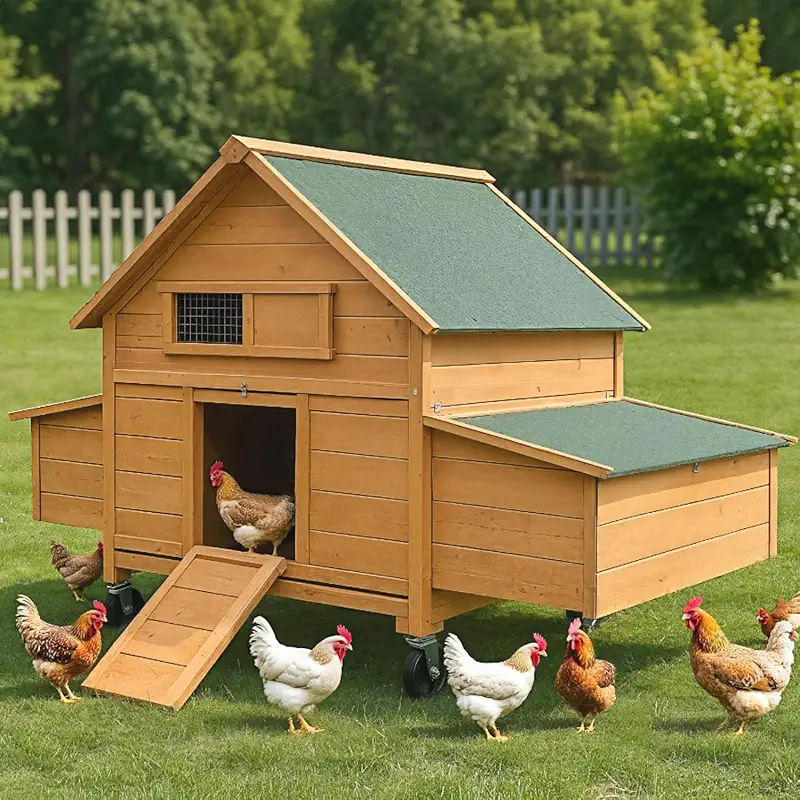
Why an XL wooden chicken coop changed my flock
When I started with chickens, I made the same mistake many new keepers make: I chose a coop that was “big enough for now”. Within a year, my little flock grew, and I could feel my hens were not at ease. They argued at bedtime, pushed on the roost, and the timid ones slept on the floor under the stronger birds.
The day I moved them into an XL wooden chicken coop, the whole mood of the flock changed. Bedtime became quiet. Egg laying became more regular. Even the shy hen I called Feather started coming out first in the morning. Space is not a luxury for chickens. It is peace.
Wood helps with that peace too. When you walk into a wooden coop early in the morning, it feels softer and calmer than metal or plastic. The temperature changes more gently, and sound is less sharp. My birds settle faster in a wooden coop, and I sleep better knowing they are in a natural, familiar environment.
If you already know you want generous space, you can look at XL wooden chicken coop options and check measurements, photos and reviews in one place.
How big should an XL wooden chicken coop really be?
Numbers on paper can be confusing. Sellers talk about “up to 10 chickens”, but they often imagine small bantams that spend all day outside. I raise normal laying hens like Rhode Island Reds, Orpingtons and crosses, and they are not small ladies.
Over the years I ended up using a simple rule. It is not perfect science, but it has kept my flock relaxed, even in bad weather when they stay inside:
- At least 4 square feet (0.37 m²) of indoor coop floor per standard hen.
- At least 8 square feet (0.75 m²) of run space per hen if they cannot free range much.
- 10–12 inches (25–30 cm) of roosting bar per hen, on the same level or close.
| Flock size | Indoor coop area I aim for | What sellers often call it |
|---|---|---|
| 4–5 hens | 16–20 sq ft (1.5–1.9 m²) | Medium / 4–6 chickens |
| 6–8 hens | 24–32 sq ft (2.2–3 m²) | Large / 6–10 chickens |
| 9–12 hens | 36–48 sq ft (3.3–4.5 m²) | XL / 10–15 chickens |
When a coop is advertised as “XL wooden chicken coop”, I ignore the chick-count and go straight to measurements. I imagine my biggest hen, Fluffy, turning around in there with her wings slightly open. If I cannot picture that comfortably, the coop is not XL in my book.
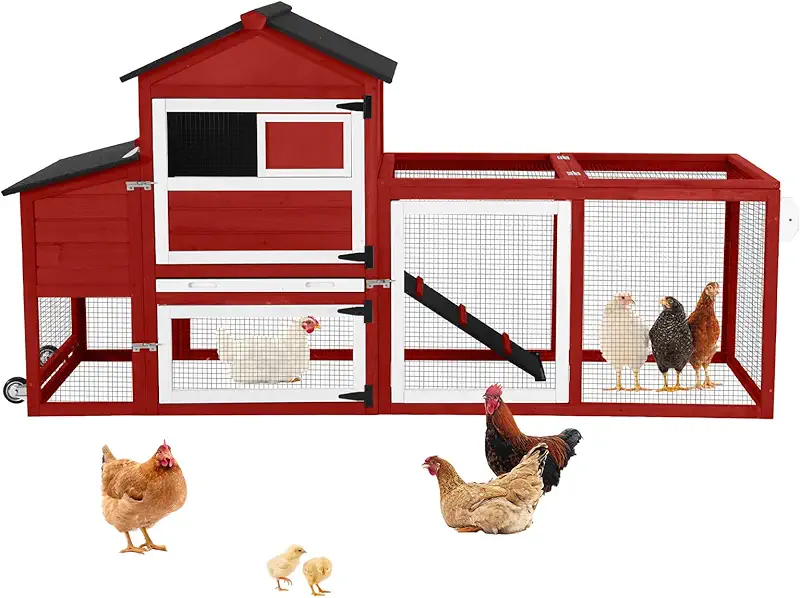
Key features I look for in an XL wooden chicken coop
After many years of pulling stuck eggs from awkward nest boxes and chasing red mites out of dark corners, I developed a small personal checklist. When I look at an XL wooden chicken coop, these are the details that tell me if it will be a joy or a burden.
1. Safe, simple access for me
I learned this the hard way with a pretty but tiny-door coop. Crawling on your knees in winter mud to catch a sick hen once is enough to swear you will never do it again. Now I look for:
- A human-size door or big side panels that open fully.
- Removable trays or floors I can scrape in a minute.
- Nest box lids that lift easily with one hand.
If it looks easy to clean, I know I will actually keep it clean. And a clean coop means fewer smells, fewer flies and much less trouble with mites.
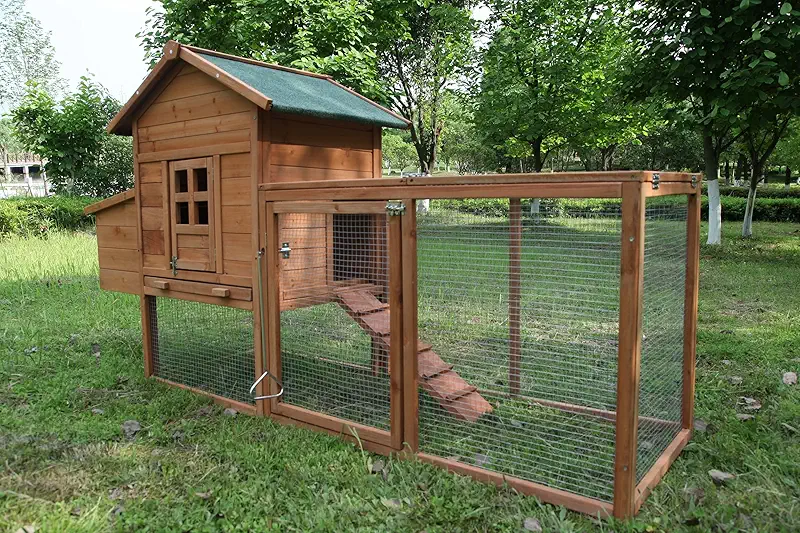
2. Solid wood and good roof
Thin wood can look charming in photos but it does not forgive mistakes. After one very windy night, I found a cheap coop shifted and one panel cracked. Luckily, everyone was fine. Since then I ask myself:
- Is the frame thick enough? I prefer sturdy framing that does not wobble in videos or photos.
- Is the roof waterproof? A sloped, well-covered roof is kinder to hens and wood.
- Is the wood treated from the outside? I still like to add my own safe seal, but factory protection helps.
A good XL wooden chicken coop should feel like a small shed, not a toy house.
3. Smart ventilation without drafts
Chickens dislike damp air more than cold air. In my cold, wet winters, the coops that stayed fresh all had openings higher than the roosts.
I look for vents that let warm moist air escape at the top, while the hens sleep out of the direct path of any breeze. When I see windows and vents I imagine a windy night: will the air slide above their heads, or straight over their backs?
4. Nest boxes hens actually use
Hens are simple but sometimes stubborn. If the nest box does not feel private, they will try to lay in a hidden corner instead. My best XL wooden chicken coop nest boxes all shared three things:
- They were a little darker than the rest of the coop.
- They had a low lip so eggs stayed in but hens stepped in easily.
- They were not under the main roost, so they stayed clean.
Once I solved this, I almost never had to play “find the egg” in the garden again.
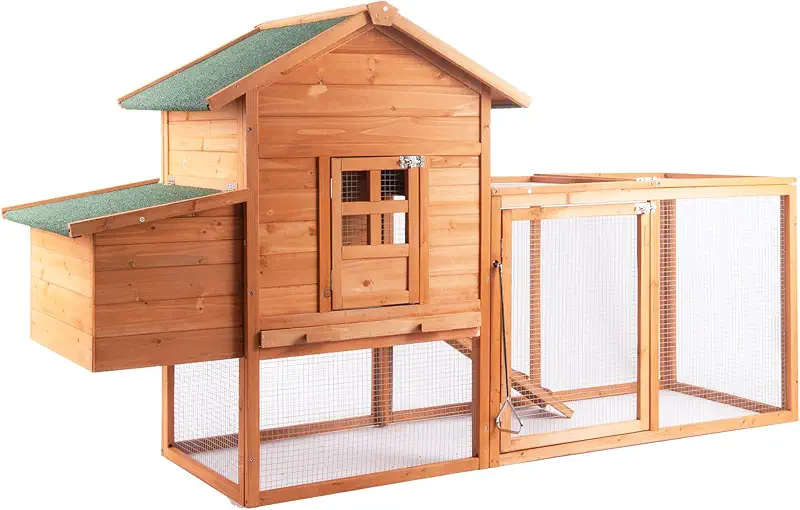
5. A run that matches your weather
In spring and summer, my hens hardly notice the run. The gate opens, and they rush outside into grass and sunshine. In winter storms, the run becomes their whole world.
For that reason, when I look at an XL wooden chicken coop with attached run, I imagine the worst ten days of weather in my year. Then I ask, “Would I feel okay if they had to live in just this space for those ten days?”
If the answer is no, I either choose a larger model, or I plan to add an extra covered area with simple wooden posts and wire.
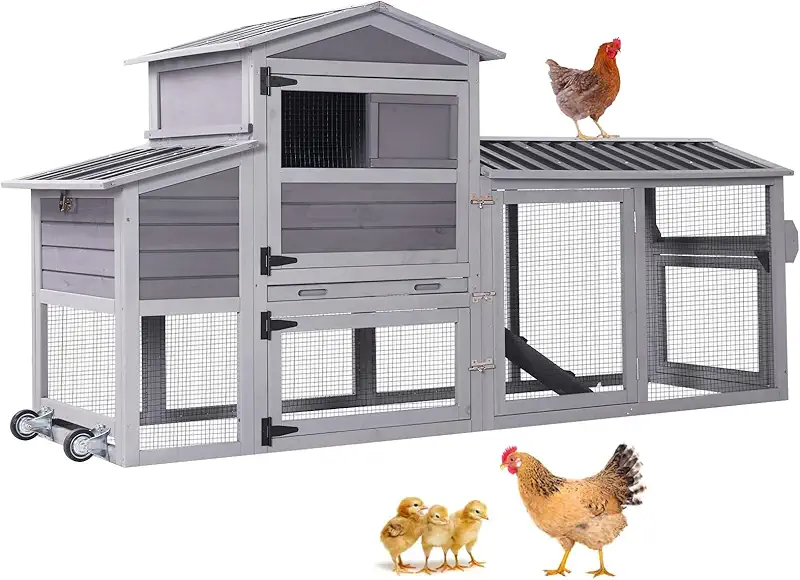
My daily routine inside an XL wooden chicken coop
To help you picture living with a coop this size, let me walk you through one of my winter days. The coop I use now is a simple XL wooden chicken coop with a tall door and a long run.
Morning check
I walk out with a bucket and a scoop. Because the door is tall, I step in naturally. The hens barely move; they know this routine. I scrape the droppings board under the roost into a bucket in less than two minutes. Fresh shavings go on top. The wood smell mixes with the sweet smell of straw. It feels like a barn in miniature.
Then I lift the nest box lid. Usually two or three warm eggs are already there, tucked into the corners my older hen chose months ago. I make small adjustments if someone is trying to sleep in the nests instead of on the roost, but that happens much less when they have enough space above and below them.
Midday airing
On dry days, I like to leave the big side panel open for an hour while the hens scratch outside. This lets fresh air and light in, and the wooden walls dry if there was any condensation. I never had that freedom with a cramped coop. Access makes good habits easy.
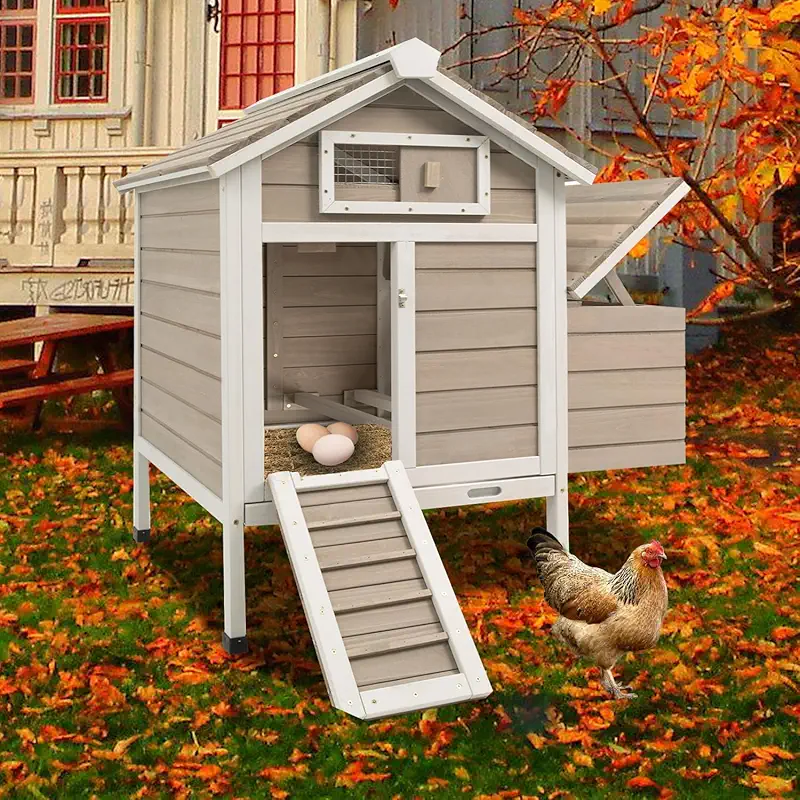
Evening lock-up
At dusk, I simply check that all hens are on the roost. In the smaller coop, there was always one poor bird on the floor or squeezed against the wall. In the XL wooden chicken coop, everyone finds a space without trouble.
I close the pop door, check that the locks are firm, and listen for a moment. Quiet clucks, a little shuffling, then silence. When the coop is right, bedtime feels like tucking in children, not like crowd control.
Common mistakes I see with XL wooden chicken coops
Friends and neighbors often ask me to look at their new coops. Many of them picked an XL model, but still run into problems. These are the most common issues I notice and how you can avoid them.
Trusting the “number of chickens” label
As I said before, treat those numbers with caution. If a coop says “up to 10 chickens”, I usually think “6 or 7 comfortable hens”. It is kinder to under-fill a coop than to push its limit, especially if you live in a place with long winters or hot summers.
Forgetting about predator protection
An XL wooden chicken coop gives space, but it also looks like a big lunch box to foxes and raccoons. I walk around the coop and run and check:
- If the wire is strong and small enough to keep curious paws out.
- If doors and nest lids have proper latches, not just simple hooks.
- If the base touches the ground firmly, or if I need to add a skirt of wire against digging.
A few minutes with a drill and some extra screws on the first day can save many sad mornings later.
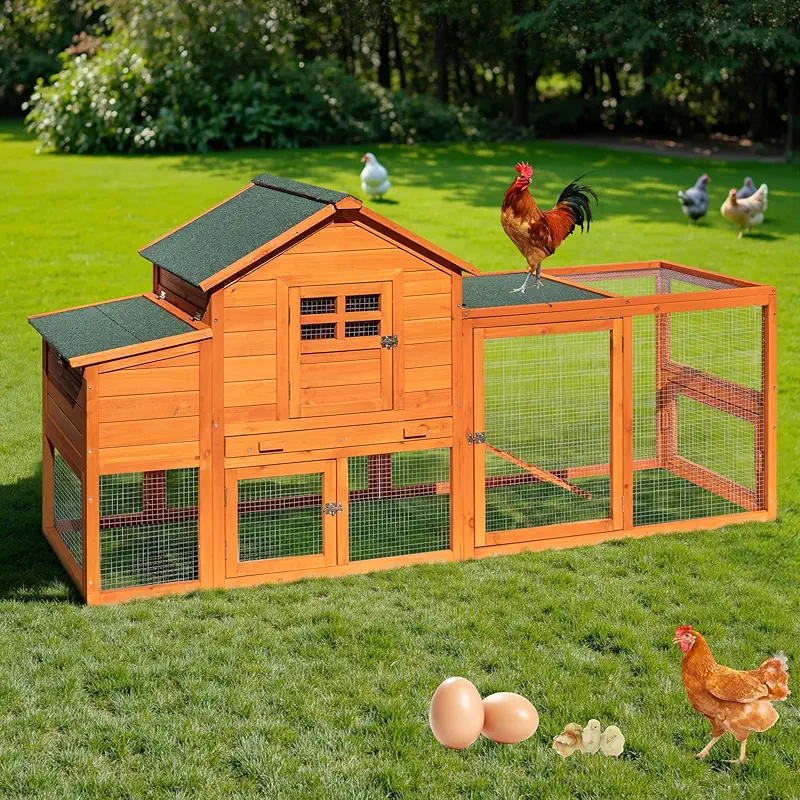
Placing the coop in the wrong spot
The best XL wooden chicken coop can still be hard to live with if it sits in the wrong place. I made that mistake once by putting a coop in a low corner of the yard. Every rain turned the run into sticky mud, and unhappy hens stared at me with muddy feet.
Now I always try to place the coop:
- On slightly higher ground so water runs away, not into the run.
- With some shade from a tree or fence, especially in hot climates.
- Within easy reach of water, electricity and my own back door.
Setting up your XL wooden chicken coop for a calm first night
Bringing chickens home to a new coop is exciting and a bit nervous, for you and for them. Over the years I developed a simple first-night routine that makes the move gentle.
Prepare the inside quietly
Before the birds arrive, I set up deep bedding in the sleeping area: usually pine shavings or chopped straw a couple of inches thick. I place feed and water in the run, not inside the coop, so nights stay dry and tidy.
I then check every corner with my hand, making sure no sharp nails, splinters or gaps are waiting for curious beaks.
Show them the roosts
On the first evening, I gently lift each hen and place her on the roost inside the XL wooden chicken coop. Some will hop straight down again at first. I calmly put them back once or twice. Usually by the third night they choose the roost themselves.
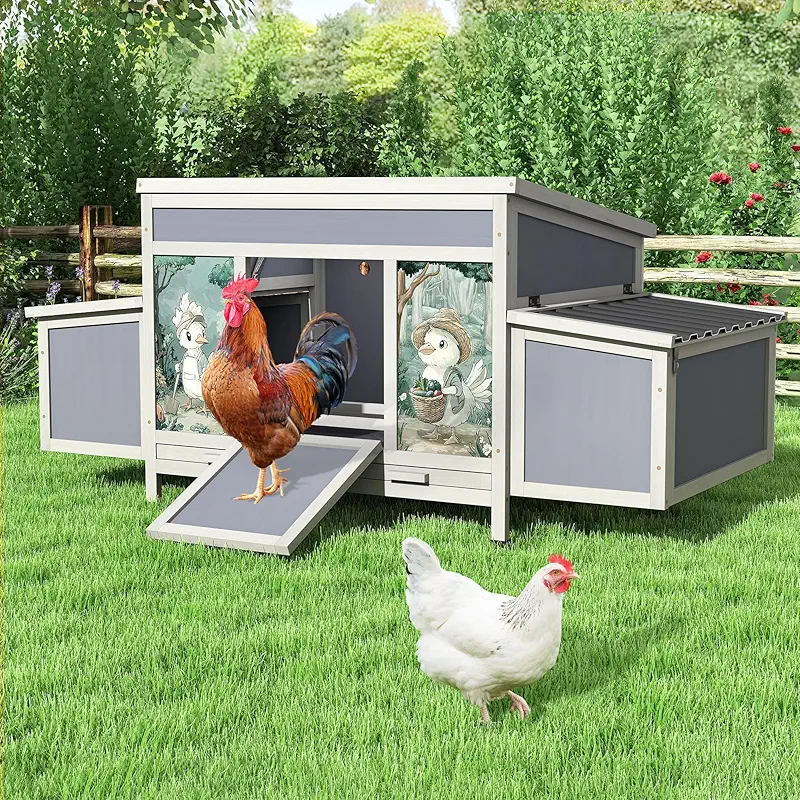
Give them a calm first week
For the first few days, I keep the hens in the coop and run, so they learn, “this is home”. Once they go in and out confidently, I start letting them explore a bit further. They will come back to the XL wooden chicken coop by themselves at dusk, because that is where they feel safe.
If you feel that a spacious, wooden home would fit your hens and your yard, you can take your time looking through different XL wooden chicken coop designs, check measurements and read how other keepers feel about them.
Let me compare calmlyI always suggest writing your flock size and climate on a piece of paper and keeping it next to you while you look. It helps your heart and your head make the choice together.