
Wooden shed chicken coop
How a simple wooden shed can turn into a warm, safe home where your hens feel loved, lay well, and grow old in peace.
I have raised hens for many years, in all kinds of homes. Wire cages, tiny hutches, improvised shelters. None of them felt right. Only when I moved my flock into a proper wooden shed chicken coop did I see them truly relax. Their feathers shone, they talked more, and they lined up calmly for bedtime like children who trust the house they live in.
Let me see ideas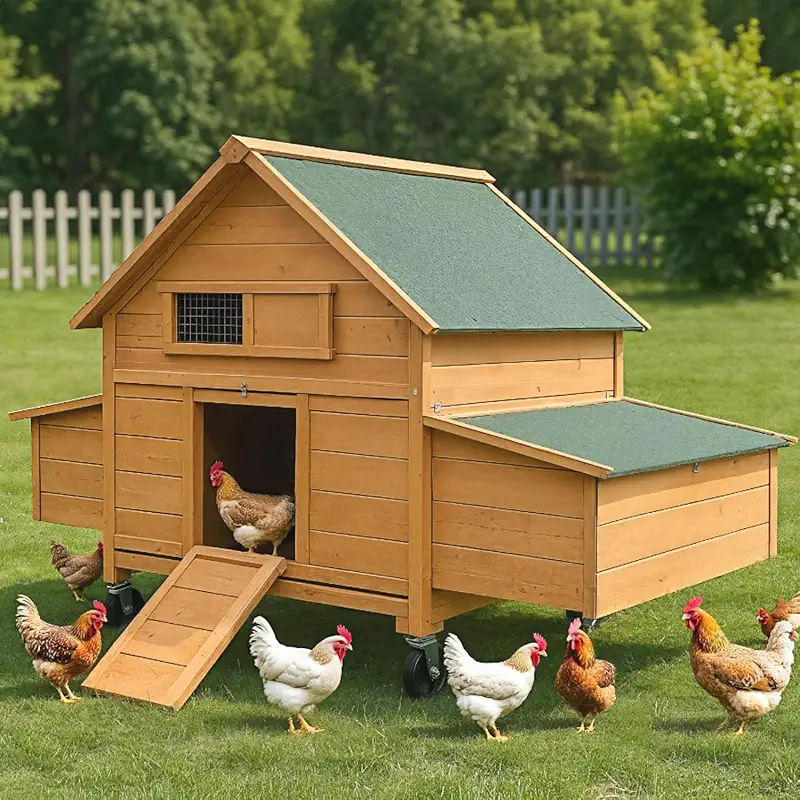
Why a wooden shed coop feels different for your hens
When you step into a wooden shed chicken coop early in the morning, before the sun is fully up, you feel something very gentle. The air is still, the wood has kept the night a bit warmer, and the hens are still sleepy on their perches, muttering soft little sounds. You open the door, let the fresh air in, and they blink at you like they know they are safe.
A good coop is not just a box to keep chickens in. It is a small house that protects their bodies and calms their minds. Wood does this better than bare metal or thin plastic. It breathes a bit. It holds warmth. It softens noise from the outside. When rain hits the roof, it sounds like a gentle drum, not a loud panic.
Over the years, I have noticed that my hens in a sturdy wooden shed coop:
- Go to bed more calmly, without fighting for a place.
- Lay more regularly, especially in autumn and early spring.
- Recover faster after a cold or stressful day.
- Show fewer signs of fear when a dog barks or a storm comes.
I honestly believe they can feel when we have put thought and care into their home. When I choose a coop now, I ask myself one simple question: “Would I feel okay sleeping in here on a cold, windy night if I were their size?” If the answer is no, then I keep looking.
Key things I look for in a wooden shed chicken coop
When friends visit and ask for advice about a wooden shed chicken coop, they usually start with the same questions: “How big should it be?” “Will it be hard to clean?” “Is it warm enough in winter?” I have made mistakes with each of those things, so let me share what I learned, gently and simply.
1. Enough honest space, not wishful numbers
Many coops are sold with cheerful promises like “up to 10 hens”, but when you look inside, you know in your heart it would be cruel to keep 10 hens in there. I always count less than the label says. For a wooden shed style coop, I try to give:
- At least 4 square feet (0.37 m²) of indoor space per standard hen.
- At least 8 square feet (0.75 m²) of run space per hen, more if possible.
I once kept eight hens in a space that was really only cozy for five. They bickered more, pulled feathers, and some started to sleep in nesting boxes because the roosts felt too crowded. When I moved a few hens out to a second coop, the fighting stopped within days. Now I always choose a coop size for the number of hens I have, not the number I wish I could fit.
2. Solid wood, not cardboard in disguise
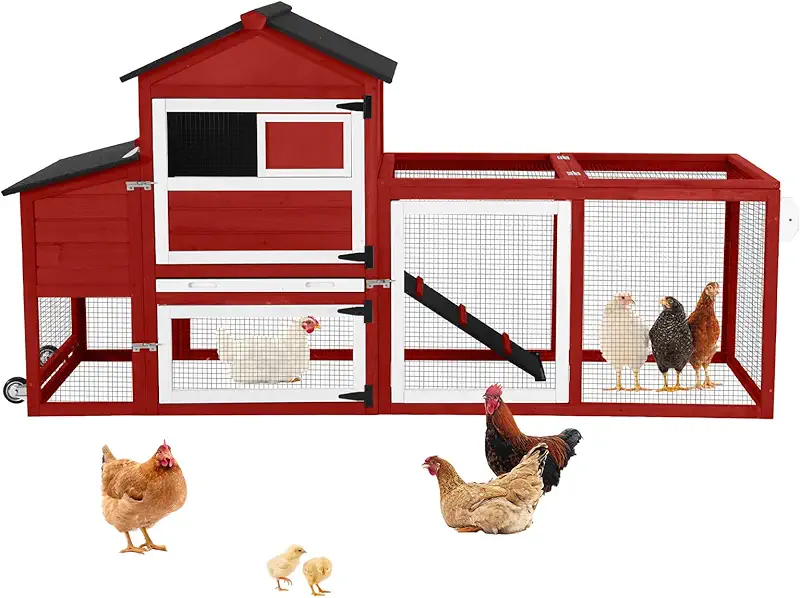
Some wooden sheds look lovely in pictures but feel soft and hollow in real life. If I can press a thumb into the wall and it bends, I walk away. Thin wood warps with the first wet season. Doors stop closing well. Drafts creep in. Mice find paths.
For my hens, I prefer:
- Walls made from thicker panels that feel firm when you knock on them.
- A roof that overhangs a bit, so rain drips away from the walls.
- Wood that is treated or painted safely, so it lasts but does not bother the birds.
The smell of real wood inside a coop is also softer than raw metal. On damp mornings, it reminds me a bit of old barns and hay, and the hens seem calmer in that kind of air.
3. Easy cleaning so you do it often, not just when you “have to”
I learned this the hard way with my first coop, which had a tiny door and corners where my arm could not reach. I delayed cleaning because it was a struggle every time. The litter became damp, the smell changed, and the hens started to cough and sneeze a bit. I still feel guilty when I think of it.
Now I always insist on:
- A human-sized door or large panel that opens wide at the front.
- At least one removable tray under the roosts for easy daily scraping.
- Simple, smooth floors with no deep cracks where mites can hide.
If cleaning your wooden shed chicken coop takes only a few minutes and does not hurt your back, you will keep it nice without feeling burdened. Your hens will thank you with bright combs and steady laying.
4. Ventilation: fresh air without harsh drafts
Many people worry most about warmth in a coop and forget about fresh air. But chickens breathe out a lot of moisture. If that moisture stays trapped, bedding becomes damp and ammonia builds up. That is what stings your nose when you walk into a poorly vented coop.
In my wooden shed coops, I look for:
- Vents or windows high up under the roof, protected with wire mesh.
- At least one window or vent that can be opened more during summer.
- A door that closes snugly at night so air flows above the hens, not across them.
On cold winter nights, I still keep a small vent open near the roof. I would rather my hens be a little cool in dry, clean air than warm in dampness that harms their lungs.
Planning your coop around your daily routine
A wooden shed chicken coop is not only for your hens. It is for you too. You will visit it every day, maybe more than once. The way the doors open, where the nest boxes sit, how the roof handles rain – all of this shapes your mornings and evenings.
When I help someone choose a coop, I ask them to close their eyes and imagine a full week of tending their flock:
- How will you open the coop on a dark winter morning when the ground is wet?
- Where will you stand to collect eggs if you are tired after work?
- Can a child or smaller person close the latches and reach the roosts?
- Where will you put a bucket, feed sack, or bale of shavings?
A little thought now saves many small frustrations later. A wooden shed style coop gives you more “house-like” space to move around in, which is gentle on your body, especially as the years go by.
Little details my hens quietly appreciate
Hens do not use words, but they speak clearly with their bodies. Over time, I noticed small changes when I added certain comforts to their wooden shed chicken coop. These details are simple, but they add a lot of peace.
Gentle roosts at the right height
Sharp or thin roosts hurt their feet. I like sturdy, rounded perches about the width of my hand. I set them a bit higher than the nest boxes, but not so high that an older hen struggles to jump up. When I got the height right, my oldest hen, Clara, stopped sleeping in the nest and returned to the roost with the younger ones. It felt like seeing a grandmother join the family on the sofa again.
Quiet, dim nests they feel safe in
Hens lay best when they believe their eggs are hidden and safe. In a wooden shed coop, I like nest boxes that:
- Are a little darker than the main coop area.
- Have a small lip to keep straw and eggs from rolling out.
- Are low enough that a hen can step in gently, without jumping high.
Once I hung a thin curtain of fabric in front of a bright nest area. The hens took to it in days, and I suddenly had a tidy row of eggs instead of random ones dropped on the floor.
Protected run space for rainy or snowy days
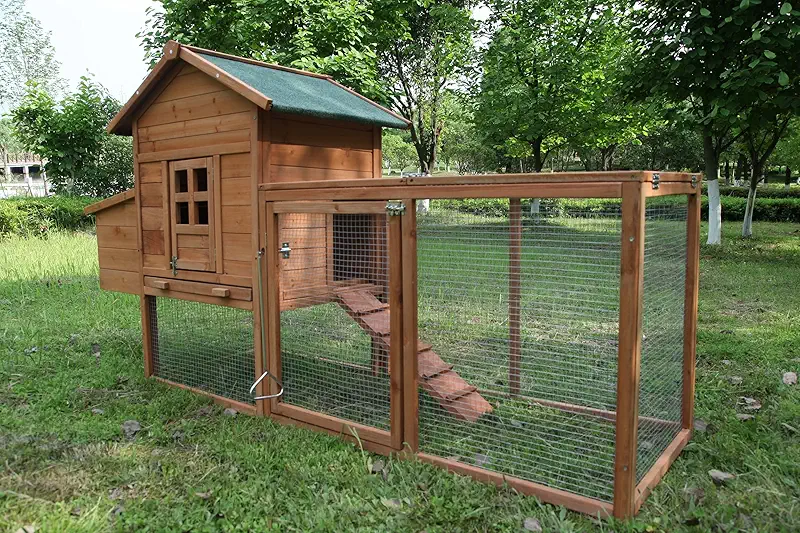
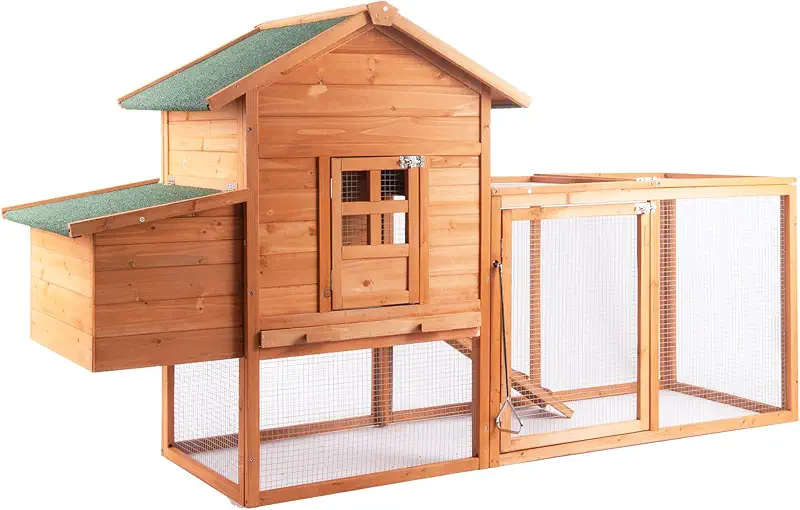
A wooden shed chicken coop feels even more complete when the attached run gives shelter from wind and rain. Chickens often want to be outside, even in bad weather, but they do not like to be soaked or buffeted by wind.
I look for runs with:
- At least part of the roof covered with solid material.
- Some side panels or boards to break strong winds.
- Wire buried or folded outward at the base to slow digging predators.
My birds spend many winter days scratching under a dry section of run while snow falls just beyond the roof edge. They shake their feathers, talk softly, and seem pleased with themselves.
My gentle daily routine inside the wooden shed chicken coop
People often imagine keeping chickens takes a lot of time. In truth, a well‑designed wooden shed coop makes the work smaller and sweeter. Here is how a simple day looks for me.
Morning: quiet check‑in and fresh air
I start by opening the main door of the coop just a little, enough for my hand to slip in so they hear my voice before the burst of daylight. I say the same words every morning, soft and slow. The hens shift on their perches and begin their gentle clucking.
Then I:
- Open the pop door to the run.
- Scrape the droppings tray under the roosts into a bucket.
- Stir the bedding lightly if it looks packed down.
- Check food and water without making sudden movements.
Because my wooden shed chicken coop is laid out simply, this takes less than ten minutes. Yet in that time, I see each hen, notice who is a bit slow, who looks extra bright, who might need attention.
Evening: calm counting and safe closing
At dusk, I visit again. I stand in the doorway and let my eyes adjust to the dim light. One by one, I count the hens on the roosts. If someone is on the floor, I gently lift her and place her beside her sisters.
I check:
- That the nests are not being used as beds.
- That all windows and vents are set right for the weather.
- That the latch on the pop door is secure against curious raccoons.
When everything is settled, I tell them goodnight. It may sound silly, but I believe they understand the tone of my voice, if not the words.
Wooden shed chicken coop – questions I hear most often
Is a wooden shed chicken coop warm enough for winter?
In most places, yes, if it is built thoughtfully. Chickens wear natural down jackets. They cope better with cold than with damp drafts. What they need is a dry, sheltered space with gentle ventilation, deep bedding, and no sharp winds at roost level. In very cold regions, some people add extra insulation or hang heavy cloth along the walls. I avoid strong heaters because they can be risky and make the birds less used to natural weather changes.
How many hens can I keep in a wooden shed coop?
This depends on the size of the shed, but I always aim for more room than the bare minimum. For the indoor coop area, 4 square feet per hen is a kind standard. If your shed is 6 × 8 feet (48 square feet), I would keep around 8–10 hens at most, and only if they have a good‑sized run or pasture as well. If you want calm, friendly birds and easy cleaning, generous space is a true kindness.
Will a wooden shed chicken coop attract mites or pests?
Wood itself does not attract mites, but cracks and damp corners can give them hiding places. I reduce the risk by using smooth boards inside, sealing major gaps, and keeping the coop as dry as I reasonably can. A quick weekly inspection of roosts and corners, plus regular cleaning, keeps most problems small. If I ever find mites, I act calmly but quickly with safe treatments and fresh bedding, without blaming the hens or the wood.
Do I need a concrete floor under my wooden shed coop?
Not always. Many wooden shed chicken coops sit on raised wooden floors. What matters most is that the floor stays dry and safe from digging animals. If you place a shed directly on soil, I recommend strong wire mesh under the base or solid skirting around the edges. A raised wooden floor or concrete pad is easier to keep clean, but many backyard keepers manage well with a simpler setup, as long as they watch for damp and burrows.
How long will a wooden shed chicken coop last?
With kind care, a wooden shed can serve your flock for many years. My oldest wooden coop is over a decade old. I check the roof each year, repaint or seal the outside when the color fades, and repair small issues before they grow. Think of it as looking after a little wooden boat: if you respect it, it will keep your precious passengers safe for a long time.
Choosing a coop with a calm heart
In the end, picking a wooden shed chicken coop is not about chasing the fanciest design. It is about quietly matching your hens’ needs with your own daily life and budget. When you look at a coop, try to see it through their eyes and yours at the same time. Can they rest in peace? Can you care for them without strain?
Every board, every latch, every little window is a small promise you make to your birds. A good wooden shed coop keeps those promises day after day, through sunshine, storms, and years of gentle clucking.
If you feel ready to explore different shapes and sizes, and imagine your own hens moving softly through them, you can look through some carefully chosen options here.
I’ll quietly explore