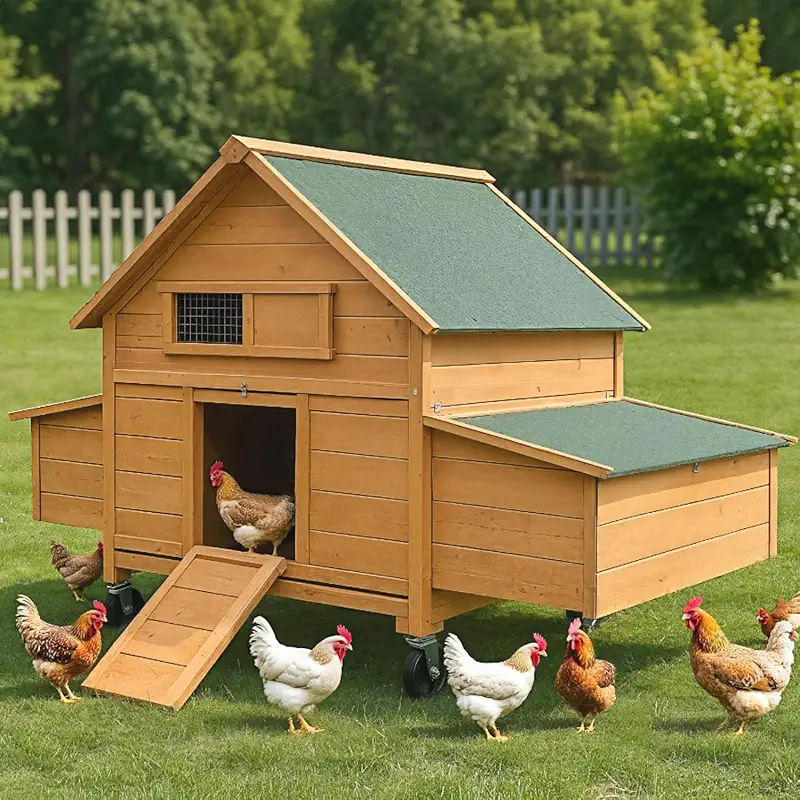
Wooden door for chicken coop
Wooden door for chicken coop
When I close the coop at night, I always rest my hand for a moment on the wooden door.
If it feels solid, warm and safe, I know my hens can sleep without fear.
A good wooden door for chicken coop is not just a board with hinges.
It is the quiet guardian between your flock and the outside world.
On this page I share what has worked for my own hens over the years, and some wooden doors and kits
you can check out if you want to make your coop safer and easier to manage.
Let me see ideas
I have lived with chickens long enough to know this: whenever something goes wrong with the coop door,
it happens at the worst possible time. One winter evening, a cheap latch failed on my old wooden door.
I found fox tracks at the gate the next morning. My girls were safe only because I had also put a heavy
wooden bar across the door out of habit. That day I promised myself that my coop doors would never be
an afterthought again.
Since then I have tried many ways to build and improve a wooden door for chicken coop: thick doors,
light doors, sliding and swinging, with and without automatic openers. In this guide I want to stand
next to you, like an older neighbor at the fence, and explain in plain words what really matters when
you choose or upgrade a wooden coop door.
What a good wooden coop door really does for your flock
When we say “door”, we often think about convenience for us: easy to open, not too heavy, not in the way.
For chickens, a wooden door for chicken coop has a different meaning. It means:
- Nighttime safety from foxes, raccoons, weasels, dogs and rats.
- Protection from cold wind, driving rain and snow.
- A familiar entrance that feels calm and predictable.
- Enough light and fresh air, without letting drafts hit their roosts.
When you keep these four things in mind, it becomes much easier to decide what kind of wooden door will
work best for your coop and your daily routine.
My simple “door test” at night
Every evening I do the same little ritual. I close the wooden door for chicken coop, push gently
around the edges, then try to wiggle it like a curious predator would. If I can make it move or rattle,
I know I still have work to do. A good door should feel like part of the wall, not like a loose lid.
Types of wooden doors for chicken coops
There is no single perfect style. The right wooden door for chicken coop depends on how your coop is built,
where it stands, and how you like to care for your flock. Here are the three styles I see most often in real backyards.
1. Classic hinged wooden door
This is the simple “house door” style on hinges. I still use one on my main coop.
It swings open, so I can enter to clean, feed and check the hens. When built right,
it feels very solid.
- Best for: people who like to walk into the coop.
- Needs: strong hinges, good latch, maybe a second safety latch.
- Watch out for: wind catching the door, swelling wood in wet seasons.
2. Vertical sliding “pop door”
This is a smaller wooden door used just for the chickens, often called a “pop door”.
It slides up and down in side tracks. Many automatic door openers work with this style.
- Best for: small to medium flocks with a separate human door.
- Needs: smooth tracks, a secure stop so it cannot be lifted by predators.
- Watch out for: tracks clogging with straw, ice or dirt.
3. Horizontal sliding door
Less common, but useful where there is little room in front of the coop.
The door slides sideways on a simple rail or in a groove.
- Best for: tight spaces and windy areas.
- Needs: very straight frame, a way to lock both ends.
- Watch out for: warping that makes it hard to slide.
I like to pair a small sliding wooden door for chicken coop with a solid main door on hinges.
This way the hens use the small door daily, and I still have full access when I need to step inside.
Helpful wooden door kits and parts to explore
If you are not in the mood to cut boards and measure everything from scratch,
there are ready-made wooden doors and hardware kits that can save you time.
I still enjoy building doors by hand, but as I get older I respect my back more,
and I do not mind letting a factory do part of the work.
Below are different ways you can improve or replace a wooden door for chicken coop using
ready-made pieces you can browse online.
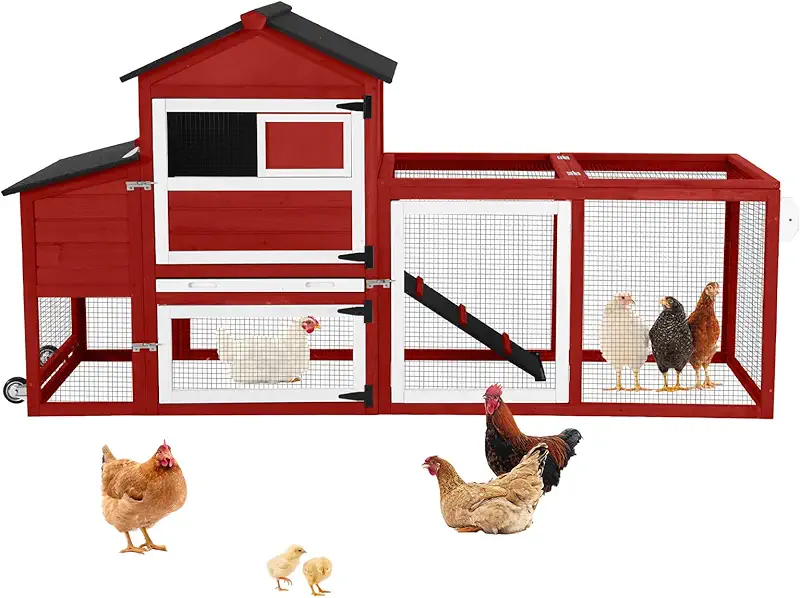 Ready-made pop door
Pre-built sliding wooden chicken door
A small wooden pop door with tracks already attached can be a gentle way to upgrade an old coop.
You cut the opening, screw the frame on, and your hens suddenly have a safer entrance.
Simple, sturdy daily entrance
I like these for younger keepers who want a clear, straightforward project.
This might work
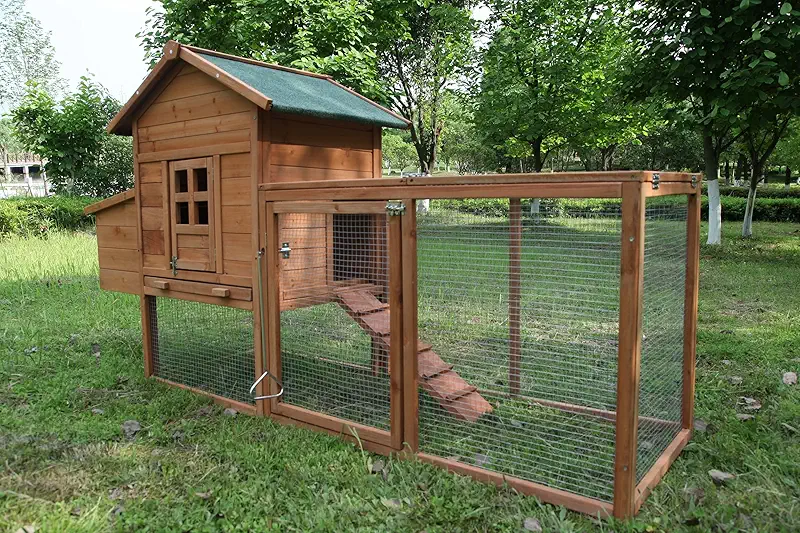 Door + opener
Wooden door kit with automatic opener
For those early winter mornings, a wooden pop door paired with an automatic opener feels like a blessing.
The wood keeps the coop cozy, the opener lets your girls greet the sunrise while you stay under the blanket.
Comfort for you and your flock
I still go out to check on them, but not at freezing dawn every single day.
I want this ease
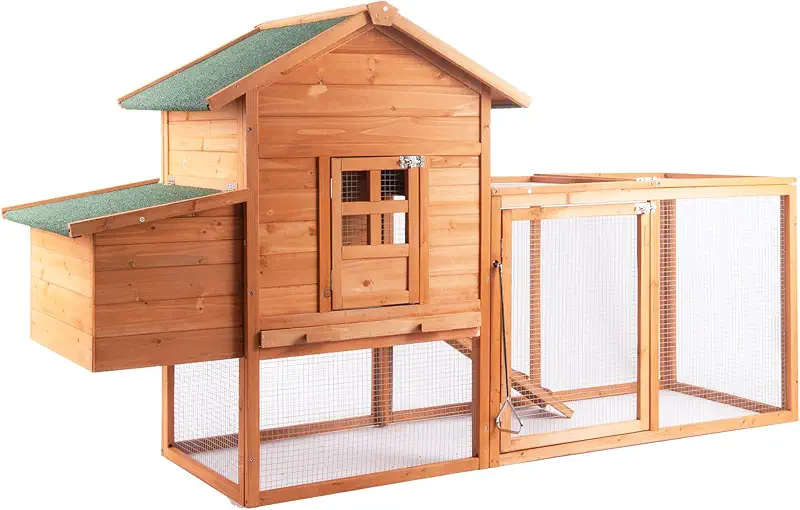 Hardware set
Heavy-duty hinges, latches and handles
Sometimes your wood is fine, but the weak point is the hardware. Strong hinges and latches turn an
ordinary wooden door for chicken coop into a serious barrier against nosey critters.
Small parts, big difference
I always keep a box of spare latches and screws in the shed “just in case”.
Strengthen my door
You can find variations of all these ideas when you browse through different wooden door for chicken coop products
on the web. Look at the photos closely: how thick does the wood seem, how the latch is mounted,
whether the corners line up neatly. These small details tell you a lot about how the door will behave
after two winters and a few curious raccoons.
How to choose the right wooden door size and thickness
New keepers often ask me: “How big should the door be?” The answer depends on who needs to fit through it.
Size for the chicken opening (“pop door”)
For regular hens, a pop door around 9–12 inches wide and 10–14 inches tall works well.
My medium-sized hens walk easily through a 10 x 12 inch opening. Big breeds like Brahmas may prefer
closer to 12 x 14 inches.
- Small bantams: 8 x 10 inches can be enough.
- Standard layers: 10 x 12 inches is a sweet spot.
- Large heritage breeds: aim a bit taller, about 12 x 14.
Too small and they will bunch up and hesitate at the doorway. Too large and you give predators and cold wind an easier path in.
A balanced wooden door for chicken coop should feel just roomy enough.
Size for the human access door
For the main human door, think about cleaning days. You might want room to carry a bucket, rake or even a small wheelbarrow.
A height of at least 5 feet is kind to your back, even on a small coop, and 24–30 inches width is usually comfortable.
How thick should the wood be?
In my climate with cold winters, I like a door that is at least as thick as the coop walls,
usually around 3/4 inch boards. In milder areas, 1/2 inch tongue-and-groove boards can also do fine
if the frame is solid and well braced.
- Make sure the door does not flex easily when you push the middle.
- A cross brace in a “Z” shape helps prevent sagging on larger doors.
- Use exterior-grade wood or protect it with a safe outdoor finish.
Keeping predators out with a strong wooden door
I always say: predators are patient engineers. They test every weak point.
A wooden door for chicken coop does not need to be fancy, but it does need to be smarter than they are.
What predators usually try first
- Pulling or lifting at the bottom edge of the door.
- Working at a simple hook latch with paws or nose.
- Chewing or scratching at soft or rotting wood.
- Finding gaps where wood has warped away from the frame.
I once watched a raccoon on a trail camera spend ten minutes on my old coop door.
It checked each corner, pulled on the latch, even tried to slide a claw into a tiny crack.
That video changed how I think about every latch I install.
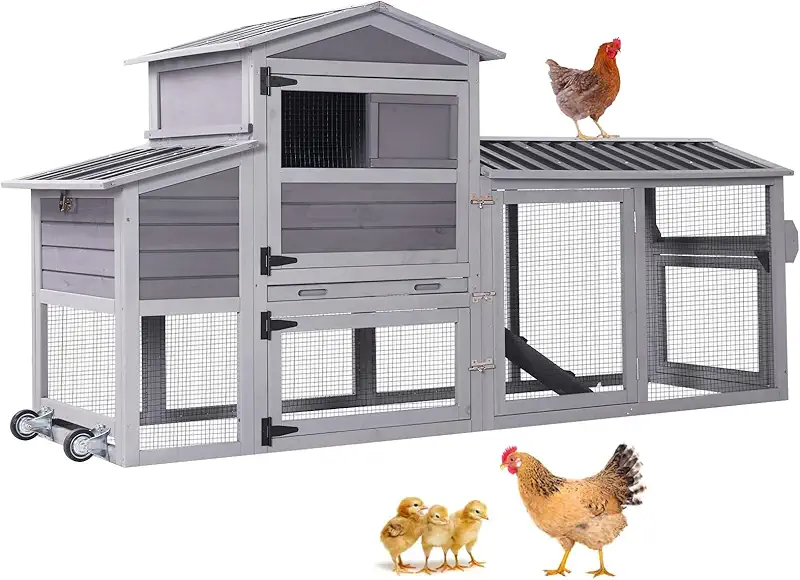
When you look at wooden coop doors online, pay attention to how they close against the frame.
Tight, straight edges and firm latches are worth more than fancy decorations.
Easy upgrades that make a big difference
-
Two-step locking: I use a main latch plus a carabiner clip or padlock.
This simple second step beats curious paws.
-
Board across the bottom: A removable wooden bar that rests in metal brackets
across the bottom of the door can stop predators from pushing inward.
-
Metal edge guards: A thin strip of metal along the bottom edge prevents chewing and wear.
-
Solid frame behind the door: Screwing a firm frame inside the coop, right behind the door,
gives the latch something strong to grab.
When you choose hardware or a pre-built wooden door for chicken coop, imagine yourself as the predator.
Where would you try to pry or pull? If the answer is “nowhere, it feels snug”, you are on the right track.
Ventilation, light and comfort around the door
A solid wooden door keeps the coop calm at night, but your hens still need fresh air and some gentle light.
The trick is to give them that without creating a draft straight across their roosts.
Little touches that keep the coop pleasant
-
Add a small, high window near the door with hardware cloth and a simple shutter.
You can open it on warm days and close it in storms.
-
Place the roosts higher than the pop door, so cold air sinks and warm air stays with the birds.
-
Use a threshold board at the bottom of the door to hold bedding inside and block drafts.
My favorite wooden door for chicken coop has a little half-moon window at the top.
In the morning, I see a soft glow through it even before I step outside.
It is a small thing, but it makes the coop feel like a real little home.
Building or installing your wooden coop door: a calm step-by-step
Whether you are using a ready-made door panel or building from loose boards,
the steps have the same quiet rhythm. There is no need to rush; your hens will forgive a day of noise
for many seasons of safety.
- Plan the opening. Mark where the wooden door for chicken coop will sit.
Check that snow, mud or rainwater will not pool in front of it.
- Frame the hole. Use straight, dry boards to frame the opening.
This frame is the “backbone” for your door.
- Attach hinges to the door first. This makes it easier to place them neatly on the frame.
- Hang the door and test the swing or slide. Open and close it several times.
Listen for scraping and look for spots that stick.
- Add latches and safety features. Think about both predators and children:
it should be secure but still easy for you to open.
- Seal the wood. Use a coop-safe outdoor finish or paint on the outside surfaces.
When installing a pre-built wooden pop door, the maker usually provides measurements.
Take your time marking and cutting the hole. I always cut a bit smaller than planned and trim slowly
until the fit is snug.
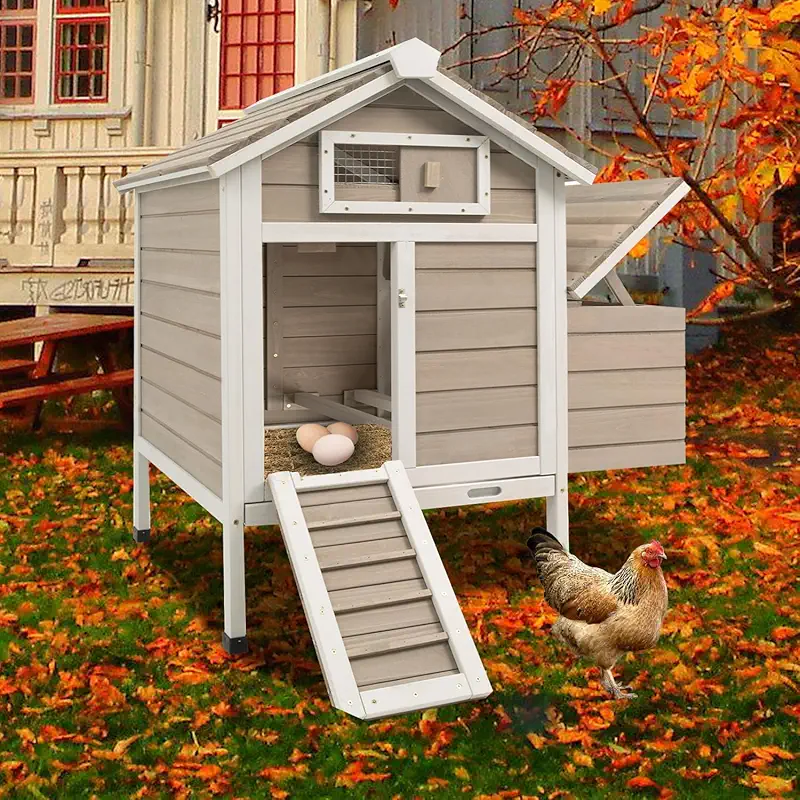
Hardware kits can save time and guesswork, especially if this is your first serious coop project.
When to use a kit instead of starting from scratch
I still love the smell of fresh-cut wood, but there are seasons in life when time or strength
is short. A pre-made wooden door for chicken coop or a hardware kit can be a kind gift to yourself.
You still bring care and intention; you just skip some of the sawdust.
If you like the idea of that, you can look through different wooden door and hardware options
online, compare pictures, and choose something that feels right for your flock and your budget.
I’ll browse calmly
Taking gentle care of your wooden coop door through the seasons
Wood is alive in its own slow way. It swells in the rain, shrinks in dry heat, and slowly weathers in the sun.
A little seasonal care keeps any wooden door for chicken coop working smoothly year after year.
My simple seasonal routine
- Spring: tighten loose screws, oil the hinges, check for winter cracks.
- Summer: make sure the wood is not drying and splitting; add shade if the door bakes in full sun.
- Autumn: re-check latches, add extra weather-strip if you feel cold air sneaking in.
- Winter: keep snow and ice from building up around sliding tracks or thresholds.
I like to think of it as thanking the door for another season of quiet work.
A few minutes with a screwdriver and a small oil can now and then can save you from a stuck door
on the first icy night.
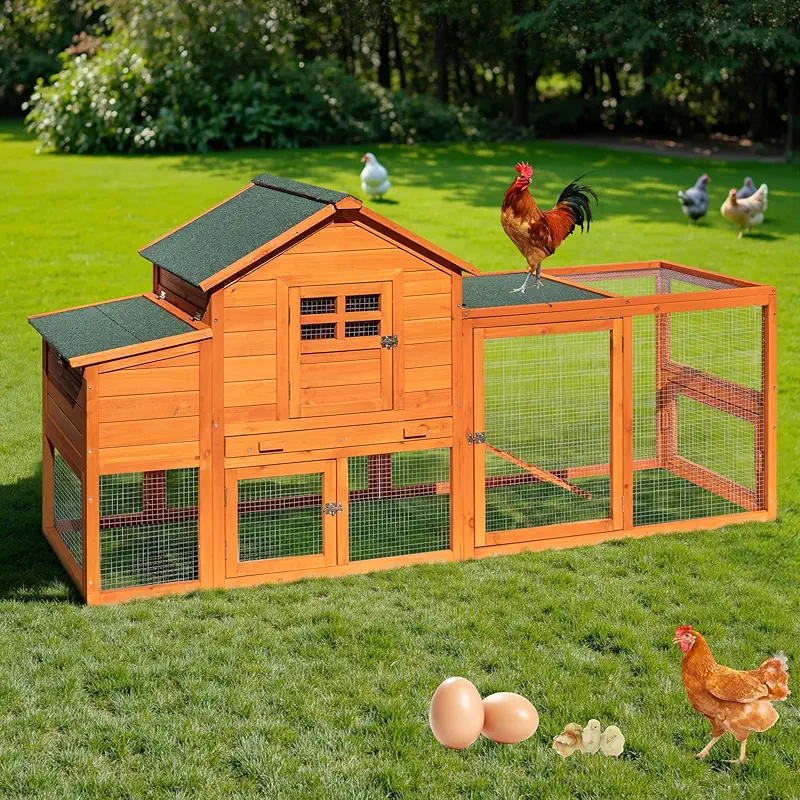
On older coops, I sometimes add a second lighter inner door with wire mesh for hot nights,
and keep the main wooden door open. That way the hens stay safe but enjoy the breeze.
Let your door match your way of caring for chickens
At the end of the day, a wooden door for chicken coop is not about perfection.
It is about harmony between your habits, your climate and your birds.
Some of my most reliable doors are not the prettiest ones.
They are simply honest pieces of wood, hung straight and checked often.
Ask yourself:
- Do I want to be there every sunrise and sunset, or do I need help from an automatic opener?
- Is my weather mostly mild, or do I face real storms and frost?
- Do I prefer to build from raw wood, or do I feel calmer using a pre-made door or kit?
Once you answer these, the right door style usually becomes clear.
Then you can look through different wooden door for chicken coop options and notice which ones quietly
make you think, “Yes, that would make my hens feel safe.”
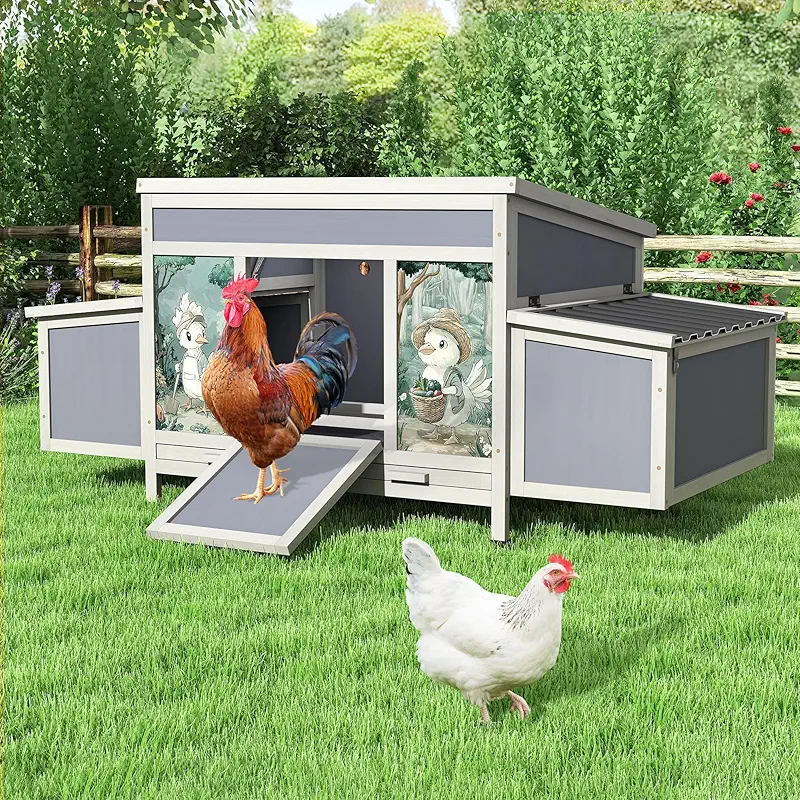
If you feel like exploring more wooden coop doors, pop doors, hardware and openers,
take your time, look closely at the details, and choose with the same care you give
when you hold one of your hens in your hands.
I’ll look around now
FAQ about choosing a wooden door for chicken coop
1. Is a wooden door really safe enough against predators?
Yes, if it is built and installed well. The danger is not the wood itself,
but weak latches, loose frames and rotting boards. A thick wooden door for chicken coop,
with solid hinges and a two-step lock, is very hard for predators to defeat.
I have lost birds to many things over the years, but never through a door that was kept sound and tight.
2. Do I need an automatic opener for my wooden coop door?
You do not need one, but it can be a kind help. If your schedule, health or winter darkness
makes it hard to open and close the door at the same time every day,
an automatic opener on a small wooden pop door can reduce stress for both you and the hens.
I still check on mine, but I sleep easier on nights when I am late coming home.
3. Which wood is best for a coop door?
I like dry, straight, exterior-grade softwoods such as pine or spruce,
or cedar where it is easy to find. They are light enough to handle but strong when framed well.
Whatever wood you use, protect the outside face with a safe outdoor finish,
and avoid untreated chipboard or flimsy pallets for the main wooden door for chicken coop.
4. How can I stop my wooden door from swelling and sticking?
Leave a small even gap all around the door when you hang it, about the thickness of a coin.
Seal the top and bottom edges carefully, since those soak up moisture first.
If you live in a very damp climate, consider a slightly thinner door with a stronger frame,
so the structure, not the panel, carries most of the load.
5. What is the easiest upgrade if my current door feels weak?
Start with hardware. Replacing a flimsy latch with a heavy-duty one,
adding a second safety catch, or screwing a solid frame behind the existing
wooden door for chicken coop can transform its strength in an afternoon.
If the wood itself is soft or rotten, then it is kinder to your flock to plan a new door,
either one you build or a ready-made panel you install into the old opening.