
Wooden chicken run with roof
I spend more time with my hens than with most people. Over the years, I have learned one simple truth: a solid wooden chicken run with roof keeps them dry, calm and easy to care for. Let me share what has worked for my flock, so you can give your birds the same gentle comfort.
When I built my first covered wooden run, I did it after a week of cold, windy rain. My hens stood in the mud, feathers wet and tails low, and I felt like I had let them down. The new run changed everything. They stayed dry, the smell was better, and I could sit with them in the rain without feeling guilty or rushed.
- Dry feet and clean feathers even on rainy days
- Safe space from hawks, dogs and curious neighbors
- Easy daily care with less mud and less stress
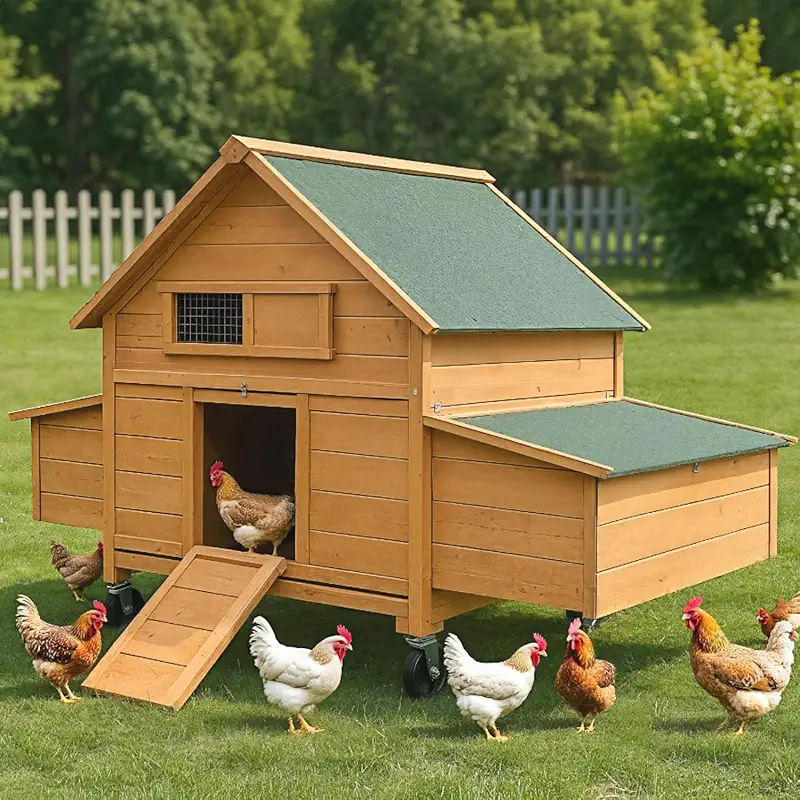
Why a wooden chicken run with roof feels kinder for your hens
I like to think of my hens as little old ladies in feather coats. They are tough, but they do not enjoy being cold, soaked or chased. A wooden chicken run with roof gives them a steady, gentle place where the weather and the world cannot bother them so much.
Wood is warm to the eye and touch. On winter mornings, when I walk out with my bucket of feed, the wooden posts of the run feel like part of the garden, not like a cage. The roof keeps the rain off my shoulders and off their backs. They scratch under dry bedding instead of kneading frozen mud.
When the wind picks up, my older hen Daisy always walks to the center of the covered run to settle down. She knows that under that roof she will not get dripped on, and she can keep her body heat better. That is the quiet sort of comfort I want for all my birds.
I have tried open runs with only wire, and I always ended up feeling bad when the weather turned rough. A roof changes the way your birds behave. They come out sooner after sunrise, dust bathe more often, and are simply more relaxed. When hens feel safe and dry, they lay more steadily and they age better.
Key things I look for in a wooden chicken run with roof
1. Enough room to walk and stretch
Over the years I learned that crowding birds always leads to trouble. Feather picking, bullying and stress start quietly and then become big problems. I like to give at least 10 square feet of run space per hen when possible.
If space is tight in your yard, do what I did in my old small garden: go a little taller and use a narrow but longer shape. A taller wooden run lets you add branches and levels, and hens enjoy hopping from perch to perch.
2. A roof that really keeps things dry
The roof is the heart of a wooden chicken run with roof. I have tried clear panels, metal sheets and wood with shingles. What matters most is that it slopes enough so rain does not sit and that the edges protect the sides.
I like a roof that hangs a bit over the wire walls. This keeps most of the rain off the edges and gives the hens more dry ground. On my windiest side I stapled heavy plastic and later added wooden boards to block sideways rain. The hens quickly learned that side as their favorite quiet corner.
3. Safe wire and sturdy wood
I have lost birds in the past to foxes and dogs. It hurts more than I can describe. Now, when I look at any wooden chicken run with roof, I pay close attention to the wire and the frame. I prefer hardware cloth or tight mesh, not thin, wide chicken wire alone.
Sturdy wooden framing also matters. I want posts that do not wobble when I shake them and joints that are screwed, not just stapled. Over time, a solid frame keeps the door straight and the roof in place, even when snow or branches fall on it.
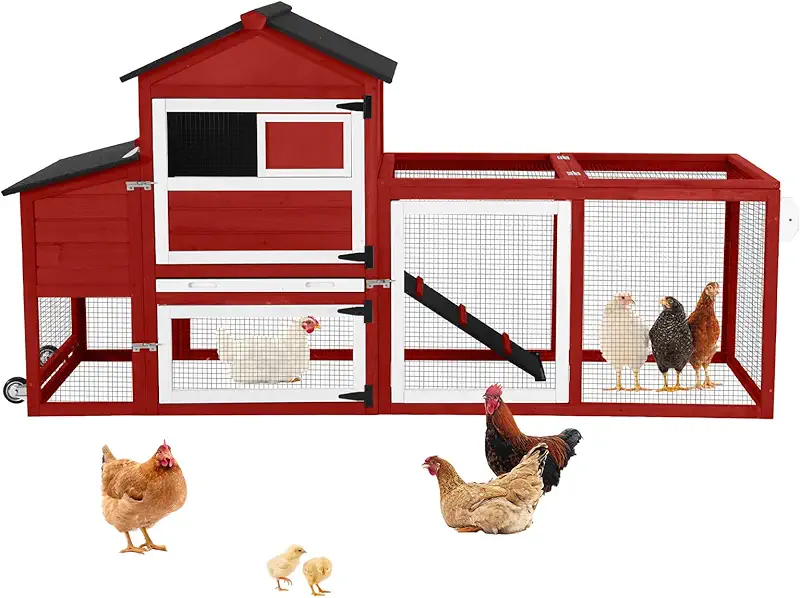
This style of covered wooden run works well if you want a simple, tidy structure that sits neatly along a fence or boundary.
4. Easy door and cleaning access
When I was younger, I built a run that you could not walk into. I had to crawl on my knees to catch a hen. I will never do that again. Now I choose designs where I can step inside with a rake and a bucket without bending too much.
A good wooden chicken run with roof should let you move easily, hang a feeder, and clean the floor in a few minutes. I like wide doors and simple latches I can open even with cold fingers. I also choose runs where I can see into every corner so I notice if a bird is hiding or not feeling well.
How a wooden chicken run with roof changed my daily routine
My mornings used to start with wet boots. I would walk out, step into the open run and sink into mud. The feeder was damp, the water dirty, and the hens looked annoyed. I rushed through chores because I was uncomfortable.
After I built my first proper covered run, everything slowed down. My boots stayed dry under the roof. The feed and bedding stayed clean. I began to stay a little longer each day, just watching my hens scratch and murmur to each other. That quiet time became one of the calmest parts of my day.
When winter came, I simply added extra straw and a bit of clear plastic on the windy side of the wooden chicken run with roof. On snowy days, the birds still had space to move, stretch and dust bathe in dry soil I had stored in a box. Their combs stayed bright red, and I had far fewer health issues.
In summer, the same roof that kept off the rain became shade. I planted a grape vine along one side, and now in late summer the vine climbs over the frame, adding dappled shadows. The hens rest under that living curtain in the afternoon, quietly panting less than they did in full sun.
I want this calm tooDifferent types of wooden chicken runs with roof
Not every yard or flock is the same. Over the years I have used small movable runs, longer walk-in ones, and big shared structures for mixed flocks. Here are the main styles I see and what I like about each.
Compact runs for small backyards
If you keep just three or four hens, a compact wooden chicken run with roof can fit beside a shed or along the side of a house. I kept my first trio of hens in a small covered run like this, and it worked well because I cleaned it often and let them out to supervised free range when I was home.
I look for:
- Roof solid enough to handle snow and wind
- Wire mesh small enough to stop rodents and small predators
- Door big enough for easy access with a scoop or small rake
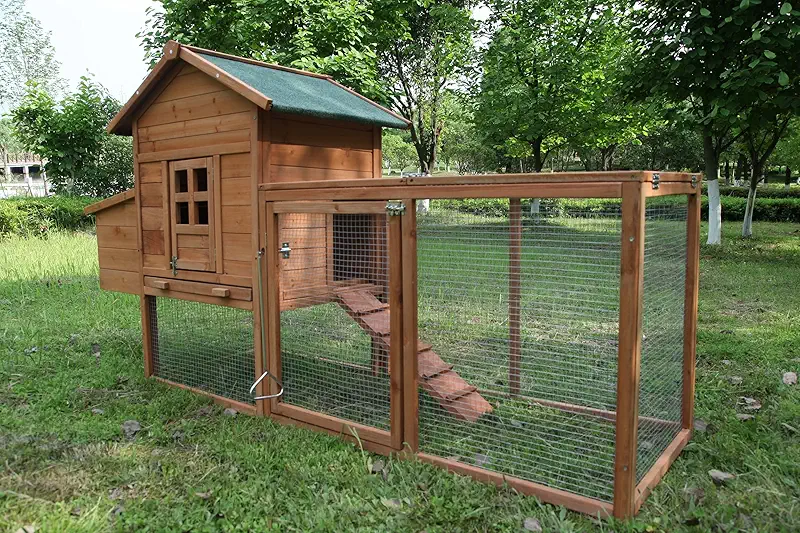
- Short footprint for tight spaces
- Raised shelter area with dry ramp
- Roofed run so feet stay off mud
I like this style for beginners who want something that looks tidy and is not overwhelming to manage.
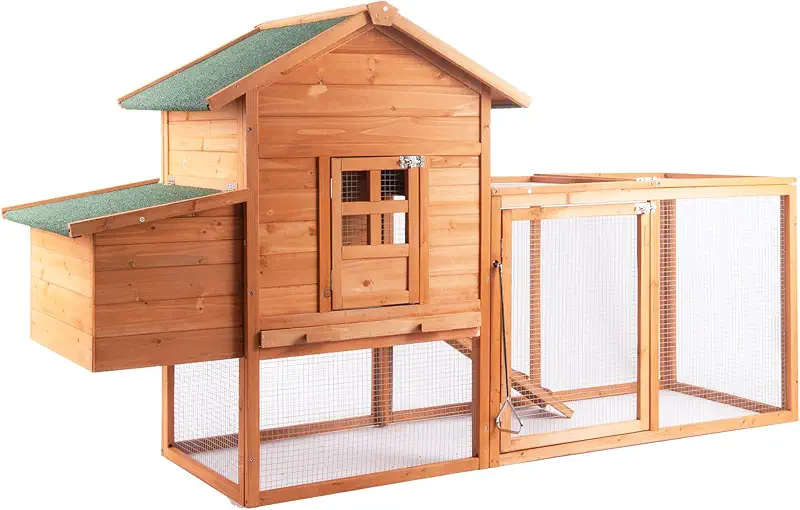
- Full-height door for easy entry
- Room to add perches and dust baths
- Simple to clean with a rake
This type suits five or more hens and keepers who want to walk in and spend time inside with the birds.
Walk-in runs for daily visits and bigger flocks
For my main flock, a walk-in wooden chicken run with roof has been the easiest to live with. I can step inside, check every bird, and do all my chores standing up. The hens learn that my visits are calm and regular, and they wait for me at the door in the morning.
A walk-in run also lets you create more interesting spaces: branches at different heights, a covered corner for shy hens, and even a bench for yourself. I often sit there with a mug of tea while the birds scratch around my boots.
Modular runs you can extend later
Sometimes a flock grows slowly. You start with three hens, then a neighbor offers you two more, and so on. In those cases, a modular wooden chicken run with roof, with panels you can add on, can be very helpful.
I like to start a bit bigger than I think I need. Chickens are like books and garden beds; somehow you always want just a little more. A modular design lets you stay kind to your birds without tearing everything down and starting over.
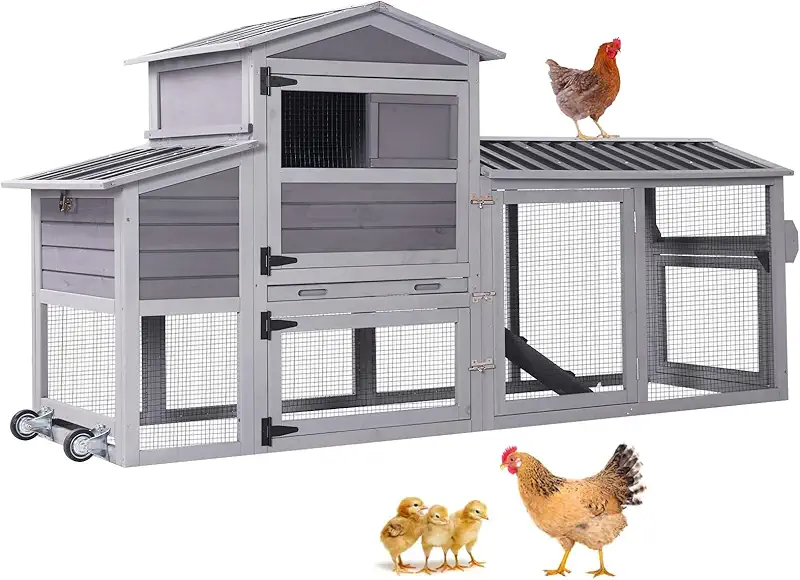
- Panel design for simple extension
- Consistent roof line for good drainage
- Easy to re-arrange along a fence
Ideal if you dream of adding a few more hens one day but want a neat run now.
Pros and cons of a wooden chicken run with roof
No setup is perfect. I want to be honest about what I enjoy and what has been a bit of work with my covered wooden runs, so you can decide calmly what fits your yard and your time.
What I love
- Hens stay dry and cleaner, which means fewer health issues and easier care.
- Daily chores feel nicer when you are standing under a roof instead of in the rain.
- Predators have a much harder time getting in when the top is solid.
- Feed and bedding last longer because they are not constantly soaked.
- The wooden frame looks natural in the garden and can be painted or stained.
What needs attention
- Wood needs checking once or twice a year for rot or loose screws.
- A covered run can feel warm in summer without shade cloth or plants.
- Snow load on the roof must be cleared in very heavy winters.
- Some designs are harder to move, so choose the spot carefully.
For me, the comfort and safety have always outweighed the small extra care a wooden chicken run with roof requires. But it is better to go in with open eyes and a calm plan than to rush into a structure that does not match your seasons.
Let me compare stylesPractical tips from my own wooden runs
Keeping the ground dry and sweet
Under every wooden chicken run with roof, the ground is where most of the life happens. Over time I arrived at a simple routine that keeps things smelling fresh and feels good under the hens’ feet.
I like to start with a base of coarse sand or small gravel for drainage, then add a thick layer of dry material like wood chips or shredded leaves. Once a week I toss a bit of scratch grain so the hens stir everything up. They do most of the work for me.
Every few months I take out the old bedding and add it to my compost. The covered run keeps it from spoiling with rain, and the mix of manure and carbon-rich bedding turns into a rich compost my garden loves.
Keeping air fresh without drafts
A wooden chicken run with roof should always breathe. Chickens do not like damp, still air. I use wire on the upper parts of the sides and solid boards only near the bottom where wind can hit them. In winter I sometimes add removable clear panels on the windiest side, leaving the top open for ventilation.
At night, I stand inside the run for a moment. If the air feels heavy or smells strong, I open another gap or remove some bedding. My nose is a good guide, and the hens repay me with bright, clear eyes and quiet sleeping sounds.
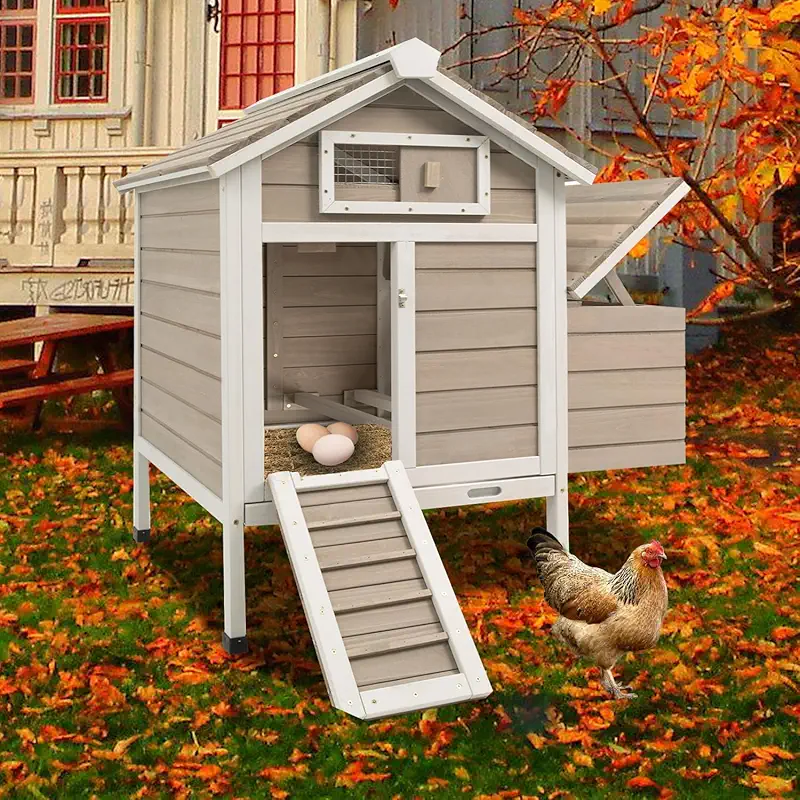
A dry, covered run floor with deep bedding becomes a soft, living surface where hens love to scratch all day.
Little details hens really notice
Over time I have seen how much my birds care about small things most people miss when they first choose a wooden chicken run with roof. Here are a few little touches my flock seems to love:
- A low perch inside the run, where older hens can rest their legs without climbing too high.
- A quiet corner, slightly shaded, where shy birds can step away from the others.
- A patch of loose soil in a dry box for dust baths, especially in winter when the ground outside is frozen.
- A spot where a bit of morning sun comes in under the roof, warming them gently after a cold night.
When I see a hen choosing the same cozy corner each day to preen her feathers in the light, I feel grateful that I took the time to build a covered wooden space instead of leaving them to the elements.
Examples of wooden chicken runs with roof I like
I cannot know your exact yard, but I can show you the sort of covered wooden runs that match different ways of keeping hens. Think about how many birds you have now, how many you might want in two years, and how often you like to visit them.
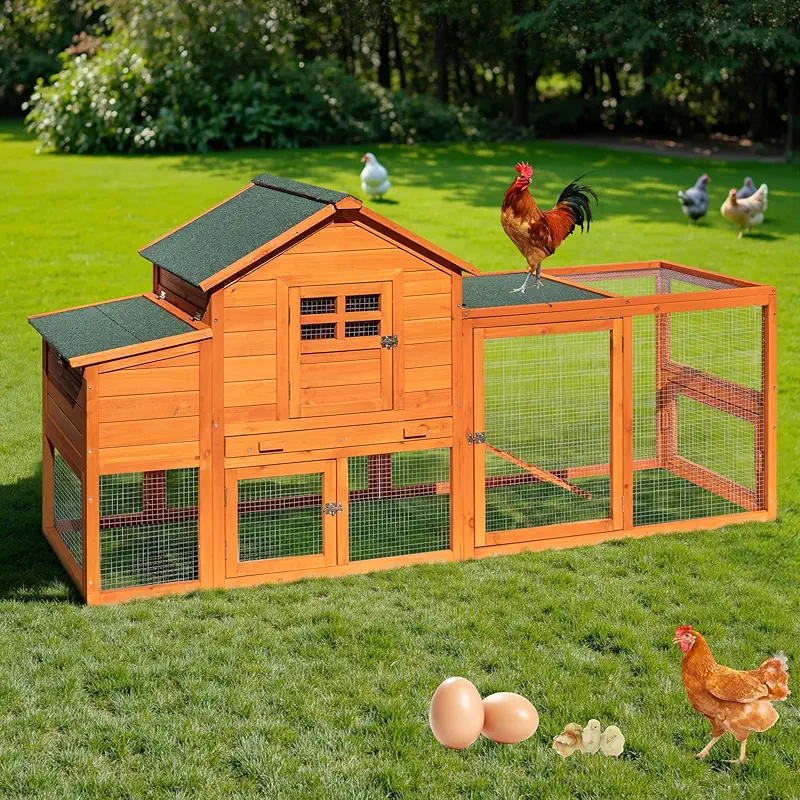
- Stretches along a fence line
- Roof keeps one dry corridor all year
- Easy to split into zones if needed
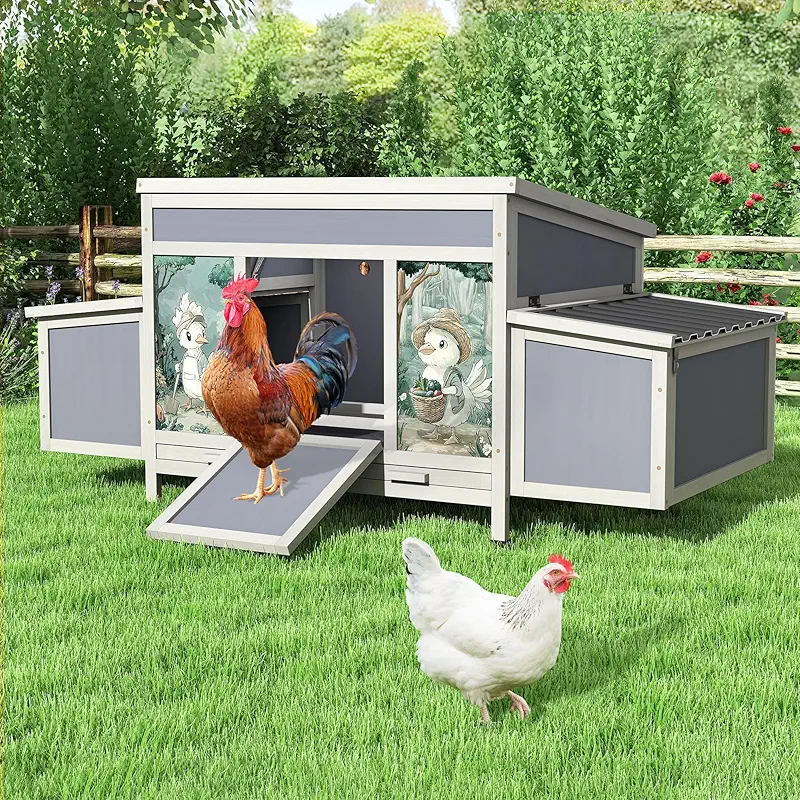
- Sleeping area and run together
- Nice for beginners and small flocks
- Easy to place near the house
When I look at any wooden chicken run with roof, I picture myself visiting it at dawn in January and in the heat of July. If I can see myself moving around calmly, without rushing, with the hens looking relaxed and curious, then I know the setup will likely work.
Frequently asked questions about a wooden chicken run with roof
How big should a wooden chicken run with roof be for my hens?
I aim for at least 10 square feet of covered run per hen, and more if I can. For three hens, that might be a run around 3 feet by 10 feet. For six hens, something closer to 6 feet by 10 feet or larger feels kinder. If your hens free range often, you can be a little tighter. If they will spend most of their time in the run, give them more room to walk and scratch.
Do I still need a coop if I have a wooden chicken run with roof?
Yes. The run is their daytime playground, but they still need a secure, enclosed coop to sleep and lay eggs. The coop protects them from night predators and drafts. Many people use a coop that connects directly to the covered wooden run, so the hens can step out each morning without you having to open extra doors in the rain.
Will my hens be happy if they only have a covered run and no free ranging?
They can be, if the run is large enough and has interesting features. My older flock spent one winter only in a wooden chicken run with roof because of hawks. I added branches, piles of leaves, dust baths and hanging treats. They stayed active and calm. Free ranging is wonderful when it is safe, but a thoughtful covered run can still give hens a good life.
How do I keep a wooden chicken run with roof from smelling bad?
Smell usually comes from wet, compacted bedding and poor airflow. I keep the floor dry with deep bedding like wood chips, change it when it gets heavy, and make sure there is always some breeze flowing through the run. I also avoid letting waterers drip onto the floor. A little weekly stirring of the bedding with a rake or by tossing grain helps a lot.
Is wood a good choice if my climate is very wet or snowy?
Wood can still work well in wet or snowy areas, but it needs a bit more care. I prefer treated or well-painted wood, and I make sure the roof has a good slope so snow and water slide off. I also keep the bottom of the wooden posts off constantly wet soil by using pavers or gravel under them. Once or twice a year I walk around my wooden chicken run with roof, tighten any loose screws, and touch up any spots that look worn.
Choosing your own wooden chicken run with roof with a calm heart
When I started keeping hens, I worried about getting everything perfect. Over time I learned that what matters most is a simple, safe, dry space you will enjoy visiting every day. A wooden chicken run with roof is not just a structure for birds. It is a small, living corner of your garden where you and your flock slowly learn each other’s rhythms.
I encourage you to think about your mornings, your seasons and the way you like to move. Then choose a covered wooden run that fits both your hens and your own patience. If it is easy to care for and gentle to be in, you will give your chickens the calm, steady life they deserve.
I’ll look more closely now