
Wooden chicken run panels
Wooden chicken run panels are one of the kindest gifts you can give to your flock. They turn a bare corner of the yard into a safe, calm world where hens can scratch, dust bathe, and gossip in peace. I have raised hens for many years, and again and again I see how a solid wooden run changes their mood: less stress, fewer fights, and a lot more happy clucking.
"A good run is where a hen can be a hen" – that is what my old Rhode Island Red, Daisy, taught me.
The first time I built a proper run with wooden panels, I remember standing back and watching the flock. Instead of pacing along a flimsy wire fence, they spread out, scratched under the boards, and settled into the quiet corners. The wooden frame blocked the wind that used to whistle through the yard, and my shy hen, Poppy, finally came outside instead of hiding in the coop.
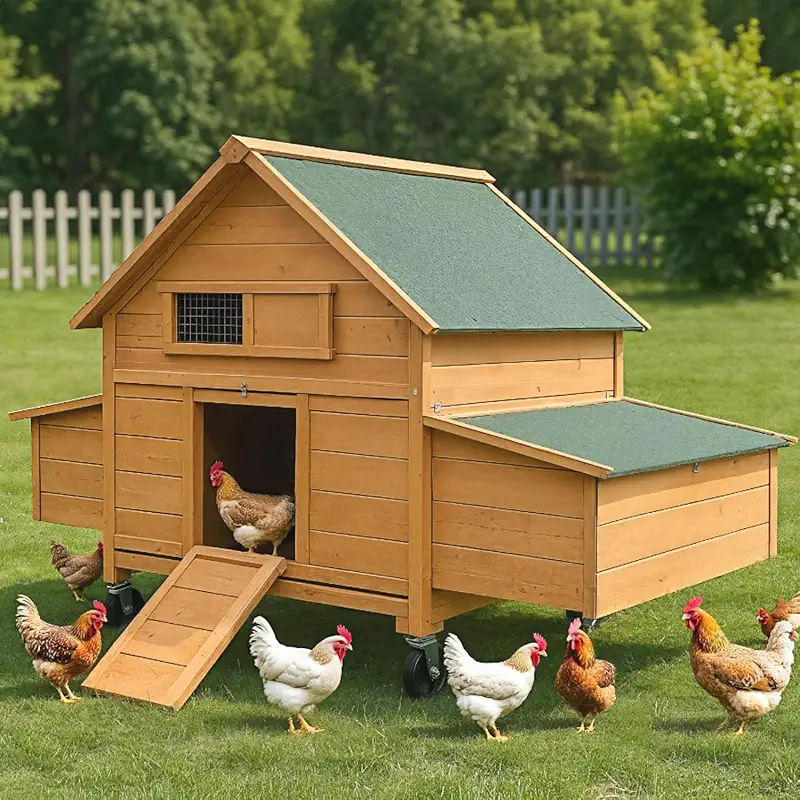
Good wooden chicken run panels make this kind of change. They give structure and safety to the space, but they still feel natural and warm. Wood does not shine or clang like metal. It ages with the yard, it smells of sun and rain, and the hens seem to trust it. When a gust of wind or a sudden shadow passes, they tuck themselves against the wooden frame instead of flying in all directions.
In this page I want to guide you as if I were standing next to you in the yard, boots in the mud, hens underfoot. We will look at what to consider before choosing panels, how to set them up, and some gentle tricks I learned the hard way over many seasons.
Why wooden chicken run panels feel kinder than bare wire
Metal pens and bare wire runs can hold chickens, but they often do it in a harsh way. I used them when I first started, and my birds survived, but they never looked fully at ease. With wooden chicken run panels, the whole space softens. The wood absorbs sound, buffers drafts, and gives the flock something solid and calm to lean against.
Here are a few gentle reasons I favor wood for everyday life with hens:
- Wood calms the space. In my yard, noise from the road used to echo through thin wire. After adding wooden panels on the noisy side, the hens stopped jumping at every car door slam.
- Panels create real corners. Chickens like corners where they can tuck their bodies and feel covered on two sides. Wooden frames and boards give them that feeling almost like a hedgerow.
- Wood handles shade better. Solid timber posts make it easy to attach shade cloth, branches, or climbing plants. My favorite run has grapevines curling along the top beam.
- They look like part of a garden, not a cage. When family visits, they don’t see a prison; they see a neat wooden yard where the chickens look busy and content.
Of course, wood alone is not enough. You still need safe mesh, secure latches, and a smart layout. But when the skeleton of the run is wooden, building a kind and safe space becomes easier, almost intuitive.
Choosing the right wooden chicken run panels for your flock
Before looking at any products, I like to start with the birds themselves. Their habits, size, and temperament guide every choice. When I choose wooden chicken run panels, I walk through this simple list in my head:
- How many hens do I truly have room for?
- Are they calm homebodies or energetic explorers?
- Do I have digging predators like foxes or raccoons?
- How strong is the wind and weather on my land?
- Where does the winter sun fall, and where is the summer shade?
Once I answer those questions, I look at panels with clearer eyes. Here are the main details I pay attention to when I handle a new set of wooden panels.
1. Height and size: giving hens room to be themselves
Chickens do not ask for much, but they do need enough floor space and headroom. I see too many runs where hens can barely stretch their wings. When in doubt, I always go a little bigger; I have never regretted extra space.
| Flock type | Minimum floor space | Panel height I prefer |
|---|---|---|
| 3–4 bantams | At least 40–50 ft² | 4 ft is enough, 5 ft feels generous |
| 3–4 standard hens | At least 60–80 ft² | 5–6 ft so you can walk in |
| 6–8 mixed flock | 100+ ft² | 6 ft with a strong frame |
I once tried to live with a run that I could not stand upright in. I hit my head on the top beam every time I collected eggs. The hens hated my clumsy presence. After I switched to taller wooden chicken run panels, I could walk in calmly, speak softly, and the birds stayed relaxed. A tall run is not just for your back; it is for the flock’s peace.
2. Wood type and treatment: safe for feathers and beaks
Chickens explore with their beaks. They peck at knots in the wood, at the edge of a post, at any flake of paint. That means we must be careful with any treatment on the panels.
When I inspect panels, I look for:
- Smooth, sanded surfaces where wings and combs will not be scratched.
- Rounded edges on perches and low rails, especially at hen head height.
- Outdoor-safe treatment that is rated for animals or for raised beds, not harsh indoor chemicals.
- Solid joints without gaps that could trap toes or let in weasels.
If I ever smell a strong chemical odor from new panels, I let them air in a dry place before bringing them near the flock. I also like to run my hand along every beam; if my skin catches, a feather will too.
3. Mesh and gaps: where predators test your kindness
The wooden frame may shape the run, but the mesh decides how safe it is. I have seen foxes press their nose at the bottom of a run, raccoons pull at wire until it bends, and rats slide through any hole they can find. A good panel set keeps those dangers out without turning the run into a metal box.
When I pair wood with mesh, I keep this in mind:
- Small openings. For most backyard flocks, 1/2 inch hardware cloth is the safest choice for the lower part of the run.
- Solid fastening. Staples should be close together and well sunk into the wood, not just here and there.
- Buried edge. I like to run the mesh slightly below ground level or out in a skirt so diggers get confused.
With the right mix of wood and mesh, a panel feels like a fence to your hens, but like a wall to everything that wants to eat them.
How I design a run layout with wooden panels
Over the years, I stopped thinking of the run as a simple rectangle. Now I see it more like a tiny village for the flock, with quiet corners, busy streets, and a few favorite meeting spots. Wooden chicken run panels make it easy to shape that village because I can move and add panels as the flock and the yard change.
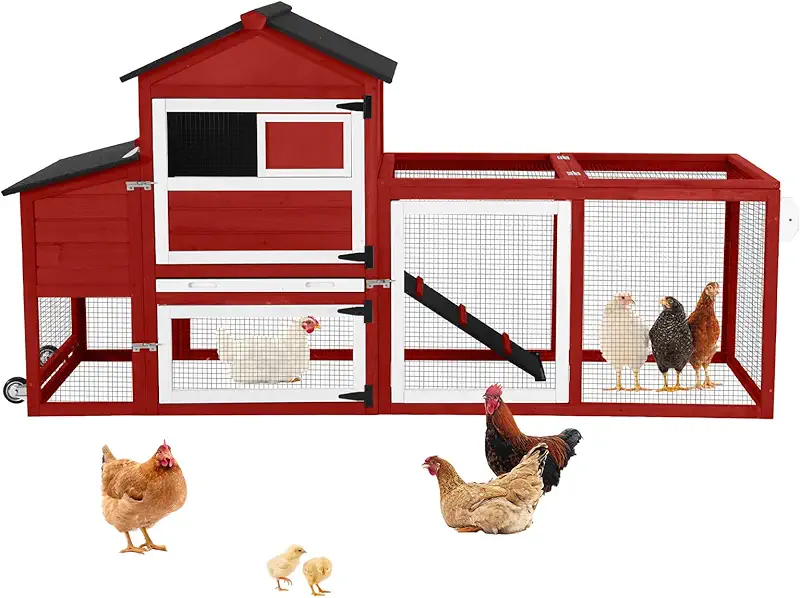
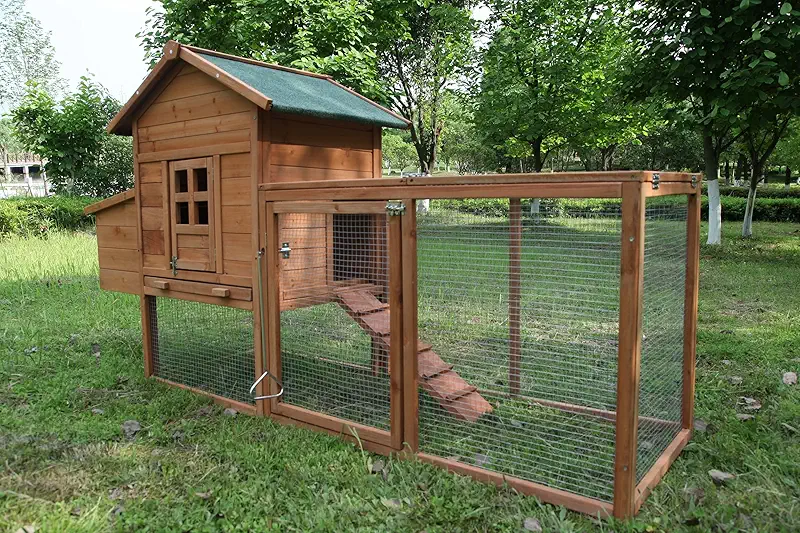
Creating zones: where each hen finds her place
Chickens are simple, but they are not all the same. Some charge toward the feeder, others circle around the edges and wait. When I design a run, I create small “zones” using panels, so every hen can find her comfort spot:
- Feeding area. Near the main door, so I do not have to wade through mud to feed. Panels can form a little gateway here to keep the more eager birds back while I set down the feeder.
- Quiet corner. A panel set a little off to one side with shade cloth or plants. This is where my nervous hens like to spend the afternoon.
- Dust bath zone. A spot with dry soil or sand. I often set two panels at a right angle to shield this area from wind.
- Night path. A clear path from run to coop so sleepy birds can find their way in the evening without bumping into obstacles.
For years, my run had just one long wall. The dominant hens patrolled it like a highway, and the timid ones never crossed. When I added just two extra wooden chicken run panels to create a zigzag, traffic changed. Suddenly there were small hideouts and shortcut paths. The pecking order softened and I saw far fewer squabbles.
Doors, gates, and your daily path
When we build for chickens, we must also build for ourselves. If you crawl, duck, and squeeze every time you gather eggs, you will visit the run less often. The birds feel that distance. A thoughtful door placed into your line of movement can change the whole routine.
With panel systems, I like doors that:
- Open inward, so excited birds don’t rush past my legs.
- Have a latch I can lock with one hand while holding a feeder in the other.
- Are tall enough that I do not have to stoop every day.
Once you choose your wooden chicken run panels, imagine your morning: bucket in hand, maybe rain on your coat, maybe a child or a dog at your side. Make sure the layout and gate support that scene, not fight it.
Real-life pros and cons of wooden chicken run panels
As much as I love them, wooden panels are not perfect. It is better to meet their limits with open eyes now than with frustration later. Here is how they have treated me, season after season.
The gentle strengths
- Comfort in all seasons. Wood takes the edge off both heat and cold. In summer, my hens lean in the shade of the posts; in winter, they huddle against the boards that break the wind.
- Easy to repair. When a post cracked after a storm, I was able to brace it with a simple board instead of replacing a whole metal panel.
- Blends into a living yard. I grow beans, nasturtiums, and even raspberries up the outside of some runs. The panels take hooks, wires, and trellises without fuss.
- Quieter environment. Rain and hail on wood make a soft, earthy sound. On metal, it can be sharp and startling; I’ve seen hens panic during storms in wire-only pens.
The things to watch closely
- Moisture and rot. Standing water is the enemy. I always raise panels a touch off the bare soil or use gravel where the posts meet the ground.
- Chewers and peckers. Some bored hens love to peck the same corner of a post. I hang cabbage, bunches of weeds, or a small log for them to work on instead.
- Weight. Solid wooden chicken run panels can be heavy. I plan my layout carefully so I don’t move them more than I have to.
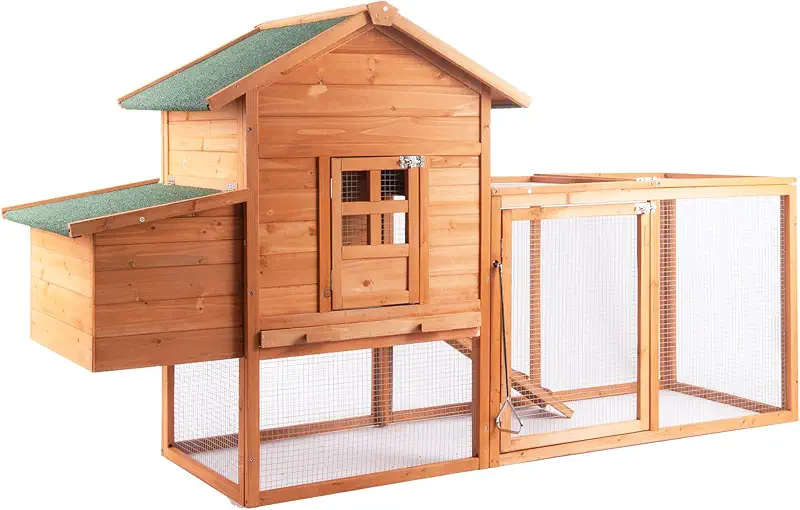
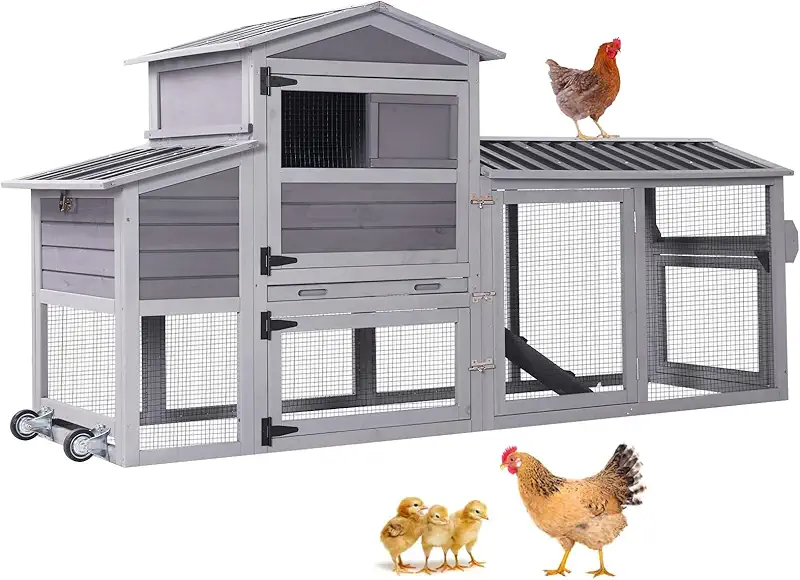
Setting up your wooden panels step by step
Once your wooden chicken run panels arrive, take your time. Setting them up slowly but thoughtfully will pay you back every day you care for the flock.
Step 1 – Walk the ground with your eyes and your body
Before I sink a single post, I walk the area at different times of day. Morning sun, midday heat, evening chill. I notice where the ground stays soggy, where the wind sneaks through, where noise from neighbors is loudest. I often pace around while my oldest hen follows, as if she were helping me choose.
Step 2 – Mark your corners and curves
I use simple stakes or even long sticks to mark where the corners and gates will be. With modular panels, you can gently adjust your plan as you go. Do not fear changing your mind when you see the shape on real ground.
Step 3 – Anchor the posts
Even pre-framed wooden chicken run panels need a firm anchor. Loose panels wobble, and a wobbling fence never feels safe to a hen.
- Where soil is soft, I set posts in gravel or concrete.
- Where wind is strong, I add diagonal braces in the corners.
- I check that the bottom edge touches or nearly touches the ground, leaving no big gaps.
After I install each section, I lean my full weight into it and rock a bit. If I hear sharp creaks or see the panel shift too much, I add a screw or brace. A solid, quiet frame makes birds stay calmer when they bump or jump against it.
Step 4 – Add doors, locks, and gentle details
Doors are where mistakes show up later. I learned this when my rooster, Jasper, learned to lift a simple latch with his beak. Now I always choose latches that fall closed by themselves and then lock them with a simple snap hook.
As I finish, I also add small touches:
- A perch rail along one side so hens can watch the world.
- A low panel near the dust bath to keep wind out.
- A hook near the door for my scoop or bucket.
Looking at different wooden panel sets can give you a feel for heights, door styles, and layouts that match your yard and your flock’s personality.
Daily life inside a run built with wooden panels
When your wooden chicken run panels are in place, the real story begins: day after day of simple chores, small troubles, and quiet joy. Let me share a bit of how my own days look inside the run.
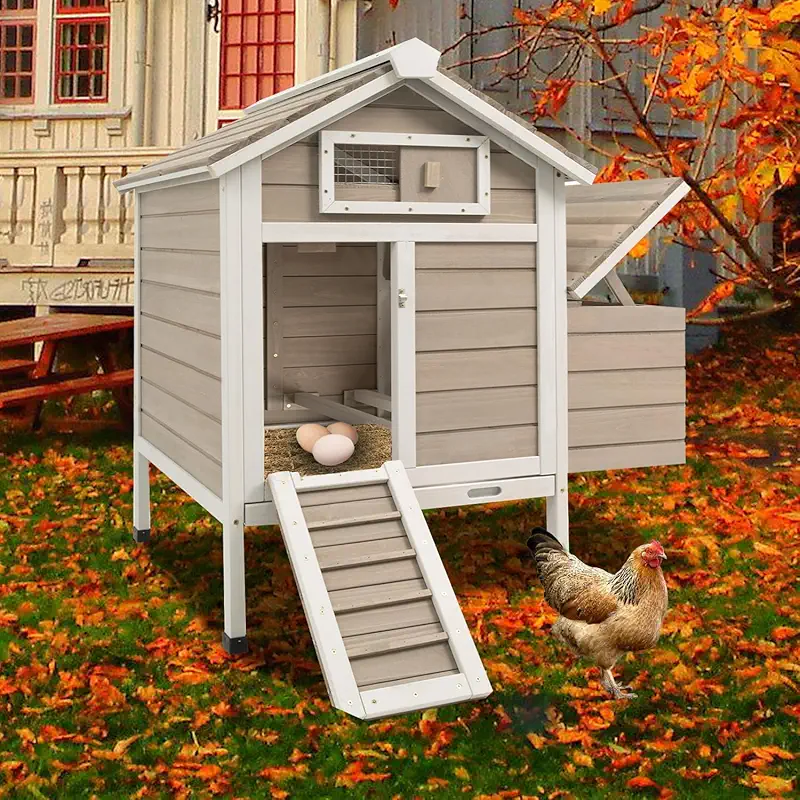
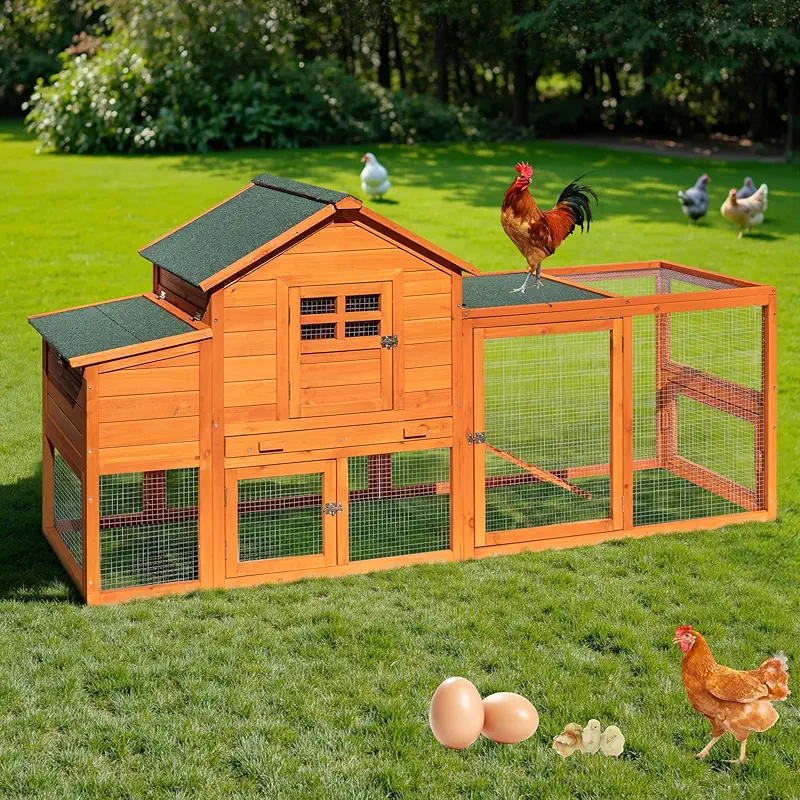
In the early morning, I open the coop door into the run and listen. In a hard, echoing pen, noise bounces everywhere and birds shout over one another. In a wooden-framed run, the sound is softer, like a group of friends chatting in a small café. The panels hold the warmth of yesterday’s sun, and the birds step out and stretch.
Later, while I clean, I lean my tools against the wood, hang the feeder from a cross-beam, and sometimes rest my back against a post when I feel tired. The hens like to gather under the braces as if they were trees. My oldest Marans, Hazel, often roosts on a low wooden rail and watches me sweep, making her deep little “burrrr” noises of approval.
In the evening, when the light softens, I like to sit on an upended bucket just inside the run. The panels frame the world: a square of sky, a glimpse of the garden, a line of fence. The hens settle into small clumps along the edges, heads tucked under wings, feathers against wood. I run my hand along the nearest board and feel the day’s warmth fading. It’s a simple thing, but it feels right.
Every week, I walk the run with a quiet, careful eye:
- I brush away any damp bedding piled against the wood.
- I check for dark, soft spots at the bottom of posts.
- I tighten any screw that has worked itself loose.
- Once or twice a year, I refresh protective oil or stain where the sun hits hardest.
These tiny rituals take minutes, but they make panels last years longer and keep the run feeling sturdy and safe.
Wooden chicken run panels for growing or changing flocks
Very few flocks stay the same size forever. A neighbor might hand you two extra pullets. You might finally bring home that blue-egg layer you have dreamed of. Or you might need a way to gently separate a bullied hen until she heals. Flexible wooden chicken run panels are a quiet friend in all these moments.
Expanding the run without starting from zero
With modular panels, you can open one side of your existing run and add more sections like building blocks. I have done this more than once when my “I’ll keep just four hens” promise slowly turned into eight. The wood gives a consistent look, so the new part of the run does not feel like an afterthought.
Creating gentle isolation areas
Sometimes a hen needs time apart: she may be injured, broody, or simply exhausted from bullying. Instead of hauling out a separate cage, I attach two or three panels inside the main run, forming a little quiet apartment with its own feeder and waterer. The hen can see her flock but rest without being bothered.
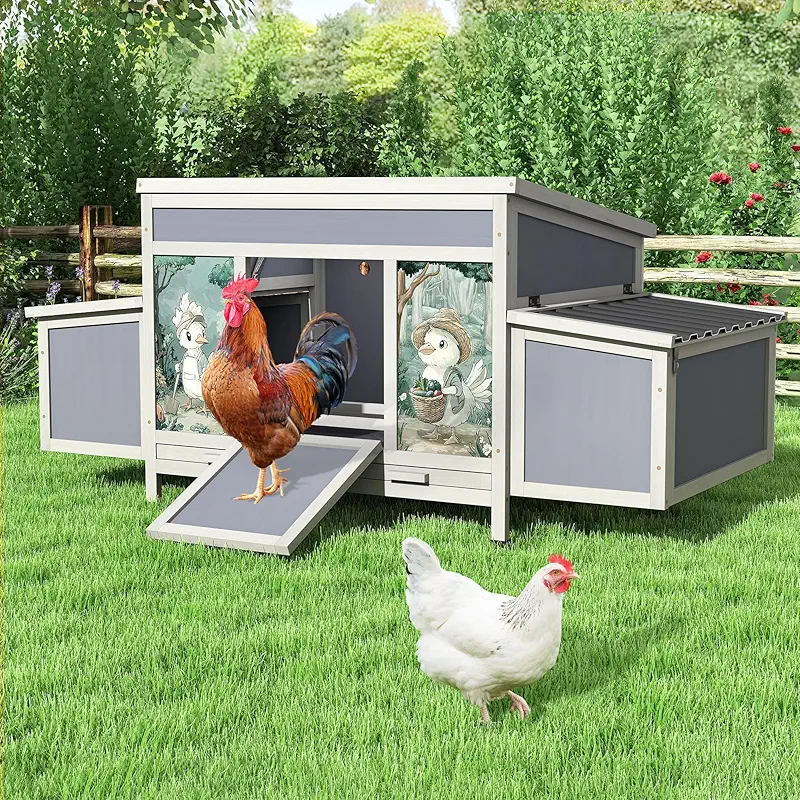
Seeing different panel combinations can spark ideas for how your run can grow and change with your flock over the years.
FAQ about wooden chicken run panels
They can be very safe if you pair them with good mesh and strong anchors. The wood itself is not what keeps predators out; it is the frame that holds the mesh solidly in place. Use small-opening hardware cloth along the lower part of the run, fasten it tightly with heavy-duty staples or screws and washers, and make sure there are no gaps where panels meet. I also like to bury or curve the mesh outward at ground level to slow down diggers like foxes and dogs.
With basic care, I usually see good wooden panels last anywhere from 5 to 10 years, sometimes more. The biggest threats are constant dampness and direct ground contact. If you can keep the base of the panels dry, clear away wet bedding, and refresh protective oil or stain every couple of years, they will age slowly and gracefully. I have a few posts that have stood outside for more than a decade with only small repairs.
Your hens will thank you for some kind of cover, especially in wet or snowy climates. A fixed solid roof is wonderful but not always possible. Many keepers use their wooden frame to support a light roof over part of the run, then stretch netting or mesh over the rest to keep out hawks. At the very least, I suggest a few cross-beams where you can attach shade cloth or tarps seasonally. The wood makes that easy to do and easy to change as the weather turns.
Think first in terms of space, then count the panels. For a small backyard flock of 3–4 standard hens, I like to aim for at least 60–80 square feet of run space. Once you know the total area you want, sketch a rough shape and measure the sides. Then it becomes simple math: run length divided by panel width. I often order one or two extra panels; they always find a use later, whether for an extension, a quarantine corner, or a small grow-out area for young birds.
Solid wood is heavier than flimsy wire, but that weight also gives the run a calm, sturdy feel. Most modular panel systems are designed so one or two adults can move a panel at a time. I have rearranged whole sides of my run over an afternoon. It is a slow, steady job, not a quick flip, but it means you can adapt the run to new flocks, new gardens, or new seasons without starting from nothing each time.