
Wooden chicken run kit
Wooden chicken run kit
I have spent many early mornings sitting on an old upside‑down bucket, coffee in hand, watching my hens scratch around a simple wooden run. Over the years I learned that a good wooden chicken run kit does more than hold chickens. It keeps them calm, busy and safe, and lets you sleep peacefully at night.
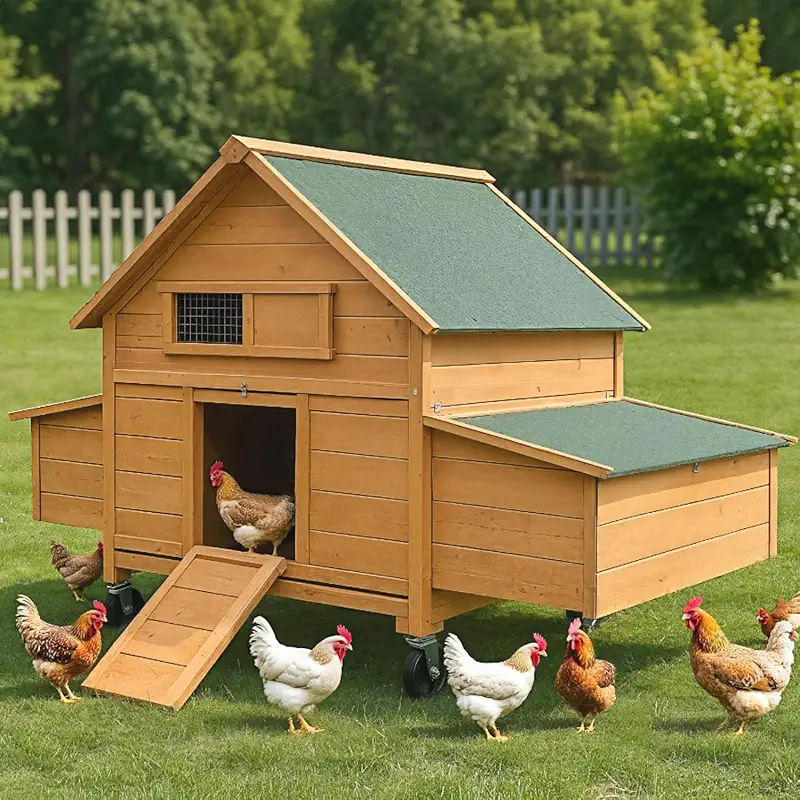
A wooden chicken run kit is a simple way to give your birds room to wander without letting the fox, dog or hawk join the party. It arrives as a set of panels and parts, and in a calm afternoon you can turn that pile of wood into a safe little world for your hens.
Thinking about a new wooden chicken run kit for your flock?
Take a quiet look at different wooden runs, compare space, doors and roofs, and imagine where your hens would dust‑bathe, nap and gossip together.
Many wooden run kits are gently priced and ready for small backyard flocks.
Why a wooden chicken run kit feels right for hens
Chickens are tiny prey animals with big hearts. They look brave when they run to you for treats, but every shadow in the sky and every barking dog makes them nervous. A solid wooden chicken run kit gives them a wall to hide behind, a roof to rest under, and a routine they can trust.
Wood also feels soft and natural. On hot days it does not glare like shiny metal, and on cold mornings it holds warmth better than bare wire. When the wind whistles around the garden, the wooden panels break the gusts so your birds are not constantly ruffled and on edge.
Key things I look for in a wooden chicken run kit
Every flock is different, but over time I started to check the same simple details before bringing home any new run. These small choices make daily chicken care easier and keep the birds healthier.
- Space per hen: I aim for at least 10 square feet per bird in the run. More if possible. Calm hens fight less.
- Strong frame: Thick wooden posts and tight joints keep the run steady in wind and bad weather.
- Secure wire mesh: I prefer small openings, around 1/2 inch, so raccoon hands and weasel heads stay out.
- Roof protection: A covered run keeps the ground drier and discourages hawks from circling overhead.
- Easy doors: Human‑sized doors mean I can walk in with a bucket, not crawl on my knees in the mud.
- Predator‑proof latches: Simple carabiners or locks are often enough to confuse curious raccoons.
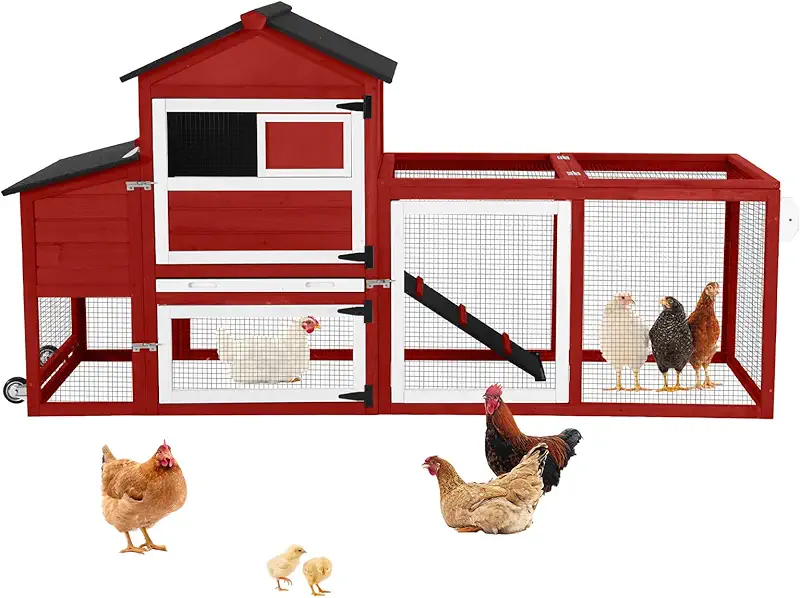
A sturdy wooden run with a walk‑in door saves your back and keeps chores light.
How a wooden chicken run kit keeps predators out
Most nights are peaceful, but every chicken keeper has a story of the one night something tried to get in. I design and choose runs as if that night will be tonight.
Predator‑safe details I appreciate
- Mesh buried or folded outward at ground level to stop digging.
- Wooden framing strong enough to hold tight staples and screws.
- Roof panels that cannot be lifted by clever paws or strong wind.
- Doors that close square, with no gaps at the bottom.
- Windows covered with hardware cloth, not plain chicken wire.
Warning signs to stay away from
- Very thin wood that flexes when you press it with your hand.
- Staples that are already loose or missing in places.
- Big gaps where the roof meets the walls.
- Flimsy slide bolts without any way to add a clip or lock.
- Runs that sit on uneven ground with visible holes under the frame.
A wooden chicken run kit gives you a firm skeleton to work with. If you want extra protection, you can quietly add your own touches: heavier mesh along the bottom, extra screws in stress points, or a skirt of wire laid flat around the outside and covered with soil.
Daily life in a wooden chicken run kit
A good run is more than a fence; it is where your hens spend most of their day. The way the space feels will shape their habits, their health, and even the flavor of the eggs they lay for you.
My birds love routine. When the coop door opens in the morning, they spill into the wooden run, check every corner as if the world has changed overnight, and then settle into simple work: scratching, dust‑bathing, gossiping in soft clucks.
How I set up the inside of the run
- Dry corner for dust baths: I keep a low box filled with sand, soil and a little wood ash.
- Perches at different heights: Simple branches or 2x2s give them places to hop and rest.
- Feeders under cover: Hanging feeders stay cleaner and draw fewer wild birds.
- Water in the shade: Hens drink more when the water is cool and easy to reach.
- Loose straw on the ground: It keeps their feet drier and encourages natural scratching.
When the run is set up well, the whole flock moves with slow, steady purpose. You see fewer pecks and chases, and more quiet preening and soft little naps in the sun.
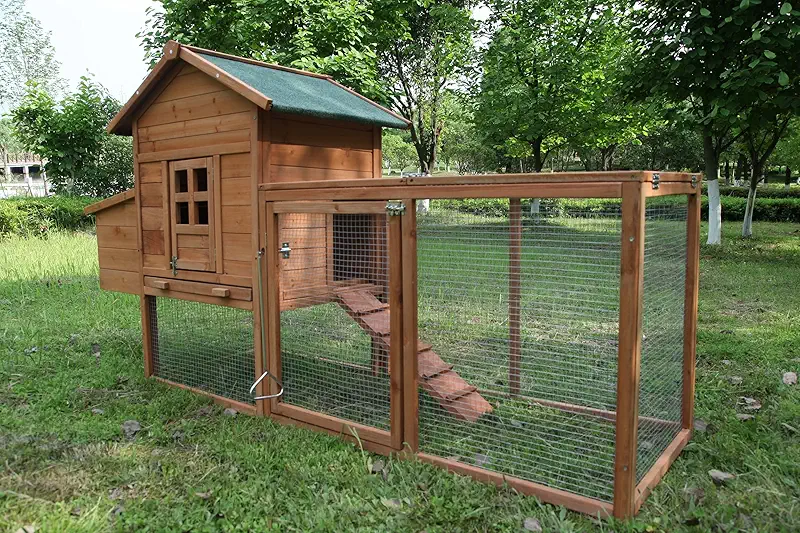
Covered runs keep the ground drier, which means cleaner feet and calmer hens.
Setting up a wooden chicken run kit step by step
Most wooden chicken run kits arrive as a neat pile of panels, hardware and a short booklet. Do not feel rushed. I like to make a pot of tea, spread everything out, and walk through the steps slowly.
My simple method
- Pick the spot: Slight slope for drainage, some shade, and not too far from a water tap.
- Clear the ground: Remove sharp stones, old boards and anything that might rot or hold water.
- Lay out the panels: Place them roughly where the walls will stand, just to check the shape and size.
- Build the frame first: Join the main corners so the structure stands on its own.
- Add roof and doors: Make sure everything swings smoothly before you tighten all screws.
- Check every gap: Look along the bottom edges and where the roof meets the walls.
- Finish the floor: Add sand, wood chips or straw so your hens do not stand in mud.
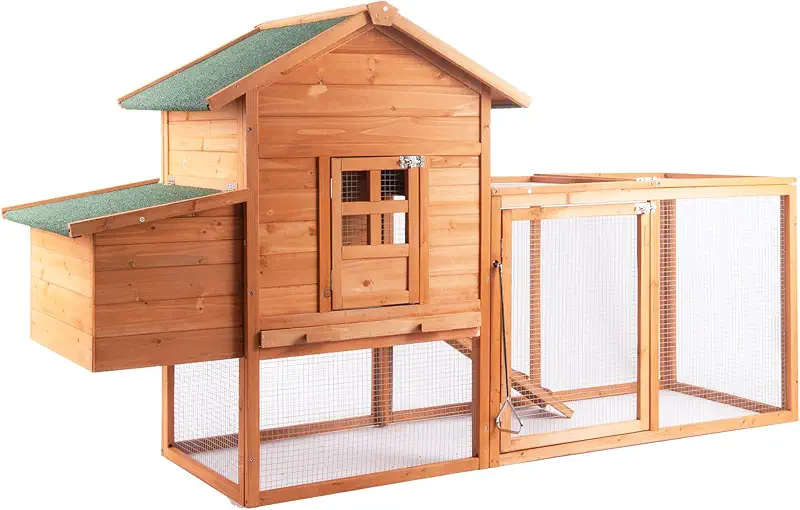
Assembling a kit slowly and calmly gives you time to notice every little gap and screw.
I also like to sit inside the empty run before the hens move in. I listen for creaks when the wind blows and see where the light falls at different times of day. That quiet moment often shows me small changes to make before the birds arrive.
Choosing the right wooden chicken run kit for your flock
The “best” run is not the largest or the fanciest. It is the one that fits your birds, your yard and your daily habits. When I help friends choose, I ask a few gentle questions first.
How many hens are you dreaming of?
Be honest with yourself here. Most people start with four hens and end up with eight. A wooden chicken run kit that feels roomy for today’s flock will feel just right when a few more birds join later.
Where will the run sit?
Think about the neighbors, the wind, and your own feet. A run placed too far away becomes a chore on dark winter mornings. Close enough to the house, you will hear the happy breakfast chatter and catch any alarm calls quickly.
How much time can you give to building?
Some kits are almost puzzles for adults, with many small parts and steps. Others are simple, with large panels that screw together fast. If you are new to tools or short on time, pick a kit with clear photos and fewer pieces.
Ready to quietly compare wooden chicken run kits?
Browse different styles, picture your hens wandering inside them, and notice which ones make you breathe a little easier.
Looking at different wooden chicken run kit styles
There is no single perfect style. Over the years I tried a few shapes, and each one suited a different season of life.
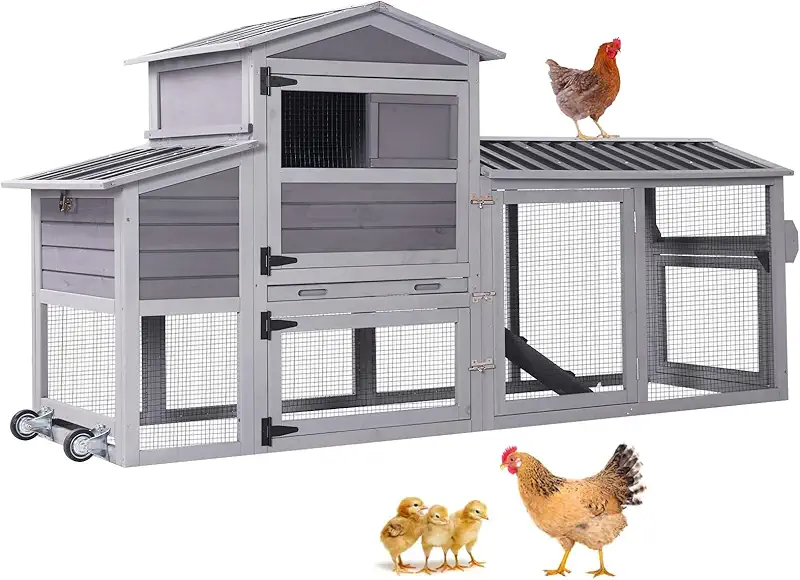
Compact runs fit small yards and keep a few hens close to your kitchen door.
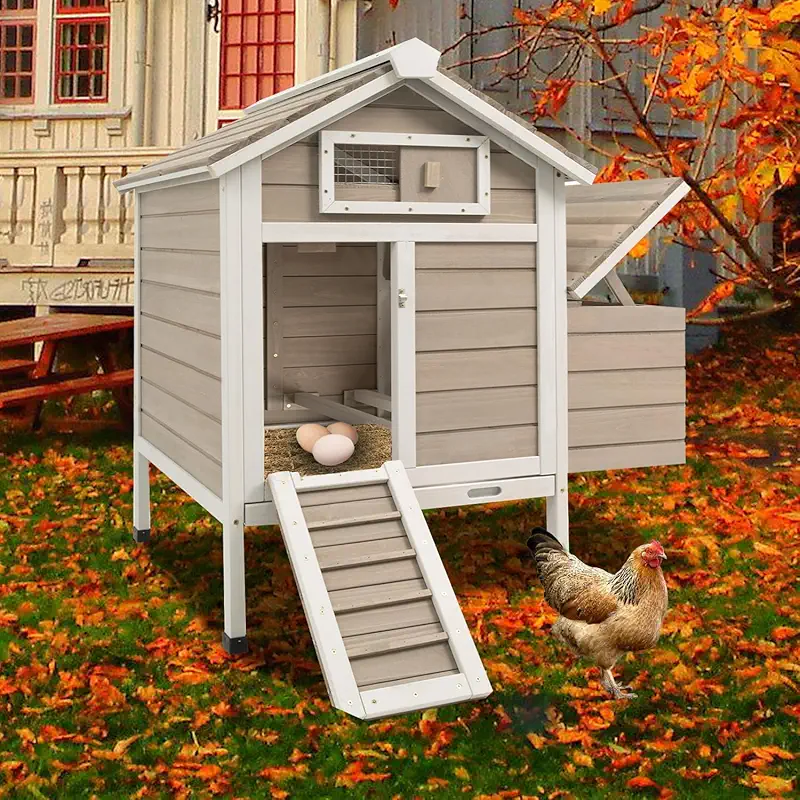
Walk‑in runs give you space to stand, clean and talk softly to your flock.
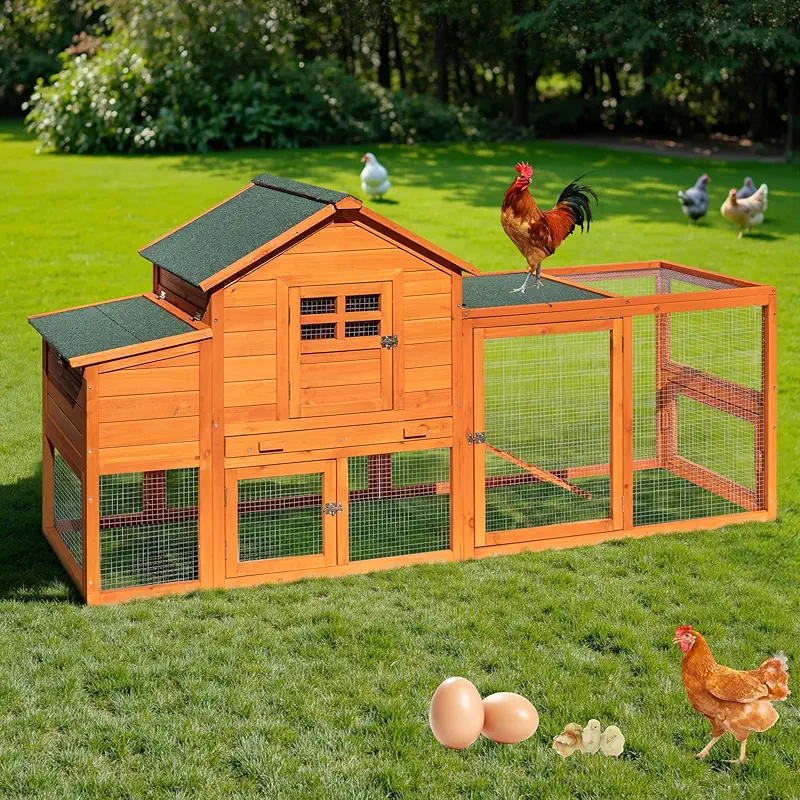
Long, narrow runs can follow a fence line and use space that would otherwise sit empty.
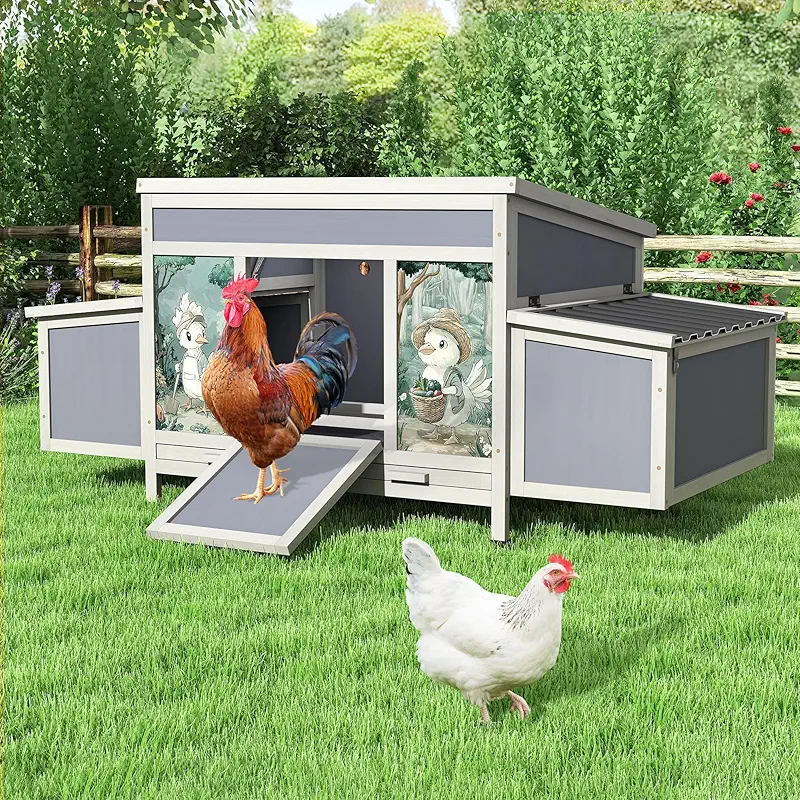
Tall runs with good roofing protect against rain, snow and sharp summer sun.
When you browse different wooden chicken run kit designs, imagine how you will move through the space: where you will hang the feeder, where you will stand to refill the waterer, and where your favorite hen will wait for her secret treat.
Personal lessons from years with wooden chicken runs
Living with chickens teaches patience. They do not hurry, but they notice everything. A new wooden chicken run kit will be the biggest change in their world for a while, and they will study it carefully.
Over time I noticed that the calmer I was during changes, the calmer the hens stayed. When I adjust something in the run, I do it during the day, talking to them in a low voice. Chickens may not understand the words, but they understand the tone.
A well‑built wooden chicken run kit becomes part of your daily rhythm too. The small walk to close the door at dusk, the check of the latches, the quiet head count as everyone settles on the roost — these tiny tasks add up to a steady, comforting routine.
Wooden chicken run kit – frequently asked questions
I like to give at least 10 square feet of run space per hen, and more if you can. So for four hens, I would aim for around 40 square feet of run. If your birds will spend most of their day inside the wooden chicken run kit and only free‑range sometimes, more room helps prevent boredom and pecking.
Yes, if the wood is solid and the rest of the run is built well. The wood provides a firm frame, and the real defense comes from strong hardware cloth, good latches and tight joins. I always check corners, door edges and the bottom of the run. Reinforcing those spots with extra screws or mesh is a simple way to make a wooden chicken run kit very secure.
With gentle care, a wooden run can last many years. I try to keep the wood off wet ground as much as possible, clear leaves from the roof, and re‑seal any exposed timber every year or two. When something starts to weaken, it is often a small part like a hinge or latch, and those can be replaced easily without changing the whole run.
Many kits can be moved, especially smaller ones, though it takes some patience. I like to empty the inside first, then get a helper so we can lift and shuffle the run a little at a time. If you think you may want to move your wooden chicken run kit later, look for a design with lighter panels or modular sections instead of one heavy frame.
I had good luck with a mix of coarse sand, dry soil and a layer of wood chips or straw where it tends to get muddy. The birds scratch through it happily, and droppings break down instead of forming sticky clumps. Once or twice a year I rake everything out of the wooden chicken run kit, let the ground dry, and start fresh. The old bedding goes straight to the compost heap and later feeds the garden.
Want to see how different wooden chicken run kit designs might fit your yard?
Take a slow walk through the options, think about your hens’ habits, and notice which designs make their future days look simple and safe.