
Wooden chicken run for sale
Wooden chicken run for sale – gentle advice from a keeper who tucks hens in every night
Every evening, when the sun slips behind our old barn, I wait for the same soft sound: the quiet clucking of my girls, lining up at the door of their run. A good wooden run is more than a fence. It is where your hens feel safe enough to scratch, dust bathe, stretch their wings and simply be happy chickens.
If you are looking for a wooden chicken run for sale, I want to help you choose one that will keep your flock safe, dry and relaxed for many years. I have made mistakes in the past with flimsy runs and awkward doors. The hens forgave me, but I promised them I would learn.
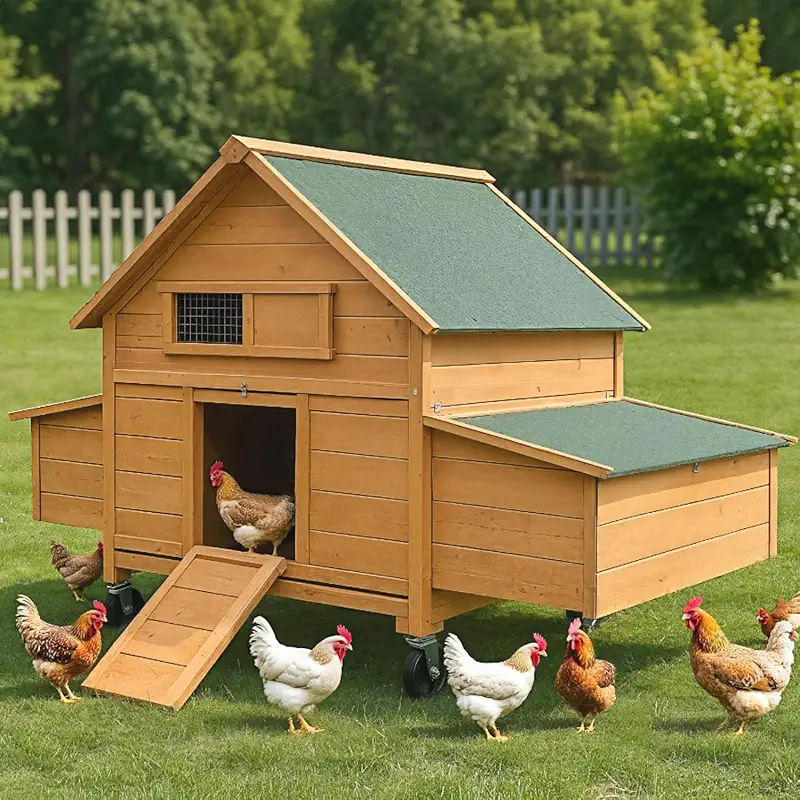
A sturdy wooden run lets hens explore safely, even when you are busy elsewhere on the farm.
What I look for in a wooden chicken run
When I see a new wooden chicken run for sale, I do not think about style first. I picture my smallest hen, Daisy, trying to nap in a corner on a windy day. I imagine our night visitors, the fox and the raccoon, testing every weak spot. Over the years I have learned that a good run needs to feel safe for the hens and calm for the keeper.
Here are the first things I check before I even think about bringing a new run home:
1. Solid, chew‑resistant construction
The wood should feel firm under your hand, not soft or spongy. Thin, light frames might look neat, but a determined predator will test them. I gently shake the panels when I can, to see if they wobble. A strong wooden frame with tight joints means your run will survive more than one stormy season.
2. Real wire mesh, not thin chicken wire
I once lost a hen because I trusted light chicken wire. It kept the hens in, but it did not keep a raccoon out. Now I always look for hardware cloth or sturdy welded mesh, firmly stapled or screwed to the frame. Openings around 1/2 inch are a good balance between protection and airflow.
3. Room for natural chicken behavior
My flock is calmest when they can live like chickens are meant to. In a good run they can:
- Scratch the ground and hunt for little treasures.
- Stretch their wings without bumping into each other.
- Take a dust bath in a dry, sheltered corner.
- Hide behind a board or crate when they feel nervous.
When you see a wooden chicken run for sale, imagine your largest hen turning in a slow circle with her wings half open. If she cannot do that easily, I consider the run too small for long days inside.
4. Easy doors for both of you
I learned the hard way that tiny doors are trouble. If I cannot step inside the run with a bucket and a broom, I will end up crawling on my knees in the mud, and the hens will be amused but I will not. A good run has at least one human‑sized door plus a smaller pop‑door for the chickens, both with solid latches.
Different styles of wooden runs and how they feel to live with
Over the years I have tried several kinds of wooden runs, from tiny tractor runs I dragged across the grass, to taller walk‑in runs attached to the coop. Each has its own rhythm and suits a different kind of keeper.
These are shorter, lighter runs that fit neatly beside a shed or along a fence. I like them for two or three hens, especially if you can let them free‑range sometimes under supervision.
What feels good
- Easy to place in small spaces.
- Less walking to do daily chores.
- Often quick to assemble.
What to watch
- Can feel crowded on rainy weeks.
- Ground wears out fast if birds stay inside full‑time.
- Use extra logs or bricks to keep foxes from digging.
My favorite style for a mixed flock of four to eight hens. I can walk in without stooping, hang treats, sit on a crate and simply watch the birds go about their day.
What feels good
- Easy cleaning and egg checks.
- More space for perches and toys.
- Feels safe in bad weather.
What to watch
- Needs a little more yard space.
- Takes longer to put together.
- You will want to add a roof or cover.
If you keep lively breeds or a larger flock, a longer wooden run lets them move more naturally when they cannot free‑range. Mine like to race from one end to the other when I scatter a handful of grain.
What feels good
- Plenty of space for shy hens to keep distance.
- Easy to create zones for dust baths and perches.
- Less pecking and boredom.
What to watch
- More wire and wood to inspect regularly.
- May need extra support posts in windy spots.
- Harder to move once in place.
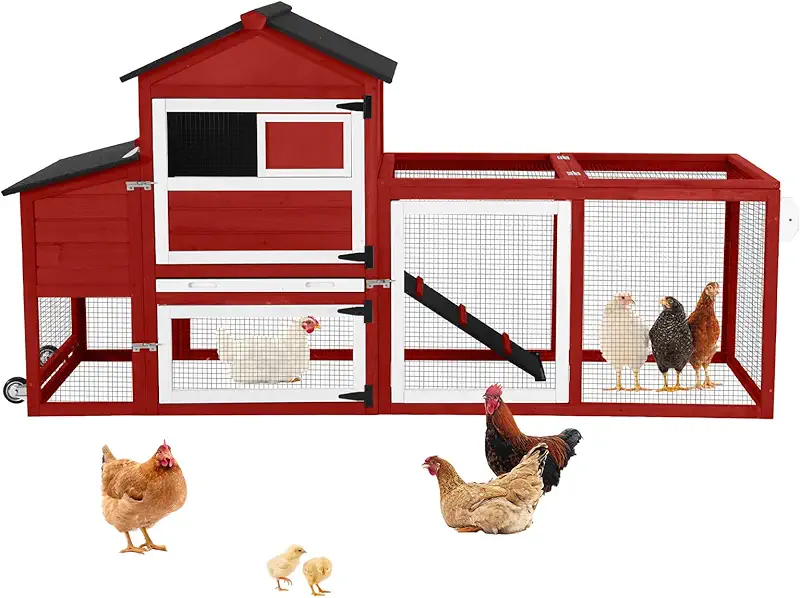
Different shapes of wooden runs, but the same goal: calm, safe hens with room to wander.
Little design details that matter to real chickens
When you scroll through pages filled with wooden chicken run for sale options, it is easy to focus on size and color. The hens, however, care about smaller details. I learned this by watching which corners they choose and which they avoid.
Shade and shelter from wind
Chickens enjoy sunshine, but they also overheat easily. In my runs I always create a mix of light and shade. A solid roof panel, a board along the windy side, or even a big wooden crate makes a world of difference on hot or blustery days.
Look for runs that either come with a partially covered roof or can be easily covered with a panel or tarp. The hens will quickly show you their favorite sheltered spots.
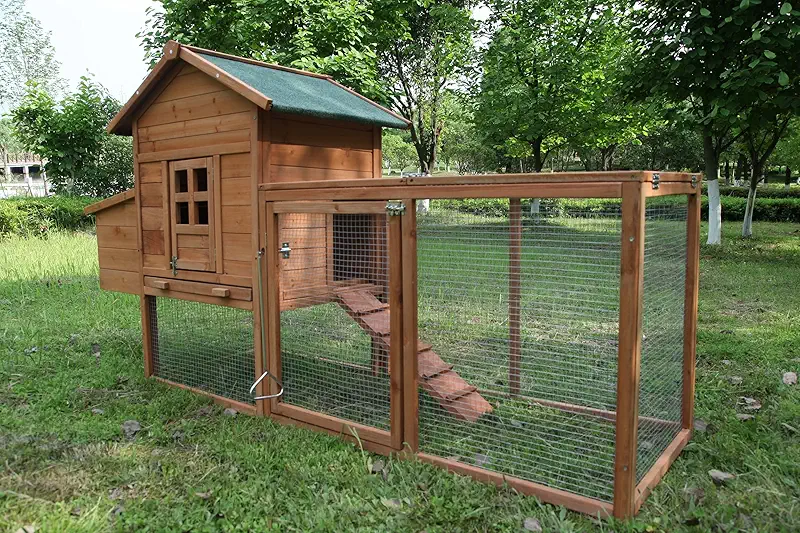
A bit of roof and a windbreak board create a cozy corner where timid hens feel safe.
Dry footing and happy toes
Chickens hate standing in cold, sticky mud. I have seen them lift one foot, then the other, trying to escape the wet ground. When choosing a wooden run, think about what will happen after a week of rain.
- If your yard is low and damp, consider a run you can raise slightly on blocks.
- Add coarse sand, wood shavings or dry leaves to create a better surface.
- Make sure water from nearby roofs does not pour directly into the run.
Many of the runs you will find when searching for a wooden chicken run for sale can be improved with a few bags of sand and some old boards. A little planning now saves sore feet later.
Safe latches and nighttime peace
Predators are clever. Raccoons have nimble fingers, and foxes are patient. I always check that run doors have two‑step latches or at least clips a raccoon cannot simply flip open. It only takes one weak latch to break your heart.
On my main run, I added simple carabiner clips to the existing latches. It takes me three extra seconds at dusk, and I sleep better knowing the girls are locked up tight.
How many hens fit in one wooden chicken run?
This is the question friends ask most often. The truth is, numbers on paper do not tell the whole story. I have had four gentle bantams share a space that would have felt crowded for three big, bossy hens.
Still, I use some simple guidelines when I look through each wooden chicken run for sale:
- Standard hens (Rhode Island Red, Sussex, etc.): aim for at least 8–10 square feet of run space per bird if they spend many hours inside.
- Bantams: they are smaller, but they are lively, so I do not go below 6–8 square feet per bird.
- Large breeds (Brahma, Orpington): 10–12 square feet make life more peaceful for everyone.
More space almost always means calmer hens, less bullying and cleaner feathers. When in doubt, I choose the bigger run and never regret it.
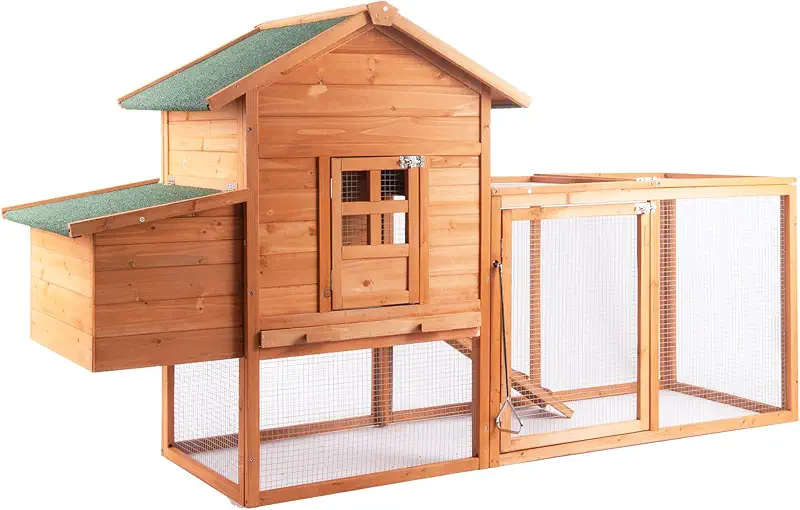
Room to walk, dust bathe and keep personal space makes for peaceful hens.
Thinking ahead: expanding your run
I started with four hens. Within a year, six more joined us. Chickens have a way of multiplying, often with the help of neighbors who show up holding a box and a smile. When you choose a wooden chicken run for sale, think about whether you might want to add panels later.
Some runs connect nicely with extra sections, allowing you to create a little courtyard or a longer hallway of space. Others are more fixed. If you suspect you will “accidentally” adopt more hens, pick a style that can grow with your flock.
Keeping your wooden run safe and sound for years
Wood ages, just like an old barn or a favorite fence post. That is not a bad thing; it gives character. But to keep your hens safe, you need to give the run a bit of care now and then. This does not have to be hard or expensive.
My simple yearly routine
Once a year, usually on the first warm day of spring, I set aside a morning for the run. The hens grumble because they have to stay in a temporary pen, but by afternoon they strut back into a fresh, sturdy home.
- Walk the fence line. I run my hands along the wood, feeling for soft patches, loose boards or nails starting to pull out.
- Check the wire. Any gap big enough to slide a couple of fingers into gets fixed, no debate.
- Add a fresh layer of protection. A coat of animal‑safe wood preservative on the outside helps keep damp and rot away.
- Refresh the ground. Old bedding and dusty soil go to the compost pile, and I bring in new sand or mulch.
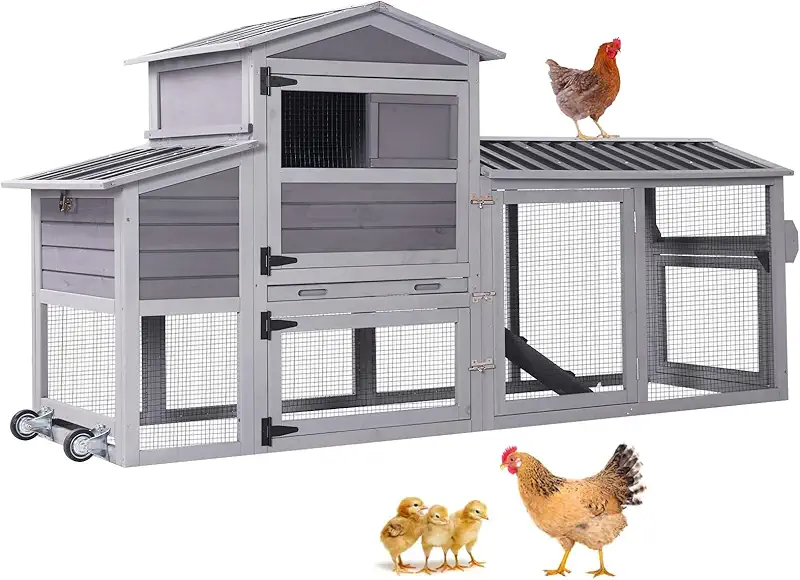
A few hours of care each season keeps wooden runs strong, dry and welcoming.
Daily and weekly habits that help
Small routines keep bigger problems away. Here is what I do without even thinking about it anymore:
- Glance at the latches every night as I close the hens in.
- Listen for new squeaks or rattles when the wind blows.
- Rake the busiest areas once a week to keep the ground fresher.
- Watch where the hens choose to dust bathe; if it is outside the run, I create a better spot inside.
When you bring home a wooden chicken run for sale, you are not just getting a product. You are accepting a little wooden house that will need your eyes and hands now and then. The reward is a flock that looks comfortable and secure.
Quiet ways to enrich life inside a wooden run
A safe run is the first step. A happy run is the next. Chickens get bored more easily than people think. When they are bored, they peck at each other, pull feathers and pace the fence line like little prisoners. I cannot stand to see that, so I add small, simple joys to the run.
Perches at different heights
Even inside the run, my hens like to sit up higher and watch the world. A few sturdy branches or narrow boards fixed to the frame give them indoor “tree branches.” Higher spots for the bold hens and lower ones for the shy birds make everyone more relaxed.
Dust bath corners
Chickens bathe in dust, not water. A shallow box or framed area filled with dry soil, sand and a little wood ash becomes their favorite spa. When I see them rolling on their sides with eyes half closed, I know they feel safe in that run.
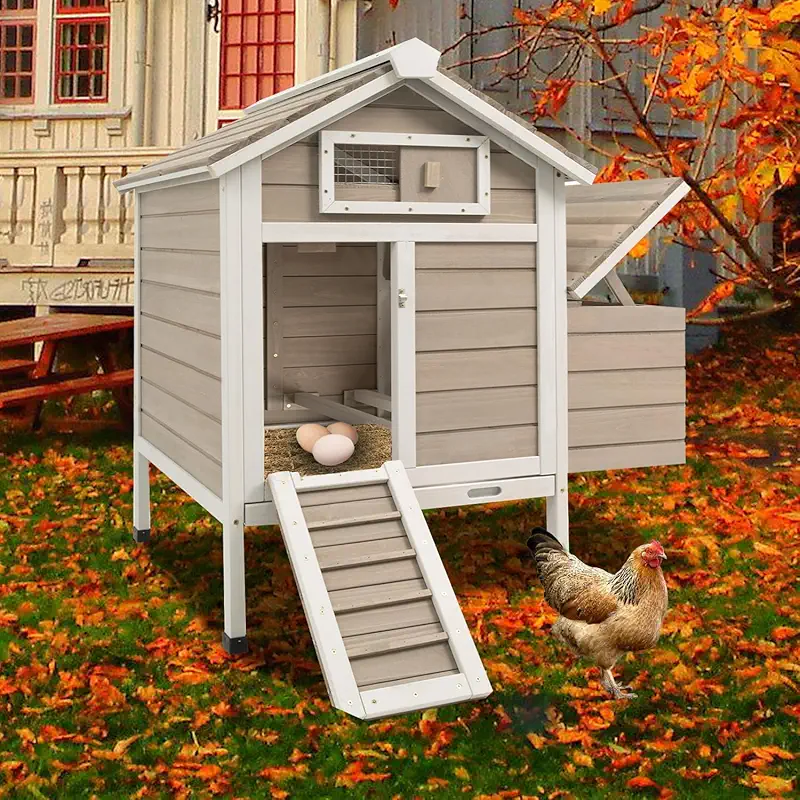
Perches, dust baths and small hiding spots turn a plain run into a gentle little world for your flock.
Simple treats that encourage natural behavior
I hang cabbage heads or bunches of leafy greens from the run roof. The hens jump, stretch and work for each bite. Straw bales to pull apart, branches with leaves, or a tray of sprouted grains also keep them busy.
As you look through each wooden chicken run for sale, imagine where you will hang treats, place a dust bath and add a perch or two. The run becomes more than a cage; it turns into a little village for your birds.
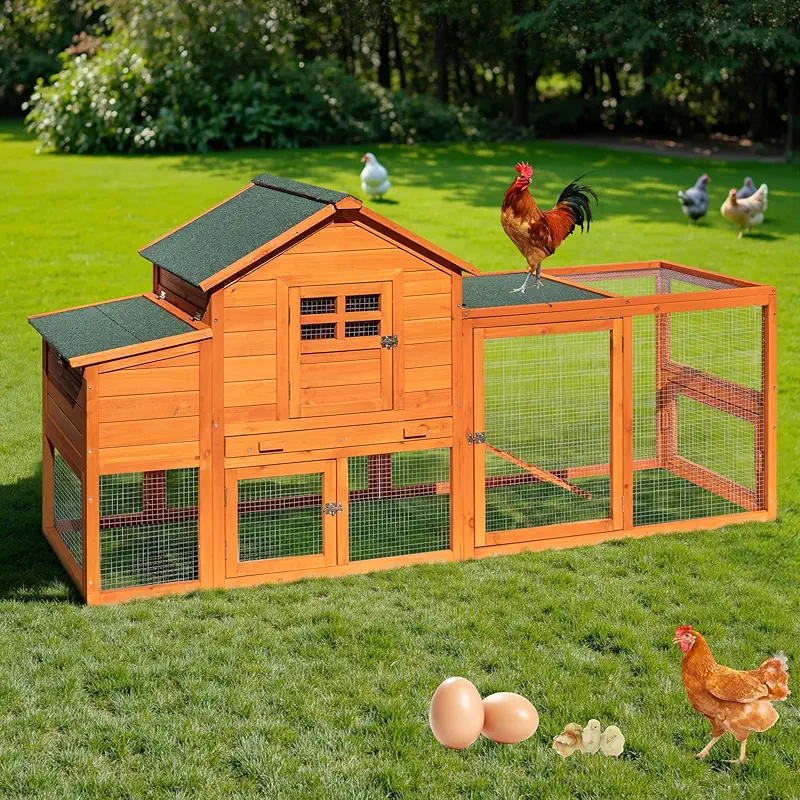
A bit of creativity inside the run keeps curious hens busy and calm, even on long winter days.
Choosing your wooden chicken run with a calm heart
When I stand in front of a new run, or scroll through yet another wooden chicken run for sale online, I ask myself a few quiet questions:
- Can I picture my shyest hen feeling safe in the farthest corner?
- Will I be able to clean it without cursing or crawling?
- How will this wood look after three wet winters and hot summers?
- If a fox circles it at night, where will it find the weakest spot?
If I can answer those questions and still feel peaceful, then I know the run is probably a good fit for my birds and for me. It does not have to be perfect or fancy. Chickens care more about safety, space and comfort than about pretty trim.
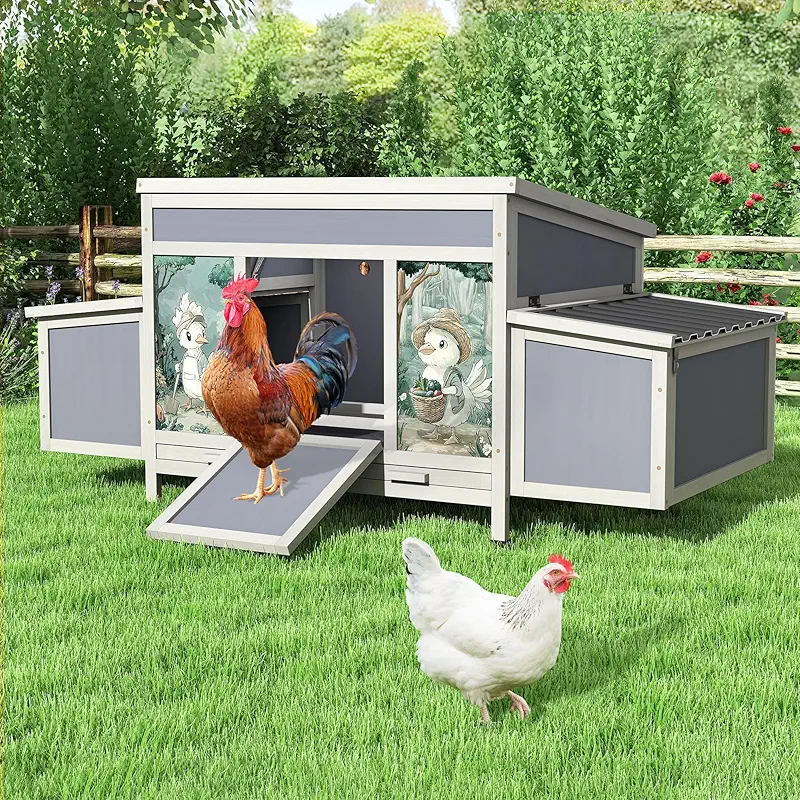
The best wooden run is the one where your hens look calm, busy and safe every time you glance outside.
FAQ about finding a wooden chicken run for sale
How big should a wooden run be for 4 hens?
For four average‑sized hens, I like at least 32–40 square feet of run space. That might be a run around 4x8 feet or larger. If your hens will spend long winter days inside the run, give them as much room as your yard allows. Extra space means less pecking, fewer dirty feathers and calmer evenings when you go out to close the door.
Is wood really safe against predators?
Yes, if it is built well and combined with strong wire. The wood forms the frame and helps keep everything solid. The real defense is the mesh and the way it is attached. When you choose a wooden chicken run for sale, check that the wire is sturdy and fastened tightly, with no loose edges. Add a buried wire skirt or bricks around the base to stop digging animals.
Do I need a roof on my wooden chicken run?
I strongly prefer at least a partial roof. It keeps the ground drier, gives shade in summer and stops wild birds from dropping in and sharing diseases. A full solid roof is wonderful, but even a mix of wire and solid panels helps. Many ready‑made wooden runs can take lightweight roofing panels quite easily.
How long does a wooden run last?
With simple care, a good wooden run can last many years. I have one that is now on its eighth year. I repainted or sealed the wood when it started to look tired, fixed any soft boards, and checked the wire every spring. Runs that are raised slightly from wet soil and kept out of standing water last much longer.
Can I move a wooden chicken run around the yard?
Smaller, lighter runs can be moved by two people and are nice if you want to give fresh grass often. Larger walk‑in runs are usually more permanent. If you think you might want to move the run, look for a design that is not too tall or heavy and that has a solid base frame so it will not twist when you lift it.