
Wooden chicken run extension
Wooden chicken run extension ideas and gentle advice from a keeper who spends more time with hens than with people. If your flock needs more room to stretch, scratch and live calmly, you are in the right place.
Wooden chicken run extension: let your hens breathe
My hens taught me something simple: when they have space, they relax. When they relax, they lay better, stay healthier, and their little arguments almost disappear. A wooden chicken run extension is one of the easiest ways to give them that calm life.
I still remember the first time I attached an extra wooden run to our small coop. The girls stepped out slowly, then suddenly began to dust bathe in a corner they had never had before. That day I promised myself I would never leave them cramped again.
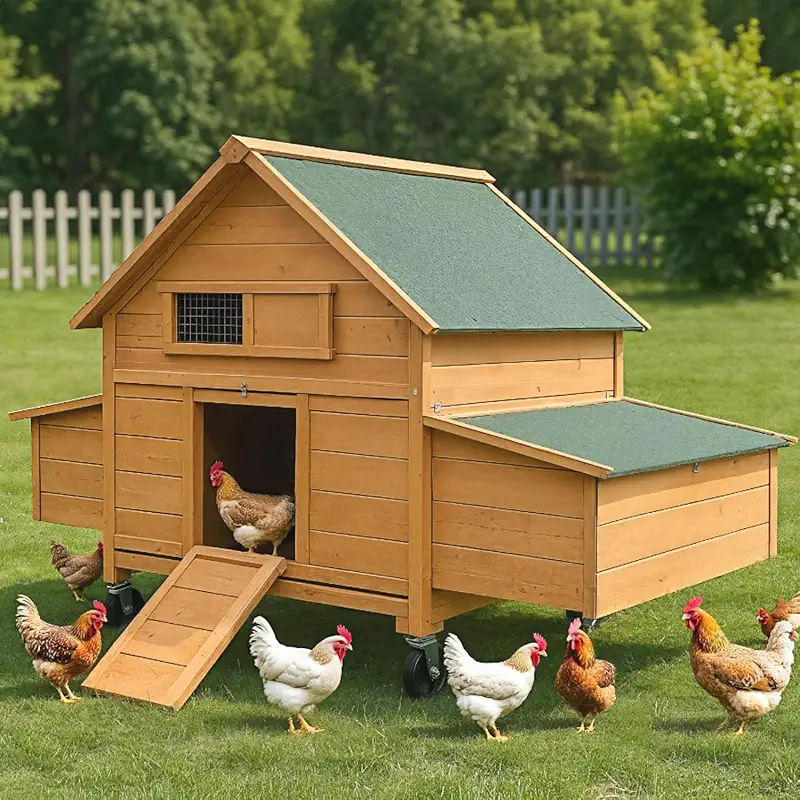
A sturdy wooden chicken run extension gives your flock more safe ground to explore.
There are many wooden extensions that can attach or stand next to your current coop, giving your hens a wider safe yard under a solid frame and wire.
Typical price range: from budget to solid mid-range models.
Why a wooden chicken run extension changed my flock’s life
When I first started with chickens, I only had three hens and a small wooden coop. I thought the built-in little run would be enough. It looked cute, and the hens seemed happy, at least during the first weeks.
But as the months passed, I noticed small signs. They paced along the same line. They pecked at each other’s feathers more often. Dust bathing spots were crowded. When I opened the door to the garden, they rushed out like they had been waiting all day, which of course they had.
I was worried, but also on a budget. Building a huge custom setup felt scary. That’s when I discovered pre-built wooden chicken run extensions that you can attach to an existing coop or place right next to it.
Adding that first extension did not look like a big thing to a human eye. To my hens, it was like someone had moved a wall and given them a small field. Suddenly they had:
- New corners to explore and feel safe in.
- More distance between bossy hens and shy hens.
- Room to stretch wings without bumping into a friend.
- A better place for dust baths, away from the food.
I share all of this because a wooden chicken run extension is not just “extra wood and wire”. It is a way of telling your birds: “I see you. I know what you need. I will make your little world kinder.”
How to choose the right wooden chicken run extension
Every flock is different. I keep a mix of calm and curious hens, so I look for extensions that feel open but still protected. When I help friends pick a run, I always think about three things first: safety, space, and ease of use.
1. Safety first: wood, wire and roof
The frame is usually wood and the sides are wire. For safety, I like:
- Solid wooden frame that does not wobble when you push it.
- Wire with small openings, so rats and small predators cannot squeeze in.
- Roof or at least partial cover to stop hawks and keep rain off the run.
Some wooden chicken run extensions come with a full wooden or asphalt roof; others have open tops where you can add your own cover. If you live in an area with hawks, owls or heavy rain, I strongly suggest a covered run.
2. Space for each hen
A simple rule I use: the more space, the fewer arguments. For a run, I like to give at least 10 square feet (around 1 square meter) per hen if I can. With a wooden chicken run extension, even adding a few extra feet makes a real difference.
Think about:
- How many hens you have now.
- Whether you might add two “accidental” hens later (it happens more often than we plan).
- How often they are locked in the run, especially in winter.
3. Doors and cleaning
This part seems boring, but future-you will be grateful. Look for:
- A human-sized door or at least a wide access panel so you can step inside to clean.
- Secure latches that raccoons and curious children cannot easily open.
- Panels that you can remove or swing open to change bedding or rake the ground.
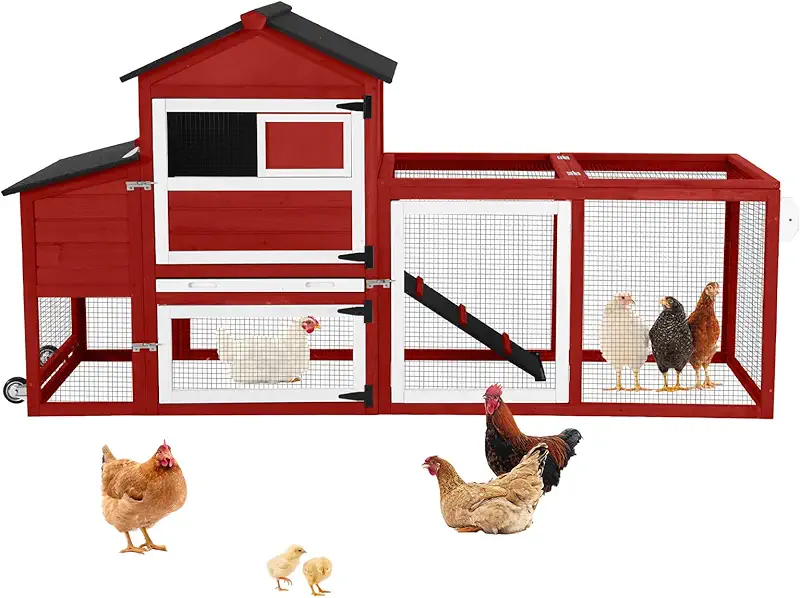
A side wooden run extension attached to a coop gives hens a safe outdoor hallway.
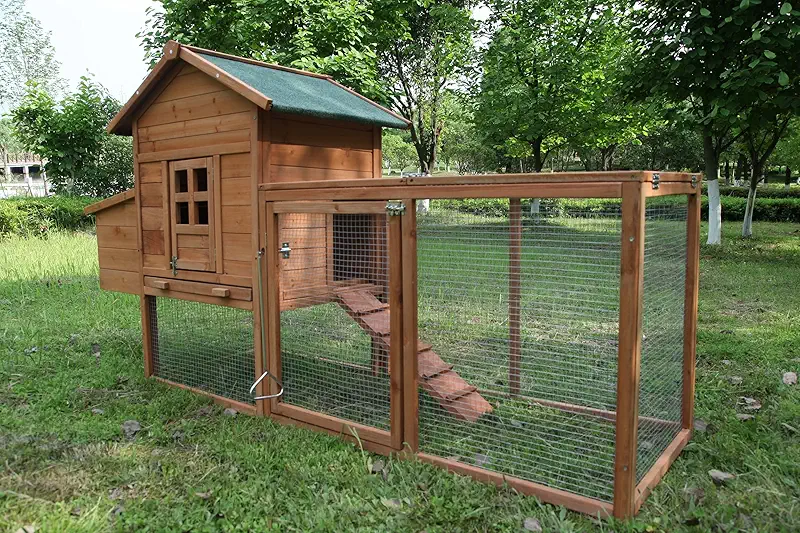
Tall runs make it easier for you to walk in, clean, and talk softly to your birds.
Many wooden chicken run extension models let you connect several units like building blocks. This is perfect if you want to start small and expand slowly as your flock grows.
How to attach a wooden chicken run extension to your current coop
The first time I joined a new wooden run to my older coop, I was nervous. I imagined gaps everywhere and hens slipping out. In the end, it was simple and calm, and I want it to feel that way for you too.
Step 1: Choose the connection point
Stand in front of your coop and imagine where your hens naturally move. The best place for the extension is usually:
- Right in front of the pop door, or
- Along one side, where you can cut or open a hole from the coop run into the extension.
Make sure the ground is level enough so the run sits flat and no gaps appear at the bottom.
Step 2: Build the extension frame
Follow the instructions that come with your wooden chicken run extension. Most of them use labeled panels and simple screws. I like to:
- Lay out all pieces on the grass first.
- Pre-check that each panel’s wire is tight.
- Tighten every screw firmly, but without cracking the wood.
Step 3: Push the extension up to the coop
When the frame is ready, slide it against the coop or existing run. Look for:
- No visible gap where a hen or predator could squeeze through.
- Wooden frames touching each other firmly.
- Doors opening without hitting any part of the coop.
If you do see small gaps, you can use extra wood strips, hardware cloth, and screws to close them. I have used an old piece of board more than once to seal a tricky corner.
Step 4: Secure the join
To keep everything steady, I normally:
- Use exterior screws to join the wooden frame of the extension to the coop or existing run.
- Add strong wire or brackets at the top for extra strength.
- Cover any joint area with a strip of hardware cloth, screwed on tightly.
Step 5: Invite the hens slowly
Chickens can be both brave and cautious. When I open a new extension for the first time, I do it during a calm afternoon. I scatter a small handful of scratch grains near the entrance, then a few more inside the new space.
Usually one bold hen steps in first. The others follow her clucks. Within half an hour, they behave as if the new run has always been there.
Daily life with a wooden chicken run extension
After a few weeks with a bigger run, your routine will probably feel easier too. My mornings changed in a very gentle way when I added more safe outdoor space.
Here are the small changes I noticed:
- Less feather pecking and bullying, especially among younger hens.
- Cleaner coop interior, because they spend more time scratching outside.
- More natural behavior: dust baths, sunbathing, and foraging.
- Better egg laying in stressful weather, since they feel safer and less bored.
Enrichment inside the extension
The wooden run extension is like a blank room. You can make it interesting with simple things:
- A few logs or stumps for climbing and perching.
- Hanging cabbage or bunches of greens for pecking.
- A dry corner with fine sand and soil for dust bathing.
- A small pile of autumn leaves or straw to scratch through.
These little touches turn the run into a world full of gentle adventures for your birds.
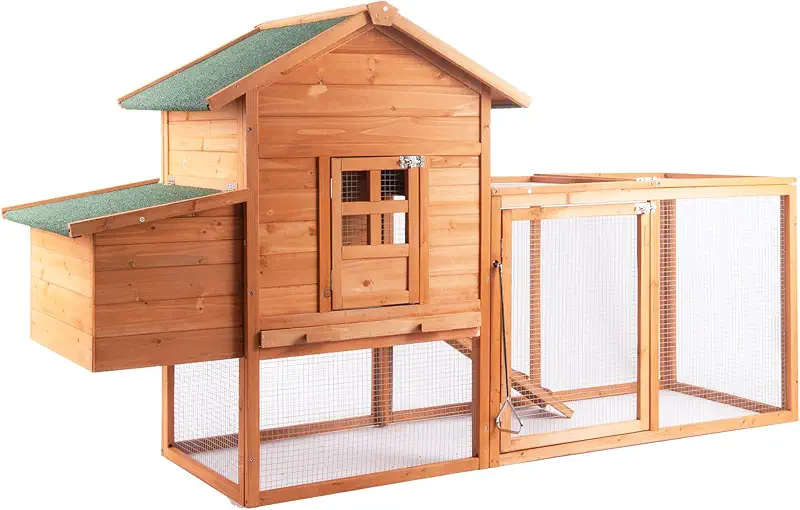
Inside a wooden extension, you can add branches, dust baths and simple toys for richer daily life.
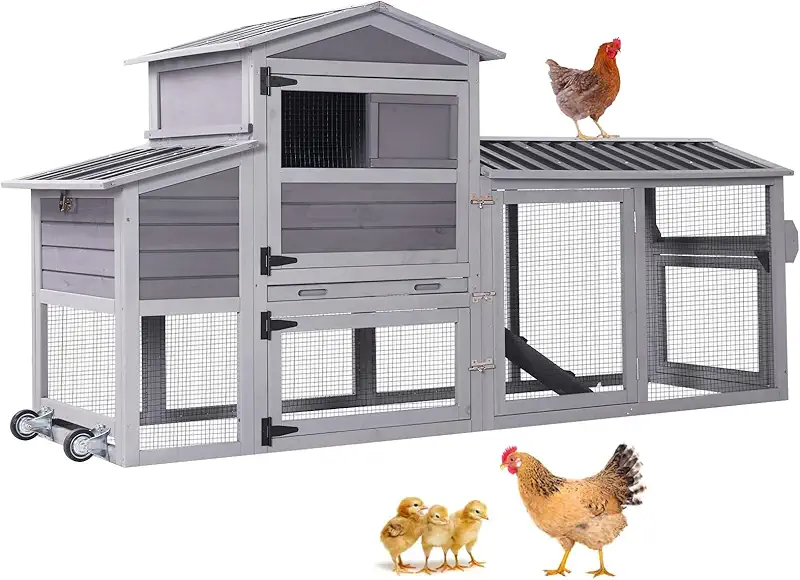
Connecting runs together creates long tunnels where hens can wander and feel safely hidden.
Some wooden chicken run extension designs are long and narrow like a corridor; others are square and roomy. Long runs are great if you want to lead your hens to a patch of grass or a garden bed.
Caring for a wooden chicken run extension over time
Wood is warm and natural, but it also needs a bit of love. My oldest wooden run extension is now several years old, and it is still strong because I check and care for it like I do for my flock.
Protecting the wood
Once a year, usually in dry spring weather, I:
- Brush off dirt, cobwebs and loose bedding from the frame.
- Inspect for soft, rotten spots at the bottom where wood meets the ground.
- Use a pet-safe outdoor wood treatment if needed, avoiding the inside surfaces they peck.
Lifting the frame on a thin line of bricks or treated wood can help keep moisture away from the base.
Watching the wire and latches
Wire and latches are the quiet heroes of any wooden chicken run extension. Every month or so, I look for:
- Loose staples or screws holding the wire.
- Any rust or weak spots, especially near the bottom.
- Latches that close firmly and cannot be opened by clever paws.
Seasonal adjustments
Different seasons change how your hens use their wooden chicken run extension:
- Summer: add shade cloth or boards on the sunny side; keep fresh water in the run.
- Winter: lay extra straw on the ground; shield the windy side with boards or clear plastic, leaving enough airflow.
- Rainy days: place a covered dust bath inside the run so they can still care for their feathers.
These simple changes make the run a comfortable place all year round, not only on perfect weather days.
FAQ about wooden chicken run extensions
1. How big should a wooden chicken run extension be for my flock?
I like to aim for at least 10 square feet per hen in the run, including the extension. More is always better if you have the space and budget. If you cannot reach that number, any extra area you add still helps to lower stress and pecking.
2. Can I connect more than one wooden chicken run extension together?
Yes, many models are easy to line up like pieces of a fence. You can place two or three extensions side by side to create a longer run, or form an L-shape around your coop. Just make sure each join is firmly screwed together and all gaps are closed with wire.
3. Will a wooden chicken run extension protect my hens from predators?
A well-built extension with strong wood, tight wire and secure latches offers good protection from many common predators. However, no setup is perfect. I still lock my hens inside the solid coop at night and check the run regularly for digging, chewing or loose parts.
4. Is wood a good choice if I live in a wet climate?
Wood can do well in wet areas if you take care of it. Look for pressure-treated or well-finished frames, keep the base slightly off the soil if possible, and allow airflow so the wood dries between rains. A yearly check and touch-up will add years to its life.
5. How do I move a wooden chicken run extension if I change my yard layout?
Many extensions are light enough for two people to lift and shift a short distance. I usually remove any heavy enrichment from inside, unscrew the join to the coop, and then gently carry or slide the run to its new place. After moving, I re-check all joints, wire, and latches before letting the hens back inside.
Looking at different wooden chicken run extension styles
If you look around, you will see that wooden chicken run extensions come in many shapes. Some are low and long, others tall and walk-in. I have tried both, and each has its own charm.
Low and long runs
Low extensions keep hens close to the ground and are often lighter to move. They work well if you want to guide your flock to a patch of grass or under a fruit tree.
The downside is that it is harder for you to step inside, so cleaning and catching a shy hen can be tricky.
Walk-in wooden extensions
Taller runs that let you stand inside are kinder to your back and to your patience. You can clean, refill feeders, and even sit on a crate with your birds during a quiet afternoon.
These are my personal favorite because they make daily care calmer and give you more time to observe your hens closely. You will spot health issues faster when you share space with them.
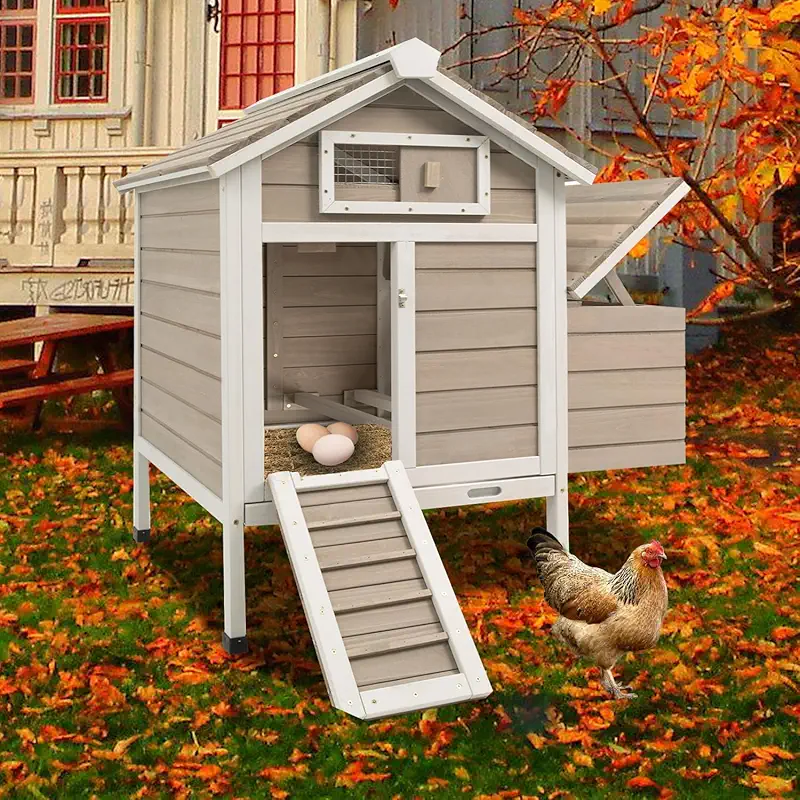
A taller wooden chicken run extension lets you walk in and spend quiet time with your flock.
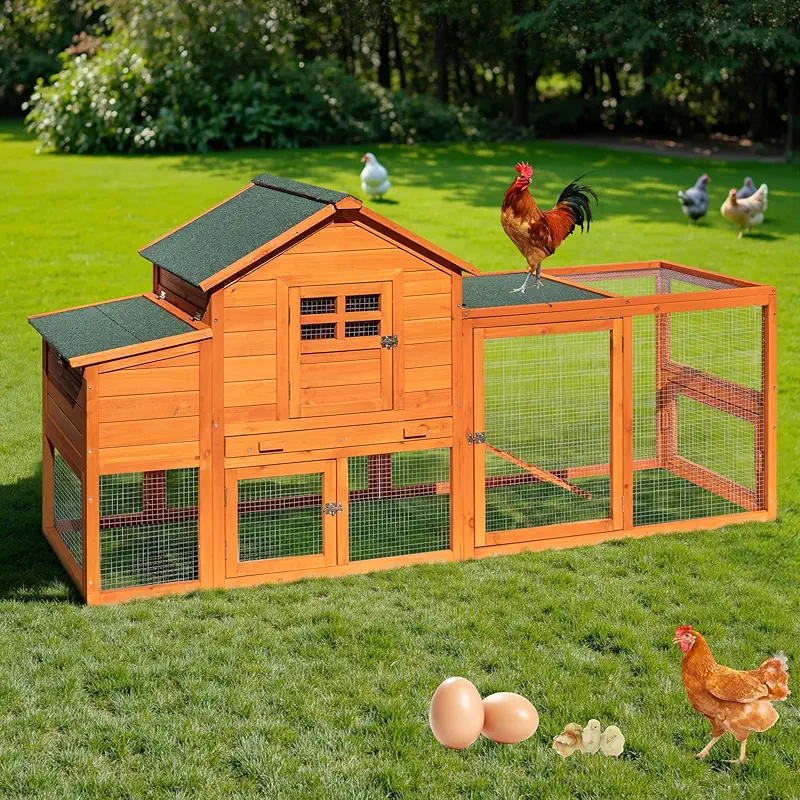
Low, tunnel-style runs are easy to place along the garden edge for gentle foraging.
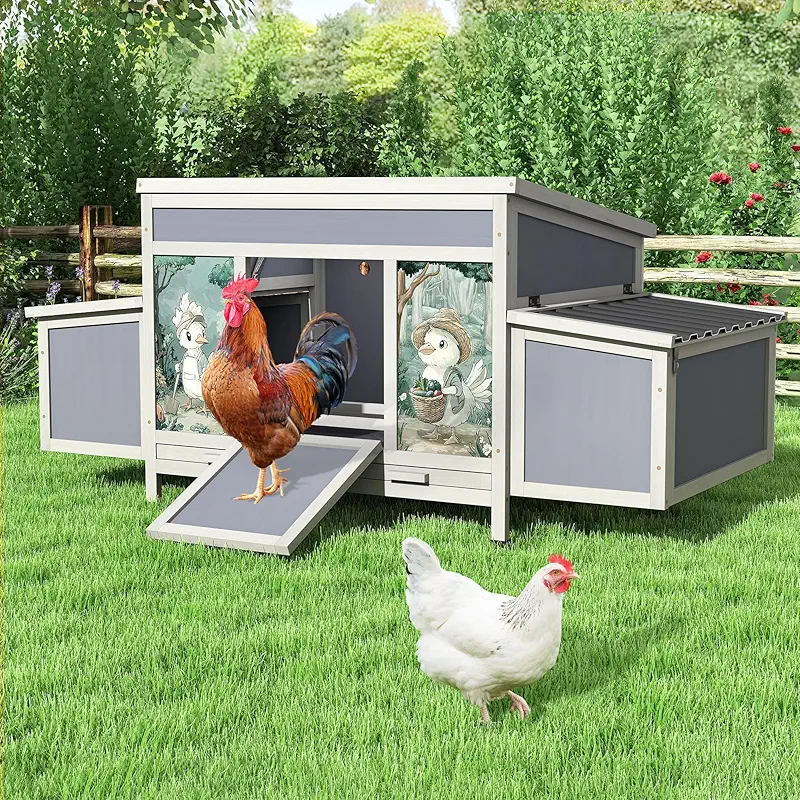
Combining wooden runs and coops can turn a small yard into a peaceful little chicken village.
No matter which style you lean toward, the most important part is that it fits your daily life and your hens’ gentle nature. When you stand by the run and watch them scratch, dust bathe and quietly talk to each other, you will feel if the space is right.
If you want to see different sizes, shapes and layouts of wooden chicken run extension designs, you can explore a range of options and picture how they would look in your own yard.