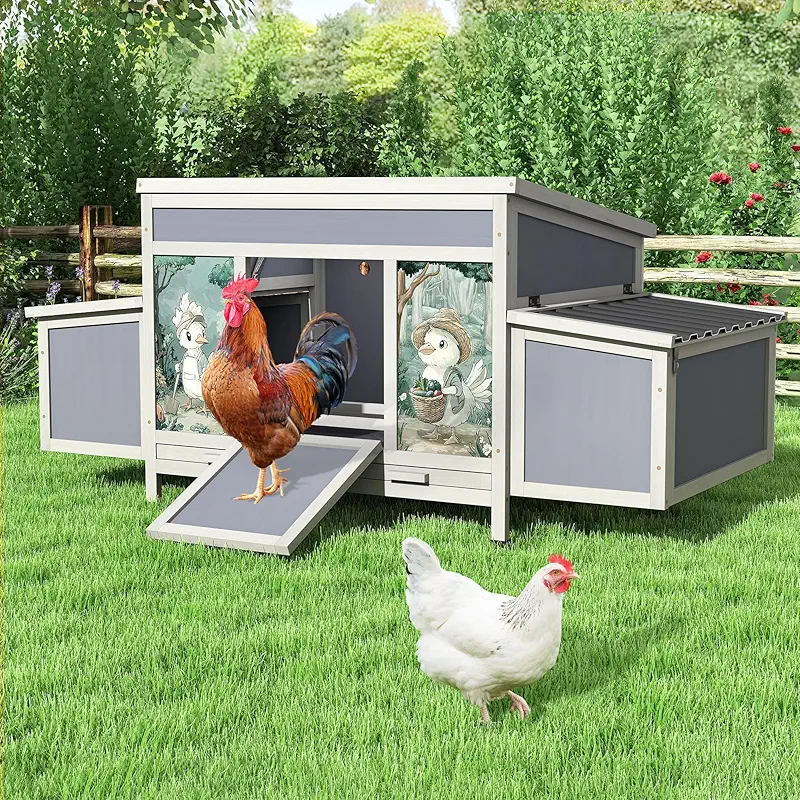
Wooden chicken coops with runs
I have spent many quiet mornings sitting on an upturned bucket, watching my hens scratch, dust-bathe, and gossip in their wooden coop and run. When the coop is right, the whole flock slows down, relaxes, and you can feel the peace in your yard. Choosing wooden chicken coops with runs is not only about shelter. It is about giving your birds space to behave like real chickens, while you sleep easy at night.
On this page I share what has worked in my own backyard, plus some gentle guidance to help you find a wooden chicken coop with run that feels safe, simple, and kind for your hens.
When people ask me why I like wooden chicken coops with runs, I always think of one hen in particular, an old red girl named Maple. She never liked to be shut in. With a good run attached to the coop, Maple could choose: a nap in the shade under the ramp, a slow scratch in the dry soil, or a quiet moment on the roost. That choice made her calmer, gentler, and she laid steady little brown eggs right until her last season.
A solid wooden coop gives warmth, quiet, and darkness for resting. The run gives air, sunlight, and room to explore. Together, the coop and run make a small world where your chickens can live safely, even when you are away at work or busy with family. As a keeper, you also feel calmer, because you know they are protected from dogs, foxes, hawks, and sudden storms.
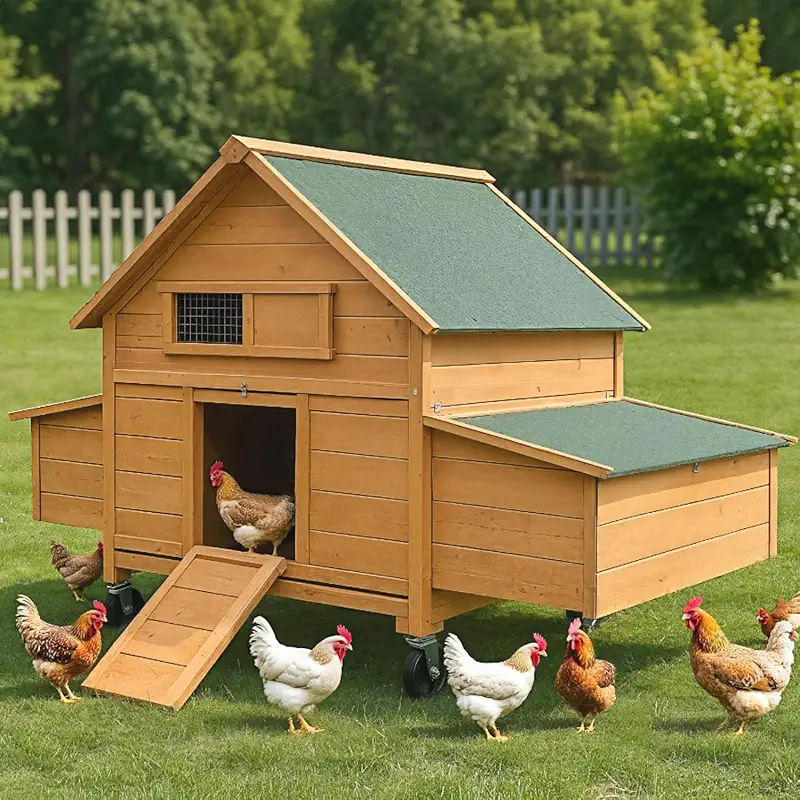
Why wooden chicken coops with runs feel so good for hens
Over the years I have tried many housing styles: plain sheds, small cages, open barns. My birds always seemed most relaxed in wooden chicken coops with runs. Wood has a quiet way of holding warmth, blocking harsh wind, and softening sound. The attached run lets them move safely when I cannot supervise them in the full yard.
When a hen feels safe, she shows it. She chatters softly, keeps her feathers smooth, and walks with her tail up. When the coop or run is wrong, she paces, cries loudly, or hides in corners. A good wooden coop with run supports natural behavior:
- Perching high at night, away from ground damp and drafts.
- Nesting in a quiet, dark box where she feels hidden.
- Scratching and pecking in the run, rain or shine.
- Dust-bathing in dry soil, which keeps skin and feathers healthy.
What to look for in wooden chicken coops with runs
When I help friends choose their first coop, I try to keep it simple. You do not need something fancy. You just need clean, dry, safe, and easy to live with. Still, there are a few details that make daily care gentler both for you and your flock.
1. Enough space for real chicken behavior
I like to picture a rainy day when the hens cannot free-range. Can they stretch, flap, and move around inside the run without bumping into each other all the time? For small backyard flocks, many wooden chicken coops with runs are built for about 2–6 hens, and that is often a comfortable size for beginners.
- Sleeping area: I feel better when each full-size hen has at least 3–4 square feet inside the enclosed coop.
- Run area: For the run, more is always nicer, but I try to stay at 8–10 square feet per hen or more when I can.
Bantams (the tiny ones) can manage with a bit less, while big heavy breeds like Orpingtons and Brahmas benefit from extra room and stronger perches.
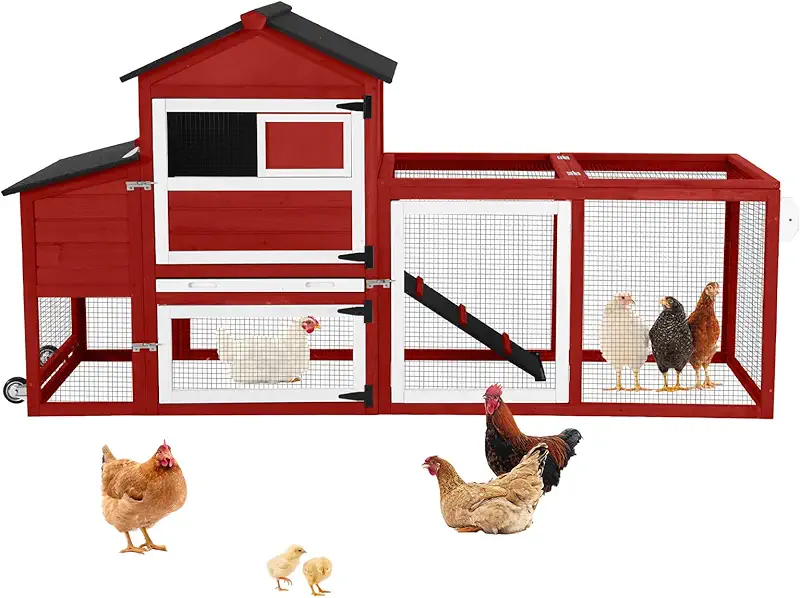
2. Safe and calm roosting bars
Roosts are where your girls will spend half their life, quietly sleeping side by side. I prefer wide, smooth wooden bars rather than round metal. Wood feels warmer on cold nights and gives their toes something solid to wrap around.
- Look for roosts that sit higher than the nest boxes, so hens do not sleep where they lay.
- Check that roosts are easy to reach but not so close to the roof that they bump their combs.
3. Nesting boxes that feel hidden
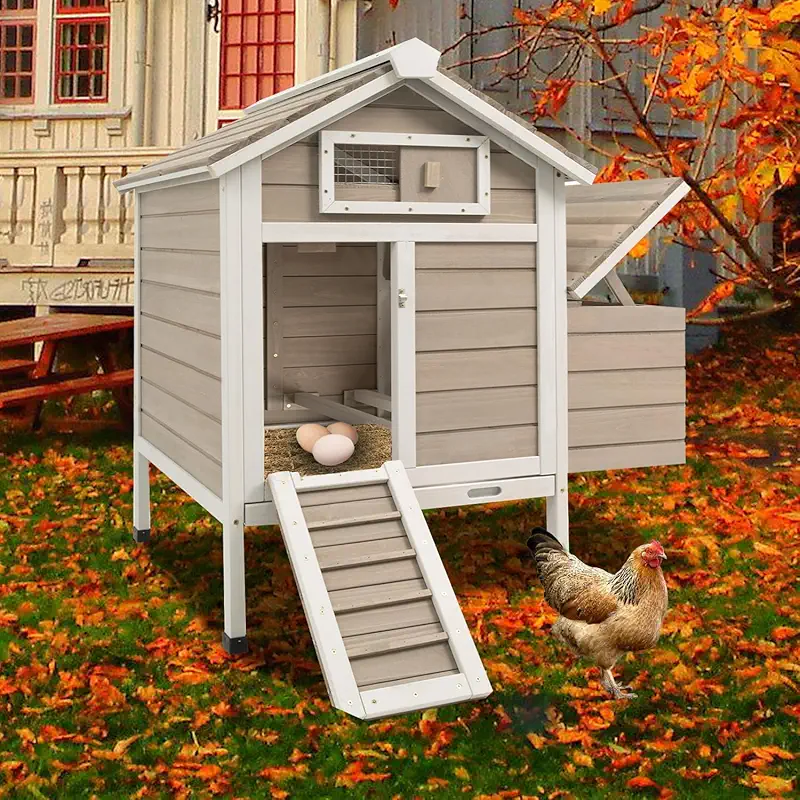
A good nest box is like a gentle hug. It should feel private, dark, and safe. Many wooden chicken coops with runs have external nesting boxes with lids that open from the outside. That little detail saves my back and makes egg collection one of the sweetest parts of the day.
4. Strong wire and sturdy latches
Predators are patient. Raccoons have clever hands, and even small terriers can dig under a run. When you look at wooden chicken coops with runs, pay close attention to the wire and the doors.
- Wire: I feel safer with smaller gaps in the wire, so tiny paws cannot reach in.
- Frame: The run should not wobble when you give it a gentle shake.
- Latches: Simple slide bolts are better than floppy hooks that can be nudged open.
A few minutes spent checking locks and corners now can save you many tears later.
Different styles of wooden chicken coops with runs
Not every yard or flock is the same. Over time I learned that the “best” coop is the one you can keep clean and safe without feeling overwhelmed. Here are a few common styles I see, and how they tend to feel in daily life.
Small barn-style coops with runs
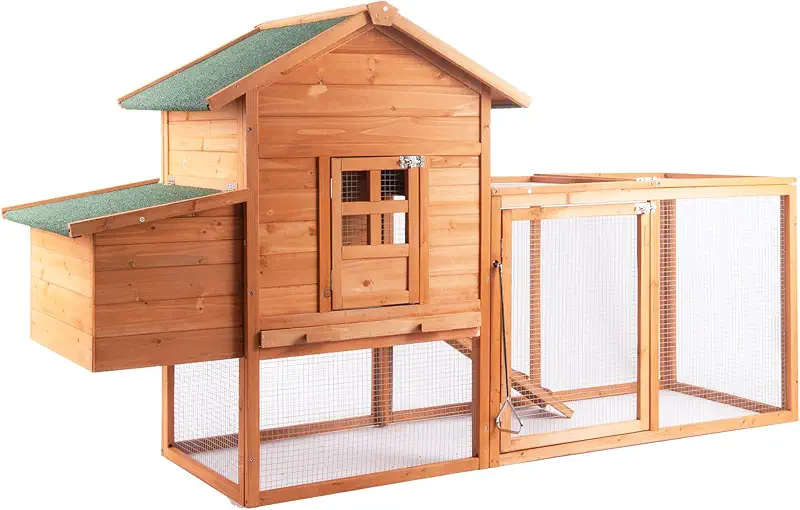
These look like tiny barns. The coop is in the back, and the run extends forward. They fit nicely in smaller yards and are gentle for families just starting with 3–4 hens.
I often choose these when I want something simple and cozy for a first flock.
Long runs for active flocks
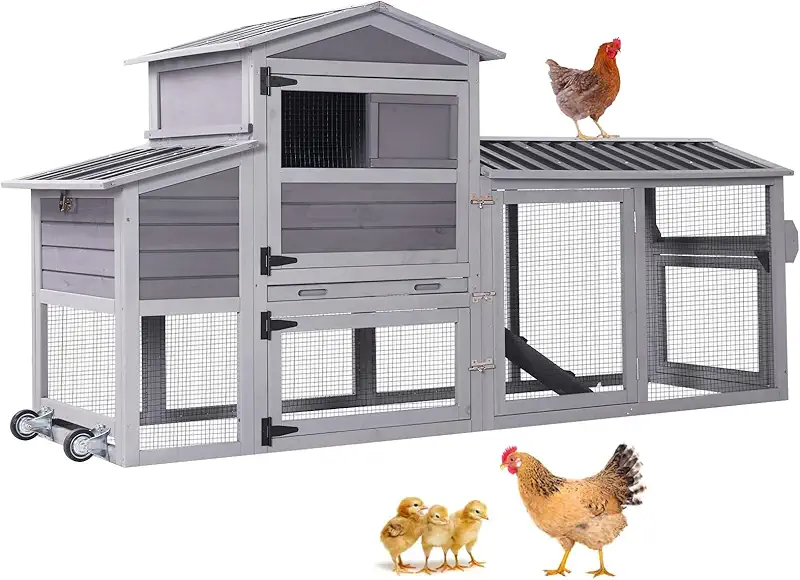
Some wooden chicken coops with runs offer extra-long runs. These work well for lighter, busy breeds that like to move all day, like Leghorns or small mixed bantams.
Extra length in the run can matter more than fancy decorations on the coop.
Walk-in coops and runs
If your knees complain when you bend, a walk-in style can be a gift. You step inside the run to clean, refill feeders, and talk with your girls eye to eye.
Easier cleaning often keeps people in the chicken hobby for many happy years.
Mobile tractor-style coops
A few wooden chicken coops with runs are built to be moved across the lawn. This lets birds graze fresh grass while still staying fenced.
Wheels can be helpful, but check that the frame still feels solid.
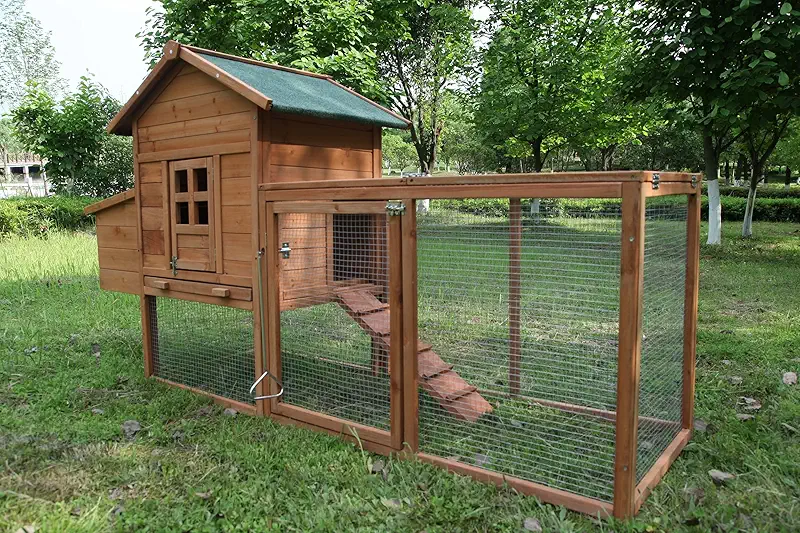
Practical tips for setting up wooden chicken coops with runs
A good coop is more than the wood and wire. Where you place it and how you set it up can change the whole mood of your flock. Here are small choices that have made big differences for my hens.
1. Choose a gentle spot in the yard
Chickens like routine and calm. I try to keep their coop in a place that:
- Gets morning sun to dry dew and warm their feathers after a cold night.
- Has some afternoon shade, so the run does not bake in summer.
- Is slightly raised, so rainwater does not pool under the run.
2. Help wood last longer
Wood feels warm and natural, but it also needs a bit of care. When I bring home new wooden chicken coops with runs, I gently treat the outside with a safe wood sealer or oil, avoiding the inside where birds roost and nest.
Keeping the coop off direct soil using blocks or pavers can also reduce damp and help the floor last longer. Dry wood is happy wood.
3. Make cleaning gentle on your body
You will clean this coop many, many times. Little details can decide if it feels like a burden or a quiet routine you almost enjoy.
- Sliding trays under roosts let you remove droppings quickly.
- Big doors give room for your hands and a small rake.
- Removable ramps or perches make deep cleaning easier.
I use simple dry bedding, like pine shavings, and I clean a little every day rather than waiting for big messy jobs.
4. Shade, wind, and winter care
In hot summers, wooden chicken coops with runs may need extra shade. A bit of shade cloth or climbing plants on one side of the run can lower stress for the birds. In cold climates, solid wood walls protect them from wind, but I always make sure some high vents stay open for fresh air.
Living with your coop day after day
I like to think of the coop and run as a little village, and myself as the quiet caretaker. Each day, I walk by, open doors, talk to the birds, and notice small things. The better your wooden chicken coops with runs fit into your daily rhythm, the easier it is to keep that village in order.
My simple morning routine
Every morning looks almost the same in my yard. That sameness seems to calm the hens:
- Open the coop door to the run, greeting each hen by name.
- Check food and water without stepping inside, if possible.
- Glance at the bedding under the roosts and the corners of the run.
- Collect any early eggs gently, thanking the hens under my breath.
Watching how hens use the run
After a few weeks with new wooden chicken coops with runs, I like to just watch. Do they spread out or cling to one corner? Do they use the whole ramp, the upper roosts, and the shade spots? If parts of the run feel ignored, I may add a branch to perch on or a shallow tray of dry soil for dust baths.
Chickens are honest. If they do not like a part of the setup, they will tell you with their feet.
Choosing wooden chicken coops with runs for your own flock
If you are reading this because you are close to bringing chickens home, I feel a bit of that excitement with you. I still remember the first soft cluck I heard from my very first coop. When you look at different wooden chicken coops with runs, try to imagine real days and real weather, not just the sunny picture on the box.
Ask yourself:
- Can I reach every corner to clean without dread?
- Will this hold up to the storms, heat, and winters in my area?
- Is there room for one or two extra hens in the future, if my heart softens and I add more?
I also like to remember that chickens do not need perfection. They need consistency, kindness, and safety. A simple, sturdy wooden coop with a well-planned run often serves better than a large but awkward design.
FAQ about wooden chicken coops with runs
How many hens can I keep in a small wooden coop with run?
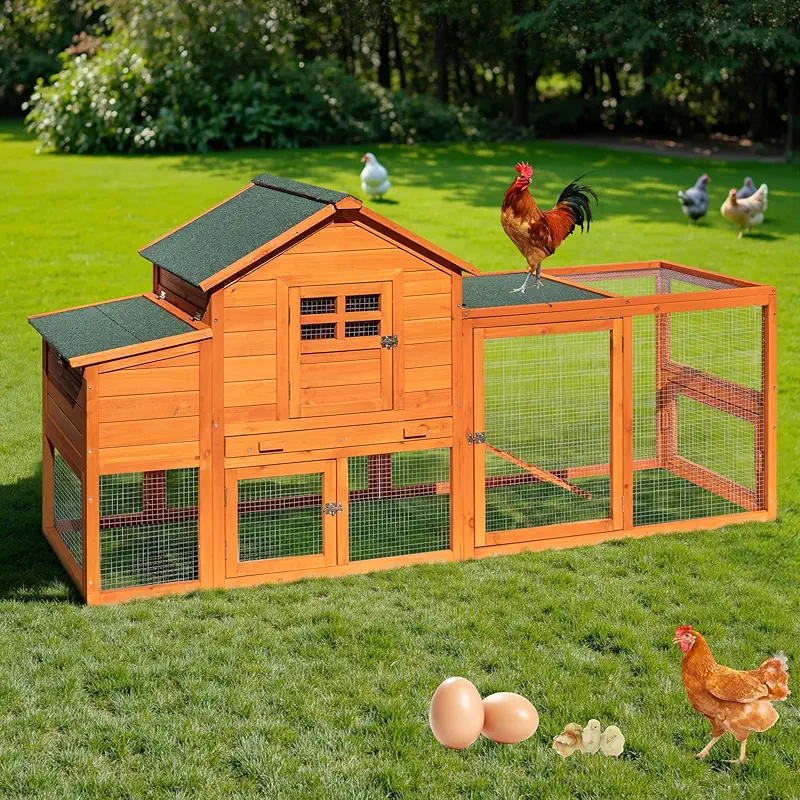
For most standard wooden chicken coops with runs sold for backyards, I feel comfortable keeping 3–4 full-size hens, or up to 5–6 bantams, as long as they also get some time outside the run now and then. Many boxes claim to fit more birds, but I prefer to be kind and give extra space. Overcrowded hens argue more, pick feathers, and are harder to keep healthy.
Do wooden coops with runs work in very cold winters?
Yes, they can, if you help them a little. Solid wood walls block wind, which is the most important thing. I make sure the coop stays dry, with good bedding and no drafts at roost height. I still keep some higher vents open so moisture can escape. Hens tolerate cold far better than dampness. In very harsh climates, adding an inner wind break or extra insulation around the coop can make nights more comfortable.
How often should I clean wooden chicken coops with runs?
I like small, regular habits. I remove droppings under the roosts almost every day, which takes just a few minutes. Nest boxes get fresh bedding when they start to look messy, usually once a week. A deeper clean, where I take out most bedding and check corners, happens every month or two. The run itself gets attention when I see muddy spots or wet bedding building up.
Will a run keep my hens safe from all predators?
A well-built run is a big step toward safety, but I never trust it blindly. I check wire for gaps, make sure latches are firm, and, if I know there are strong diggers in the area, I add a buried wire apron around the run. Wooden chicken coops with runs protect hens when I am not there, but my regular visits and checks are still the strongest protection they have.
Are wooden chicken coops with runs hard to move if I change my yard layout?
Smaller models can usually be lifted or slowly slid by two adults, especially if the run is not full of heavy bedding. Large walk-in styles are harder to move without taking them partly apart. If you think you may want to shift the coop later, choose a design with a lighter frame or built-in wheels and keep the area around it clear, so moving does not become a stressful project for you or the hens.
A gentle closing thought
When I lock my birds in each evening, I always pause for a second with my hand on the coop door. Inside, they shuffle on their roosts and settle into soft clucks. The run stands quiet, ready for morning. It does not have to be perfect. It just has to be steady, dry, and safe.
If you choose wooden chicken coops with runs with that simple goal in mind, your hens will tell you with bright eyes, smooth feathers, and steady eggs that you did well. The coop becomes more than a structure of boards and wire. It turns into a small promise you keep for them every day: you are safe here.