
Wooden chicken coops for sale
Wooden chicken coops for sale
I have lived with chickens for many years. I know how it feels to open the coop in the morning and see every hen safe, dry, and curious to start the day. On this page I want to help you choose the right wooden chicken coop for your flock, with calm, honest advice from someone who truly loves these little feathered people.
When I started raising hens, my first coop was a wobbly, second‑hand wooden box. The roof leaked, the doors stuck, and cleaning it was a small nightmare. I still feel a pinch of guilt when I remember my old hen Rosie standing in the corner, trying to stay away from the draft. That is why I care so much about good wooden chicken coops for sale. A solid coop is not a luxury. It is the heart of your flock’s life.
Over the years, I have tried different designs: tall walk‑in coops, small backyard models, coops with runs attached, and simple houses that sit inside a larger pen. I have repaired broken hinges in the dark and carried sleepy hens into dry shelter during sudden storms. Little by little, I learned what really matters when you bring a new wooden chicken coop into your yard.
On this page I will walk you through the key things to check before you choose. I will share what has worked for my birds through hot summers, wet springs, and icy winters. I will also point you toward some sturdy wooden chicken coops for sale that match what I look for when I buy for my own flock.
If you already have a rough idea of what you want, you can look through a wide range of wooden chicken coops that match different flock sizes and budgets. I like browsing options, reading reviews, and imagining how each coop would sit in my own yard.
Many sizes and layouts, from tiny backyard coops to roomy walk‑in houses.
Let me browse calmly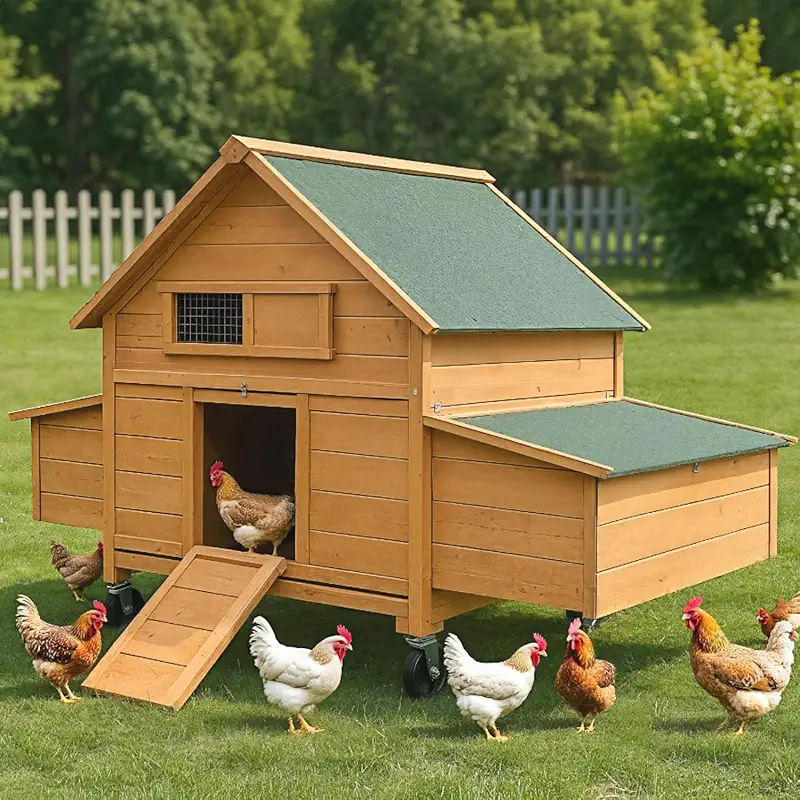
What I look for in a wooden chicken coop
When people ask me about the “best” wooden chicken coops for sale, I always answer with another question: “What would make your hens feel calm?” A good coop lets them eat, sleep, and lay in peace. It keeps them dry when it rains, cool when it is hot, and safe when something prowls at night. Let me share the checklist I use when I help friends choose a coop.
Chickens hate being crowded. For standard‑size hens I like at least 3–4 square feet per bird inside the coop, and more if you can. When I gave my flock a bit of extra space, pecking and squabbles almost disappeared.
Damp air is the quiet enemy of chickens. A coop that leaks or stays humid brings respiratory issues and frostbite. Tight seams, a solid roof, and raised legs help so much.
Fresh air, without harsh drafts, is vital. I look for vents or small windows near the top of the walls, safely covered with wire mesh so nothing can squeeze in.
Thin, soft wood warps and breaks after a couple of seasons. A sturdy frame, decent thickness, and rust‑resistant hardware mean your coop can face wind and time.
If cleaning is hard, it will be delayed. I prefer coops with big doors, removable trays, and floors I can reach with a shovel or brush without crawling on my knees.
Doors that close firmly, latches that animals cannot flip open, and secure wire are my non‑negotiables. Sleep is lighter when I know everyone is locked up well.
Why wooden chicken coops feel so “right”
I have tried plastic and metal coops too. They work, but wooden chicken coops have a special warmth. Wood breathes a little. It softens noise. On cold evenings, when I close the coop door and the hens shuffle on their roosts, the wooden walls seem to wrap them in quiet.
Wood also fits gently into a garden or yard. It looks natural among trees, flowers, and grass. Many of the wooden chicken coops for sale today have charming details: little windows, sloped roofs, and nest boxes that open from the outside. It is practical, but it also brings joy each time you walk out with the feed bucket in your hand.
Of course, wood needs care. A thin coat of safe sealer or outdoor paint once in a while keeps it strong. I like to choose calm, earthy colors, so the coop feels like part of the landscape. My hens do not care about color, but I think they feel the peace we feel when we look at a tidy, well‑kept home.
When you look at different wooden chicken coops for sale, imagine your daily routine. Picture yourself opening the pop door in the morning, collecting eggs in your slippers, and cleaning out bedding on a chilly Saturday. A good coop makes these small tasks simple and pleasant. That is how you know it suits both you and your birds.
Different styles of wooden chicken coops for sale
Not every family, yard, or flock needs the same thing. Over the years I have kept as few as three hens and as many as thirty. I have lived with tiny backyards and wide open fields. Here are the main coop types I usually suggest when someone asks for help choosing among the many wooden chicken coops for sale.
1. Compact backyard coops
These are short, small wooden coops that often come with a little attached run. They suit people with 3–6 hens and limited space. They are also nice if you are just beginning and still unsure how deep you want to go with chicken keeping.
- Great for first‑time keepers.
- Easy to place in a corner of the yard.
- Simple to clean if doors and trays are well designed.
I always remind new keepers to think about the future. Many of us say we only want “a few hens,” but chickens are gentle and funny, and flocks tend to grow. If your budget allows, pick a compact coop that still offers a bit more room than you strictly need. Your future hens will thank you.
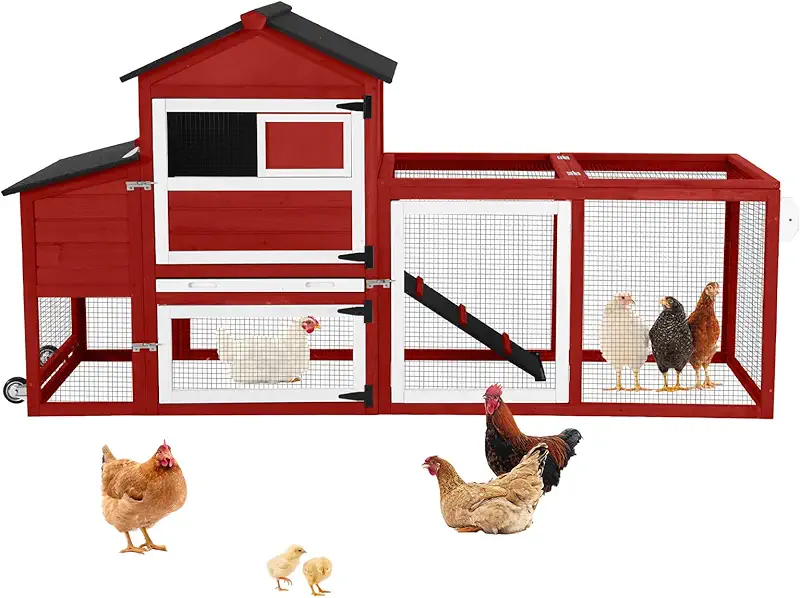
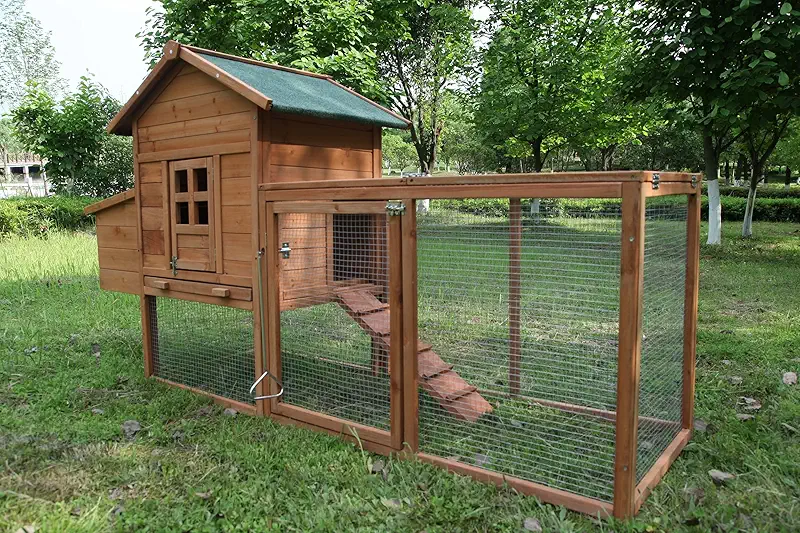
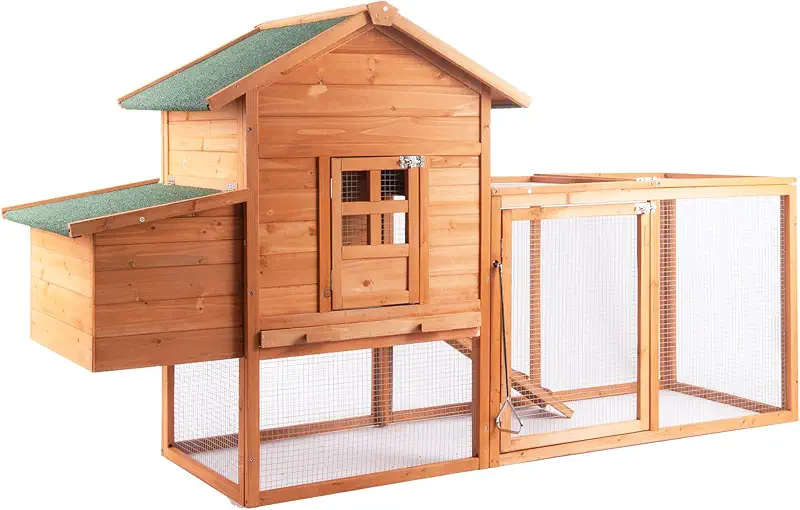
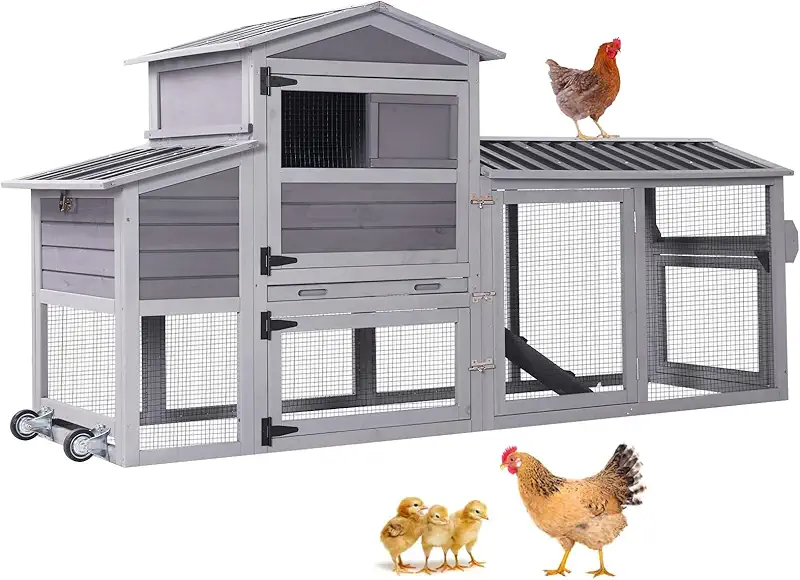
If you are picturing a small, tidy coop with enough room for a handful of friendly hens, you can explore compact wooden chicken coops that fit easily into most backyards and patios.
I’ll see small ones2. Coops with attached runs
Many of the wooden chicken coops for sale include a built‑in run under or beside the house. This style is useful when you want to give your hens outdoor time but cannot free‑range them because of neighbors, dogs, or local predators.
In my own yard, I use a wooden coop with a covered run for growing chicks and for times when hawks are especially active. I still let the birds roam under supervision, but the run gives them a safe place to scratch and dust bathe even when I am busy inside the house.
- Good balance of safety and freedom.
- Helps keep grass and garden beds protected.
- Can be moved in some cases to fresh ground.
3. Walk‑in wooden chicken coops
As flocks grow, a walk‑in coop starts to feel less like a luxury and more like common sense. Being able to stand up inside, hang feeders, and collect eggs without stooping saves your back and your patience.
My current main coop is a walk‑in wooden house. On winter evenings I step inside, close the door behind me, and spend a few minutes just listening to the soft clucks and rustling feathers. It is dry, quiet, and smells of clean shavings and warm birds. That feeling is hard to forget once you have experienced it.
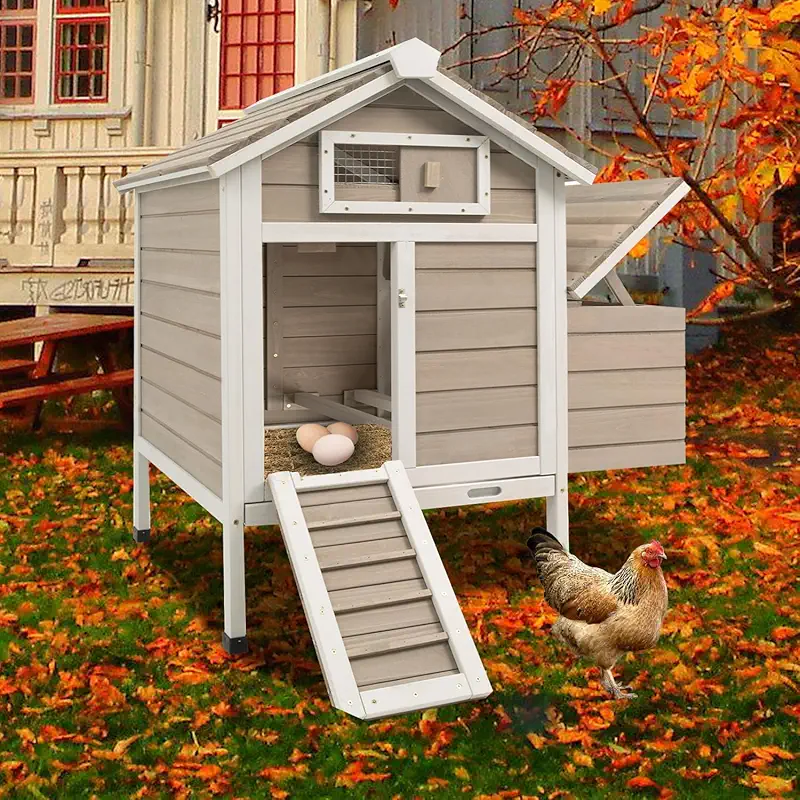
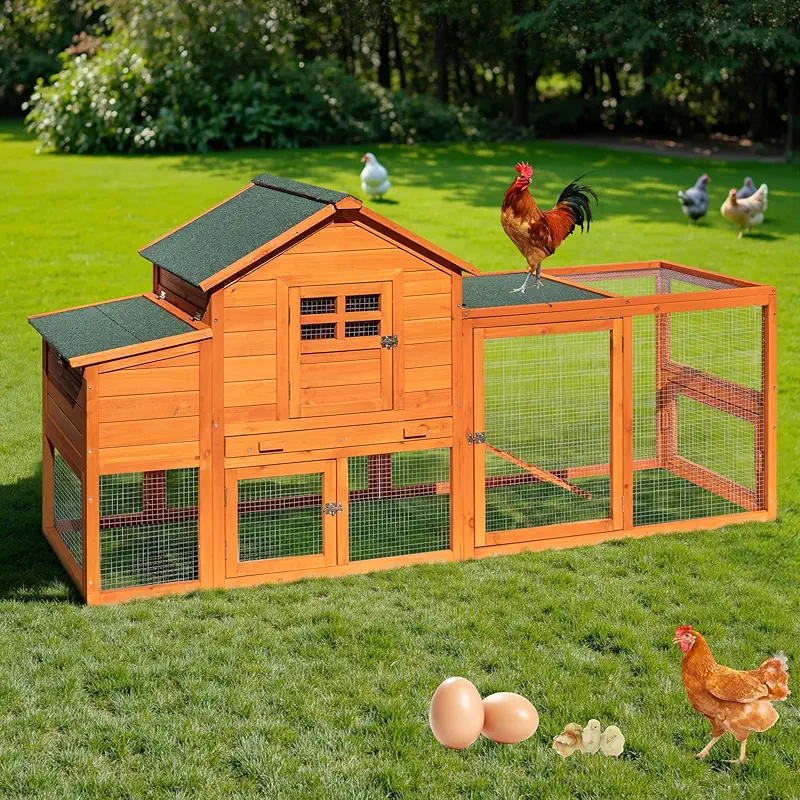
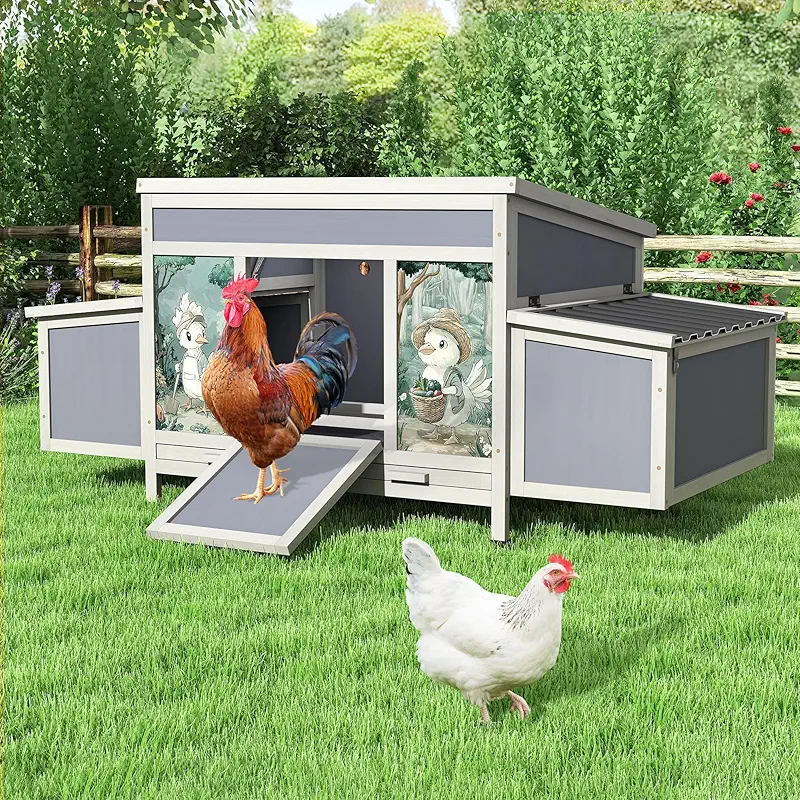
If walking inside the coop and standing beside your birds sounds comforting to you, you can look over larger wooden chicken coops for sale that are built with human height in mind.
Show me roomy coopsSmall details that make hens feel loved
Over time, I have noticed that hens relax when their home is calm, steady, and predictable. The big choices — size, strength, safety — matter first. But small touches inside wooden chicken coops also change the mood of the flock.
Comfortable roosts
Chickens like to sleep on perches that feel steady under their feet. I avoid thin round dowels. Instead, I use boards with softened edges, wide enough for them to rest their toes and cover them with their feathers on cold nights. When you look at wooden chicken coops for sale, check how the roosts are placed. Hens should be able to sit without knocking into walls or each other.
Nesting boxes that feel safe
A good nest box is like a little private room. It should be dim, dry, and filled with soft bedding. I have watched new layers pace nervously before their first egg. A gentle, sheltered nest seems to settle them. Doors or lids that open from outside the coop make gathering eggs easier for you, too.
Quiet corners and gentle light
Bright light all day can stress birds. I like coops that offer windows for fresh air, but also leave some shaded space. When rain taps on the roof and the world feels noisy, a quiet wooden coop becomes a place of rest, both for hens and for the person who cares for them.
One winter, my shy hen Clover started sleeping apart from the others. I worried she might be bullied. I added one extra roost in a corner of the coop, a bit lower and away from the bustle. Within two nights she had claimed it. Sometimes the difference between a stressed flock and a calm one is just a thoughtful beam of wood in the right place.
How to care for your wooden coop so it lasts
When you bring home one of the many wooden chicken coops for sale, you are not just buying a product. You are starting a small relationship between your flock, your yard, and this new wooden house. With simple habits, you can keep that coop strong and comfortable for many years.
Regular cleaning
I like to do quick touch‑ups often and deeper cleans every few weeks. If the coop has removable trays, I slide them out, scrape them, and add fresh bedding. I always check corners for damp spots. A clean coop smells mild, like dry wood and shavings, not sharp or sour.
Checking the wood
At least once each season, I gently push on the walls and floor to feel if anything has softened. If I spot small cracks or peeling finish, I fix them early. A simple, pet‑safe outdoor sealer can protect the wood from rain and sun.
Watching the roof and hardware
Roofs take the first hit from weather. I keep an eye on shingles or panels, and I tighten screws and latches when needed. It is a small task, but it means doors close well on windy nights when I really count on them.
If you are ready to welcome hens or to give your current flock a better home, you can look through wooden chicken coops for sale that match your climate, space, and the way you like to care for your birds.
I’ll explore optionsNote: Always check local rules and your own yard’s conditions before choosing a coop. Good housing, clean water, proper feed, and enough space all work together to keep chickens healthy and kind.
FAQ about wooden chicken coops for sale
How many chickens can I keep in a wooden coop?
It depends on the size of the coop and the size of your birds. As a gentle rule, I aim for at least 3–4 square feet of indoor space per standard hen, and more if the birds will spend long hours inside during winter or bad weather. Bantams need a bit less space, big breeds a bit more.
When you look at wooden chicken coops for sale, be cautious with “maximum bird” numbers listed in descriptions. They are often optimistic. I imagine how many hens I would feel comfortable housing there on a stormy day when everyone must stay inside. That number is usually lower, and it is kinder.
Are wooden chicken coops safe in winter and summer?
With the right design and care, yes. For winter, I want a coop that is dry, draft‑free at roost level, and has good ventilation higher up so moisture can leave. Chickens handle cold better than damp. For summer, shade and air flow are most important. Windows, vents, and in some cases a light fan can help.
When I choose among wooden chicken coops for sale, I picture both the hottest and coldest days in my area. I ask myself: “Where will the air come in? Where will it escape? Where could wind hit the birds directly?” The answers guide my choice.
Do wooden coops attract mites or pests more than other materials?
Any coop, no matter the material, can attract mites if it is not cleaned or checked. Wood can offer little cracks where parasites hide, but regular care keeps them under control. I use dry bedding, avoid damp corners, and inspect roosts and nest boxes often.
If I see signs of mites, I treat the birds and clean the coop deeply, taking out all bedding and gently working safe powder or spray into cracks. Many of the wooden chicken coops for sale today have smoother interiors and removable parts that make this process much easier than older designs.
Should I choose a coop with an attached run or separate run?
Both can work well. Coops with attached runs are tidy and compact, good for smaller yards or flocks. Separate runs give more flexibility: you can change the shape, move fences, and expand as your flock grows.
When I help someone choose among wooden chicken coops for sale, I ask how much time they can spend with their birds each day. If supervision will be limited, an attached, secure run often brings more peace of mind. If they love to be outside with the flock and have extra space, a separate, larger run can be wonderful.
What is the best way to start if I am new to chickens?
Start small, steady, and simple. Choose a modest wooden coop that gives your first hens more room than the bare minimum. Learn their habits, their voices, and their moods. It is easier to care for a few birds well than many birds poorly.
While you browse wooden chicken coops for sale, think about cleaning, feeding, and egg collecting. A coop that makes these tasks gentle and quick will support you when life gets busy. Your hens will feel your calm hands, and they will give you calm eggs in return.
If you feel ready to look at options now, you can gently explore a selection of wooden chicken coops for different flock sizes and layouts.
I’m curious to look