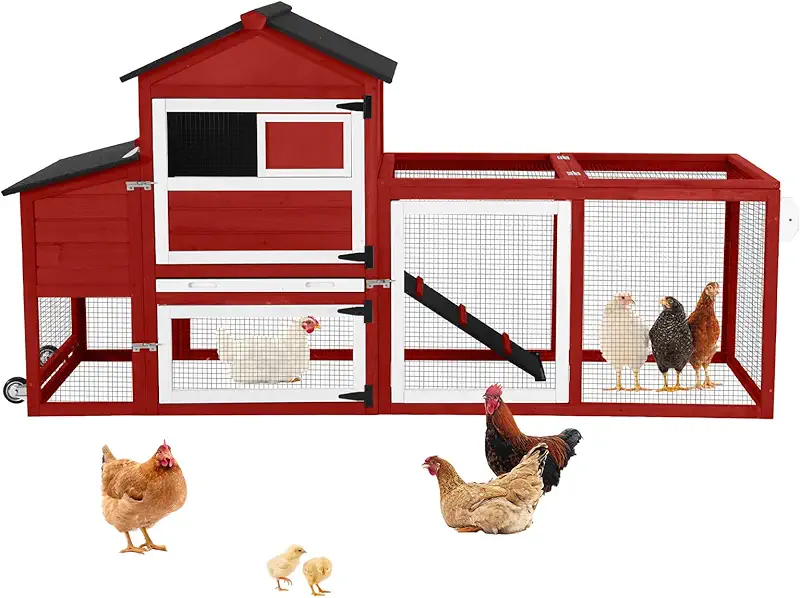
Compact coop with attached run
Calm start for a small flock
These tidy coops keep everything close together. They fit beside a shed or against a fence and are easy to reach for daily chores.
This might suit us
I have shared my yard with hens for more than twenty years. A good wooden chicken coop with run has been the quiet heart of my little flock. In this page I will help you choose one that keeps your birds safe, calm and dry, without wasting money or space.
Every flock is different, but the needs are always the same: fresh air, dry bedding, room to scratch, and a place where they feel protected when night falls.
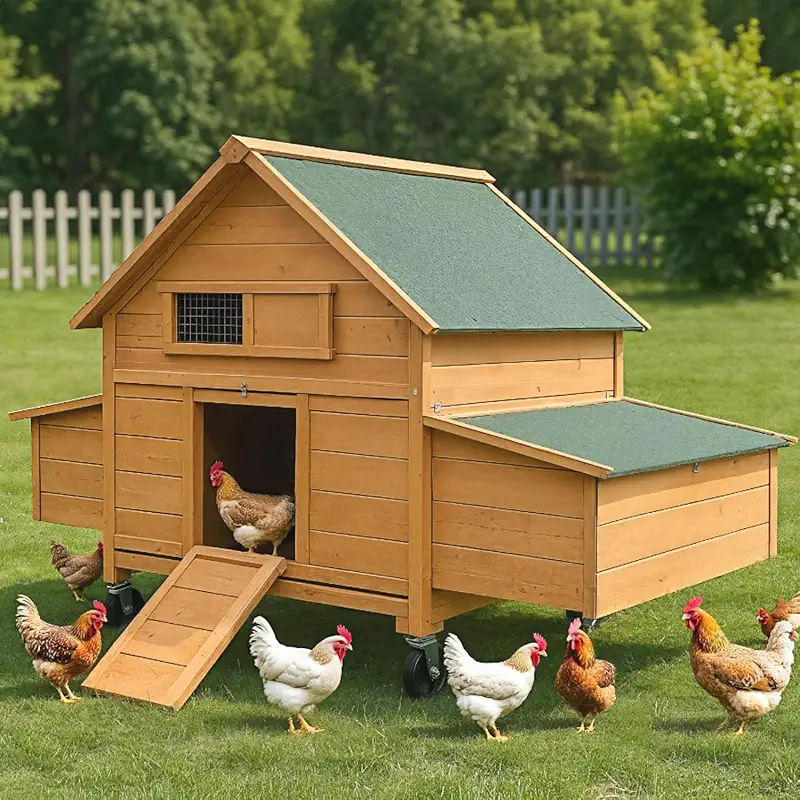
When people visit my garden for the first time, they often walk straight to the coop before saying hello to me. They hear the soft clucking, see the hens dust bathing in the run, and they usually say the same thing: “They look so relaxed.” That peace does not come by accident. It starts with a safe, well planned wooden chicken coop with run.
Over the years I have built simple shelters from scrap wood, tried small decorative coops, and tested several ready-made models. Some worked well, some taught me what never to repeat. In this guide I will share those lessons, so you can choose a wooden chicken coop with run that fits your garden, your weather, and, most importantly, your birds.
I still remember my first small flock. I had three young hens and an old shed. The shed kept them dry, but they had no protected run. When I opened the door in the morning, they rushed out in all directions. Hawks loved that. I lost one pullet in the first month. I felt I had failed them.
When I finally set up a proper wooden chicken coop with run, the whole rhythm changed. The hens stepped down calmly, scratched in the run, dust bathed along the edges, and tucked themselves back inside at dusk. Predators did not get a second chance.
This is the first big mistake I see. Pictures online often show a small wooden chicken coop with run with ten birds squeezed inside. In real life, that same space is comfortable for four or five hens at most. Trust the measurements, not the photos.
As a gentle rule I use in my own garden:
If you live where winters are long and birds stay inside more, go even bigger. I never regretted extra space, but I have regretted every time I tried to “make it work” with a small coop. Crowded hens peck each other, and the gentle ones suffer first.
So when you look at any wooden chicken coop with run, count your birds, then add one or two more for the future. My flocks have a way of growing when I meet new breeds I like.
With time I stopped being impressed by fancy roofs and little windows. Now I look at four simple things first: wood, roof, doors, and wire. These tell me almost everything I need to know.
Hens do not care how the wood looks, but they feel every draft and leak. I gently knock on the side panels of a coop. If it feels thin like a fruit crate, I know it will not last many winters. Slightly thicker panels, even if they are still light, keep heat better and resist warping.
I like when the wooden chicken coop with run comes already stained or painted, but I still give it an extra coat of animal-safe wood preservative before the first rain. One dry afternoon with a brush can add years to the life of the coop.
A leaky roof is a quiet enemy. I once ignored a small drip above the roosts. After a week, one hen started to sneeze, then another. Now, every time I see a new coop, I check:
Many wooden chicken coops with runs have a hinged roof over the sleeping area. That is very handy for cleaning, but make sure it closes firmly and cannot be lifted by raccoons or strong wind.
Almost every new keeper underestimates how often they need to reach inside the coop. Chickens spill feeders, knock waterers, hide eggs and sometimes fall ill. You need openings that your arms, and sometimes your whole body, can fit through.
I look for:
The run is where your hens spend their busy hours. The wire is their shield. I gently press on it. If it bends too easily, I picture a determined dog or fox doing the same thing. I like when the wire is strong and attached with plenty of staples or screws and washers.
If predators are a real concern where you live, you can also add your own hardware cloth to reinforce the lower section of the run. I have done this on more than one wooden chicken coop with run, and it gave me real peace.
Different gardens and flocks need different shapes. Over the years I have used three main styles of wooden chicken coop with run. Each has strengths and small annoyances. I will describe them like I talk to neighbors over the fence, so you can picture what fits you best.
Calm start for a small flock
These tidy coops keep everything close together. They fit beside a shed or against a fence and are easy to reach for daily chores.
This might suit us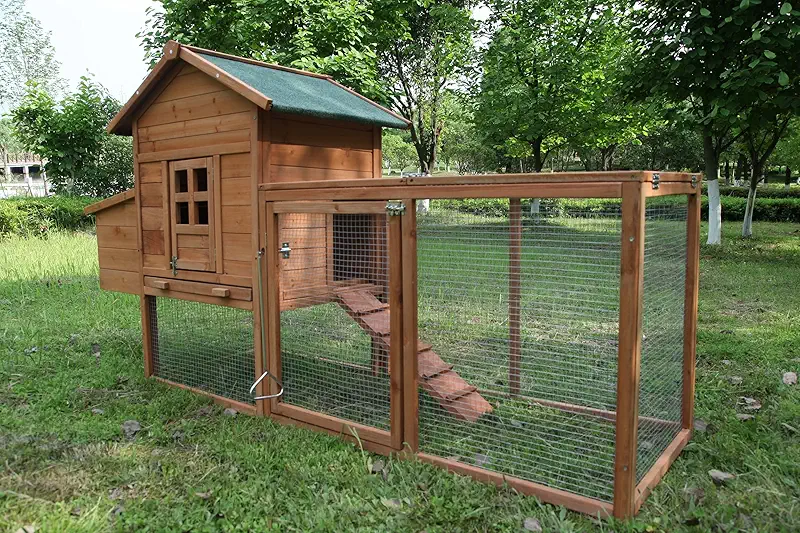
Dry feet, cool afternoons
The birds sleep above the ground and enjoy shade and shelter under the house. I love this style for rainy climates and older hens.
Let me see more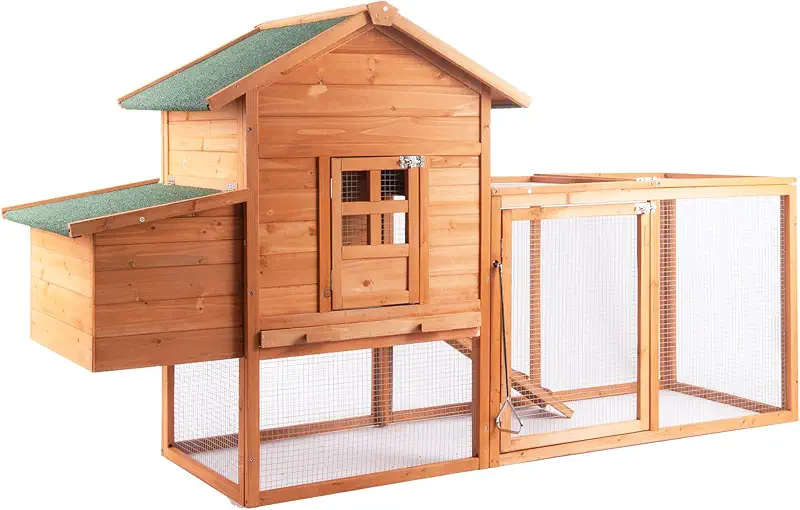
Room for you and them
When you can walk inside, cleaning, checking birds and sharing quiet moments becomes much easier, especially in winter.
This feels rightWhichever style makes sense for you, remember that your hens will live in this wooden chicken coop with run through bright days and dark storms. Picture yourself opening the doors in heavy rain, snow or summer heat. If it still feels practical in your mind, you are on a good path.
A coop can be well built yet still give trouble if it sits in the wrong spot. I learned this when I placed one of my first coops in a pretty corner under a big tree. It looked charming, but the ground stayed damp and muddy all winter. The hens hated it, and so did my boots.
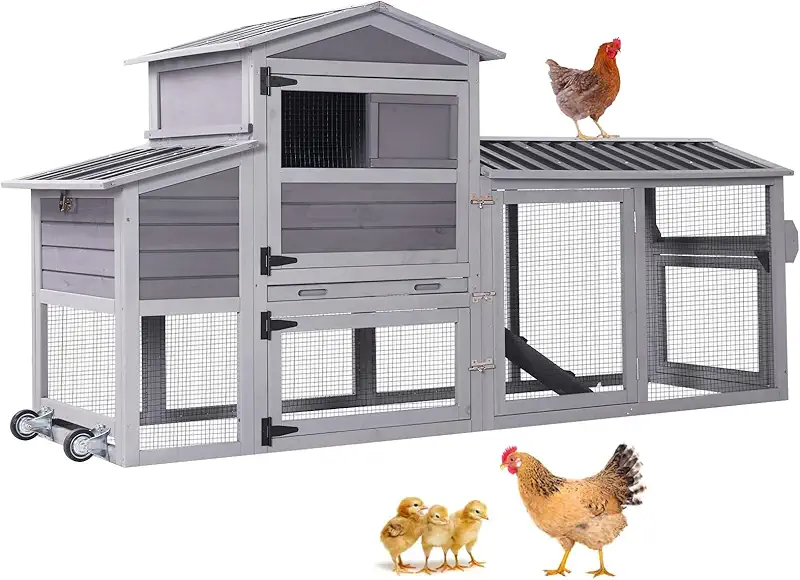
A wooden chicken coop with run sits best on firm, slightly raised ground with a balance of sun and shade.
Soft, low spots turn into puddles when it rains. Chickens can handle cold better than they handle damp. I now try to place every wooden chicken coop with run on a little natural rise or on ground I have gently built up with gravel and sand underneath the bedding.
Hens enjoy a bit of morning sun. It warms the coop and invites them to start their day. Strong afternoon sun, however, can overheat small wooden coops. If you can, face the run toward the morning light and give the coop some shade from trees, a fence, or even a simple shade cloth during the hottest weeks.
Every day you will walk to the coop with feed and water, sometimes in the dark. Try not to place it too far from the house or across a patch that gets muddy. A few extra steps may not sound like much now, but on a cold, wet night, you will appreciate a shorter walk.
When a new coop arrives, I take an afternoon just to “make it home” for the hens. I move slowly, talk to them, and set things up so they can understand where to sleep, where to lay, and where to eat.
Chickens prefer to sleep up off the ground. I check that the roost bars are smooth and wide enough for their feet, usually about the width of my thumb and finger together. Sharp edges lead to sore feet and, later, bumblefoot.
Nest boxes should sit lower than the roosts, or the hens will sleep in them and dirty the eggs. I fill each nest with a generous layer of soft bedding. In a wooden chicken coop with run, I often place a gentle “fake egg” in a new nest box to show them where I hope they will lay.
I like simple, dust-free shavings or chopped straw on the floor, about as deep as my hand. In the run, I add leaves, wood chips or dry weeds so the hens have rich material to scratch through.
Feeders and waterers go where droppings and rain cannot fall into them. In most wooden chicken coops with runs, I hang them at the level of the hens’ backs so they are easy to reach but hard to spill.
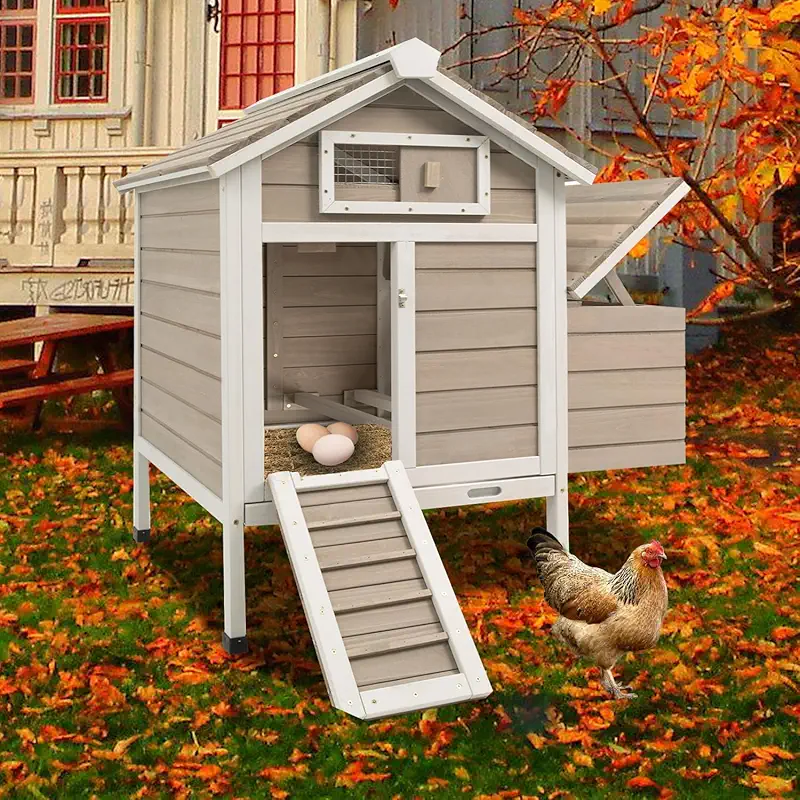
A calm interior layout in your wooden chicken coop with run helps shy hens feel safe and encourages regular laying.
Many people worry that a coop will be a lot of work. To me, it feels more like a soothing routine. The hens greet me, I listen to their sounds, and in a few minutes I understand how they are doing that day.
This rarely takes more than ten minutes with a good wooden chicken coop with run. The design does half the work for you.
Once a month or so, I like to take everything out on a dry day, sweep, and let the wooden coop air out fully while the hens range in a temporary pen. They always rush back in later to inspect my work.
A well-built wooden coop is already a good partner through the year, but a few small adjustments make your hens much more comfortable in both summer and winter.
In heat, chickens suffer more than we do. When the air feels hot to you, remember they are wearing down coats. In summer I:
Cold is easier to manage than damp. I try to keep ventilation open high up while blocking direct drafts at roost level. I also:
Before I settle on any design, I like to see it from several angles and imagine my hands on every latch. The photos below show a wooden chicken coop with run in different light and from different sides.
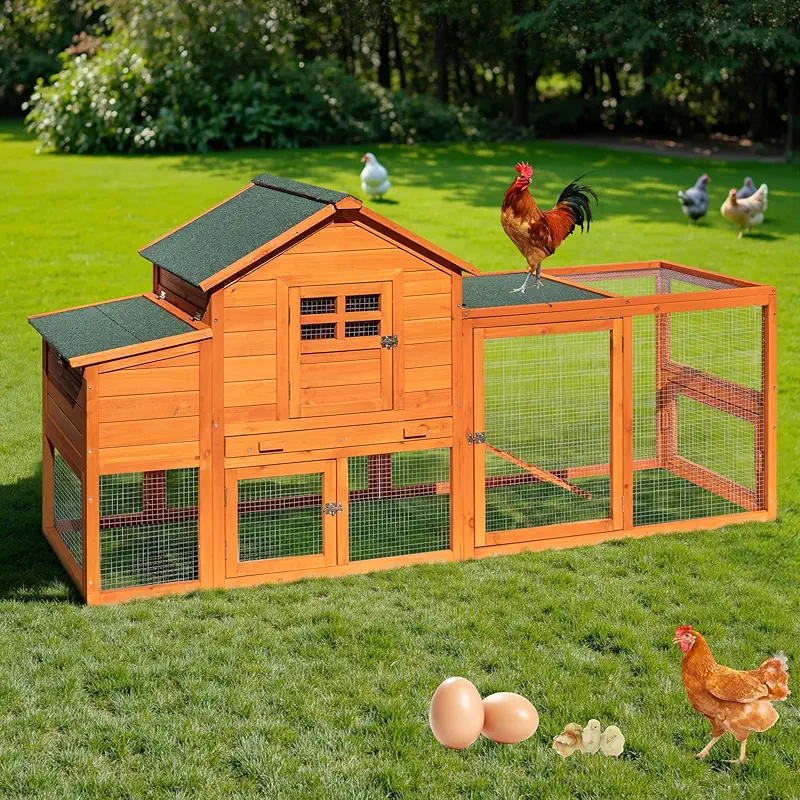
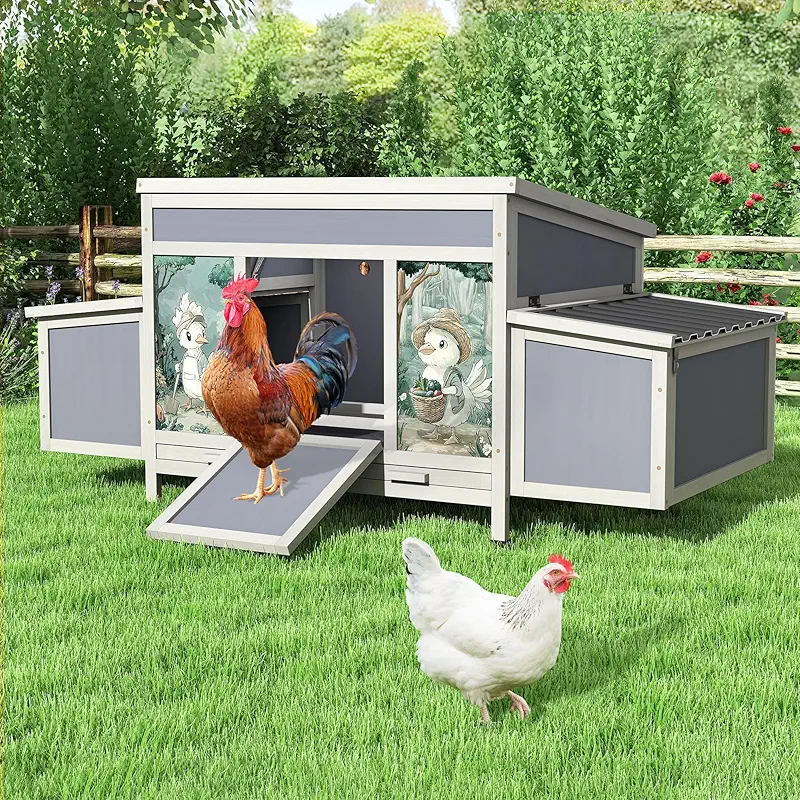
Strong hinges, simple latches and enough headroom in the run make everyday life easier for both keeper and flock.
If, as you read this, you are already picturing your birds stepping down a little ramp into their own run, you are almost ready. The last step is simply to match those daydreams to a real, solid wooden chicken coop with run that you can place in your yard and make part of your daily rhythm.
For a truly small coop, I like to stop at three or four standard hens, even if the box claims it can take more. Each hen needs about 4 square feet inside the coop and 10 square feet in the run to stay calm and healthy. Bantam breeds can fit in slightly smaller spaces, but I still lean toward generosity. Space is kindness in the chicken world.
Not always. Many coops do well on firm soil, gravel or paving slabs. The important thing is drainage and predator protection. If your ground is soft, I like to lay a layer of gravel and sand, then bedding on top. To stop digging predators, I either bury wire around the edges or lay a “skirt” of wire mesh around the outside of the run, covered with soil.
A well-built wooden coop with secure latches and strong wire is a big step toward safety, but you should still check every join and door yourself. I tug on the wire, test each latch, and look for gaps bigger than my finger. If you know predators are active nearby, adding extra hardware cloth to the lower part of the run and using carabiners or clip locks on doors can make a real difference.
I remove obvious droppings under the roosts every few days and refresh the dirtiest bedding at least once a week. A deeper clean, where I empty most of the bedding, sweep, and let the coop dry in the sun, happens every month or two, depending on flock size and weather. If it ever smells strong when you open the door, that is your cue to clean more deeply and adjust ventilation.
Both have their place. I love wood because it feels natural, breathes a little, and looks softer in the garden. Hens seem to settle quickly in a wooden chicken coop with run, and it is easy to repair with simple tools. Plastic is easier to scrub and does not rot, but it can get hot in strong sun. If you are drawn to wood, you simply need to protect it with a good stain, check it each year, and it will serve your flock well for a long time.