
Wooden chicken coop with nesting box
I still remember the first morning I opened the nesting box of my old wooden coop. The wood was still a bit rough, the hinges squeaked, and inside there were three warm eggs, tucked into the straw like small treasures. My hens were calm, quiet, and safe. That day I understood how much a good wooden chicken coop with nesting box can change life for both chickens and keeper.
Over the years I have tried flimsy coops, improvised shelters and “cheap but fragile” options. In the end I always came back to the same idea: a solid wooden coop, with a comfortable nesting box, is the heart of a peaceful backyard flock. On this page I want to share what I have learned, in simple words, like a neighbor talking over the fence.
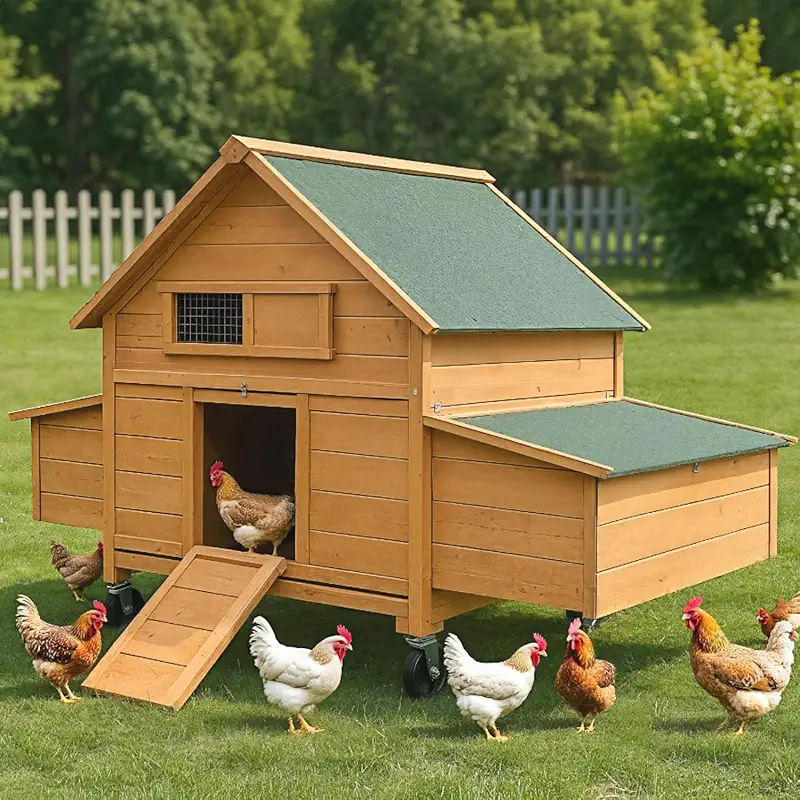
Why a wooden chicken coop with nesting box feels like home
Chickens are simple, but they are not stupid. They remember where they feel safe, where they sleep dry, and where they can lay eggs in peace. A wooden structure, if well built, holds warmth, muffles noise, and smells more natural than metal or plastic. When the coop has a built‑in nesting box, everything your hens need is in one small, quiet world.
In my own flock, the big change came when I moved from a bare wooden shed to a proper wooden chicken coop with nesting box on the side. Before, eggs appeared in the strangest corners of the garden. Behind flower pots, under the stairs, even once in a half‑open bag of straw. After I offered them a dark, soft nesting box, covered by a wooden lid, eggs started to show up where they should be: all together, in the box, clean and easy to collect.
The wood also helps with temperature. On cold nights, I can feel the difference just by placing my hand on the wall. It never feels icy, even when frost covers the grass. In summer, a well‑ventilated wooden coop stays pleasant if kept in the shade and cleaned often. That gentle stability keeps hens much more relaxed.
- Wood absorbs sounds and reduces stress.
- Integrated nesting boxes guide hens to lay where you can reach the eggs.
- Natural look blends into the garden, instead of feeling like a cage.
Key things to look for in a wooden chicken coop with nesting box
1. Size and space for real chickens, not pictures
Product photos can make any coop look big. I always ignore the photos at first and search for the real measurements. Then I imagine my hens inside: can they walk without bumping into each other? Can they all sit on the perch without pushing?
As a simple rule from my yard, I try to give at least 3–4 square feet of indoor space per hen in the coop area, plus a safe run outside. Small bantam breeds need a bit less, big heavy hens a bit more. Overcrowding leads to pecking, dirty bedding, and sad birds.
2. Nesting box: calm, dark and easy to reach
A good nesting box is like a small private room. My best‑laying hens always choose the darkest, quietest corner. That is why I like coops with an external nesting box covered by a lid: it stays dim inside, and I can reach the eggs without crawling.
- At least one box for every 3–4 hens.
- Low front edge so hens can step in, but high enough to hold the nesting material.
- Top lid that opens easily for egg collection and cleaning.
The day I added a bit of fake greenery above the lid of one coop, just for fun, one of my shyer hens moved into that box. Maybe it looked even more like a hidden nest in the wild. Small details matter more to chickens than we think.
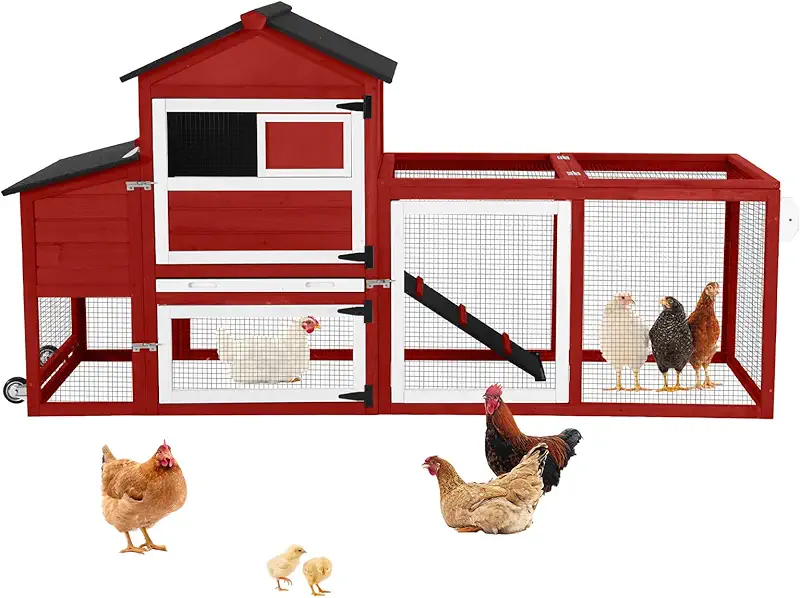
3. Roof, floor and wood treatment
Rain and time are the true test of any wooden chicken coop with nesting box. On dry days almost any coop looks fine. After two winters you see which ones were built with care.
- Roof: I look for a sloped roof with a waterproof cover, so water runs off and does not sit on top.
- Floor: A raised floor keeps the interior dry and discourages rats. Removable trays help with cleaning.
- Wood: Treated pine or fir is common. I prefer gentle, animal‑safe finishes and avoid strong chemical smells.
When a new coop arrives, I always run my hand along the edges. If I feel splinters or rough spots, I sand them lightly. A few extra minutes at the start save scratched legs and broken eggs later.
4. Doors, latches and predator safety
Where I live, foxes and raccoons are patient and clever. They press, pull, and test every weak point. So, when I choose a wooden chicken coop with nesting box, the first thing I check is not the color, but the latches.
- Metal latches that you need to lift or turn, not simple hooks.
- Wire mesh that is strong, not thin like window screen.
- No wide gaps at corners where a paw could reach in.
One evening, I found tiny muddy paw prints all along the coop wall. The predator did not get in, but that was only thanks to the extra carabiners I had added to the doors. Since then, I always double‑check every closure.
Daily life with a wooden chicken coop and nesting box
A coop is not just a product. It becomes part of your daily rhythm. I open mine every morning before coffee, and close it again at dusk, after making sure everyone is on the perch. A good wooden chicken coop with nesting box makes these little rituals easy and pleasant.
When you choose your coop, imagine each simple task:
- Can I open the door without bending awkwardly?
- Can I reach into each nesting box without stepping inside?
- Where will I put the feeder and waterer so they stay clean?
If you can picture these steps clearly, the coop will fit your life, not fight against it.
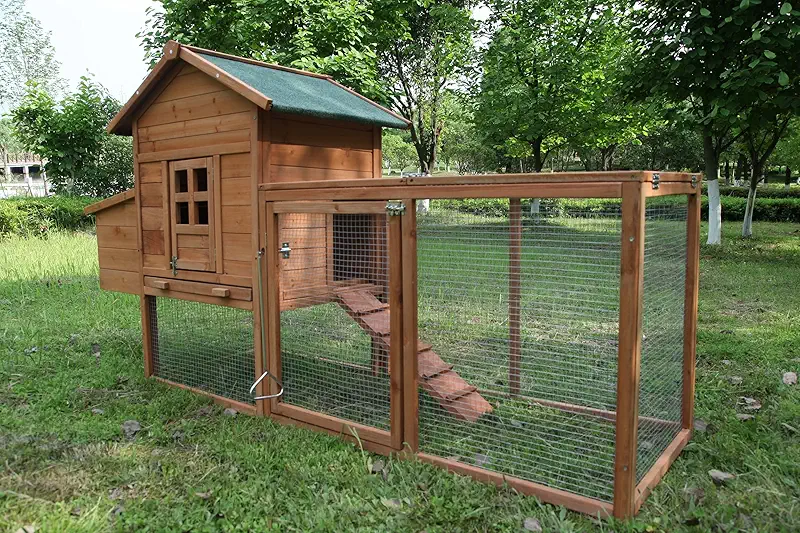
My simple routine inside the coop
To give you a real‑life picture, this is what I do most days:
- Open the pop door and say a soft “good morning girls”.
- Check the nesting box for eggs and any signs of broken shells.
- Shake out moist bedding and add a little fresh straw, especially in the nest.
- Run my eye along the wood joints to be sure nothing has chewed or moved.
Once a week I take out the trays, brush off droppings, and let the wood breathe for a few minutes. Wooden coops respond well to this kind of gentle, regular attention. They age with you and your flock.
How many hens fit in a wooden chicken coop with nesting box?
From my yard to yoursThis is one of the most common questions neighbors ask me when they see my coops. The honest answer is: it depends on the exact size of the coop, the breed of your hens, and how much time they spend outside.
For a typical backyard wooden chicken coop with nesting box that you see online, the photos often show six or more hens. In reality, I find those same coops comfortable for four hens, maybe five if they have a large run and free‑range time.
Think of it this way: if the hens can lie down without touching, stand without bumping, and perch without fighting for space, you are close to a good number. A slightly under‑crowded coop gives you calmer birds and fewer health problems.
You can explore different sizes and styles and imagine which one fits your flock and garden best:
Examples of wooden chicken coop with nesting box setups
Every family and every garden is different. Over time I have helped friends choose wooden coops that match their situation. Here are a few simple patterns that might sound like your own life.
- Side nesting box with lift‑up lid for easy egg collection.
- Small footprint that fits in a corner of the garden.
- Often includes a raised sleeping area with a ramp.
A friend of mine keeps three hens in a compact wooden coop like this, just outside her kitchen window. She can watch them from the sink while she cooks, and every afternoon she walks out, lifts the nesting box lid, and collects one or two eggs with a small smile. It is a simple, gentle pleasure.
- Higher roof so you can step inside comfortably.
- Several nesting boxes in a row, ideal for a busy flock.
- More wall space for extra perches and feeders.
In my main coop, I have a row of three nesting boxes. Most days, all the hens still line up for the same favorite box, like children waiting for a swing. But when one box is occupied, the others are there as options, and that keeps the peace.
- Wheels or light frame so you can move it around the grass.
- Nesting box travels with the flock, so they always know where to lay.
- Grass stays fresher and droppings are spread out.
I used a mobile wooden chicken coop with nesting box during a summer when the ground turned muddy near the fixed coop. Being able to roll the hens to fresh grass every couple of days kept their feet cleaner and their minds busy.
Using the nesting box to keep eggs clean and safe
The nesting box is where the quiet part of chicken life happens. If it is comfortable, most of your egg problems vanish. If it is dirty or open to drafts, hens will search for another place.
With a good wooden chicken coop with nesting box, I focus on three simple things:
- Soft bedding: I use clean straw or shavings, about a full hand deep, fluffed regularly.
- Freshness: I remove broken eggs or wet bedding as soon as I see them.
- Privacy: I avoid opening the box lid when a hen is inside, unless I really have to.
When hens trust their nesting box, they go there almost by habit. One of my older hens, Daisy, walks straight from the feeder to the same box every morning around ten, muttering softly to herself, settles down, and lays her egg within half an hour.
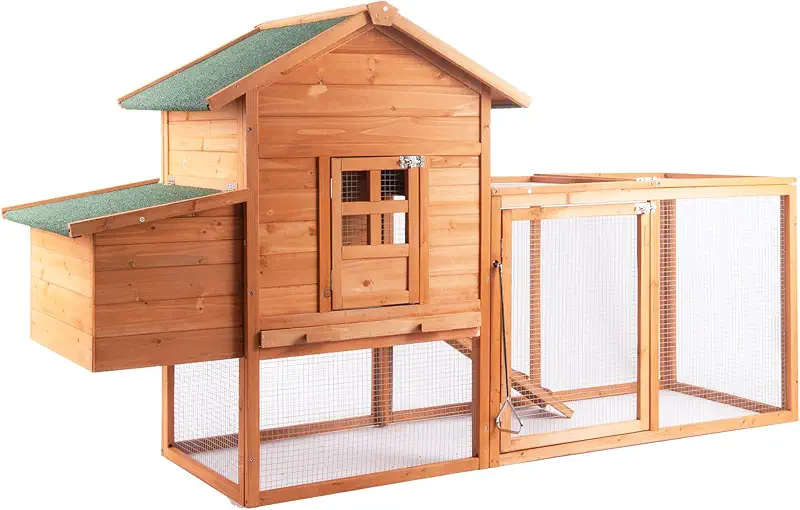
Setting up your wooden chicken coop with nesting box for the first time
The day a new coop arrives is always special for me. I open the boxes carefully, smell the fresh wood, and imagine my hens discovering their new home. To make the start smooth, I follow the same steps every time.
Step‑by‑step from the toolbox to the first egg
- Choose the right spot: Ideally a slightly raised area, with morning sun and afternoon shade.
- Assemble slowly: I check that all screws go in straight, especially at corners.
- Test the doors: I open and close every latch several times, imagining cold hands on a winter morning.
- Prepare the nesting box: A generous bed of straw and a fake egg or golf ball to show them the idea.
The first night, I often place my hens gently inside the new coop after dark, so they wake up already feeling that this is their place. By the second or third day, most of them head to the new nesting box by themselves.
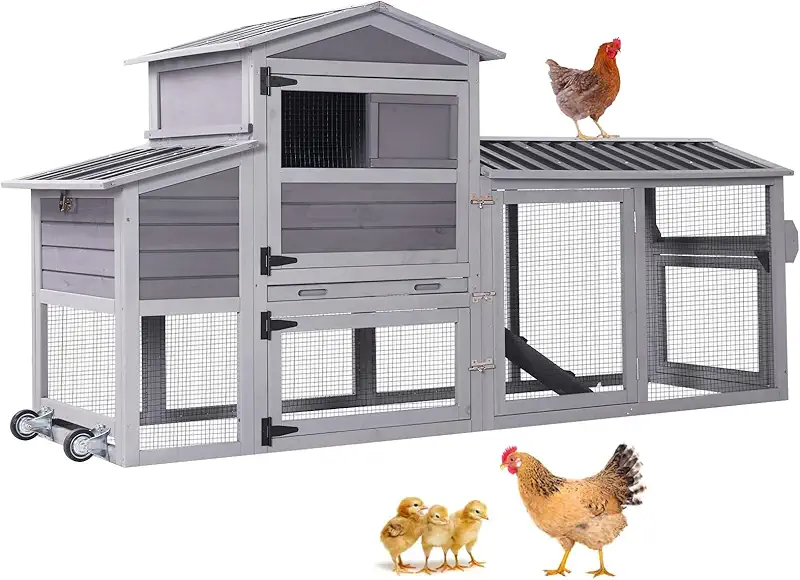
If you are at the stage of comparing different wooden coops, you can look through several designs side by side and imagine your own routine inside each of them:
Keeping your wooden coop strong and healthy over the years
Wood is alive in its own quiet way. It swells, dries, and grows softer with time. A wooden chicken coop with nesting box will reward you if you care for it gently, the same way you care for your hens.
My simple maintenance habits
- Inspect the roof after any big storm.
- Check corners and joints every season for gaps.
- Air the coop on dry days by leaving the doors open for a while.
- Add a light, animal‑safe wood treatment when the surface starts to look tired.
Once a year, usually at the end of winter, I do a deeper clean: all bedding out, walls brushed down, perches scrubbed, and fresh bedding piled into the nesting box. The hens always inspect everything as if it were brand new.
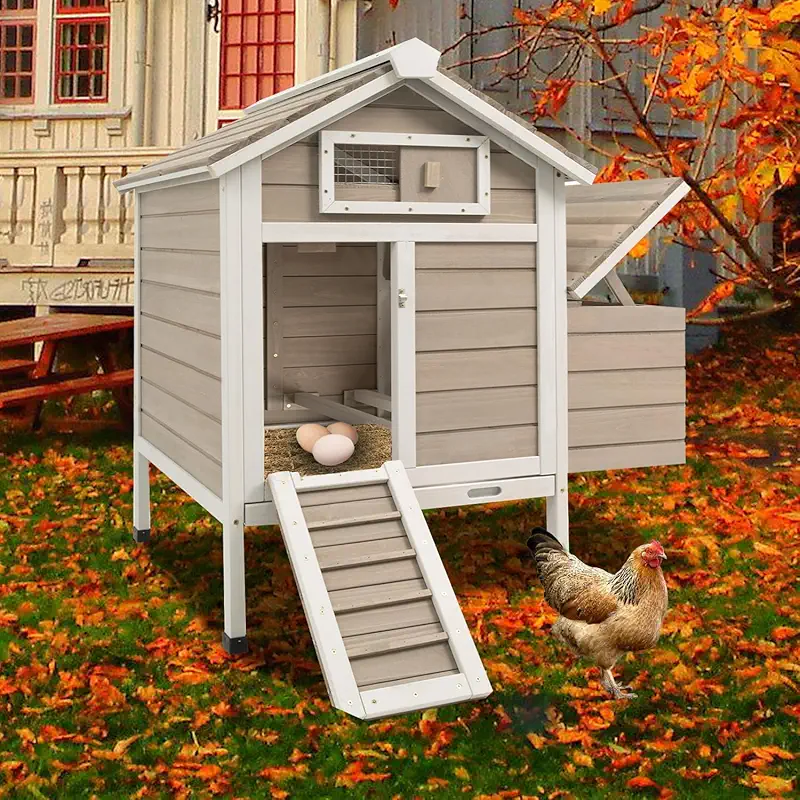
When it is time to upgrade your wooden chicken coop with nesting box
Sometimes the coop you start with is not the one you keep forever. Maybe your flock grows, or a cheap first coop begins to sag. I have had to face this moment a few times, and it always feels a little sad, like saying goodbye to an old tool.
Signs that it might be time for a new wooden chicken coop with nesting box:
- The floor feels soft when you press with your hand.
- Doors will not close squarely no matter how you adjust them.
- The nesting box leaks or stays damp even after repairs.
- You find yourself adding more hens than the space can truly hold.
When I changed my first coop, I moved a handful of dry bedding and an old perch into the new one. The familiar smells helped the hens settle more quickly. They walked around, clucked a bit, then hopped straight into the new nesting box like they had always lived there.
If you feel your current coop is reaching its limits, it might be worth quietly looking at sturdier wooden models, with well‑designed nesting boxes and stronger frames:
FAQ about wooden chicken coop with nesting box
Listening to your hens when you choose a coop
At the end of the day, charts and measurements matter, but your hens will give the final verdict. When they feel at home in a wooden chicken coop with nesting box, you will see it in small signs: soft clucking at dusk, relaxed wings, clean eggs waiting quietly in the straw.
When I stand by the coop door in the evening, counting heads, I can feel if the day went well. Calm birds, full crops, and a nesting box with a neat row of eggs tell me that their little wooden house is doing its job.
If you are still deciding which coop is right, take your time. Picture your birds inside, hear their rustling in the straw, and imagine your own hands opening the nesting box lid each morning. Choose the one that fits that picture in your heart.
You can explore different wooden chicken coops with nesting boxes, compare their details, and gently let one of them “feel right” to you:
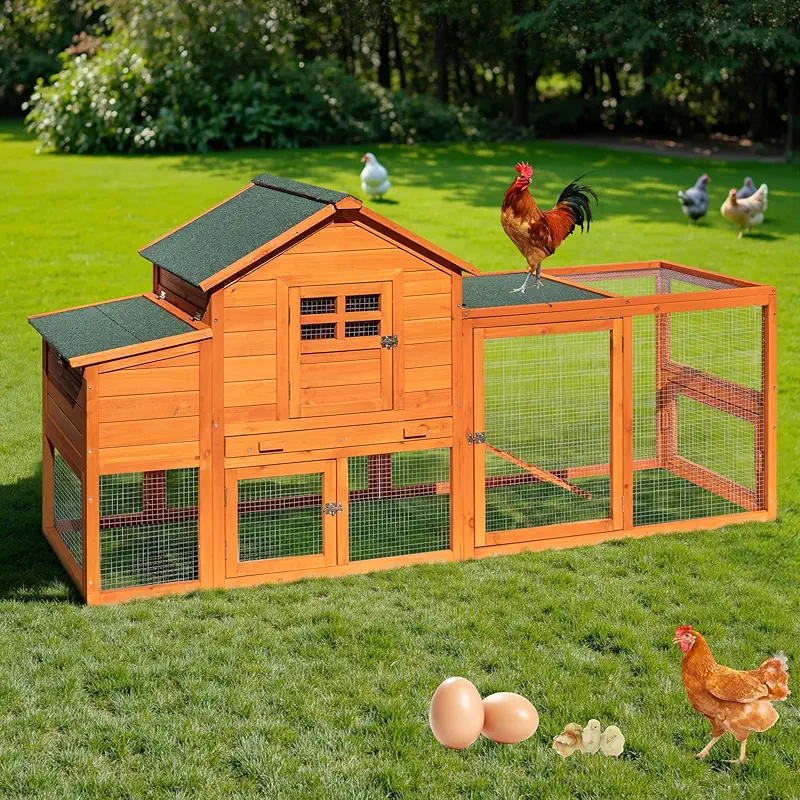
A last word from a fellow chicken keeper
I have made mistakes with coops before. I have chosen ones that were too small, too light, or too hard to clean. My hens forgave me, as hens often do, but I still remember the feeling when I finally moved them into a solid wooden chicken coop with nesting box that truly suited them. The whole flock seemed to breathe out and settle.
If you are about to bring home your first hens, or if you are simply ready to give your existing flock a calmer place to sleep and lay, a well‑built wooden coop with a thoughtful nesting box is one of the kindest gifts you can offer them.
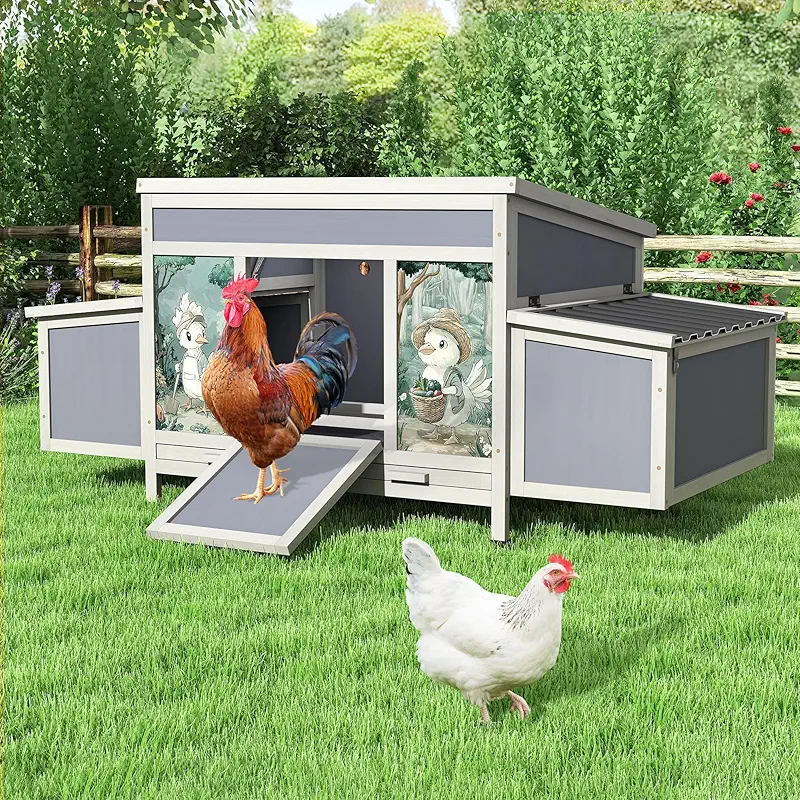
When you are ready, you can quietly look through a range of wooden chicken coops with nesting boxes, at your own pace, and choose the one that feels like the right little house for your birds: