
Wooden chicken coop with automatic door
Wooden chicken coop with automatic door
I have raised hens for many years, and I still smile every time I hear the soft sound of an automatic door closing on the coop. It feels like a little promise: the flock is safe, the night is calm, and I can finally rest.
A wooden chicken coop with automatic door changed my daily rhythm more than any other tool I bought for my birds. It did not make me love them less, it just gave me more time to enjoy them without the constant rush of sunrise and sunset duties.
If you feel your coop routine is heavy right now, a good automatic door can be a gentle helper by your side.
Let me see options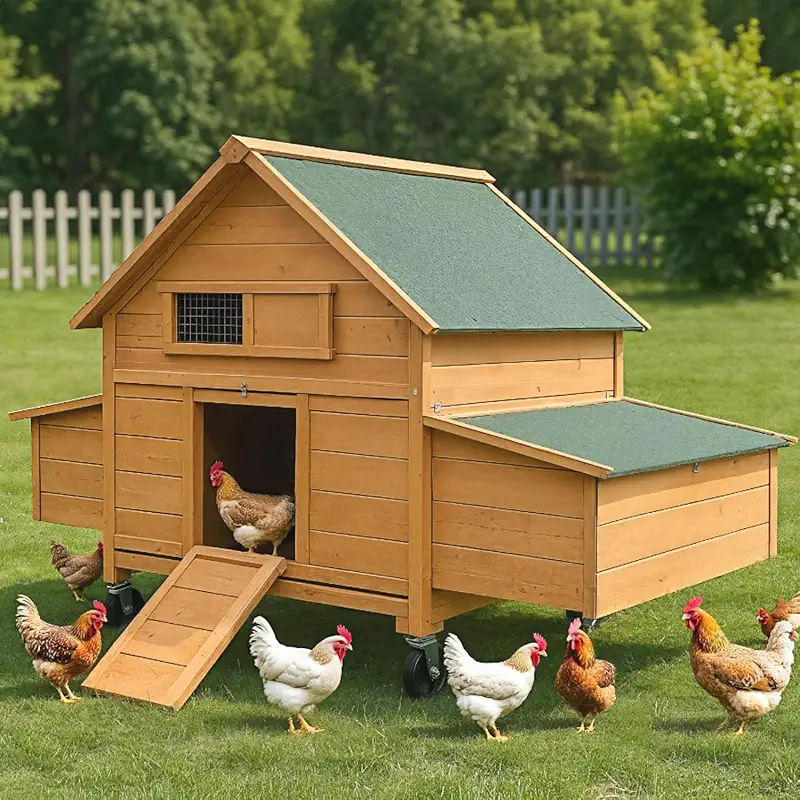
Why a wooden chicken coop with automatic door feels so different
I started like many keepers do. I had a small wooden coop, a simple latch, and an alarm set on my phone so I would not forget to close the door at dusk. Most evenings I managed. But life is not perfect. One night I came home late and found my hens huddled together, the door still open and a fox track in the mud nearby. They were lucky that night. I decided not to count on luck again.
A wooden chicken coop with automatic door does not replace care. It simply watches the clock for you. It closes when the light fades, opens at sunrise, and keeps a steady routine even on days when you are tired, sick, or away.
The quiet benefits you notice day by day
- Safety on your worst days. The door closes even when you forget.
- Calmer hens. They learn the pattern and go in by themselves.
- Better sleep for you. No need to jump out of bed at first light.
- More freedom in winter. You avoid walking on ice just to open the coop.
- Less nagging feeling. That “Did I close the door?” worry fades away.
I always tell new keepers: the best coop setup is the one you can keep up with on a bad week. An automatic door helps make that possible.
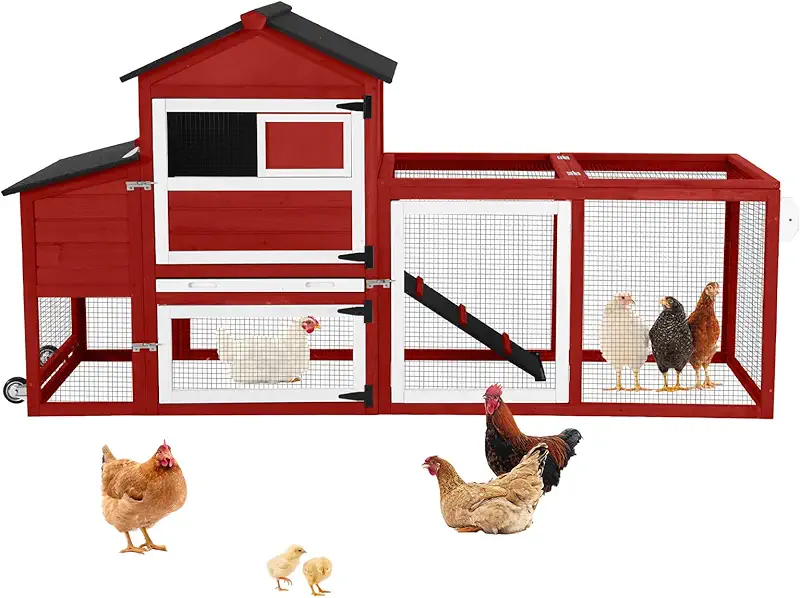
What to look for in a wooden chicken coop with automatic door
When I chose my first automatic door, I was a bit lost. There were many nice pictures, but I needed facts. Over the years, and with more than one coop in the yard, I learned which details truly matter.
1. Solid wood that can handle real weather
A wooden coop looks warm and natural, but not all wood is equal. For a wooden chicken coop with automatic door, you want walls and frames that can hold screws firmly and not warp around the door.
- Look for sturdy framing, not just thin decorative boards.
- Ask if the wood is treated for outdoor use, but still safe for animals.
- Check that the door opening is square and strong, so the automatic door runs smoothly.
My oldest coop has thick wooden frames around the pop door. Even after years of rain and snow, the automatic door still slides true. That strong frame made all the difference.
2. A reliable motor and gentle movement
Hens do not need fancy technology. They need a door that moves at a calm pace and stops when it should. When you look at options, pay attention to:
- Slow and steady closing. A gentle slide gives any slow hen time to move.
- Safety stop. Good doors sense resistance and stop instead of pushing.
- Weather protection. The motor and electronics should be shielded from rain and dust.
I always stand by the door the first evenings, just watching how it closes. If it moves calm and sure, and my hens ignore it after a day or two, I know we chose well.
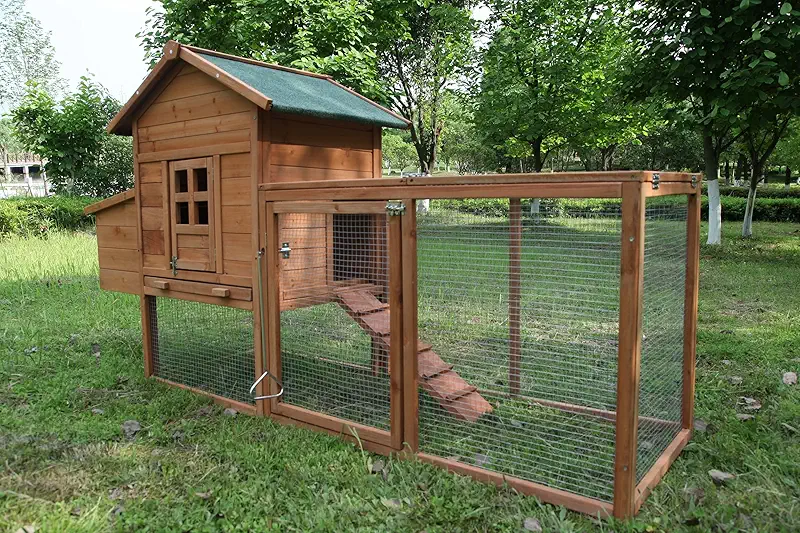
3. Light sensor or timer — what really works
Many automatic doors offer both a light sensor and a timer. I have used both, and each has its place.
Light sensor: The door opens and closes with daylight.
- Feels natural for the hens.
- Good if your schedule changes often.
- Make sure the sensor is not blocked by a porch roof or bright barn light.
Timer: You set the exact hours.
- Useful if predators roam at dawn in your area and you want a later opening.
- Helpful in winter when it gets dark very early and you want them in sooner.
On my main wooden coop I use the light sensor most of the year and switch to a timer in deep winter. I like having both choices available.
4. Power source: batteries, solar, or outlet
A wooden chicken coop with automatic door can run on different power sources:
- Batteries are simple and do not need wiring. I keep spare batteries in the feed room and change them on a schedule.
- Solar panels are handy if your coop is far from the house and gets good light on one side.
- Plug-in power is stable if you already have electricity at the coop.
For most backyard keepers, batteries or a small solar kit are enough. The key is to check them before cold seasons and to keep the connections dry.
How an automatic door changes daily life with your hens
When people ask me what it feels like to add an automatic door to a wooden coop, I do not talk about technology first. I talk about feelings. The feeling of walking to the coop at a calm pace instead of running. The feeling of listening to the flock instead of only checking the latch.
A more relaxed morning routine
I used to wake up with a knot in my stomach on bright summer mornings, worried that I was late to open the coop. Hens like to be out early, and I did not want them waiting in the dark.
With a wooden chicken coop with automatic door, the dawn work is done before I even put on my boots. I now walk out with a cup of coffee in my hand, not my phone as a flashlight.
The hens are already scratching in the run, talking softly among themselves. I can stand there for a minute, just watching them instead of rushing to open the door.
Evening peace and predator protection
At dusk I still like to check the coop, but now it is more of a visit than a race. On busy days, the door closes on its own, usually right after the last slow hen has stepped inside.
One autumn I had a young pullet who was always late to bed. For a week, I stood by the coop at dusk, watching her. I learned that the automatic door gave her just enough time. She would hop in, the door would pause, and then slide down. I slept well knowing that the gate between my hens and the night was firm and timely.
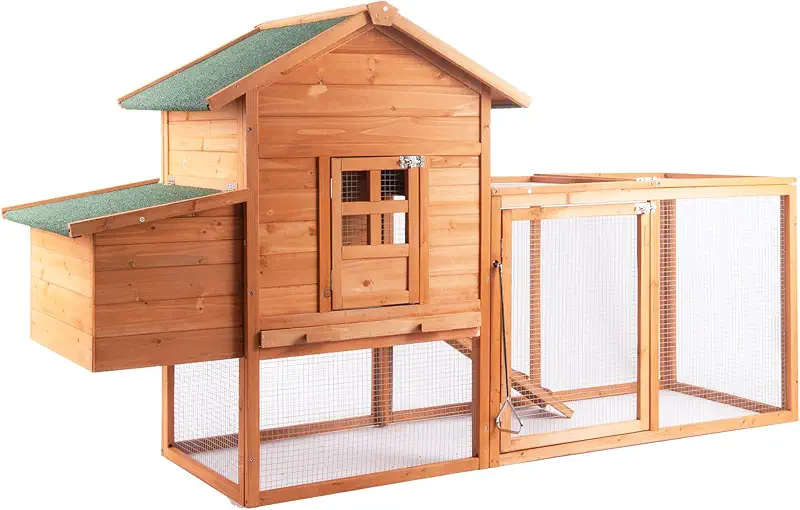
When you are ready to see what might suit your coop, take your time and look slowly.
I’ll quietly browseMatching the automatic door to your wooden coop
Not every door fits every coop. Before you order anything, it helps to step into the yard with a tape measure and a clear head. I learned this the hard way with one small coop that needed more adjustment than I expected.
Measure first, save trouble later
On your wooden coop, find the small opening where the hens go in and out. This is often called the pop door. Measure:
- Height and width of the opening.
- Space above the opening for the door to slide up.
- Flat space around the opening for the frame or rails.
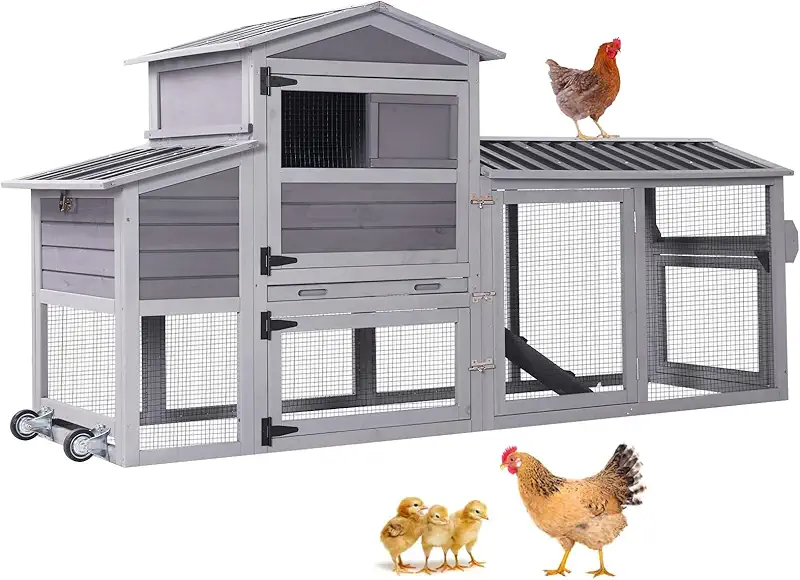
I like to draw a quick sketch on paper and carry it with me when I sit down to compare wooden chicken coop with automatic door options. That little piece of paper saves a lot of guessing.
Think about your climate and seasons
Our weather shapes our coop choices. Where I live, we have wet springs, hot summers, and winters that like to freeze latches. Your area may be milder or harsher, but it still matters.
For rainy climates, choose a door and frame with good sealing and covered electronics. For cold, look for doors known to handle frost without sticking. A little care in choosing now can prevent you from standing in snow, gently tapping a frozen door later.
Predators around your yard
A wooden coop feels cozy, but predators see it as a puzzle to solve. Foxes, raccoons, martens, even strong dogs will test your set-up. An automatic door helps, but only as part of a secure whole.
- Make sure the door closes firmly with no large gap at the bottom.
- Check that the rails cannot be easily pulled apart by curious paws.
- Pair the door with a sturdy run and buried wire if digging animals are common.
I walk around my coop sometimes at night with a flashlight, looking at it from the eyes of a fox. Wherever I see an easy point, I improve it. The automatic door is a strong part of that safety chain.
A few gentle product ideas and how I judge them
I will not tell you that one single brand is right for every coop. But I can share the way I look at different wooden chicken coop with automatic door setups and how I weigh their strengths and weaknesses.
This type of setup works well for 3–5 hens in a small yard. The automatic door is already matched to the coop, so you do not have to measure and cut much.
What I like
- Everything arrives together, wooden frame and door.
- Usually quick to assemble for new keepers.
- Good for those who do not enjoy tools.
A few limits
- Space can be tight if your flock grows.
- Wood thickness may be lighter than custom builds.
I choose these only if the wood seems solid and the roof and floor can handle a few seasons of rain.
When a simple, ready set feels right for you, you can look at a few models with your coop size in mind.
I’ll check similar onesMany keepers already have a wooden coop they love. In that case, a separate automatic door kit can be added to the existing pop door.
What I like
- You keep your familiar coop and add convenience.
- More control over height and width of the opening.
- Often stronger materials for the door itself.
A few limits
- Needs some basic tools and comfort with screws and a drill.
- More planning to make sure it fits just right.
I like to read real user reviews that mention winters and storms, not only sunny days.
If you already have a coop you trust, it may be worth seeing which door kits match your style.
Show me door kits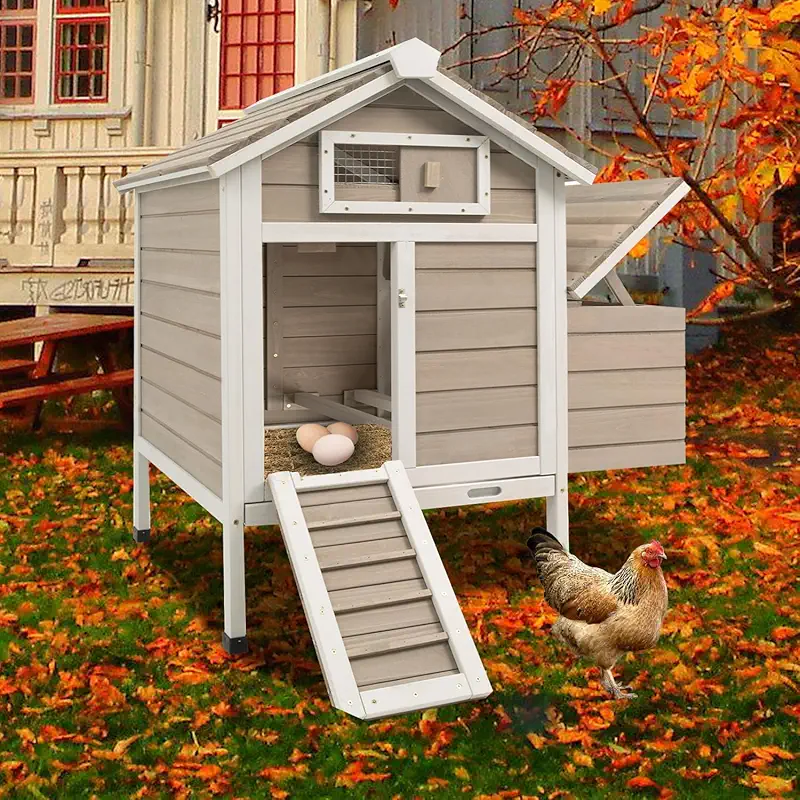
Whatever you choose, trust your own eyes. Photos can be pretty, but wood thickness, hinges, and how the door is framed tell you much more about how long it may last.
Real‑life tips for living with an automatic door
After the first weeks with a wooden chicken coop with automatic door, you will likely wonder how you managed without it. Still, there are a few small habits that keep everything running smooth and safe.
Introduce your hens gently
Chickens do not like sudden changes. When I add a new door, I:
- Let them see the new door for a day or two while it stays open.
- Manually close it after they go in for the first evenings, so they can hear and see it move.
- Watch from a distance and listen. If they are calm, I know they have accepted it.
After a week, most flocks treat the automatic door as just another part of their wooden home.
Keep the track clean
Wood shavings, straw, and dust can build up at the bottom of the door. I make it part of my normal cleaning:
- Brush away bedding from the threshold every few days.
- Wipe the rails gently when you see dirt or cobwebs.
- In very cold weather, check that no ice forms where the door slides.
Set a reminder for checks
Once an automatic door works well, it is easy to forget it is there. I put a small note on my calendar every few months:
- Test the manual open and close.
- Check screws and fittings on the wooden frame.
- Look at the power source and replace batteries if needed.
These small check‑ups turn a clever gadget into a long‑term helper for your hens.
Is a wooden chicken coop with automatic door right for you?
I cannot see your yard from here, or meet your hens, but I can share the questions I ask my own friends when they think about this step.
Think about your daily rhythm
If you are home at sunrise and sunset almost every day, and you enjoy the routine of opening and closing the coop, you may not feel a strong need for an automatic door. But if you:
- Work shifts or irregular hours,
- Have young children or older family who need you,
- Travel for short trips sometimes,
then a wooden chicken coop with automatic door might bring real peace of mind.
Consider your birds’ safety
If you have ever found a predator near your coop, you know how quickly a quiet evening can change. A secure, well‑timed door is one more layer between your flock and danger. I still remember laying my hand on the closed wooden door one winter night, feeling the warmth inside while the wind howled outside. That feeling is hard to measure, but it matters.
If today feels like a good day to explore, you can take a slow walk through some options and see what speaks to you and your flock.
I’ll gently exploreFAQ about wooden chicken coop with automatic door
Will my hens be afraid of the automatic door?
Most hens accept a wooden chicken coop with automatic door within a few days. They notice movement at first, but if the door closes slowly and quietly, they soon ignore it. I like to stay near the coop the first evenings, just watching their reactions. A calm tone of voice and a small treat inside the coop help them feel safe with the new sound and motion.
Can an automatic door hurt a chicken if she is in the way?
Good automatic doors are designed to stop if they feel resistance. Still, I do not rely only on that. I choose doors that close gently and not too fast. I also make sure there is enough light in the coop entrance at dusk so slow hens can see where they are going. In many years, and with different flocks, I have not had a hen injured by the door when it was installed and adjusted properly.
What happens if the power fails or batteries run out?
Most doors with batteries keep working for a long time before they need new ones, and many give a warning, such as a light or a change in display. I mark a date every few months to check and change batteries before trouble appears. If something fails unexpectedly, I can always open and close the door by hand. I see the automatic door as a helper, but I still visit my coop daily to be sure everyone is alright.
Is a wooden coop with automatic door good for very cold climates?
Yes, but you need to be a little choosy. In freezing areas, I look for doors that other keepers praise for winter use. The frame should be solid, the rails smooth, and the electronics protected. I also keep the area around the door free of ice and packed snow. A well‑built wooden chicken coop with automatic door, combined with dry bedding, draft protection, and good ventilation, can serve hens well even on very cold nights.
How many hens can live in a coop with an automatic door?
The automatic door itself does not set the limit. The size of the wooden coop and run do. As a gentle rule, I like at least 4 square feet (about 0.37 m²) of indoor space per hen, and more if they are often closed in due to weather. When you look at any ready‑made wooden coop with automatic door, read the recommended capacity with a careful eye. If the listing says “up to 6 hens,” I usually think “comfortable for 3 or 4.” Your birds will thank you with calmer behavior and better health.