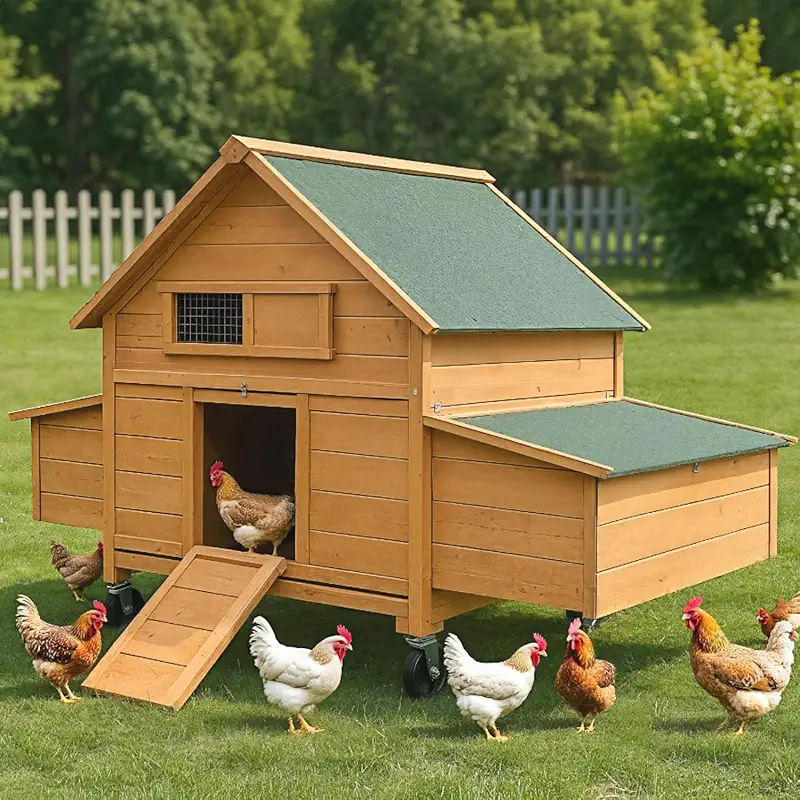
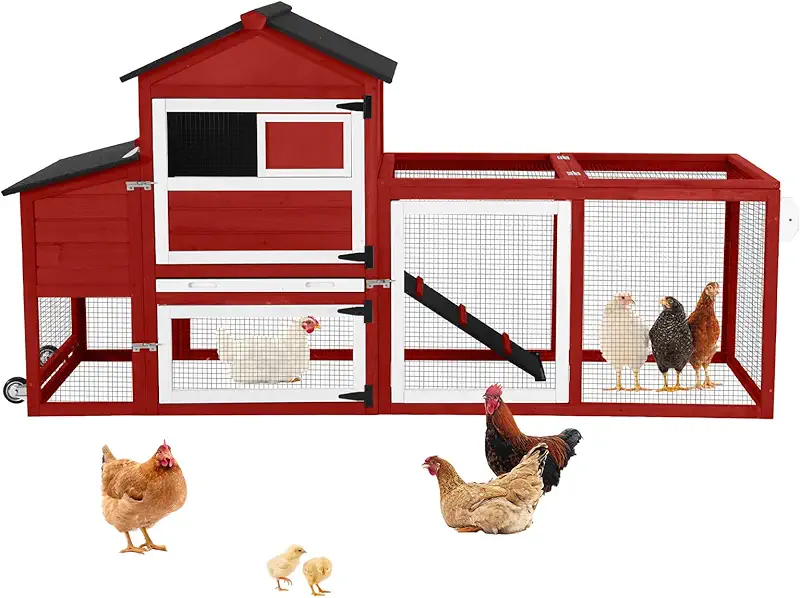
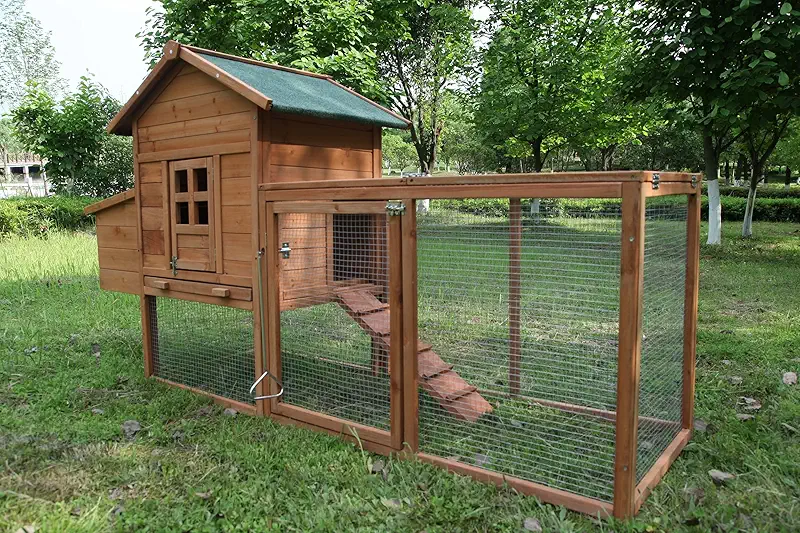
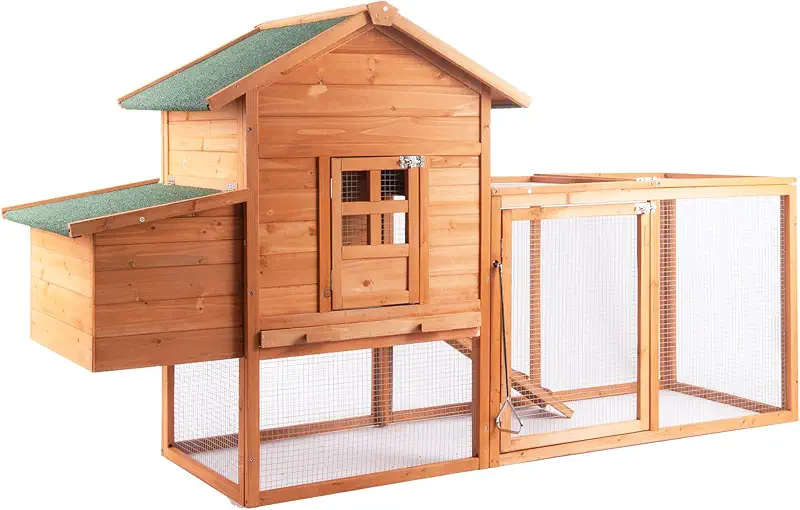
Wooden chicken coop on wheels
Gentle chicken keeping
Wooden chicken coop on wheels
I have raised hens for many years, and the day I moved them into a wooden chicken coop on wheels, our little flock felt different. They were calmer, the grass stayed green, and my back thanked me every single morning. On this page I want to share, in simple words, how a mobile wooden coop can make daily care softer for you and kinder for your birds.
I will not talk to you like a salesman. I will speak to you as someone who has waited nervously through cold nights, who has carried heavy water buckets, and who has learned, slowly, how to make life better for a few clucking friends with feathers and big personalities.
Why a wooden chicken coop on wheels changed my daily routine
When I started with chickens, my first coop was heavy, fixed, and always muddy in winter. The ground under it turned bare and smelly. My hens scratched the same tired patch of soil again and again. I cleaned more, they enjoyed less. I thought that was just how it was.
Years later, after one more muddy spring and a sore back from dragging feeders around, I finally tried a wooden chicken coop on wheels. I still remember the first morning I moved it. I lifted the handle, rolled the coop to a fresh patch of grass, and the hens followed, curious and happy, almost humming with excitement. The smell faded, the flies visited less, and my yard slowly healed.
What changed for my flock: greener grass, drier bedding, fewer smells, and calmer hens. For me: lighter work, a tidier yard, and the quiet joy of seeing them explore new ground every day.
A mobile wooden coop does not need to be huge or fancy. It just needs to be safe, simple to move, and gentle on your body. When I choose or recommend one, I look at it like a nesting box: will it keep my birds dry, safe, and relaxed, and will it keep me from feeling tired and frustrated?
Key benefits of a wooden chicken coop on wheels
Let me share the main reasons I slowly moved almost all my small flocks into wheeled wooden coops. These are not ideas from a catalog. They are lessons learned with muddy boots and sleepy eyes at sunrise.
- Fresh ground under their feet. Moving the coop every day or two gives the birds clean grass, bugs, and dry soil. They dust-bathe in fresh spots instead of sleeping over old droppings.
- Cleaner air and fewer smells. When droppings stay in one place, they build up and smell. With a mobile coop, the load spreads over the yard, and the smell stays gentle and short-lived.
- Softer on your back. A coop on wheels is easier to move than lifting heavy panels or re-building runs. One firm push and the whole little house follows you.
- Healthier grass and soil. Chickens are good at turning green lawn into bare dirt. Moving the coop lets the ground rest and regrow, and your yard stays more like a meadow and less like a dust bowl.
- Simple predator control. I learned the hard way that foxes and raccoons watch patterns. When the coop moves, it is harder for them to plan an attack, especially if you also lock birds in safely at night.
- Flexible flock management. Extra roosters, young pullets, or a broody hen with chicks are easier to manage when you can set a small wheeled coop wherever you need it.
For me, the biggest benefit is emotional. When I roll the coop across the yard, my hens follow like children trailing after a picnic basket. It feels less like cleaning a barn and more like taking them on a little walk.
How I choose a wooden chicken coop on wheels for my hens
When I look at any wooden chicken coop on wheels, I imagine my oldest hen, Daisy, inside it on a windy night. If I can picture her dry, safe, and calm, and I can see myself cleaning it without grumbling, then the coop is worth a closer look.
Over the years I have learned to check a few simple but important details before I bring home a new coop or recommend one to friends.
- Real space per bird. I like at least 3–4 square feet inside per hen for sleeping, and more if they will stay in during bad weather. Many small coops look cute but are cramped in real life.
- Solid wheels and frame. Thin plastic wheels or weak handles bend fast. I look for sturdy wheels and a strong bar I can pull without wobbling.
- Roof and wood quality. A good roof overhang and decent wood keep rain out and last more than one or two winters. I gently press panels in the pictures: if they look too thin, they probably are.
- Safe ventilation. Fresh air is as important as warmth. Small vents high on the walls or under the roof edge keep air moving without chilling the birds.
- Easy access for my hands and shoulders. Big doors make cleaning easier. I look for side doors or lift-up roofs, so I am not crawling on my knees reaching for corners.
- Predator-resistant latches. Simple twist latches can be opened by clever raccoons. I like coops that use strong clips or locks on doors and nest boxes.
If a coop looks good but you are not sure, picture yourself moving it on a rainy morning. If the thought makes you tired already, keep looking. If instead you think, “Yes, I could roll that without hurting my back,” you are on the right track.
Three wooden chicken coop on wheels styles my hens have enjoyed
Let me walk you through three types of mobile wooden coops I have used and liked, with thoughts that may help you decide what fits your yard, your climate, and your birds.
Compact coop on wheels for 3–4 hens
Best for small yards and first-time keepers
Gentle on space
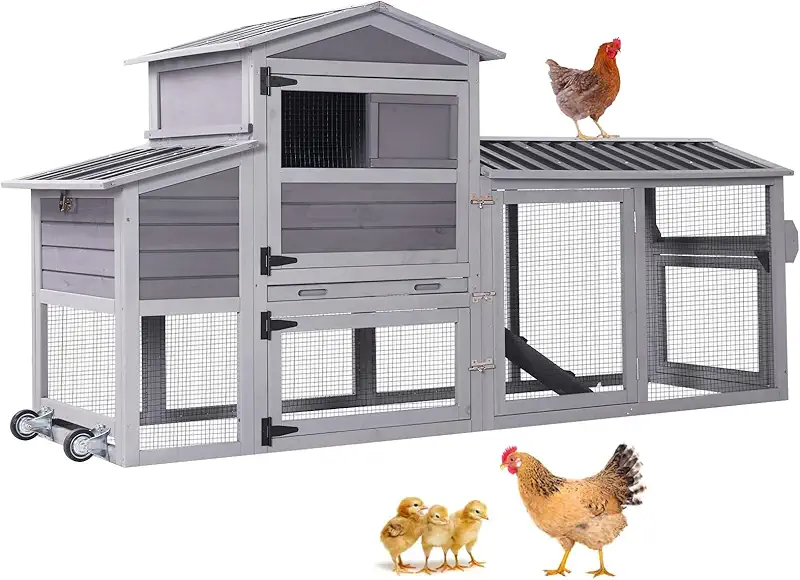
This style of wooden chicken coop on wheels is light and narrow. I used one like this when I first started, with three hens. It rolled along a path beside my vegetable beds without taking over the garden. The built-in run gave the hens protection, while the wheels let me move them to rest each patch of ground.
If you are nervous about your first coop, a small movable one teaches you a lot without feeling overwhelming.
Mid-size wooden chicken tractor
For flocks of 4–6 hens
Room to wander
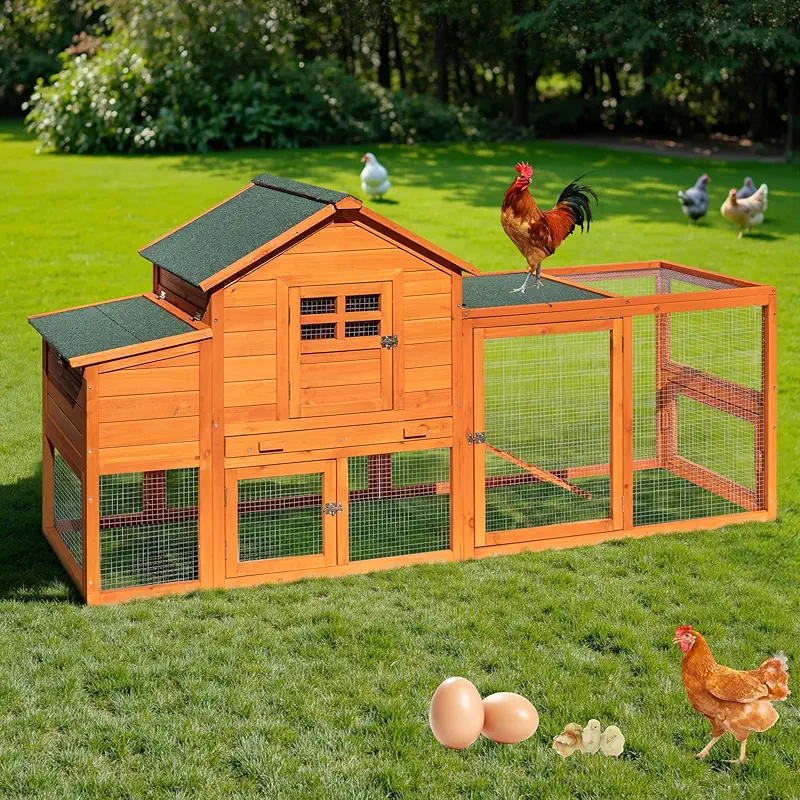
This type is what many people call a chicken tractor. Mine had space for six hens, with a short ramp to the enclosed house and a longer run below. I liked how easy it was to guide over rougher ground. The wheels sat at the back, and I lifted a front handle to move it like a big wheelbarrow. It was not fancy, but my hens laid well and spent their days scratching through fresh clover.
If you can picture yourself walking slowly across the yard with the coop behind you, this style might match your rhythm.
Larger wheeled coop with taller run
For families who love spending time with the flock
More comfort inside
A taller wooden chicken coop on wheels with a higher run is a blessing if you or your children like to step inside and visit the birds. In mine, I could kneel without bumping my head, and my nieces would sit on a little stool, talking softly with the hens on rainy days. It was heavier to move, but the comfort inside made daily care warmer and calmer.
If connection and calm time with your flock matter more than fast moving, this kind of coop has a gentle feeling.
No single design is perfect for everyone. Think about your own body, your yard, and your climate. I always tell friends: choose the coop you can move on your worst day, not on your best. On hot afternoons and cold mornings, you will be glad you listened to your slower, wiser self.
Little design details that make a big difference
A wooden chicken coop on wheels is more than a box with a handle. Small details turn it into a quiet, safe home. Let me share the ones my hens and I have come to appreciate.
Wheels and handles that feel safe in your hands
I once had a coop with thin, wobbly wheels. The first time I hit a small stone, the wheel twisted, and the whole coop jolted. The hens flapped and panicked, and I felt awful. Since then, I look for sturdy wheels and a handle that lets me keep control even when the ground is uneven.
If you can, choose wheels with a bit of thickness and a firm bar or handle. When you imagine pulling it across your yard, you should feel calm, not worried about tipping or shaking your birds.
Ventilation without drafts
Chickens care about air more than we think. A coop that is too tight smells strong and makes their bedding damp. One of my earlier coops was too closed. I noticed watery eyes and more sneezing in winter. When we added small vents high up under the roof and covered them with mesh, the air changed. The smell softened, and the birds breathed easier.
In any wooden chicken coop on wheels, I check that fresh air can leave at the top and new air can come in, without blowing directly onto the roosts. Good air is a quiet gift; you only notice it when it is missing.
Nest boxes that feel like a safe hug
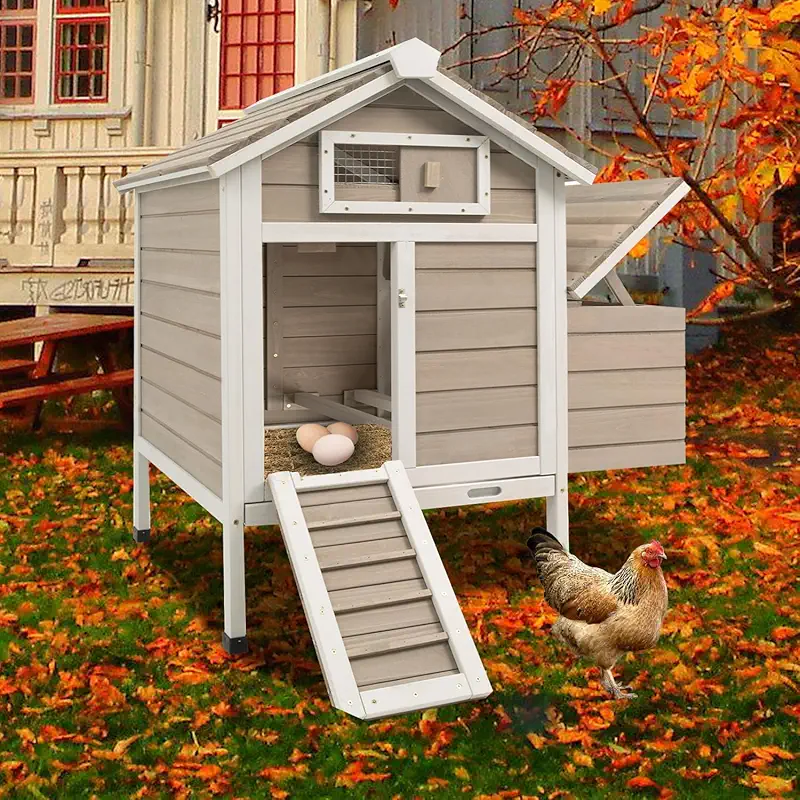
Hens like to lay in a place that feels tucked-in and safe. My calmest nests have a little lip at the front, solid side walls, and enough depth for soft bedding. Light should be gentle, not harsh. In one coop, I lined the nest box with extra straw and a small curtain of burlap. The hens chose that box every time, even when I provided others.
When you look at pictures of nest boxes, ask yourself: would I feel tucked in there, if I were a small warm hen on a windy morning? If the answer is yes, your birds will probably agree.
Daily life with a wooden chicken coop on wheels
Let me share how a normal day looks for me with a wheeled coop, so you can picture how it might feel in your own yard.
At sunrise, I walk out with a small bucket of feed and fresh water. The coop is usually still, with a soft murmur from inside. I open the pop door, and the hens step down into the run, stretching and chatting quietly. While they eat, I check bedding, pull out the droppings tray if there is one, and look for wet spots. It usually takes only a few minutes because everything is within reach.
I learned not to rush. If I give myself ten extra minutes in the morning, I notice small things: a hen walking more slowly, a changed comb color, a new favorite spot where they scratch. These little signs help me keep them healthy.
Later in the day, when the sun has dried any dew, I roll the coop to a new patch of ground. I lift the handle, take a breath, and move slowly. The hens follow the shadow of their home, scratching for new bugs as the grass appears. It feels less like work and more like guiding a gentle parade.
In the evening, I visit again with a small treat of greens, check for eggs in the nest boxes, and close the doors for the night. Knowing that the coop is sturdy, with proper latches and a dry roof, lets me sleep better myself.
My honest advice before you choose your coop
When people ask me which wooden chicken coop on wheels they should pick, I do not give one quick answer. Every family, every yard, and every little flock is different. But there are a few gentle questions I always suggest they ask themselves.
- How many hens do I truly want to care for every day, not just on my best days?
- Can I imagine moving this coop calmly in the rain, in the cold, or when I am tired?
- Where will I store bedding, feed, and tools so that everything stays close and simple?
- Who else in the family might help, and what height and strength will be comfortable for them?
- What does my climate look like in the worst month of the year, and can this coop face that?
If you answer these questions slowly and kindly, you will usually feel a quiet sense of “yes” or “no” when you look at a coop. Trust that feeling more than shiny photos. Your flock will feel that calm wisdom in every corner of their little wooden home.
If you feel ready to explore specific models, you can gently look through some options I have found helpful for people in situations like yours.
I’ll quietly look around
More examples of wooden chicken coop on wheels in real yards
To give you more ideas, here are a few other styles of mobile coops that have either lived in my yard or in the yards of friends and neighbors who also care deeply for their birds.
Low-profile coop for windy spots
Stays steady in stronger winds
Sturdy and calm
A neighbor on a very open field uses a lower wheeled coop with a wide base like this. The lower center of gravity and broad run help it stay stable in storms. The hens stay sheltered, and the coop rolls along the pasture without catching too much wind.
Coop on wheels with side storage
Feed and tools close at hand
Less walking back and forth
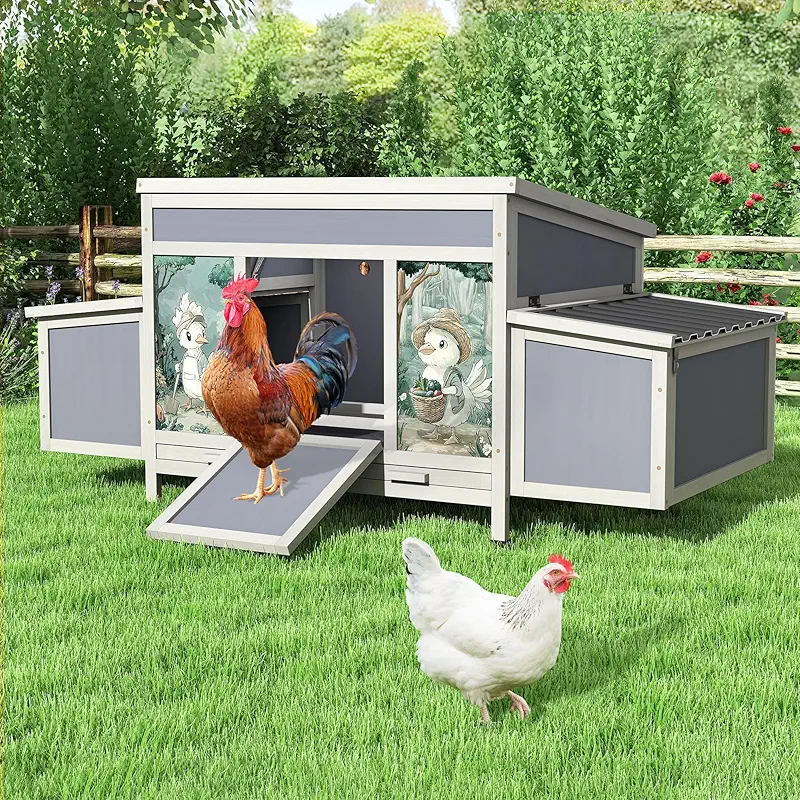
A small storage space on the side of a wooden chicken coop on wheels is a quiet blessing. I once used a coop with a built-in compartment for a small scoop, extra grit, and gloves. It saved many trips to the shed and made quick evening checks feel lighter.
Extended run wooden coop on wheels
For hens who love to roam
Extra legroom
Some coops include a longer run area, letting birds stretch their legs even when you cannot be outside to watch them. One flock of mine, kept safe from a visiting hawk family, lived in a long mobile run for several months. They stayed active and content, and I could sleep without worrying about surprise attacks from above.
Wood care and maintenance for your mobile coop
Wood is warm and natural, but it needs a bit of kindness to last. I gently treat my wooden coops like outdoor furniture that sleeps living beings. A little care now and then keeps the walls solid and the roof strong.
Once or twice a year, I walk around the coop and look for soft spots, peeling paint, or small cracks. I touch the corners and the bottom edges where rain might sit. If I catch problems early, a simple coat of safe outdoor sealant or a bit of repair keeps the coop going for many more seasons.
I also pay attention to where I park the coop in winter. Instead of leaving it in the lowest, dampest part of the yard, I choose a slightly higher, drier area. It keeps the wheels from sinking and the wood from staying wet too long.
Inside, I use dry bedding like wood shavings or chopped straw and clean regularly. A wooden chicken coop on wheels is easier to keep dry because I can move it, but it still needs my eyes and my hands to stay in good shape.
Frequently asked questions about a wooden chicken coop on wheels
Is a wooden chicken coop on wheels safe enough from predators?
In my experience, yes, it can be very safe if you pay attention to details. I make sure all doors and nest boxes have solid latches, not just little hooks. I also check that the wire on the run is strong, not thin decorative mesh. At night, I lock the hens inside the wooden house section, so even if a fox or raccoon visits, they only find a closed door. Moving the coop also means predators cannot rely on the same place every night, which helps.
How often should I move my wooden chicken coop on wheels?
It depends on how many hens you have and how soft your ground is. With four or five hens on grass, I like to move the coop every day or every other day. If the ground is already bare or it has rained a lot, I move it more often to keep droppings from building up. I watch the grass: if it looks muddy or smells strong, it is time to roll the coop to a fresh spot.
Can I keep hens in a wooden chicken coop on wheels all year round?
I do, but I live in a place where winters are cold but not extreme. If your winters are very harsh, you may need extra steps, like windbreaks, deeper bedding, and sometimes moving the coop to a more sheltered part of the yard. Wood holds warmth better than metal, and hens are tougher than they look, but they still need protection from drafts and moisture. I always think of it this way: if I can stand next to the coop for a few minutes in winter and feel reasonably comfortable, my birds will usually be fine inside with proper bedding.
How many chickens can I keep in one wheeled wooden coop?
Numbers on boxes are often too hopeful. I like to be kinder. For small wheeled coops, I usually keep three or four hens, even if the description says six. For mid-size coops, four to six hens feel right if they also get some time to range or if the run is generous. I watch my birds: if they bicker a lot or look crowded on the roost at night, that tells me they want more space.
Is a wooden chicken coop on wheels hard to put together?
Most of the coops I have assembled came in flat boxes with pre-cut parts. I am not a professional builder, but with simple tools and patience, I managed well. It usually takes a quiet afternoon. I lay the panels out on the grass, follow the instructions slowly, and tighten every screw at the end. If you are unsure, inviting a friend or family member to help turns it into an easier and even pleasant little project. And when you roll your hens into their new home for the first time, the effort will feel well spent.
A gentle next step
If your heart is already leaning toward a wooden chicken coop on wheels, take a slow moment to listen to that feeling. Your hens may not speak our language, but they will feel the care in every board, wheel, and latch you choose for them.
You do not need to decide in a hurry. You can simply look at a few options, imagine them standing in your yard, and notice which one makes you breathe out a little easier.
I’ll just have a look
However you decide, I wish you many quiet mornings, soft clucks, and warm eggs in a nest box that feels like home to your flock.
Photo glimpses of wooden coops on wheels
To finish, here are a few more visual ideas of how a wooden chicken coop on wheels can look and sit in different corners of a yard or garden.