From a loving chicken keeper
Wooden chicken coop large
Wooden chicken coop large
I’ve raised hens for more than twenty years, and one thing they teach you very quickly is this: a cramped coop makes unhappy birds. A wooden chicken coop large enough for them to stretch, scratch and breathe in peace changes everything. The eggs, the health, even the sounds in the yard become softer and calmer.
On this page I want to help you choose a large wooden coop that feels like a safe little cottage for your flock, not a box. I’ll share the same simple rules I use for my own hens, the small mistakes that once cost me sleep, and the quiet little details that make a coop feel like home for your birds.
Let me see options
You’ll see different wooden chicken coop large setups, sizes and layouts. I always imagine my hens walking around them when I look.
Why a large wooden coop feels different to your hens
When visitors come to my yard for the first time, they often stand quietly in front of the coop and say, “They look so relaxed.” That calm does not come from luck. It comes from space, wood, and gentle design. A wooden chicken coop large enough for your flock gives them room to move in a way that respects who they are.
Chickens are small, but their world is big. They like to walk in little groups, step away from each other, hop on a perch, and then come back. In a tight coop they can’t do that without bumping and pecking. In a roomy wooden coop, the tension drops. They breathe easier, and so do you.
Simple rule I use at home: if I imagine myself stuck in that space on a rainy day and I feel cramped even in my mind, the coop is too small for my hens.
Wood also matters. Metal can be sharp and cold. Plastic can feel damp and sweaty on hot days. A wooden chicken coop large and well-built holds warmth in winter and breathes better in summer. It smells natural. My birds settle faster in wood. They tuck their heads under their wings and murmur, like they know this material belongs to the earth.
How big should a wooden chicken coop large really be?
Many boxes online are called “large,” but my hens would strongly disagree with some of those labels. Over the years, I learned to stop trusting words and start trusting simple numbers and the birds’ behavior.
My space guide for a peaceful flock
- Inside the coop: I aim for about 4 square feet (0.37 m²) per standard hen. So for 6 hens, around 24 square feet of indoor space.
- In the run: I like at least 10 square feet (0.93 m²) per hen. If you free-range daily, you can feel safe with a bit less.
- On the roosts: At least 8–9 inches of perch for each hen. More if you can, especially for larger, heavy breeds.
- Nest boxes: One nest box for every 3–4 hens, with a little privacy and soft bedding.
These are not strict laws, just kind guidelines. But every time I bent them, the birds told me, with pecking, stress, or feather loss. When I respected them, they rewarded me with quiet clucks and steady eggs.
When you look at a wooden chicken coop large online, don’t just read “for 8–10 chickens.” Count the square feet. Imagine your hens walking, turning, stretching wings. If you cannot picture them doing that without touching each other all the time, that coop will likely feel small in real life.
Key features I look for in a large wooden chicken coop
After so many seasons, I’ve learned to scan a coop with a quick eye. Here are the features that quietly make the biggest difference to my flock’s comfort and health.
Comfort and health first
- Solid wooden frame: Thick, sturdy wood that does not wobble when you push it. My older hens hate movement under their feet.
- Raised off the ground: A raised wooden chicken coop large enough underneath for shade or dust baths keeps floors dryer and predators less interested.
- Good ventilation, no drafts: Vents high up under the roof let moist air escape without blowing on the birds’ backs.
- Easy access doors: Big doors for you as well as small ones for them, so you can clean without crawling like a fox.
- Removable trays or smooth floors: Anything that lets you clean quickly. A coop that is hard to clean never stays clean for long.
When I check a new coop, I always crouch down and look from a hen’s eye level. I imagine myself going in for the night, jumping on a perch, and looking for my friend. If the path is clear and the perches feel steady, I know my flock will settle well.
What a larger coop changes in daily life
With a truly large coop, morning chores are softer. There is less smell, less noise, less rush. The hens walk out slowly instead of bursting out in a panic. On rainy days, they can stay inside without turning on each other. When a new hen joins, she has corners to hide and breathing space to adjust.
It also changes you. I find myself staying longer inside the coop, just watching them scratch and chat. A wooden chicken coop large enough for both them and you becomes a shared room, not just a box you open and shut.
Three ways to think about a wooden chicken coop large purchase
To keep my thoughts clear, I always look at a new coop from three simple angles: my hens’ feelings, my own time and back, and the long-term safety of the flock. You might find this way of looking helpful too.
Room to breathe
Space and daily comfort
Think about how your hens will move on a rainy day, not just on a sunny one.
Look for broad floor space, gentle ramps, and generous headroom. If you plan to add a few more hens later, let that future flock guide your choice now. I always tell myself, “Will this still feel calm when there are two more birds inside?”
I want to picture this
Browse large layouts and imagine your flock walking through them slowly, not fighting for every step.
Kind to your back
Cleaning and care made simple
A coop that is easy to clean stays healthier without much effort.
Wide doors, slide-out trays, and smooth wooden surfaces mean you can keep things fresh without turning each cleaning into a big project. I have learned that if my back dreads it, I will wait too long between cleanings. A good wooden chicken coop large design respects your body too.
Show me easy ones
Look for designs where you can reach every corner without squeezing or crawling.
Quiet safety
Predator protection and weather
A large coop still needs to feel tight and safe when the night comes.
I check for sturdy locks, snug doors, strong wire on the run, and a roof that carries water away. The hens do not know how strong the structure is, but they do know how it feels. A secure wooden chicken coop large enough for them to spread out lets them sleep without alarm calls.
Let me check safety
Focus on locks, wire strength, roof shape, and raised floors when you look closer.
My personal routine inside a large wooden coop
To give you a real picture, let me walk you through a normal day with my flock and our large wooden coop. Maybe it will help you imagine how your own days might feel.
At first light, I step outside with a mug of warm tea. The coop is quiet. As I open the door, the hens start to murmur. There is room around the doorway, so nobody gets pushed. One by one they hop down the ramp, calm and sleepy, not jostling for space.
After they walk out, I go inside. I can stand up almost straight, which my back thanks me for. The roosts are high enough to stay clean, but low enough for older hens to reach. The floor is wood covered with a layer of dry shavings. Because the coop is roomy, the smell is mild, even after a wet week.
On cleaning days, I open the big side door. In a few easy motions, the trays slide out. I scrape, add fresh bedding, and slide them back. The hens often come in and out to see what I’m doing, stepping around me with no panic because they have space to pass. It feels like we share the room, not fight over it.
In the evening, just before dusk, I stand quietly outside the run and watch the order in which they go back in. There is always a little shuffling on the roost, but because it’s a wooden chicken coop large enough for extra perch space, the low-ranking hens still find their own spots without being pecked off. That quiet end to the day is one of my favorite sights.
Common mistakes with “large” wooden coops and how to avoid them
When I first started, I made mistakes that cost me time and feathers. If my experience can save you and your birds some trouble, I’m glad to share it.
What I wish I had known earlier
- Don’t trust bird counts on boxes: If a coop says “for 10 chickens” but the floor space says otherwise, believe the numbers, not the label.
- Mind the vertical space: A wooden chicken coop large on paper but low in height can feel tight, especially on hot days when air needs to move.
- Remember winter: In cold, wet weeks, your hens stay inside more. That’s when crowding truly shows.
- Plan your path: Make sure you can reach every corner for cleaning. Hidden corners become damp and dirty very fast.
A gentle checklist before you decide
- Count your birds and add two more for possible future hens.
- Multiply by 4 square feet per hen for indoor space.
- Look for solid wood, sensible doors, and strong wire.
- Imagine yourself cleaning and collecting eggs on a busy day.
- Ask: “Will this still feel peaceful in three years?”
When you are ready to look more closely at different designs and sizes, you can quietly explore several wooden chicken coop large setups here:
I want to compare calmly
Different shapes of large wooden coops
Not every yard is the same, and not every flock behaves the same. Over time, I have tried a few different shapes and arrangements. Each style of wooden chicken coop large enough for a small backyard flock has its own feeling.
Classic house with attached run
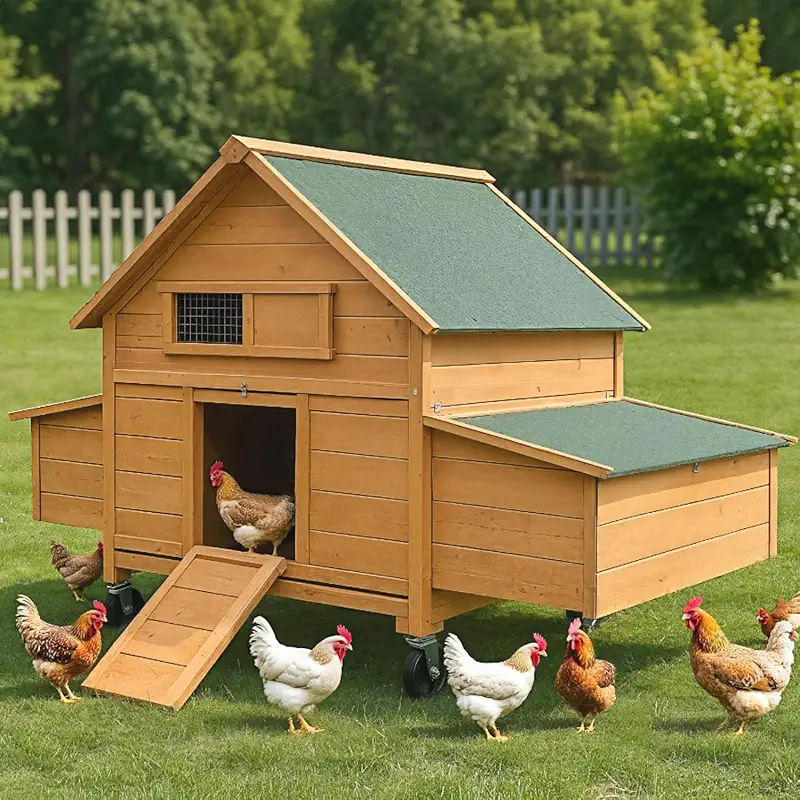
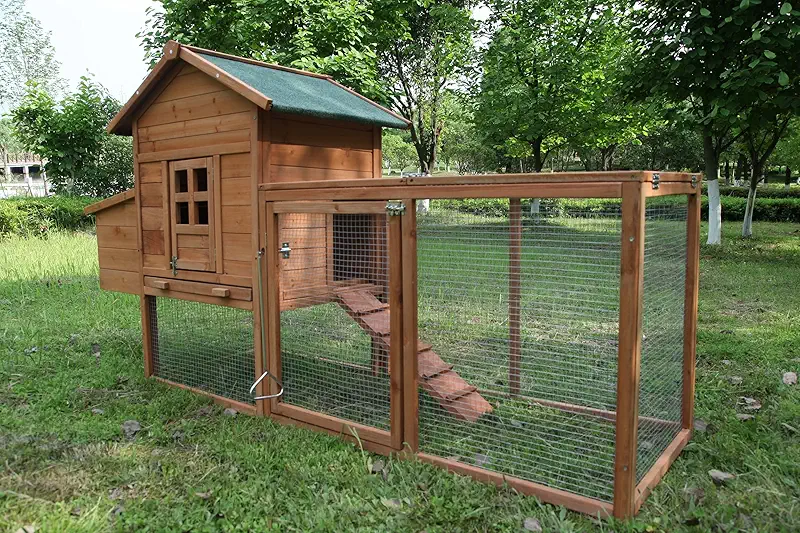
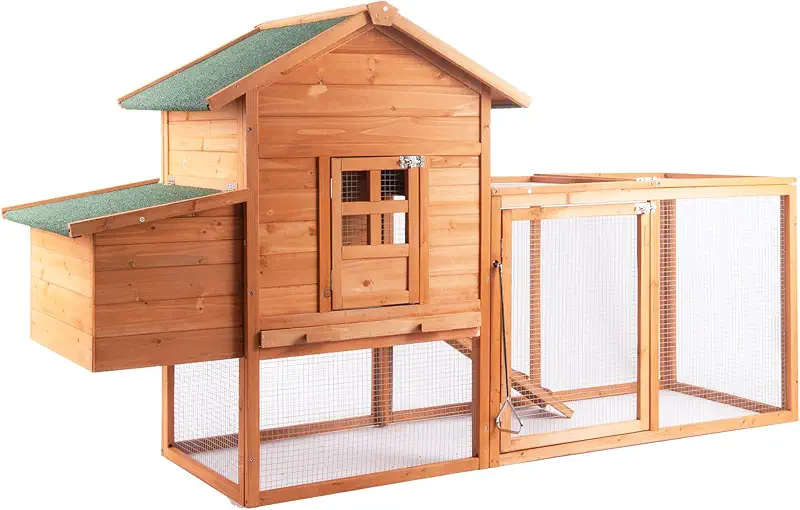
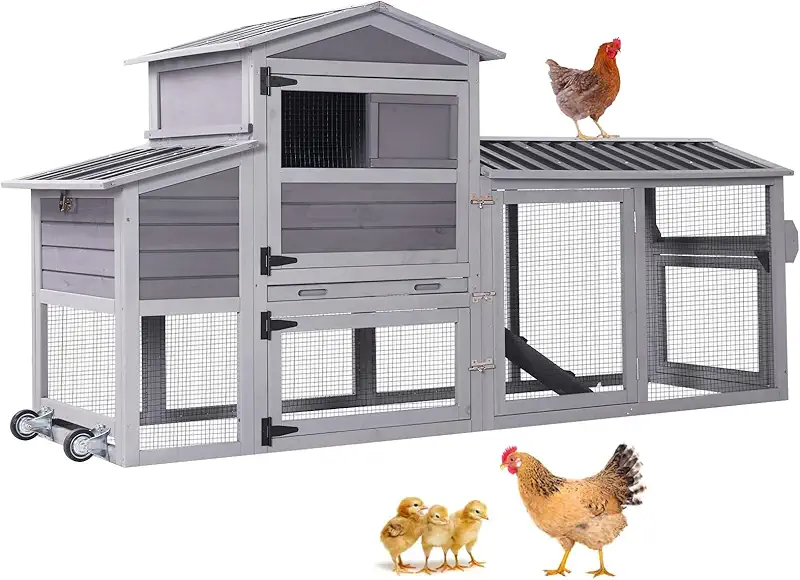
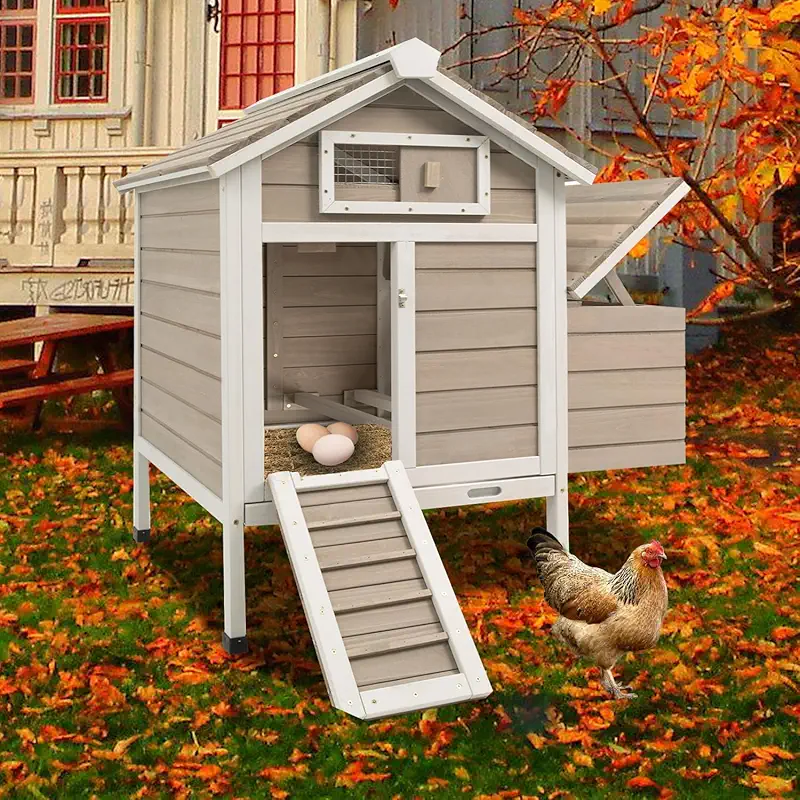
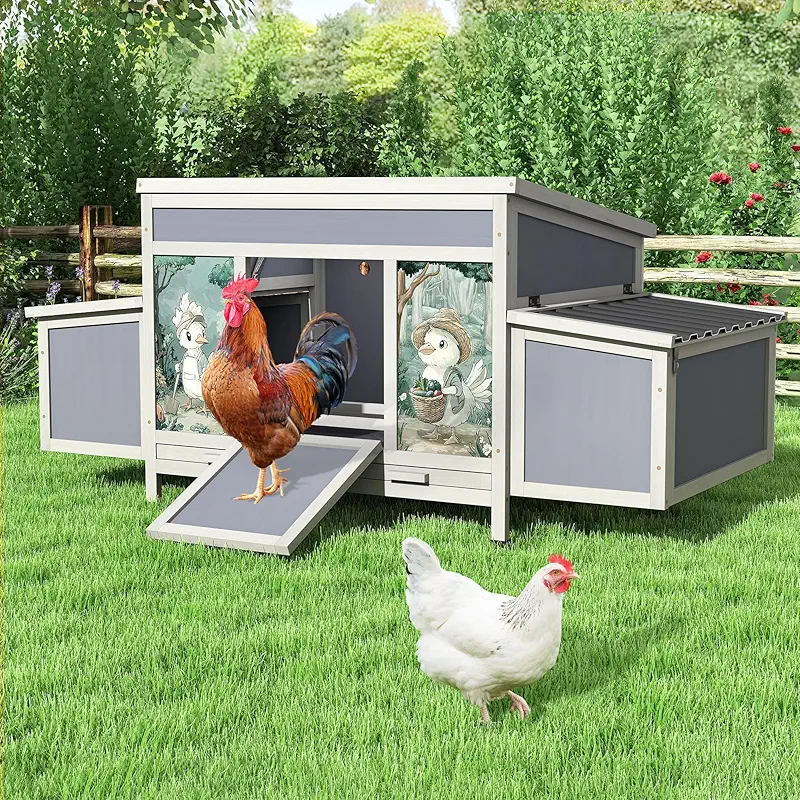
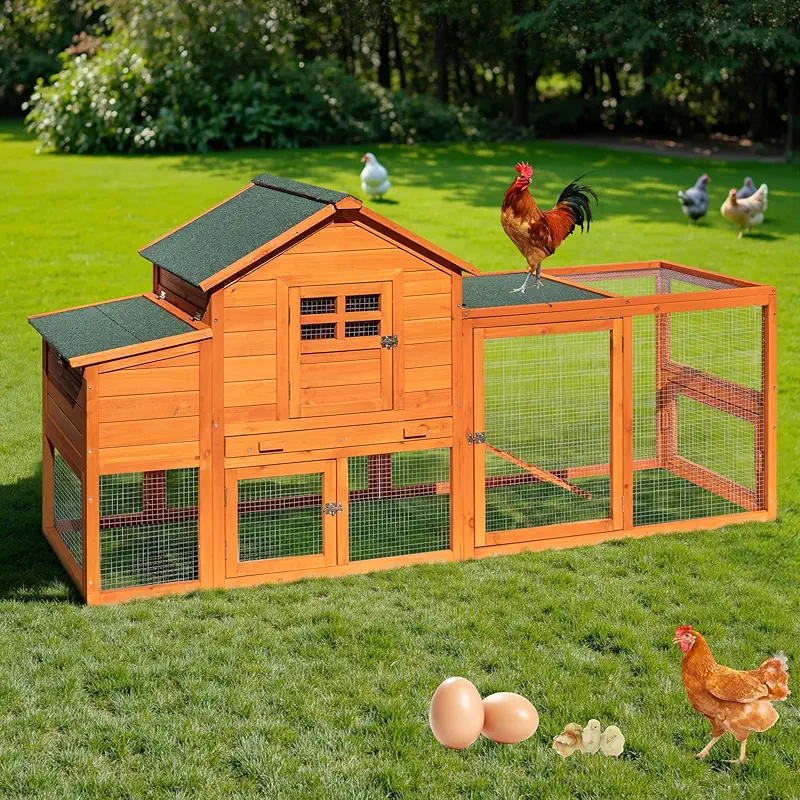
This is the style many people picture first: a raised wooden house with a sloping roof and a run attached below or beside it. I like this design for smaller yards, because everything stays in one neat footprint. A wooden chicken coop large in this shape often gives you dry shelter above and play space under the house.
Long barn-style coop
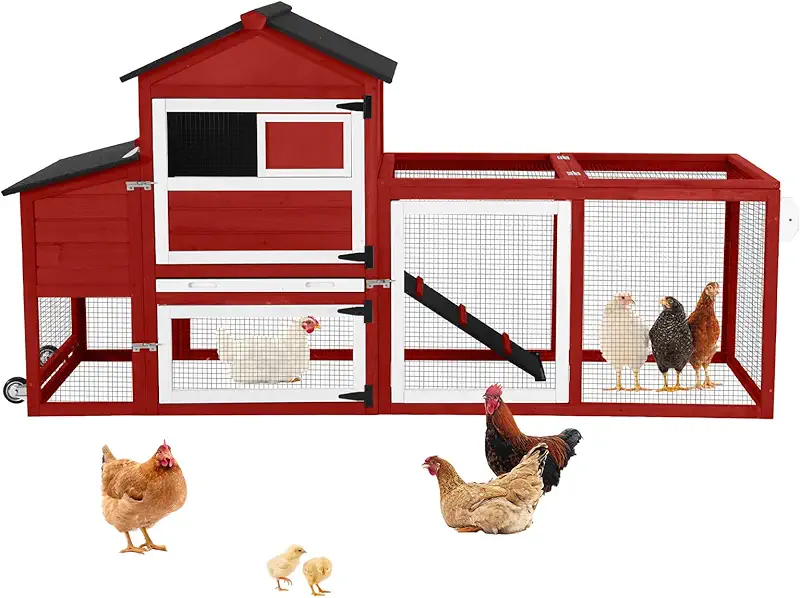
When you have more birds or more land, a long barn-style wooden coop can feel very natural. The hens spread out along the length, and there is space for several doors and windows. Inside, you can break it into gentle “zones”: eating, roosting, dust bathing. It feels more like a real barn, just in miniature.
Modular and expandable designs
Some modern wooden chicken coop large designs let you add extra run panels or side rooms later. I like these for people who are “hen-sitting” their decision and may slowly grow their flock. Starting with a solid center and adding space over time can be a very kind way to expand without shock.
Little touches that make a big difference inside a large coop
Once the main structure is chosen, small details can change the whole mood inside the coop. Over the years, I’ve added a few simple touches my hens clearly appreciate.
- Soft, wide roosts: I like wooden perches with rounded edges, wide enough so their toes wrap gently without strain.
- Comfortable nest boxes: Darker corners with plenty of bedding, where a hen can feel hidden but still hear the others.
- Dust bath corners: In a large run, I always keep one dry corner with sand and soil. It helps them stay clean and content.
- Quiet water and feed spots: I place feeders where timid hens can eat without being watched by all the others.
A wooden chicken coop large enough to hold these little comforts becomes more than shelter. It becomes a settled place where your birds can show their full, gentle personalities.
Frequently asked questions about choosing a wooden chicken coop large enough
How many hens can I keep in a wooden chicken coop large enough for my backyard?
I like to start from the space, not the number. Take the indoor floor size in square feet and divide by four. That gives you a kind, relaxed number of standard hens. If you are keeping larger breeds, or if your hens will spend long winter days inside, be even more generous. A coop that is “too big” is rarely a problem; a coop that is just a little small becomes stressful very quickly.
Is wood really better than plastic or metal for a large coop?
For my birds and climate, yes. Wood feels warmer in winter and less harsh in summer. It also absorbs sound a little, which keeps the coop from feeling echoey and sharp. A wooden chicken coop large and well ventilated stays drier and calmer. Of course, you still have to care for the wood, protect it from rot, and check it for gaps, but the comfort it gives my hens has always been worth that small effort.
How can I tell if an online coop is truly big enough?
I ignore the “for X chickens” label and go straight to the dimensions. I calculate the floor space, check the run size, and look closely at the roost length. I also study the photos and imagine my actual hens moving around inside. If you want to quietly compare different wooden chicken coop large layouts and sizes side by side, you can look through a variety of designs here and do the same little exercise with your own flock in mind:
Let me quietly compare.
Do I really need a run if my hens free-range during the day?
I still keep a run and I’m glad I do. Weather changes, neighbors visit, and sometimes you just need to keep the flock contained for a few days. A wooden chicken coop large with a secure run attached gives you options. Even my free-ranging hens appreciate a safe, fenced space when hawks are active or when the garden needs a break from their scratching.
What should I look for in a large coop if I live in a cold or very hot place?
In cold areas, I look for a solid wooden frame, tight joints, and ventilation that lets out damp air without creating drafts at roost level. In hot areas, I look for shade, cross-breezes, and tall roofs that let heat rise away from the hens. In both cases, a wooden chicken coop large enough for the birds to spread out means they can manage their own comfort better: they can step away from each other, move toward or away from vents, and choose their favorite spots.
Listening to your flock while you choose
As you look through different options, try this small habit that has served me well. Picture your actual hens, not just “chickens” in general, walking through each wooden chicken coop large design. See your shy one, your bossy one, your older one with the slower step. Ask yourself how each of them would feel in that space.
When a design makes you feel a quiet “yes” in your chest, that is usually the one that will also earn soft clucks and steady eggs later on. If you’d like to wander gently through several layouts, sizes and shapes and let that feeling guide you, you can do that here in your own time:
I’ll trust my feeling