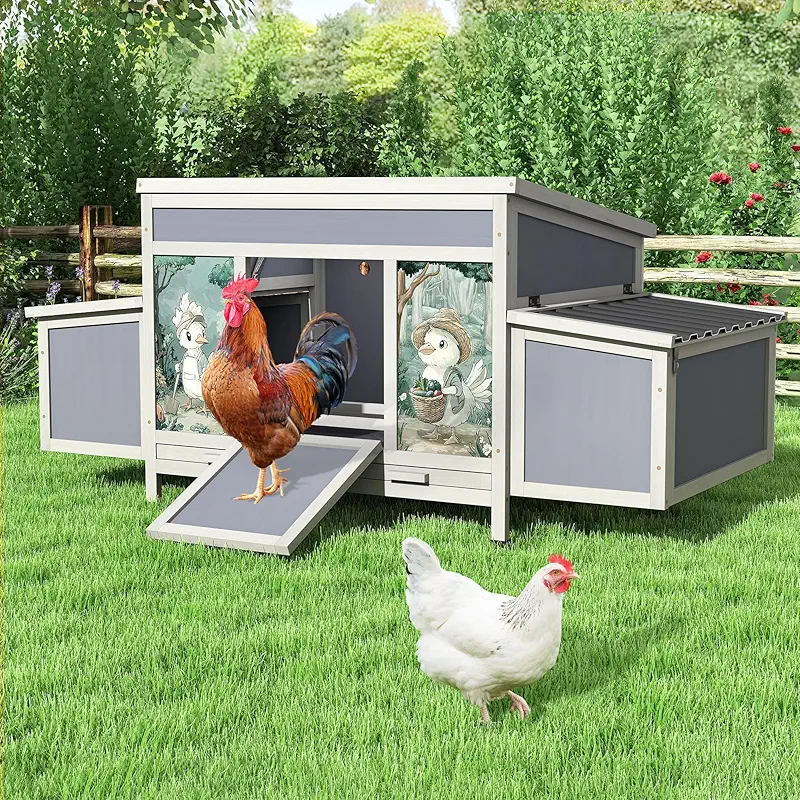
Wooden chicken coop ladder
Wooden chicken coop ladder: a small detail that decides whether your hens feel brave or scared every single day.
I have spent many mornings watching my hens hesitate at the bottom of a badly built ramp. When I finally learned how to choose and set up the right ladder, everything changed. The coop became calmer, quieter, and the egg basket mysteriously got fuller.
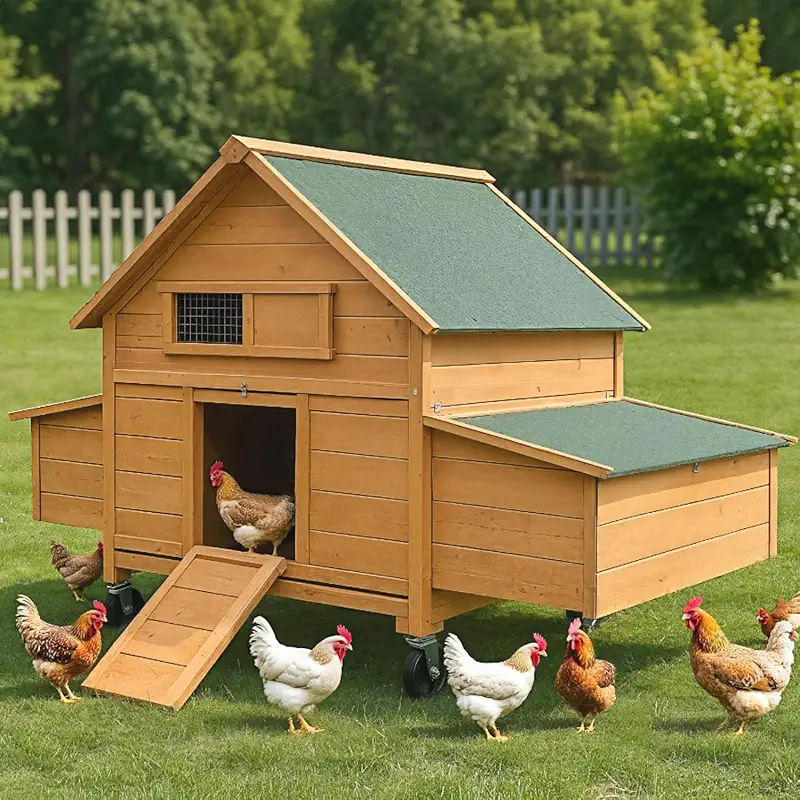
Why the wooden chicken coop ladder matters more than people think
When people start with chickens, they worry about feed, breeds, and egg colors. The wooden chicken coop ladder looks like a small thing. I thought the same years ago. I built a steep, narrow ramp, feeling proud of my carpentry. That evening I found three of my hens sleeping under the coop, too scared to climb up.
A good ladder is not just a piece of wood. It is the daily bridge between safety and danger, light and dark, comfort and fear. If the bridge feels unsafe, the whole flock feels unsafe. Once I understood that, I began to treat the ladder as seriously as the roosts and nest boxes.
A solid wooden chicken coop ladder gives your hens three quiet gifts:
- Confidence: hens move in and out without rushing, slipping or fighting.
- Routine: they go to bed on time by themselves, even on stormy evenings.
- Safety: fewer injuries, fewer birds sleeping on the ground, less risk from predators.
Over the years I tested rough homemade ramps and well-crafted wooden ladders from different coops. My older girls, especially a shy hen I call Daisy, taught me very clearly what works and what does not. In this guide I want to share those lessons with you, so your chickens can walk with calm feet and you can sleep with a calm mind.
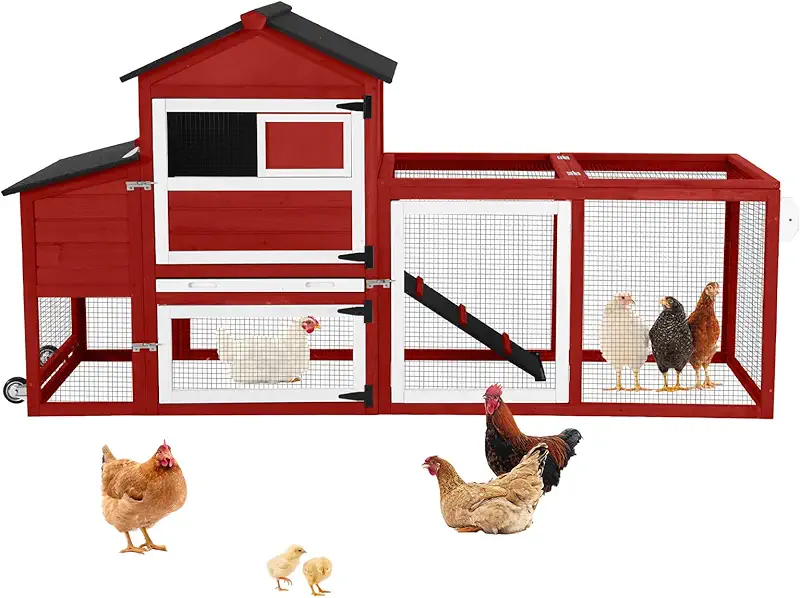
Choosing a wooden chicken coop ladder that hens actually trust
When you look at a ladder online, it is easy to pay attention to the color or the cute design. Your hens care about other things: the angle, the width, the little steps under their toes, and how solid it feels when they jump on it.
Comfort-focused, hen-friendly design- Gentle slope: not too steep, so even heavy breeds waddle up without fear.
- Non-slip rungs: enough grip for muddy or wet feet.
- Sturdy joints: the ladder does not shake or rattle as they climb.
- Safe width: space for two hens to pass without pecking wars.
- Weather-resistant wood: stays strong through rain, frost and hot sun.
I always imagine my most timid hen testing new things first. If she feels relaxed on a ladder, I know the whole flock will be fine.
Key elements of a safe wooden chicken coop ladder
Let us walk through each part of a wooden chicken coop ladder the way a hen experiences it. Picture your smallest bird at the bottom, looking up, deciding whether to climb or stay on the ground.
1. The slope: kind on old legs and young feet
Humans like straight lines and steep stairs. Chickens prefer gentle slopes. A ladder that is too steep turns bedtime into a daily drama, with flapping wings and panicked jumps.
Over time I noticed a simple rule: if I would hesitate to walk up the ladder in socks on a frosty morning, it is too steep for my hens. I aim for a soft angle, so they feel like they are walking up a ramp, not climbing a cliff.
- For standard breeds, a comfortable angle is around 30–45 degrees.
- For heavy or older hens, the gentler the better.
- If space is tight, add more rungs so each step feels secure.
2. Width: room for chicken traffic jams
Chickens are creatures of habit, and bedtime brings all of them to the ladder at once. On a thin ramp, they push and squabble. On a wider wooden chicken coop ladder, they can pause, pass, and sort out their pecking order without knocking each other off.
I remember one winter evening when rain suddenly started while my flock was still out. They all rushed to the ladder together. Because the ramp was wide and solid, they flowed up in a calm line instead of a chaotic pile of feathers.
3. Rungs: little shelves for tired toes
Flat boards without rungs can be slippery, especially when mud builds up. Rungs (sometimes called cleats) are like tiny shelves that let hens rest their toes with confidence.
When I built my first ladder, I spaced the rungs too far apart. I watched my smallest pullets stretch awkwardly between them. Since then, I keep them closer, so each hen always has something solid to step on.
- Place rungs roughly a chicken step apart, around 4–6 inches.
- Make them thick enough so claws can grip, but not so tall they trip hens.
- Check the edges: smooth enough not to cut, rough enough not to slide.
4. Surface: gentle on feet, strong against weather
Bare, shiny wood can be slippery, especially when wet. On the other hand, very rough or splintered wood can damage the soft underside of a hen’s foot.
I like wood that feels a bit like a well-worn garden tool handle: not polished, not splintery, just softly textured. Some keepers add a non-slip coating. I prefer gentle sanding and natural wear from little claws.
5. Join to the coop: no wobble, no fear
One of the biggest mistakes I made early on was not fixing the ladder tightly. It shifted a little when the first hen stepped on it. She jumped off in a panic. After that, the whole flock avoided the ramp for days.
A wooden chicken coop ladder must feel completely solid. No creaks, no swinging, no loose screws. When the first hen tests it, she is also testing it for every other bird in the flock.
I still remember the night when my old hen Mabel slipped on an icy ramp. She was not badly hurt, but she refused to use that ladder again. For several evenings I had to bend under the coop and gently lift her up to the door.
That winter taught me something important: chickens do not forget a scary moment on the ladder. When they feel safe under their feet, they keep a peaceful routine. When they do not, you end up crawling in the mud with a torch, trying to convince them to go in.
Since I switched to a sturdy wooden chicken coop ladder with gentle rungs and a kinder slope, Mabel and the younger hens walk up every evening without a second thought. The coop is quiet, and bedtime is no longer a negotiation.
Setting up your wooden chicken coop ladder step by step
Whether you choose a ladder that comes with a coop or a separate wooden ramp, the way you install it makes a big difference. The wood can be perfect, but if it shakes or sits at a strange angle, your hens will still worry.
1. Choose the right position
First, look at how your chickens move around the run. Where do they usually walk? Place the ladder where it feels like a natural path, not a hidden side route.
- Avoid placing the ladder where puddles gather under the bottom.
- Keep enough space at the top so hens can step into the door without turning sharply.
- Leave clear space at the bottom so no one gets trapped against a wall or fence.
2. Fix the top securely
The top of the wooden chicken coop ladder is what gives hens confidence. If it feels solid, they trust the whole ramp. Use strong screws or brackets, not just a nail or a bit of wire.
I like the top of the ladder to sit slightly inside a small notch or lip under the pop door. That way, even when chickens jump down with force, the ladder does not shift sideways.
3. Support the bottom
The bottom should rest on firm ground. If your run turns muddy in winter, consider placing a flat stone, paving slab, or wooden block under it. This keeps the wood from sinking and rotting.
I check my ladder after heavy rain. If it has sunk even a little, I lift it and add more support. Hens feel every small change under their feet.
4. Test it like a chicken
Before I let my flock try a new ladder, I test it myself. I put my full weight on the rungs, rock it gently, and listen. If I feel any wobble, I strengthen the fixings. My rule is simple: if I would not walk on it barefoot in the dark, it is not ready for my hens.
Looking at different wooden chicken coop ladder styles
Not every coop uses the same ladder. Some have long ramps, some have shorter stair-like steps, and some offer a mix of both. Here are a few wooden ladder styles I have seen my flock enjoy.
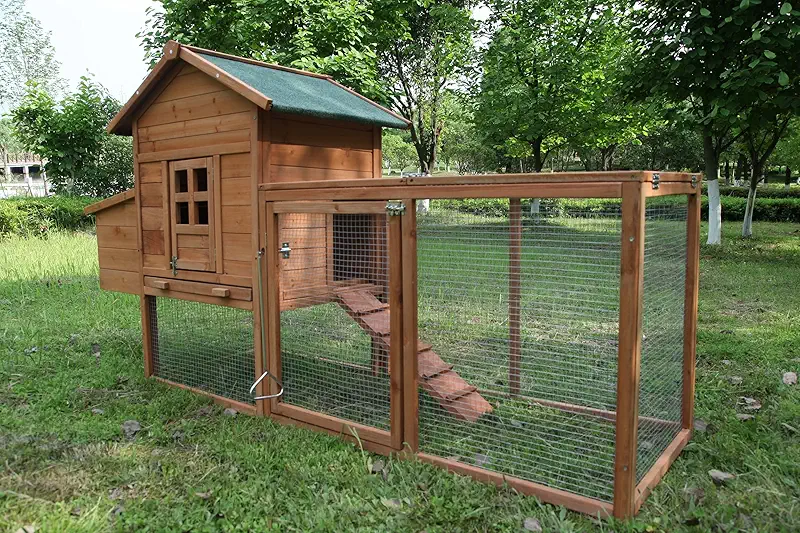
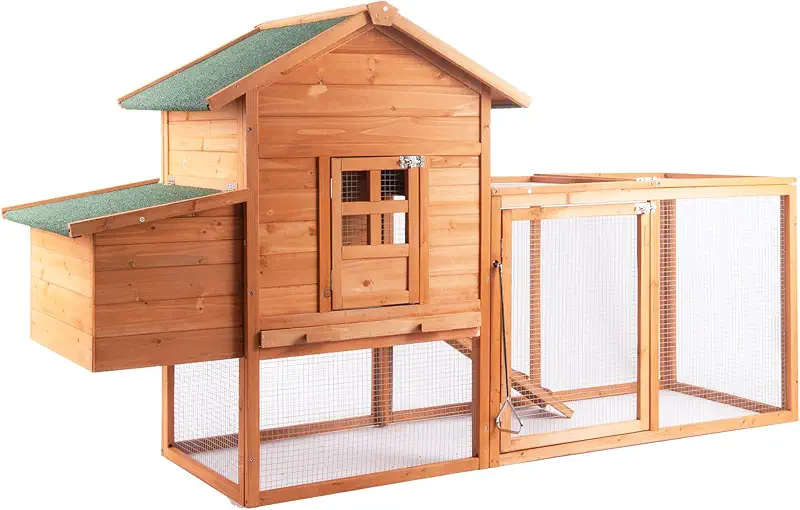
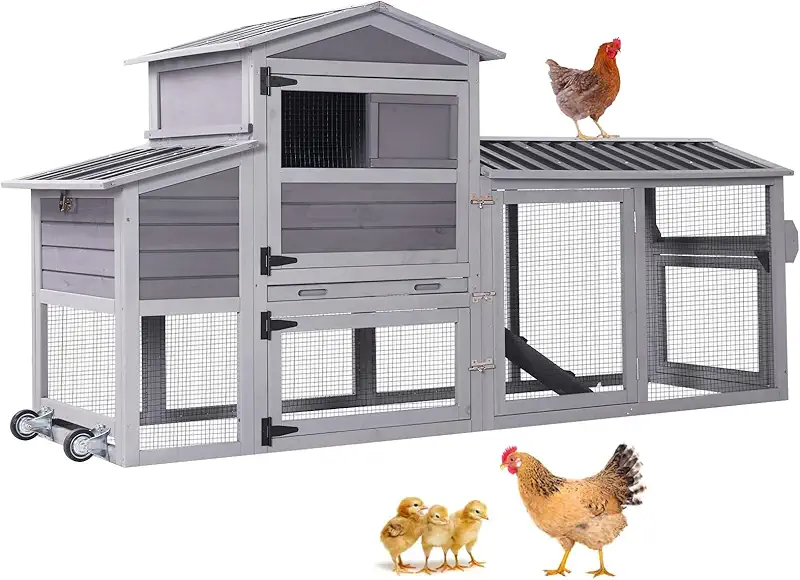
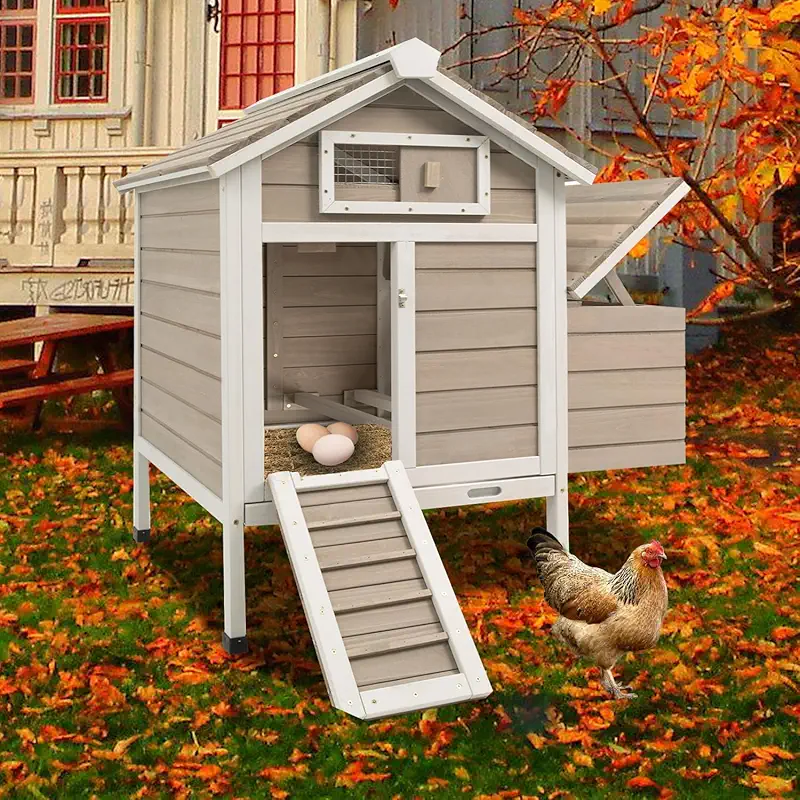
Long gentle ramps
My older and heavier hens love long ramps with many rungs. They walk up them like a quiet country lane. This style is kindest to their joints and easiest for young pullets who are meeting their first ladder.
Shorter stair-style ladders
Some coops use shorter, more stair-like wooden chicken coop ladders. I find these work well when the coop is not very high off the ground. Active, light breeds handle them easily, but I still pay close attention to rung spacing.
Double-width ladders
One of my favorite designs is a wide ladder that lets two or three hens stand side by side. It reduces jostling at bedtime and helps shy birds slip past the bossy ones without a fight.
If you are browsing different wooden coops and ramps, look not only at the pretty pictures but at the chicken’s path: can they walk it calmly, even in rain, mud, or at dusk when their eyes see less clearly?
I’ll check more ideasCommon wooden chicken coop ladder mistakes I learned the hard way
I did not get it right the first time, or the second. My chickens have patiently forgiven many of my ladder mistakes. Let me share the most important ones, so your hens do not have to forgive the same things.
- Too steep: I once made a ramp that looked neat and compact but felt like a cliff to the birds. The bravest hen jumped, the rest waited below, worried.
- Rungs too smooth: freshly planed wood looked beautiful, until a wet morning turned it into a slide. A little texture makes a big difference.
- Wood left untreated in the mud: the bottom began to rot where it touched wet soil. Now I always raise the base a little or give it a firmer surface to rest on.
- Ignoring the timid hens: ladders that worked fine for bold birds were still scary for quieter ones. I learned to design for the shyest hen, not the bravest rooster.
- Forgetting winter: what feels safe in summer can be slippery in frost. I check my wooden chicken coop ladder each season and adjust if needed.
Each small improvement I made on the ladder showed up later in the hens’ behavior: fewer hesitations at bedtime, calmer mornings, and almost no birds trying to sleep outside.
Daily care and simple checks for your ladder
A wooden chicken coop ladder does not ask for much, but a little attention keeps it safe for years. I treat it like I treat the roosts: a daily glance, a weekly wipe, and a closer look each season.
- Daily glance: when you close the coop at night, take two seconds to look at the ramp. Any wobble, new crack, or strange angle?
- Weekly clean: scrape off droppings or thick mud. A dirty ladder gets slippery and invites bacteria.
- Monthly check of screws: wood moves slightly with weather; re-tighten anything that has loosened.
- Seasonal protection: depending on your climate, consider a safe wood treatment or at least raise the base so it does not stand in water for days.
- Watch the hens: their body language is your best inspector. If they start jumping instead of walking the ladder, something feels wrong to them.
How a good ladder changes flock behavior
One of the quiet joys of keeping chickens is watching how small changes in their home affect the whole flock. When I improved my wooden chicken coop ladder, I noticed changes I had not expected.
Bedtime became almost silent. Instead of frantic wing flapping and frustrated clucking, they formed a soft, steady line up the ramp. Even my lowest-ranked hens slipped inside without bullying.
I also saw fewer dirty feathers and fewer scraped legs. Heavy hens, who used to jump down and land with a thud, now walked down carefully, using each rung like a gentle step.
For me, the real test is stormy weather. If the flock still chooses the ladder in wind, rain, or snow, that tells me they truly trust it. A well-chosen wooden chicken coop ladder quietly earns that trust day after day.
Bringing it all together for your hens
You do not need to be a carpenter to give your chickens a safe, steady path to their coop. You simply need to see the ladder through their eyes and choose something that feels gentle, solid, and kind.
When you look at any wooden chicken coop ladder, imagine old Mabel with her stiff legs, or a young pullet facing her first night outside the brooder. Would they feel sure of their steps, even in the half-light of evening?
If the answer is yes, you are on the right path. Your hens will thank you not with words, but with quiet evenings, cleaner feathers, and a flock that walks calmly between the safety of the coop and the freedom of the run.
I want calm bedtimesTake your time, look closely at the slope, the rungs and the width, and choose the ladder your birds’ feet would gently ask for if they could.
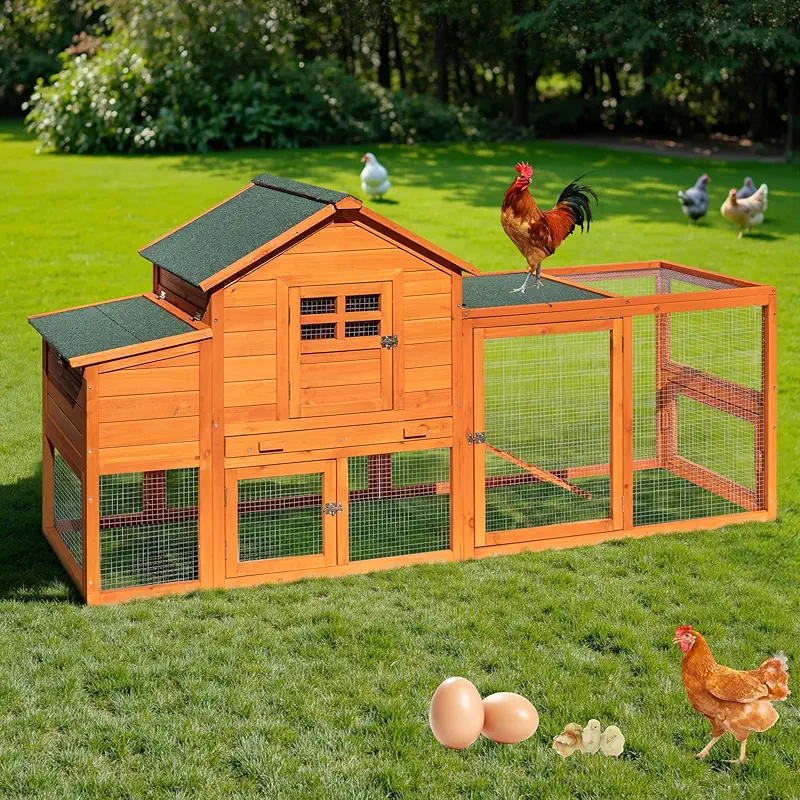
Wooden chicken coop ladder – FAQ
How steep should a wooden chicken coop ladder be?
I aim for a gentle slope, closer to a ramp than to stairs. For most flocks, something around 30–45 degrees works well. Heavier or older hens prefer it even flatter. If you see them jumping instead of walking, your ladder is probably too steep.
Do chickens really need rungs on the ladder?
In my experience, yes. Rungs give their feet a small shelf to grip, especially on wet or muddy days. Flat boards without rungs can become slippery. With rungs spaced every 4–6 inches, even nervous pullets climb more calmly.
What kind of wood is best for a chicken coop ladder?
I like sturdy, weather-resistant softwood that is not treated with harsh chemicals where the hens step. The wood should be strong enough not to warp, but light enough that it does not pull on the coop wall. Whatever you choose, protect the ends from constant contact with wet soil.
How wide should the ladder be for my flock?
I prefer a width that lets at least two hens pass each other. A narrow ladder forces them into a single file, which invites pushing and pecking. Wider wooden chicken coop ladders feel calmer at bedtime, especially with bigger flocks.
How often should I replace a wooden chicken coop ladder?
There is no fixed time. I replace mine when I see signs of rot, deep cracks, or movement in the joints that I cannot fix with new screws. A quick inspection each season is enough to catch problems early. As long as the ladder feels solid under your own feet, it will likely feel safe under theirs.
One last word from a keeper who loves her hens
When I look at my coop these days, the wooden chicken coop ladder is one of my favorite parts. It is simple, quiet, and you might walk past it without thinking. But every night, it carries sleepy hens safely home.
If you care enough to read about ladders, your flock is already lucky. Take a moment, think of their little feet and their gentle habits, and choose a path that feels calm and kind to them.
May your evenings be peaceful, your hens be brave on their steps, and your coop be a place of safety that they reach without fear.
This might suit my hens