I have spent many quiet mornings leaning on my wooden chicken coop gate, listening to soft clucks and watching my hens wake up. A good gate does more than close a hole in the fence. It protects, calms and makes your daily chores gentle and easy.
On this page I will walk you through how to choose and use a wooden chicken coop gate that keeps your flock safe and relaxed, using simple words and many small lessons from my own yard.
Wooden chicken coop gate
When people visit my small farm, the first thing they usually touch is the wooden chicken coop gate. It feels solid, a bit warm from the sun, and it swings with a soft sound that does not scare the hens. That gate is the line between danger and safety, stress and peace. Over the years I have learned that a well‑chosen gate can save birds, save time, and even save your back.
I still remember my first flimsy door, nailed together in a hurry. One windy night it twisted open and a fox slipped in. The next morning was one of the saddest of my life. Since then I have treated the coop gate as the heart of the whole setup. Strong wood, good hardware, easy movement, and a calm feeling for both me and my birds.
In the next sections I will share how I think about gate size, height, position, hinges, latches, and even how the gate sounds when it closes. I will also point to some wooden chicken coop gate options you can find through my affiliate link, in case you want ready‑made solutions instead of building everything from scratch.
Why a wooden chicken coop gate matters so much
Chickens are brave in some ways, but they are also prey animals. They listen for danger all day. At dusk, when they go to roost, they give the world one last scan before they relax on the perch. The last thing they see and hear is often the coop gate. If it slams, rattles, or feels loose, they stay restless. If it closes firmly with a gentle click, they settle.
A good wooden chicken coop gate gives three kinds of protection:
Physical protection – a solid barrier that teeth, claws and paws cannot push through or lift.
Emotional protection – a sense of routine and quiet that keeps your birds calm and steady.
Practical protection – simple access for you, so you do not skip tasks on cold or rainy days.
One winter I had an older hen named Daisy. She was slow, and I worried about her at night. Every evening I would close the wooden chicken coop gate and say her name softly. Over time she began to roost close to the gate, like she trusted that spot. When you choose or build your own gate, keep in mind that your hens will build their habits around it just like Daisy did.
Key features of a reliable wooden chicken coop gate
Let us walk through the details that turn a simple wooden door into a safe, friendly gate your flock can rely on.
1. Size and opening: big enough for you, small enough for them
Your wooden chicken coop gate needs to fit two types of users: you and your birds. I like a human‑sized gate for carrying feed, straw and bedding, plus a smaller pop‑door for the chickens. Some prefabricated coops combine both ideas in one design.
Human access: If you can walk through the gate without turning sideways, cleaning becomes less of a chore.
Chicken opening: A pop‑door roughly 10–12 inches wide and 12–14 inches tall works for most standard hens.
Threshold height: A small lip helps keep bedding in, but too high makes it hard for older or heavy hens.
I aim for a human gate wide enough for my wheelbarrow. It seems like a small thing, but when you are hauling out wet bedding in early spring mud, you will be glad you thought about it.
2. Wood choice and weather resistance
A wooden chicken coop gate lives outside year round. The wood needs to resist moisture and warping and still be kind to your hens’ feet and feathers. Softwood like pine is common, but look for solid frame pieces and cross‑bracing to prevent sagging.
Many ready‑made wooden coop kits have pre‑treated boards. I still like to:
Seal the edges of the gate with a safe outdoor sealant.
Raise the bottom edge slightly off the ground to avoid soaking in water.
Add a small sloped piece at the top to shed rain away from the hinges and latch.
This extra care keeps the gate square so that it closes cleanly year after year, even when the seasons change and the wood expands and shrinks a bit.
3. Hinges, latches and the “fox test”
I mentally imagine the cleverest fox in the county testing my gate. Could it dig under, lift up, or slap at a loose latch? A strong hinge and a secure latch are your partners here.
Hinges: Long strap hinges spread the weight and stop sagging. I prefer at least two, sometimes three on taller gates.
Latches: Use a latch that needs at least two clear movements to open (for example, lift and slide). Simple hook‑and‑eye is too easy for raccoons.
Closing feel: The best gate settles into place and stays shut even before you flip the latch.
I like to stand outside the closed gate at night and push, pull and lift it with my hands, imagining paws doing the same. If it moves even a tiny bit, I adjust the hardware.
4. Ventilation, light and sight lines
Your wooden chicken coop gate can also help with air flow. Some designs include a top half with wire mesh and a solid lower half to block drafts. This gives the hens fresh air while still making them feel tucked in.
I also like to be able to peek in without fully opening the gate. A small upper window or mesh panel lets me check that all birds are inside before dark. It is a gentle way to count heads without making a fuss.
5. Sound and routine
This might sound strange, but the sound of the gate matters to your birds. Chickens quickly learn daily patterns. The soft creak of the hinges in the evening becomes their “bedtime bell”.
If your wooden chicken coop gate bangs loudly or scrapes, it can startle them just as they are trying to settle. I grease hinges lightly, place small rubber stops if needed, and move the latch slowly. I talk to my hens as I close it, in the same gentle tone every night. Soon they shuffle onto their perch before I even touch the latch.
Choosing a ready‑made wooden chicken coop gate (or coop with gate)
Not everyone wants to spend weekends cutting boards and squaring frames. There is nothing wrong with starting with a ready‑made coop that already includes a solid wooden chicken coop gate. You can still tweak and improve it over time.
Through the link below you can explore different wooden coops and runs that come with built‑in gates. I will not talk about brands here, because they change often, but I will explain what I look for when I scroll through them.
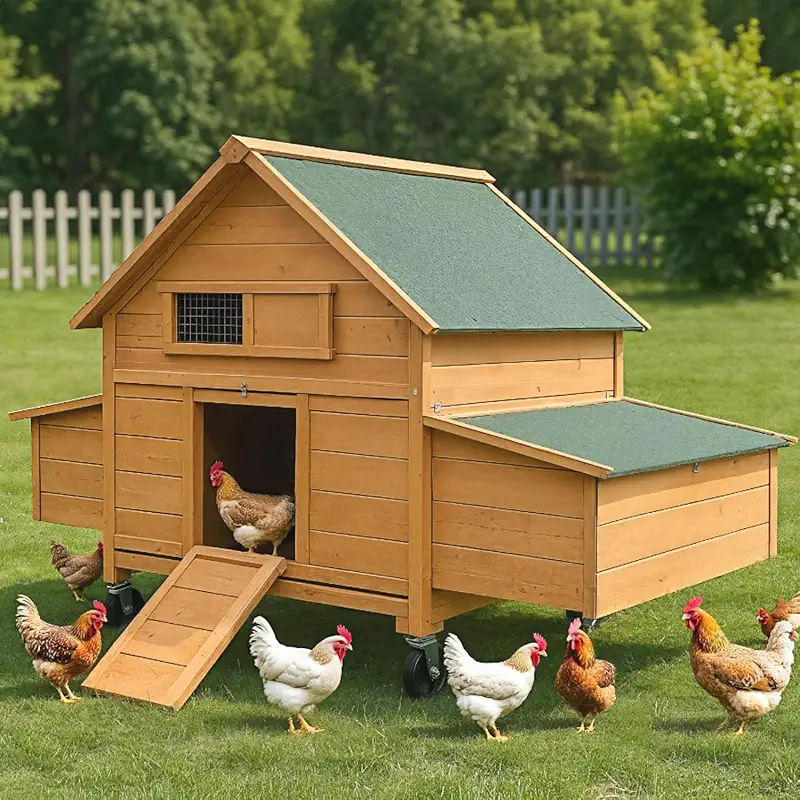
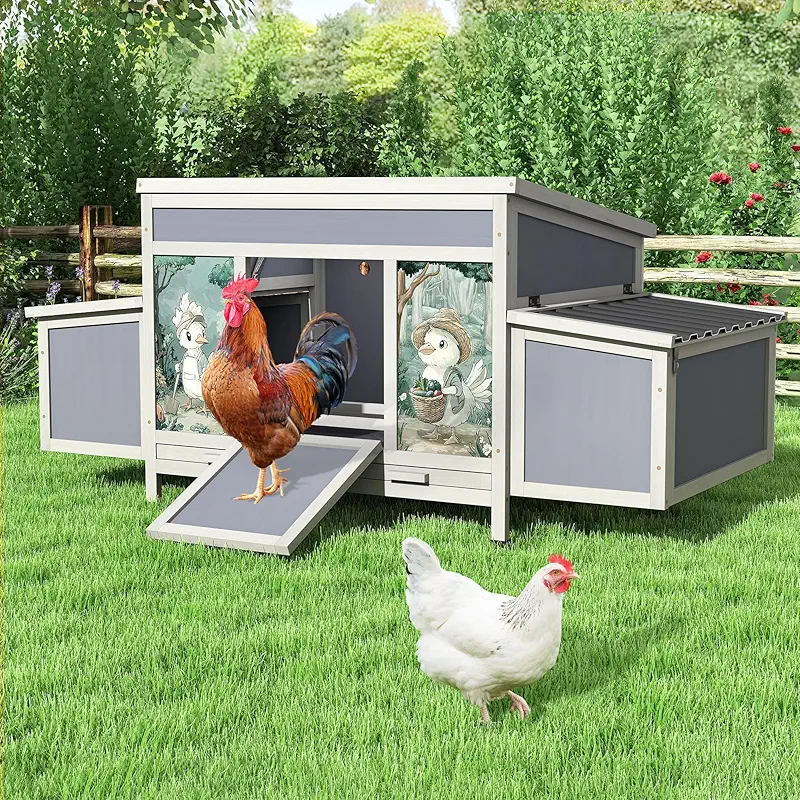
Compact coop with front wooden gate
Good for small backyards or first flocks
I like compact coops for beginners because the wooden chicken coop gate is usually easy to reach from your house. Look for a front gate wide enough for your shoulders and a small pop‑door for the hens. Solid lower panels keep drafts down, while a bit of mesh up high lets steam escape.
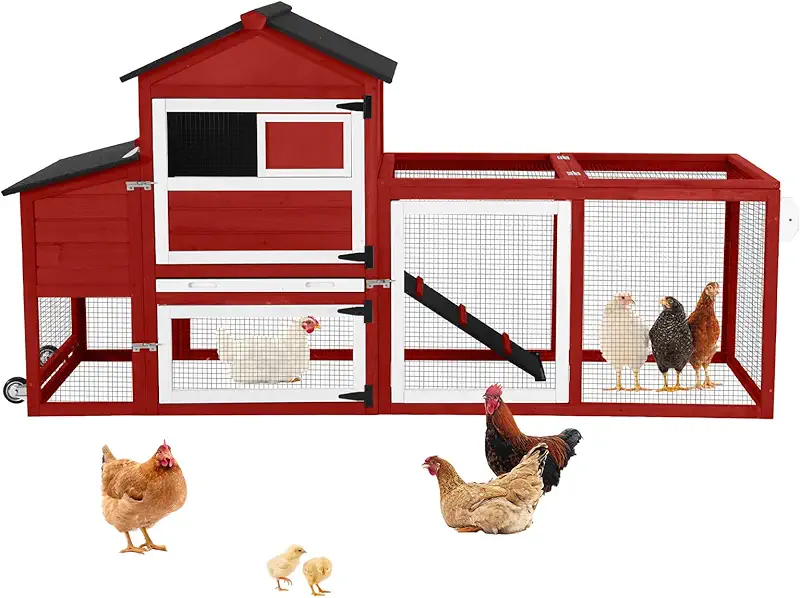
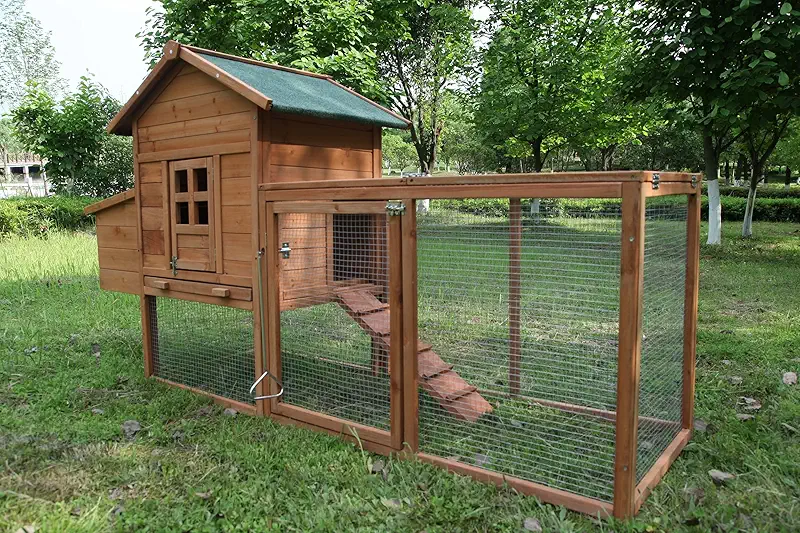
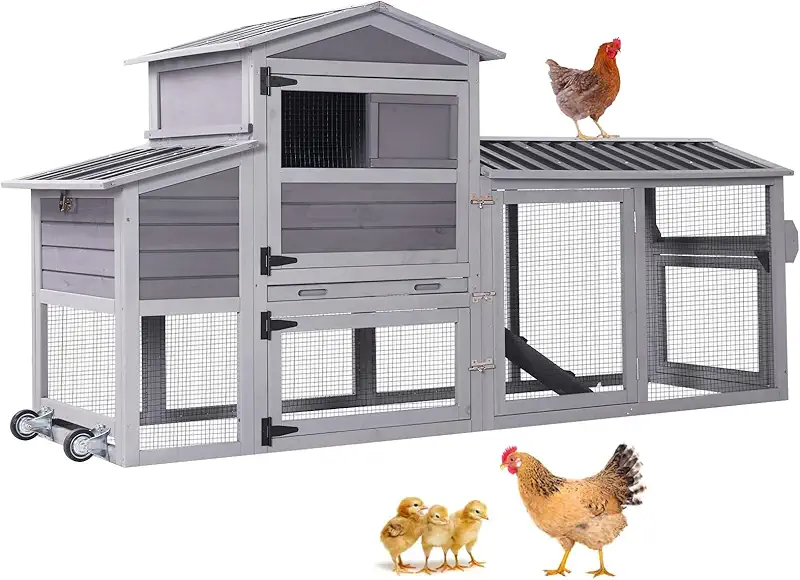
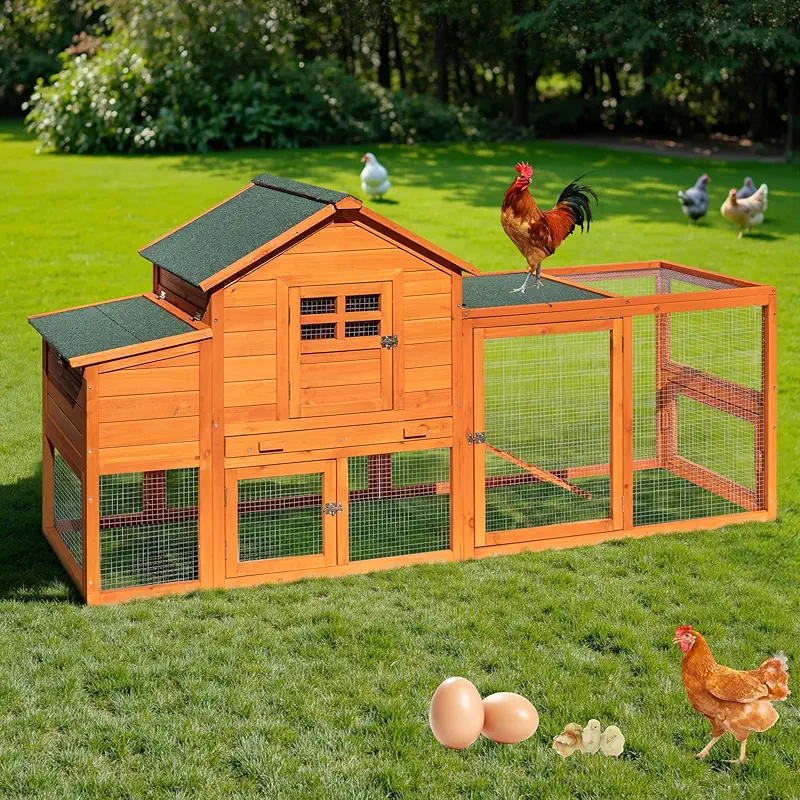
Long run with side wooden gate
More room for scratching and dust baths
Runs with a side wooden chicken coop gate let you step in to refill water and move perches without stooping too much. When I look at photos, I pay attention to how high the latch sits, if the gate clears the ground, and whether the wire around it is tight with no gaps.
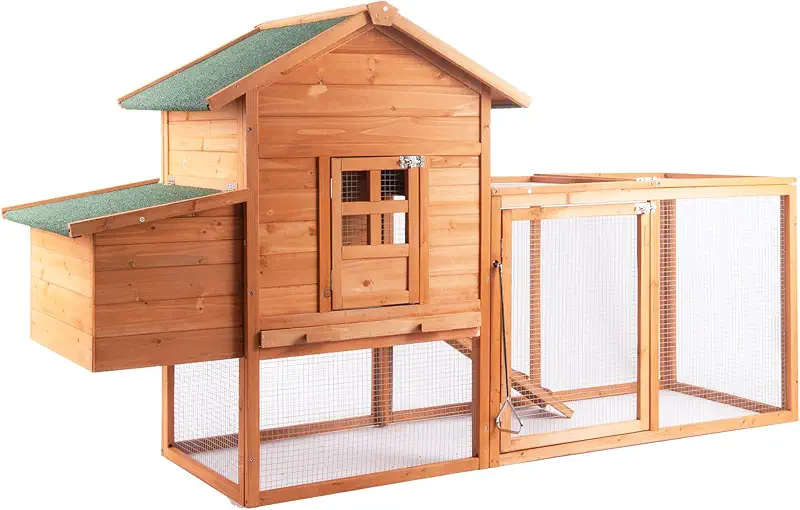
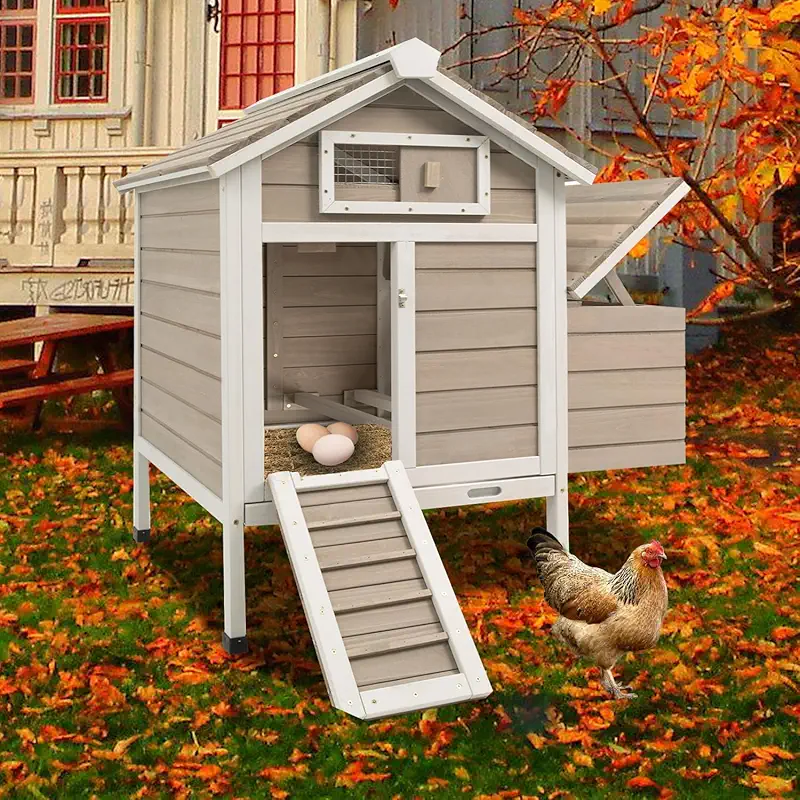
Raised coop with ramp and gate
Shelter under the coop for shade and rain
On wet ground I like raised coops. The wooden chicken coop gate lets you enter the run area under the coop, and a small ramp leads to the inner pop‑door. This design keeps bedding drier and makes cleaning easier. Just be sure the ramp angle is gentle enough for heavier hens.
When you look at photos and descriptions, imagine yourself on a cold, wet evening with a headlamp on. Can you reach the latch easily with gloves? Can you look inside without crouching in the mud? Do you see any place where a paw could pull or a nose could push? That little bit of imagination will guide you more than any list of features.
If you want to quietly explore wooden coops and gates and see what shape feels right for your yard, you can use my affiliate link. It does not change your cost, but it helps me keep feed in my hens’ bowls and keep writing guides like this.
Where you put your coop and its gate will shape your days more than you think. I have moved my setup three times over the years, and every move taught me something.
Think of your own feet first
It is kind to your hens to think about your own comfort too. If the wooden chicken coop gate is too far, down a slippery slope or behind other clutter, you will dread bad‑weather visits. Tired people sometimes skip small checks, and small missed checks become big problems.
Keep the gate within easy walking distance from your main door.
Avoid placing the gate where water pools after heavy rain.
Make sure there is room to swing the gate open even with snow or mud on the ground.
Sun, shade and wind
I like my gate on the side that gets gentle morning light. That way, when I open it, the coop warms up slowly and the hens step into soft sun. Facing the gate away from strong, cold winds keeps the inside drier and the birds more comfortable.
Predator paths
Foxes, raccoons and neighborhood dogs tend to follow the same trails. Look for fence lines, hedges and openings in your yard. Try not to place the wooden chicken coop gate right on those paths. A bit of extra distance forces predators to reveal themselves where you can notice tracks, droppings or other signs.
On my land there is an old hedgerow where foxes travel at night. At first my coop gate faced it directly. One spring I found paw prints right by the door, again and again. I finally turned the run and moved the wooden chicken coop gate to the opposite side. The prints stopped appearing. The fox still walks the hedge, but now it does not meet the weak point of my fence head‑on.
Daily life with your wooden chicken coop gate
Once your gate is in place, it quietly shapes your daily rhythm. Morning and evening, open and close, check and count, greet and say goodnight. If it is easy and pleasant to use, you will find yourself spending more gentle minutes with your flock.
Morning routine
In the morning I walk to the coop with a mug of warm tea. I open the wooden chicken coop gate slowly and listen. Happy clucks, soft rustling, the sound of feet on the ramp. I do a quick scan of:
Is the gate frame still straight and solid?
Does the latch move easily but not loosely?
Are there any new scratch marks or chewed edges?
Evening routine
At dusk I go back with a small flashlight in my pocket. I close the gate gently, check that all birds are inside, and look once more at the ground around the gate. Any fresh digging? Any paw prints? This simple habit has helped me catch trouble before it became loss more than once.
Small maintenance, long life
Every season I give my wooden chicken coop gate a little “health check”:
Tighten loose screws in hinges and latch.
Brush off old mud and cobwebs.
Touch up any bare wood with a safe outdoor finish.
Adjust the latch if the wood has shifted a little with humidity.
These tiny tasks take minutes but give years of use. A gate that swings true after storms, snow and heat becomes a quiet point of pride for a keeper.
FAQ about wooden chicken coop gates
1. How tall should a wooden chicken coop gate be?
For the main human gate, I like a height close to a standard door, around 6 feet, so I do not bump my head or feel cramped. For a simple small run, you can go lower if you accept a bit of stooping. For the chickens themselves, a pop‑door around 12–14 inches high is usually enough. The key is that the birds can pass without squeezing and you can enter without pain or awkward twisting.
2. Can I use a wooden chicken coop gate in rainy climates?
Yes, but you need to think about moisture. Choose solid, treated wood or seal plain wood carefully. Keep the bottom edge of the gate slightly off the soil so it does not sit in puddles. Make sure the hinges are galvanized or otherwise protected. In very wet places I also like to hang a small drip edge or roof above the gate to keep water away from the latch and frame.
3. How do I make my gate safe from predators?
Focus on three points: no gaps, no easy latches, and no weak bottom edge. The frame should meet the posts tightly so claws cannot pull it open. The latch should need a clear two‑step movement so raccoons cannot simply flip it. The bottom should meet either a buried wire skirt or a firm board set into the soil to stop digging. Test your wooden chicken coop gate from outside as if you were an animal trying to sneak in.
4. Should I add an automatic opener to my wooden chicken coop gate?
Many keepers like automatic openers on a smaller inner pop‑door, while keeping the main wooden gate manual. I see them as a helper, not a replacement for visits. If you add one, choose a reliable model and still check your birds morning and evening. Machines can fail, but your eyes and ears notice if a hen seems off, or if a latch is starting to loosen.
5. Is a wooden gate better than a metal one?
Both can work if designed well. I choose wood because it feels warmer, is simple to repair, and blends into the yard. Chickens also seem to peck and scratch more calmly around wood. Metal can be stronger in some ways, but it may rust and can feel harsh in cold weather. A sturdy wooden chicken coop gate, well built and maintained, gives all the safety most backyard flocks need.
If reading this makes you picture your own flock behind a safe, calm wooden chicken coop gate, you might want to look at some real examples and see which style fits your space and your hands.