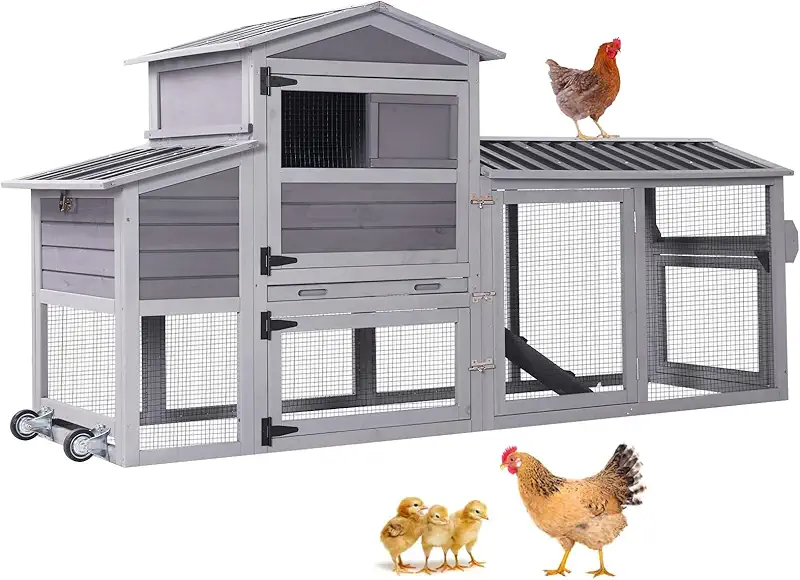
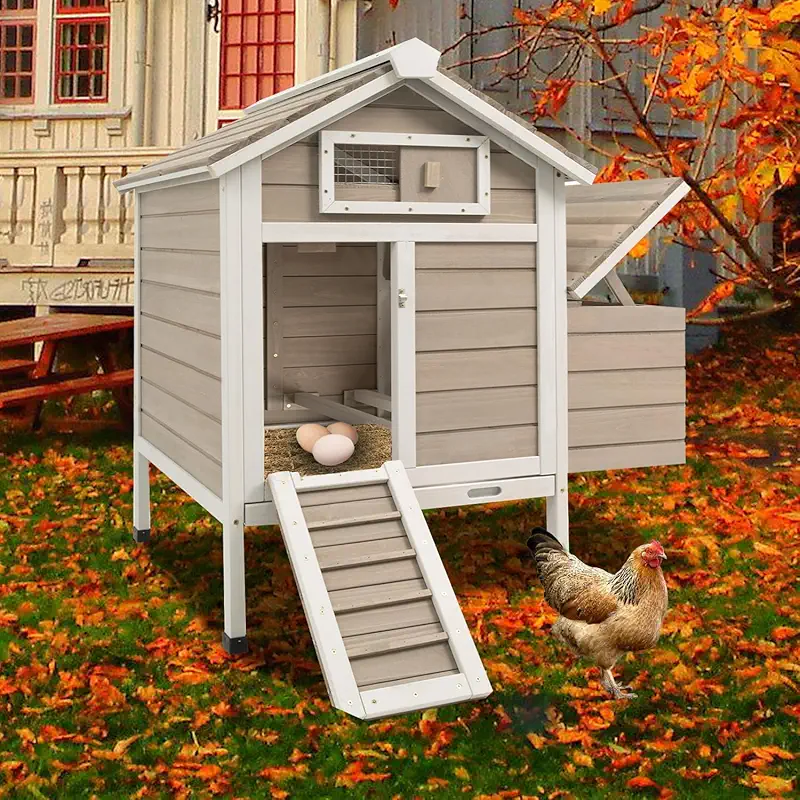
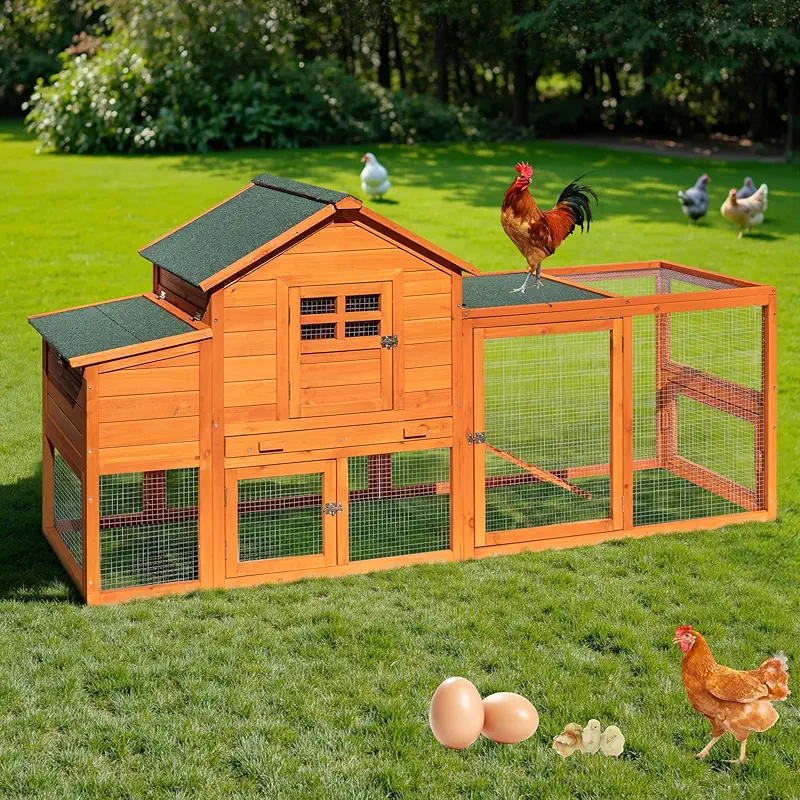
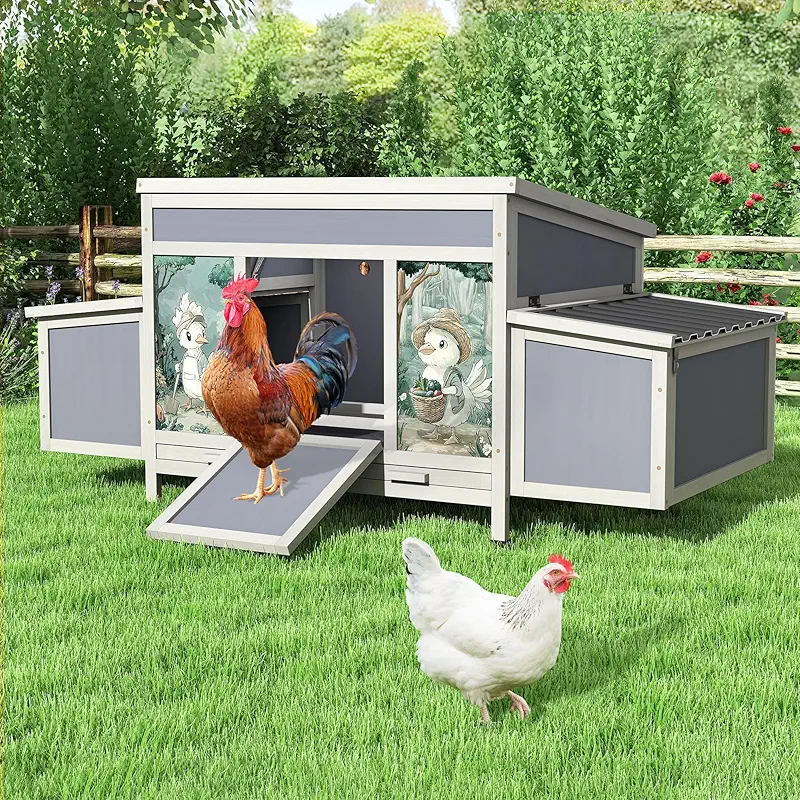
Wooden chicken coop frame
Wooden chicken coop frame
For many years I have watched my hens fall asleep on safe, solid wooden beams and wake up calm and chatty at sunrise.
A good wooden chicken coop frame is like a quiet old barn: it holds your flock, your worries, and your peace of mind all at once.
On this page I will walk you through what I have learned, sometimes the hard way, about choosing and caring for the right wooden frame for your coop.
I will keep the words simple, just as I would if we were standing together by the run, with feed buckets at our feet and hens scratching in the straw.
Gentle guidance from the coop
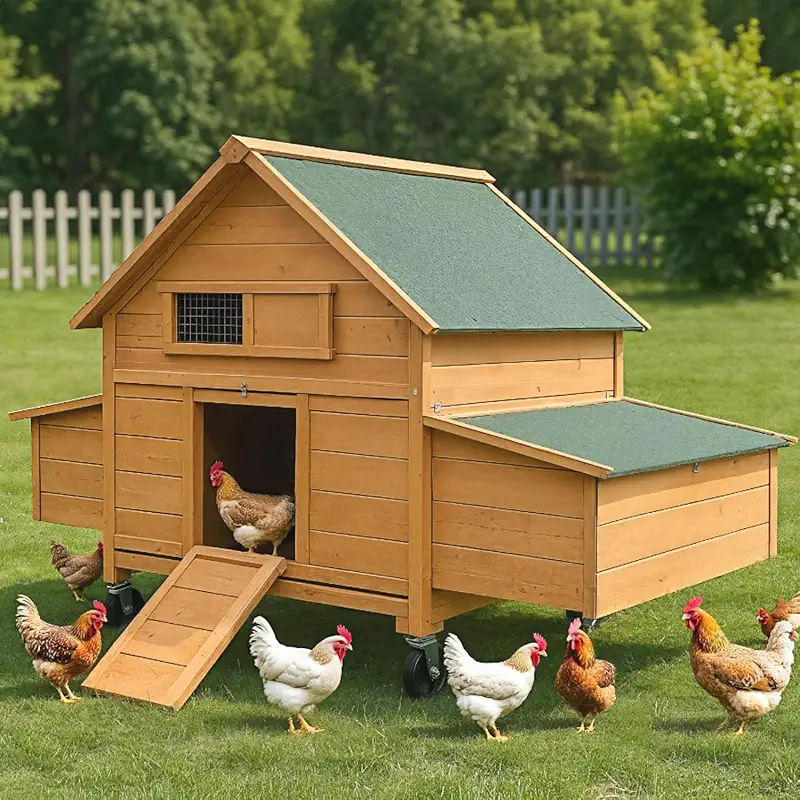
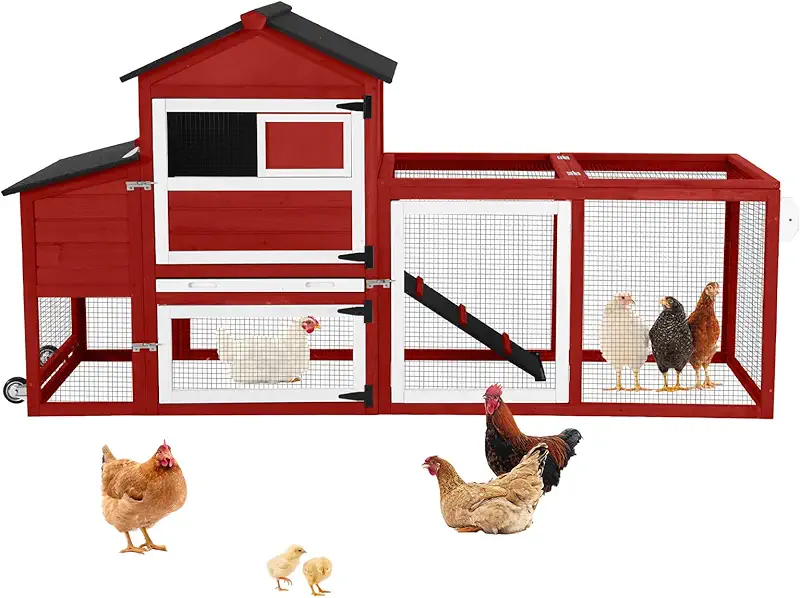
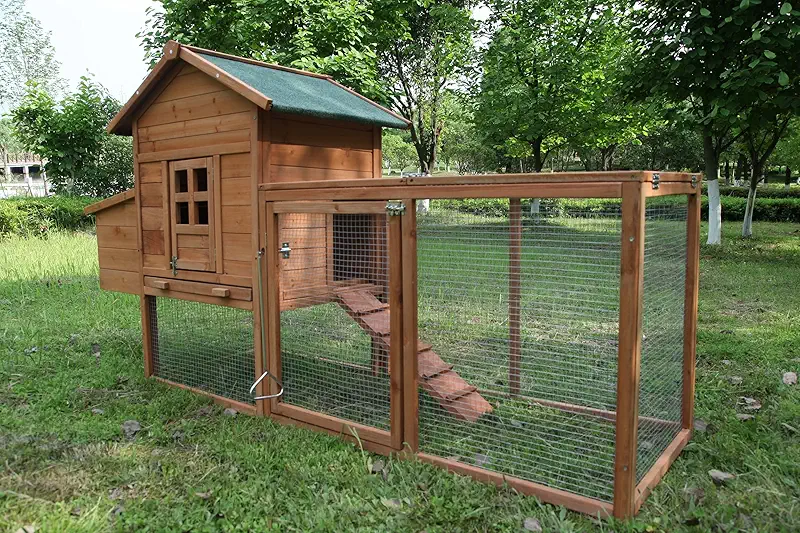
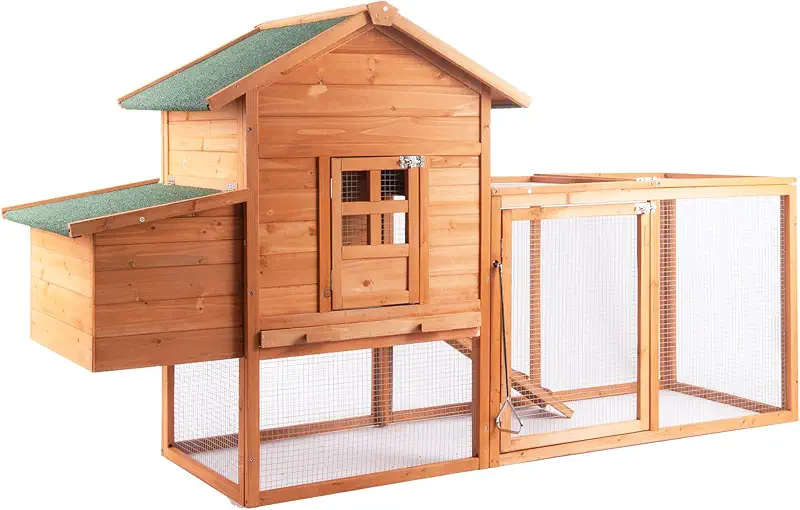
When you feel ready to look at real wooden frames and coops, you can quietly browse some options I like.
No rush, no pressure, just ideas to compare with the thoughts I share here.
Let me have a look
Why the wooden frame matters more than you think
When people start with chickens, they often look first at color, style, or how “cute” the coop seems.
I did that with my very first coop. The roof was pretty, the little windows had sweet crosses, and I felt proud every time I looked at it.
But after the first winter storm, I learned that beauty is not what keeps hens warm and safe. The frame does.
A strong wooden chicken coop frame is the skeleton of the whole house.
If the frame is weak, the doors twist, the roof sags, gaps open, and predators find every little mistake you made.
If the frame is solid, the coop stays square and quiet. Doors close softly.
The wind moves around it instead of through it.
I remember a wild night, years ago, when a storm rolled over our fields.
The old apple tree lost a big branch, the trash bins flew across the yard, and yet the coop stood steady.
I walked outside with a flashlight and saw my hens lined up on their perch, feathers fluffed, half-asleep.
That calm little scene was the work of the wooden frame.
So when you think about a wooden chicken coop frame, do not see only beams and joints.
See quiet nights, dry bedding, safe roosts, and years of peaceful routine.
Understanding wood: what your hens are really sleeping on
When I run my hand along a good wooden beam, I can almost feel the years it will give me.
Some woods stay straight and strong in the rain. Others twist, crack, or invite rot and insects.
Your hens do not care about the wood name, but they care deeply about what it does for them.
Real life with soft and hard woods
In one of my early coops I used soft, cheap wood, thinking I was being clever and saving money.
The first summer it looked fine. By the second year, the horizontal beams had bowed slightly, and the door no longer lined up.
A small gap appeared at the bottom corner, just big enough for cold air and, one evening, a rat.
That visit from the rat changed the way I think about wood.
I rebuilt the weak section with stronger, better-treated wood, and the whole coop felt different.
The frame no longer flexed when I leaned on it. I could hang a feeder from a beam and trust it.
When you look at a wooden chicken coop frame online, try to notice:
- Wood thickness: Thin, narrow strips may be fine for trim, but the main beams should look solid and confident.
- Treatment: Outdoor wood must resist moisture and insects. Still, any treatment should be safe once dry; your hens will peck everything.
- Grain and knots: A few knots are normal, but heavy knot clusters in load-bearing spots can become weak points over time.
Moisture, rot, and the quiet enemy of every frame
Wood and moisture have a long, complicated relationship.
A little dampness in the air is fine; constant wet bedding pushed against a beam is not.
I learned this when I ignored one dark corner under the roosts.
The litter piled up, got wet, and sat against the frame for months.
By the time I pulled it away, the wood felt soft, like an old sponge.
Since then, I always look for a wooden chicken coop frame that keeps the wooden base
a bit off the ground and well separated from the dirtiest areas.
Even a few inches of height and good drainage around the coop can add years to the life of the frame.
If you already have a frame or plan to get one soon, make a simple rule for yourself:
never let damp bedding rest against wood for more than a week.
Your future self, and your hens, will quietly thank you.
Looking at real wooden coop frames with a careful eye
When you finally start browsing options, the pictures can feel overwhelming.
Everything looks tidy and perfect in good lighting.
To keep your feet on the ground, I like to imagine walking around the coop in person and asking it a few quiet questions.
Here are some simple “frame questions” I keep in mind.
While you look at different wooden chicken coop frame designs, you can gently run through the same checklist.
Frame strength and shape
Does the frame look square and well-braced? Are there diagonal supports to keep it from leaning in the wind?
What I quietly ask:
“Would I feel safe leaning my full weight on that corner without hearing a creak?”
Show me some frames
Space for real hen habits
Hens like to hop, turn, stretch wings, dust bathe, and escape from each other now and then.
Some frames are beautiful but cramped for normal chicken life.
My simple test:
“Can I picture my largest hen turning around on the perch without brushing the wall?”
Let me compare sizes
Ease of cleaning and daily care
A beautiful frame is not enough if you need to crawl on your knees to reach the back corners.
Doors, height, and layout all matter here.
What I imagine:
“It is a cold winter morning. Can I quickly scrape the droppings and add clean straw without wrestling with the frame?”
See practical designs
Designing a wooden chicken coop frame for happy hens
When I sketch a new coop in my notebook, I do not draw straight lines first.
I draw hens. One on a perch, one in a nest box, a few scratching in the run.
Then I build the wooden chicken coop frame around those hens in my mind.
Room to roost, nest, and be themselves
Hens need three main things from your wooden frame:
- High, steady perches where they can sleep off the ground.
- Quiet nest boxes where they feel hidden while laying.
- A calm, dry floor space where they can move without bumping into everything.
A good frame supports perches that do not sag or wobble.
It holds nest boxes firmly, so a broody hen can settle without feeling the wall shift.
And it shapes the floor space so traffic flows naturally, with no tight corners where timid hens get trapped.
One winter I had a timid hen named Hazel.
She was always the last to go to bed, waiting until the bossy ladies were settled.
In my old, narrow coop, she often ended up on the cold floor because there was no good path to the perch left for her.
After I rebuilt the frame and changed the perch layout, she could walk up a gentle ramp and find a spot without a fight.
The frame gave her that dignity.
Ventilation, drafts, and the frame’s quiet air paths
Another thing the wooden frame controls is how air moves.
Chickens need fresh air to prevent dampness and ammonia, but they hate cold drafts on their backs when they sleep.
A well-thought-out wooden chicken coop frame creates pathways high above the birds,
where warm, moist air can escape. It also blocks direct wind from blowing across perches and nest boxes.
When you look at a design, try to picture:
- Higher openings near the roof line, protected by mesh.
- Solid walls around the lower half of the coop, especially on the windward side.
- Doors and windows that close firmly at night.
Predator safety and the hidden strength of the frame
Foxes, raccoons, dogs, rats, and even certain birds will all test your coop sooner or later.
They pull at doors, dig at corners, and push on weak spots.
Your hens do not see this at night; they only know if they wake up safe or not.
The wooden frame is what holds the metal mesh tight, keeps locks aligned, and resists pushing and shaking.
I still remember the first morning I saw claw marks on the pop-door of one of my coops.
The door frame had some scratches and a little splintering, but it did not move.
My hens walked out that morning as if nothing had happened.
When you judge a frame for safety, ask yourself:
- Do the door frames look thick enough to hold real hardware, not just tiny latches?
- Are corners reinforced, or do they look like they could twist under pressure?
- Is there a firm way to attach mesh along the lower parts, with plenty of wooden contact, not just flimsy strips?
My quiet routine for caring for a wooden chicken coop frame
A wooden frame is a bit like an old friend.
If you check in regularly, listen for small complaints, and make tiny fixes,
it will stand by you year after year without drama.
Seasonal checks that take just a few minutes
At the change of each season, I walk slowly around the coop with a cup of coffee and look at the frame.
I am not an engineer; I just pay attention.
- In spring, I look for soft spots after the wet months and gently press on suspect areas with my thumb.
- In summer, I watch for warping or cracks from the heat and sun.
- In autumn, I check joints and screws, tightening anything that has worked loose.
- In winter, I keep an eye on snow loads and make sure doors still close cleanly in the cold.
These little walks take less than fifteen minutes, but they have saved me from big repairs many times.
Protecting the base and corners
The lowest parts of the frame have the hardest life.
They face damp soil, spilled water, and the daily scratching of claws.
On one of my older coops, the back corner started to crumble long before the rest of the structure.
Now I pay special attention to those areas.
You can help your wooden chicken coop frame last longer by:
- Making sure the ground slopes gently away so water does not sit under the coop.
- Keeping deep bedding from pressing wet against the wood for weeks.
- Using stones, blocks, or treated bases to keep the wooden frame off bare soil where possible.
Respecting the wood with gentle products
From time to time, I treat the outside of the frame with products that are kind to both wood and chickens.
I avoid strong smells and harsh chemicals, because hens are curious and their lungs are small and sensitive.
If you decide to protect your frame, give it plenty of drying time before your hens go back inside.
I like to do it on a bright day, let the coop air out completely, and add fresh dry bedding afterward.
Walking into a clean, lightly scented coop with the hens murmuring softly is one of my quiet joys.
Choosing your own wooden chicken coop frame
By now you probably have a picture in your mind of what feels right for your flock.
Maybe you can almost see the outline of the frame in your yard, or imagine where the morning sun will touch the wall.
When you feel ready to look at real options, it can help to compare a few different styles side by side:
smaller coops for tiny flocks, longer frames for larger groups, raised designs, and simpler ground-hugging houses.
As you browse, do not rush. Let each design sit with you for a moment and listen to the small voice in your chest that says,
“Yes, I can see my hens there,” or “No, that feels too tight,” or “That would be hard to clean on a rainy morning.”
If you would like a gentle starting point with wooden frames and coops that match much of what we have talked about here,
you can quietly open the link below and explore at your own pace.
I’ll just browse a bit
Wooden chicken coop frame – questions I hear a lot
How long can a wooden chicken coop frame last?
With decent wood, good drainage, and a little attention, a wooden chicken coop frame can easily last many years.
My oldest frame is now over ten years old. It has some scars, but it is still square and safe.
The real secret is keeping moisture and rot away from the base and fixing small problems before they grow.
Is wood really safe against predators?
Yes, if it is used wisely. A solid wooden frame holds strong locks, hinges, and heavy wire mesh very well.
Predators usually fail where wood is thin, rotten, or where mesh is fixed weakly.
I always treat corners, door frames, and lower beams as my “defense line” and keep them as strong and intact as I can.
Will a wooden frame be too cold in winter?
Wood itself is not your enemy in cold weather. In fact, it insulates better than bare metal.
What makes coops cold is usually drafts, damp bedding, and not enough birds to warm the space with their bodies.
A well-built wooden chicken coop frame that blocks direct wind and allows dry, deep bedding can stay surprisingly cozy.
How big should my wooden chicken coop frame be for my flock?
I like to give at least 4 square feet of indoor space per standard hen, and more if possible.
Bantams can live with less, large breeds appreciate more.
The frame should also allow at least 8 inches of perch space per bird, ideally more so lower-ranked hens have choices.
If you are unsure, lean towards a slightly larger frame; no one ever regrets extra room for their birds.
Should I build my own frame or use a ready-made one?
This depends on your hands, time, and patience.
I have built frames from scratch and I have also used ready-made wooden chicken coop frame kits.
Building from scratch lets you shape every detail but demands tools, skill, and many hours.
Kits save time and thought, but you still need to assemble them carefully and check all joints.
If you feel unsure, a good kit can be a kind teacher; you learn by seeing how each piece fits together.