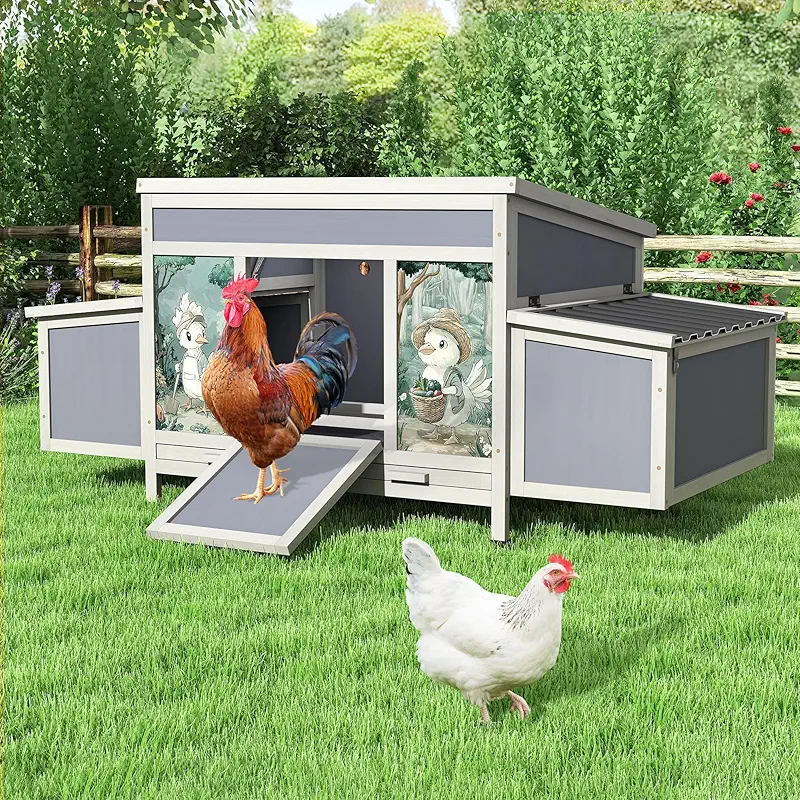
Wooden chicken coop for sale near me used
Wooden chicken coop for sale near me used
I have raised hens for many years, and most of our first coops were second‑hand wooden ones. If you are looking for a wooden chicken coop for sale near me used, I want to help you find one that feels safe, dry, and peaceful for your birds, without wasting money or time.
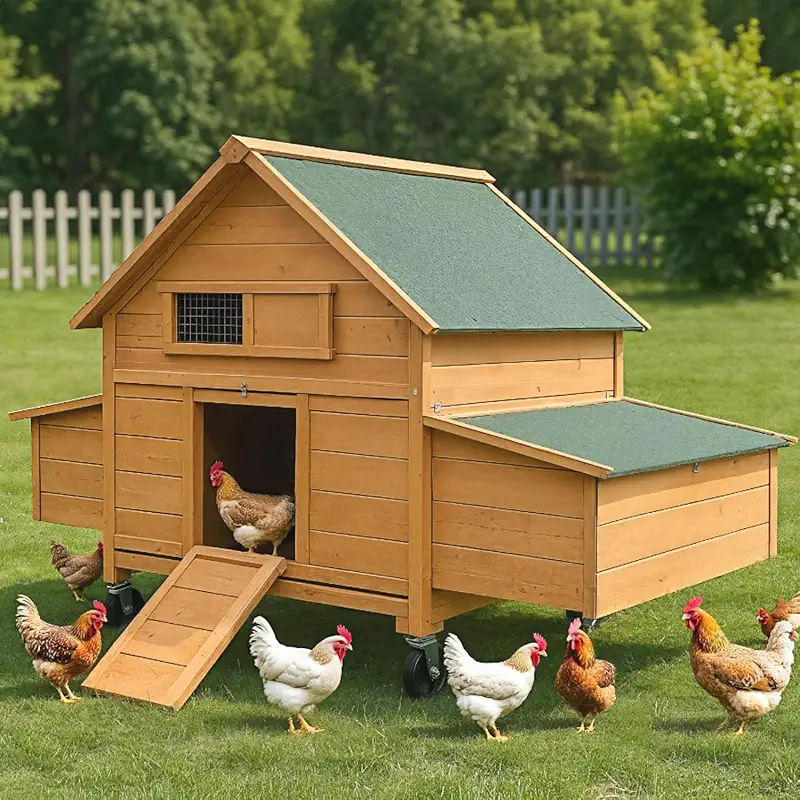
What I look for first in any used wooden coop
When I walk up to a used wooden chicken coop, I do the same little ritual every time. I stand still for a moment, listen, and breathe in the smell. A good coop, even an older one, smells dry, like sun‑warmed wood and straw. A bad coop smells damp, sharp, or moldy.
Over the years, I have brought home coops that were almost perfect, and some that became expensive firewood. You do not need to repeat my mistakes. Here is how I now judge any wooden chicken coop for sale near me used, step by step.
1. Dry wood and a solid floor
Reach down and press the lower boards with your thumb. If the wood is soft, crumbling, or dark like a wet sponge, walk away. Hens can live with scratches and dents, but they cannot live well in rot and damp.
I once saved money on a pretty little used coop with rotten floorboards. After the first week of rain, I found my hens standing in cold, wet litter. I had to rebuild the whole bottom. Since then, I always check:
- Floor boards firm under pressure, no give when you step.
- No green or black fuzzy spots along the edges.
- Underside of the coop (if lifted) looks dry and light, not dark and crumbly.
2. Roof that keeps out real storms
A tired roof is one of the most common problems in a used wooden coop. Tiny cracks and loose shingles do not look scary on a sunny day, but they mean dripping water on a January night.
Look closely around nails and screws. Small rusty circles, lifted edges, or warped panels tell you that water has already been working its way inside. A sturdy used coop can have a weathered roof, but it should still feel tight and well‑fitted.
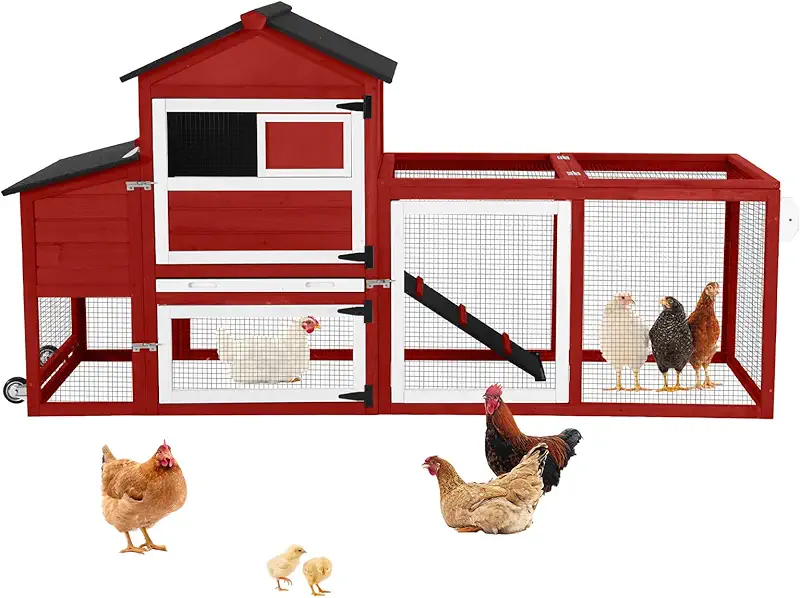
3. Ventilation that feels like fresh morning air
Good air is more important than perfect paint. At night, hens breathe out moisture and ammonia from their droppings. In a closed wooden box, that becomes a fog that hurts their lungs and lets frostbite bite their combs.
I like coops with vents up high, above the roosts, and strong wire over the openings. When you stand inside, you should feel a gentle movement of air, but not a draft blowing right at where the birds will sleep.
4. Doors that close calmly and securely
I once had a used coop with a sticky little door. It would jam every other evening, when I was tired and the light was fading. More than once I went to bed worried, wondering if a raccoon would find the weak spot.
On any wooden chicken coop for sale near me used, I test the doors several times. They should:
- Close fully without forcing.
- Have solid latches that cannot be flipped open with a clever paw.
- Show no gaps bigger than a finger once shut.
How to choose the right size for your flock
Many shiny listings promise a “large coop” and show pictures with tiny bantams. Then a family brings home the same coop and puts six big hens inside, and nobody looks happy. Space is kindness.
As a gentle rule, I use around 4 square feet of coop space per standard hen inside, and at least 8 to 10 square feet each in the run. More space is always welcome. Less space can work only for short times, like winter storms.
Before I even look at a used wooden coop, I ask myself:
- How many hens do I truly want to keep long‑term?
- Do I plan to add more birds later?
- Will they be confined to the run, or free‑range during the day?
Once you are clear on flock size, it becomes much easier to judge if a coop is “enough” or if it will cause stress and pecking.
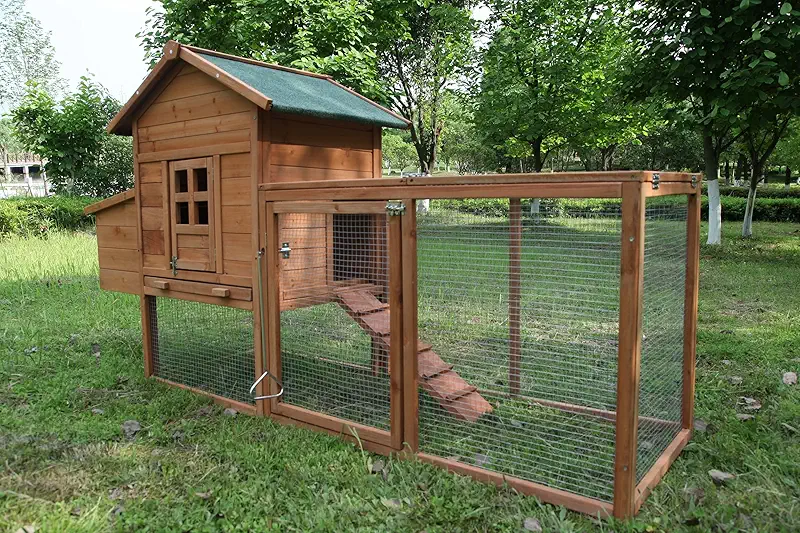
Practical examples from my own hens
- 3–4 hens: A small used coop with 12–16 square feet inside and a decent outside run can work beautifully, if cleaned often.
- 5–8 hens: Look for a mid‑sized used wooden coop, at least 20–32 square feet inside, with a good tall run so the birds can jump and flap.
- 10+ hens: At this point, many small pre‑made coops are simply too tight. Either join two used coops or look for a larger walk‑in style.
New vs used feel: why some “used style” wooden coops can be a good idea
When you search for a wooden chicken coop for sale near me used, you will often find new coops built to look rustic, like an old barn. They are technically new, but offer the same warm wooden feeling you might expect from a second‑hand coop, sometimes with fewer hidden problems.
Why I sometimes pick a “used‑style” new coop
- Fresh, dry lumber with no unknown history.
- Modern hardware cloth and predator‑proof latches already installed.
- Often easier to clean because designs have improved.
- Less surprise rot or termite damage compared to random local finds.
What I still watch for carefully
- Some models are smaller than they look in photos.
- Thin panels that might not hold heat well in winter.
- Roosts placed too low or too close to nesting boxes.
- Roof angles that gather snow or water instead of shedding it.
When I browse collections of wooden coops online, I search for those that feel like honest little barns: simple lines, strong frames, decent roof pitches, and not too many fragile little decorations that will break in the first storm.
I like this style for a starter flock. It fits nicely in a town garden, and cleaning is quick, so smells never build up.
With this shape, children can help collect eggs without crawling. My niece loves to open these taller doors in the morning.
I am fond of these because they remind me of my grandfather’s barn: wide doors, high roof, and room for extra roosts when the flock slowly grows.
Checking a used wooden coop in person
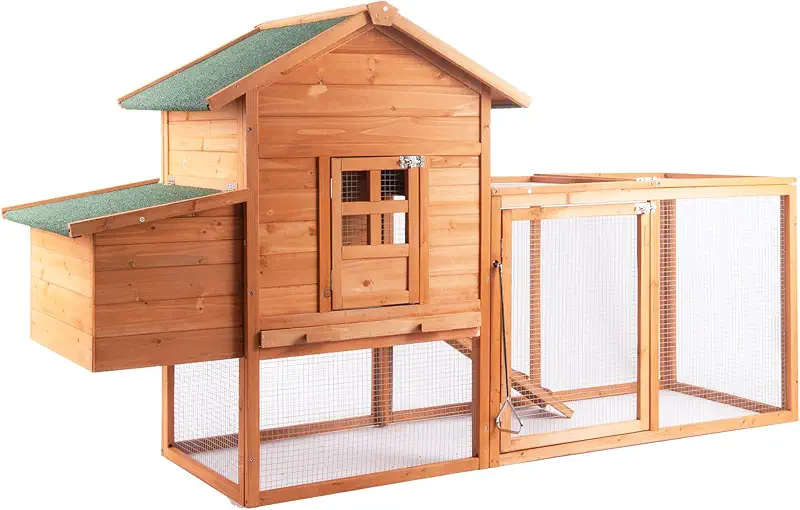
If you are lucky enough to see a wooden chicken coop for sale near you in person, take your time. Let the seller talk, but keep your own little checklist in mind. I move slowly, like a fox, but my heart is on the hens’ side.
My simple inspection list
- Walk around the whole coop. Look at all sides, especially where wood touches the ground.
- Look along joints and corners. Gaps, sagging, or misaligned boards usually mean movement and potential weakness.
- Press on the walls. A gentle push should not make them wobble like cardboard.
- Check any wire. It should be hardware cloth, not thin chicken wire that predators can tear.
- Open every door and window. Feel how they move, and see how they close.
I also pay attention to how the coop “feels” inside. Does it feel like a quiet little room, or a cramped box? That feeling is often more honest than the measurements.
Keeping your used wooden coop healthy and clean
A second‑hand coop can serve you for many years if you give it a little care. I like to think of it as tending a small wooden house that belongs to the flock, not to me.
My regular routine
- Daily: Quick check of water, feed, and droppings under the roost. I scrape the boards with an old putty knife.
- Weekly: Add fresh bedding, check for damp spots, and feel along the walls for any new softness or chewing.
- Seasonal: Before winter and summer, I do a deeper clean, wash surfaces, and re‑seal any bare wood.
When you first bring home a used coop, give it a patient cleaning. Remove old bedding, wash the surfaces with warm soapy water, let everything dry fully in the sun, and then add fresh bedding.
Small upgrades that make a big difference
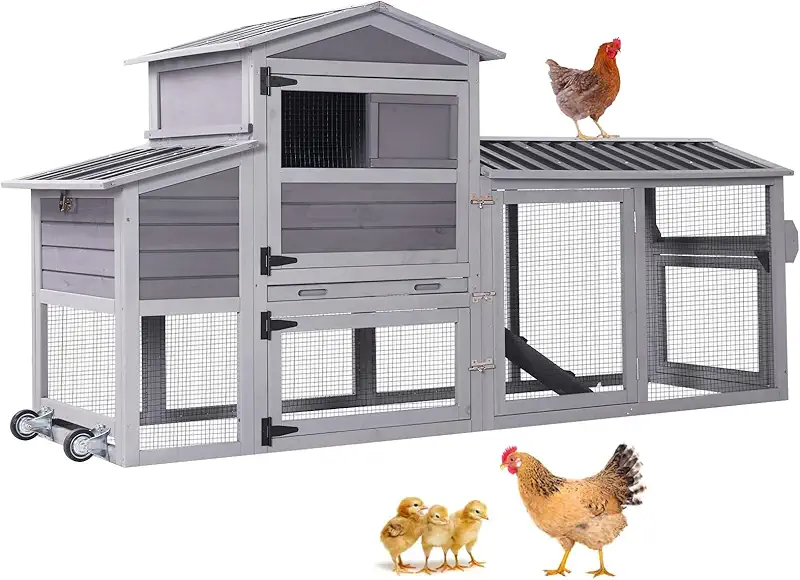
Older wooden coops often need just a few modern touches to become truly safe. I usually do:
- Replace any thin wire with strong hardware cloth.
- Add an extra latch or carabiner to each door.
- Move roosts higher than the nesting boxes, so hens do not sleep in the nests.
- Add a simple removable poop board under the roost for easy morning cleaning.
If you would like ideas, you can look at different wooden coop layouts and details here and see what might inspire your own improvements:
Show me some designsHow to tell if a coop is fairly priced
Prices for a wooden chicken coop for sale near me used can vary a lot. I have seen rough little boxes listed for more than brand new, well‑designed coops. To keep myself calm, I think about value in three pieces.
1. Remaining life of the wood
If the frame is strong, the floor solid, and the roof decent, I feel comfortable paying more, because the coop still has years of life. If rot has started on the base, I expect to pay much less or walk away.
2. Time I will spend fixing it
My time on the farm is precious. If a cheap coop will require days of repairs, new wire, new latches, and paint, I add that time to its “cost” in my head. Sometimes a better‑built coop from a curated collection ends up “cheaper” than a free wreck.
3. Safety and comfort for the hens
I also ask a simple question: “Will my hens be safer and calmer in this coop than they are now?” If yes, and the price fits my budget, I usually feel at peace with the decision.
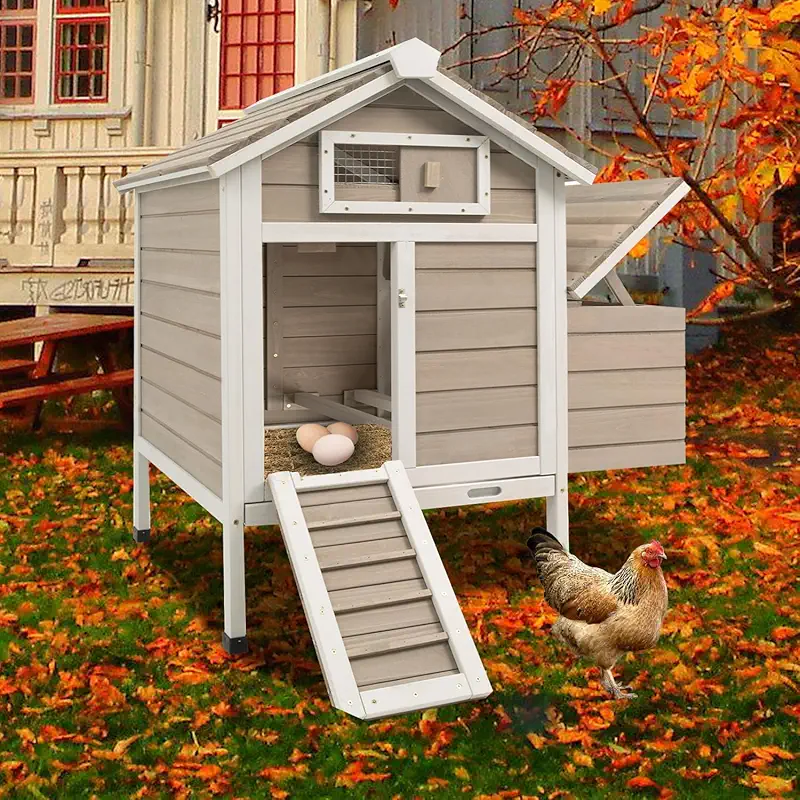
You can quietly compare several wooden coop options, sizes, and price levels here, and then decide what feels right for you and your flock:
I want to compare nowCommon mistakes I see with used wooden coops
Over the years, neighbors have asked me to “have a look” at their coops when hens seemed unhappy. Most problems came from the same few mistakes, and they can be avoided.
Too little ventilation
People are often afraid of drafts, so they close every hole. The air becomes heavy, and the hens’ combs suffer. Add vents up high and protect them with strong mesh. Let the warm, wet air escape without blowing on the birds.
Neglecting the run
A solid coop with a muddy, cramped run still makes for sad hens. I lay down coarse sand, straw, or wood chips to keep feet dry, and I add branches and simple perches to keep the birds curious and busy.
Not planning for growth
Almost every family I know ends up with more hens than they first planned. A used coop that can take extra roosts or be joined with a second run later is a quiet blessing.
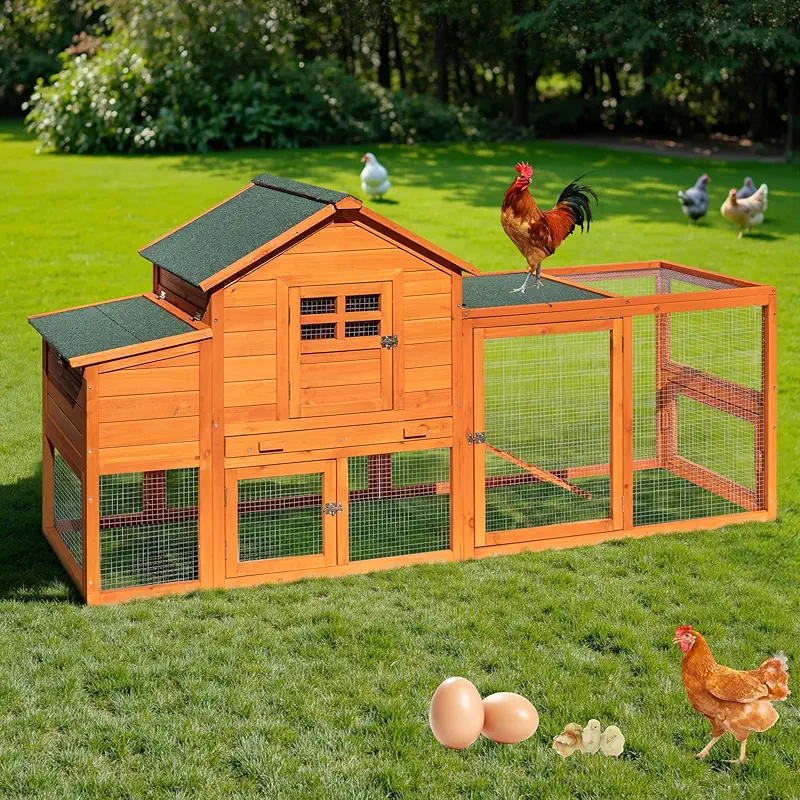
FAQ about finding a wooden chicken coop for sale near me used
How many hens can I keep in a small used wooden coop?
For a truly small coop, I am most comfortable with 3 or 4 hens, as long as there is a decent run attached. Aim for about 4 square feet per hen inside and generous outdoor space. If you are unsure, choose a coop that feels a bit too big rather than a bit too small. Crowded hens argue, quiet hens lay well.
Is a second‑hand wooden coop safe from parasites and disease?
It can be, if you are careful. I always do a deep clean when a used coop arrives: scrape, wash, disinfect with a poultry‑safe product, and let the sun dry every corner. Replace all bedding and nesting material. If the previous flock was sick and the wood is soaked or badly stained, I personally prefer to look for another coop or for a sturdy used‑style new one instead.
Can I use a used wooden coop in a very cold climate?
Yes, with good ventilation and dry bedding. Wood holds warmth better than thin metal, but it must stay dry. In strong winter areas, I like thicker walls, few big windows, and generous vents up high. I never use heaters around dusty bedding, but I do block direct drafts on the roosts and keep water from freezing with simple, safe solutions.
What should I fix first on an old coop?
I always start with safety: strong wire, secure doors, solid floor. Leaking roofs and rotten corners come next. Pretty paint and decorations are last. Hens cannot see the paint, but they feel every draft and damp spot. If you are unsure where to begin, stand inside the coop at night with a flashlight and find every place where wind or water could come in.
Where can I see different wooden coop ideas before deciding?
I like to look at a range of wooden coops in one place so I can compare roof styles, sizes, and layouts. Seeing many examples side by side helps you notice what you truly like, and what will work in your yard. You can quietly browse a collection of wooden coops, including rustic and used‑style designs, here:
Let me browse calmlyA gentle closing thought for your flock
When you look for a wooden chicken coop for sale near me used, it is easy to get lost in sizes, prices, and long lists of features. I have done that too. But when I watch my hens settle onto their roosts at dusk, none of that matters as much as this: they feel safe, dry, and unhurried.
Choose a coop that gives them room to breathe and rest, and that you feel comfortable caring for on your tired days. Your birds will repay you every morning with soft clucks and warm eggs.
If you would like to see a variety of wooden coops, from compact to barn‑style, and quietly decide what fits your yard and your flock, you are welcome to take your time here:
I’ll look at coops now