
Wooden chicken coop for 10 chickens
Wooden chicken coop for 10 chickens is more than a shed in the yard. It is the little wooden village where your hens sleep, whisper, lay, and feel safe. I have raised flocks of ten for many years, and a good coop has always been the quiet hero behind calm hens and full egg baskets.
When friends ask me about housing a flock of ten, I always smile. Ten hens feel like a real little community: not too big, not too small. With the right wooden coop, they have space to stretch their wings, but they still know each other’s voices. I have watched many evenings where all ten try to talk at once while jumping onto their favorite perches.
Over the years I have learned, sometimes the hard way, what works and what only looks nice in pictures. Doors that are too low, roofs that leak at 3 a.m., nest boxes that always end up full of droppings – I have seen them all. In this page I want to walk you through how I think when I choose a wooden chicken coop for 10 chickens. I will share quiet little tricks that kept my hens dry, safe and peaceful.
Let me look closer
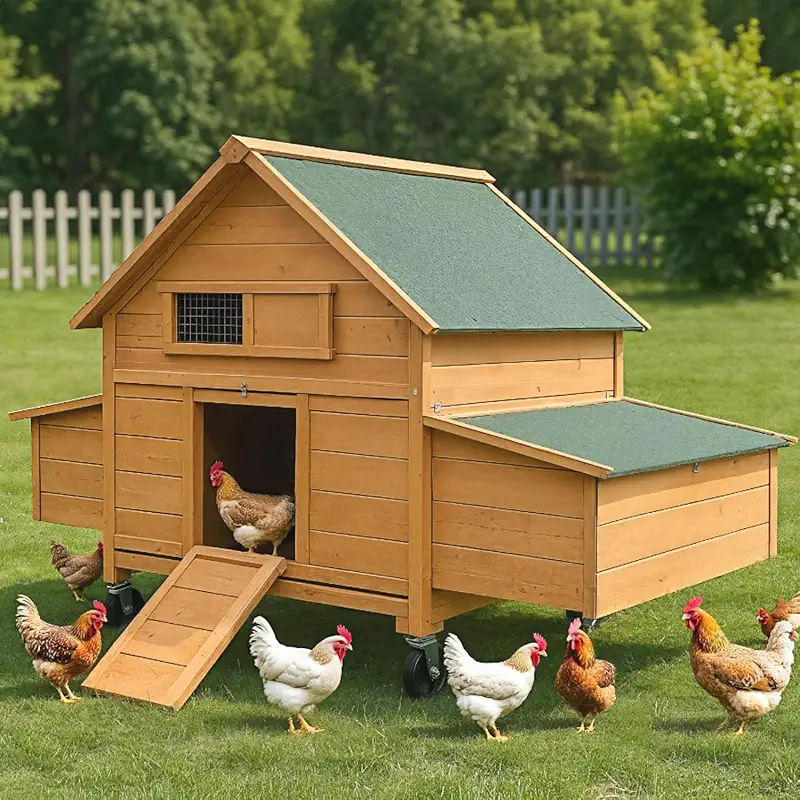
How much space does a flock of ten really need?
Numbers on paper are one thing. Watching a flock move is another. When I plan space for ten hens, I start with what I see at dusk. Some like to stay near the pop door, some rush to the top perch, one shy hen waits until everyone is settled. If perches are crowded, there is pushing, pecking and stress. If nest boxes are too few, three hens will squeeze into one and crack eggs.
For a wooden chicken coop for 10 chickens, I aim for:
- Indoor floor space: about 40–50 square feet (3.7–4.6 m²).
- Outdoor run (if attached): at least 100 square feet (9.3 m²) for calm birds.
- Perch length: 8–10 inches (20–25 cm) per hen, more if possible.
- Nest boxes: 3–4 boxes for ten hens, with one or two “favorite” boxes often used more.
These numbers are gentler than many charts you see online. I choose them because I have watched what happens when hens are given just a little more room. They talk softer. They breathe easier. They are less tempted to peck at each other’s feathers.
Why wooden coops feel good to hens
- Wood keeps a softer, more stable temperature.
- It feels natural under their claws and beaks.
- Easy to repair with basic tools.
- You can add hooks, shelves and doors where you need.
What you must watch out for
- Cheap wood can rot fast if not protected.
- Weak locks can let raccoons and dogs in.
- Too many little cracks can hide red mites.
- Low roofs make cleaning hard on your back.
When you look at ready-made coops, keep these things in mind. Many models you will see through the link below already balance these points quite well, but they always benefit from a few careful upgrades once they reach your yard.
I like to look at several designs before deciding. It helps me picture how my own flock will move inside. If you feel the same, you can explore a variety of wooden coops sized for around ten chickens here.
Many wooden designs, from simple to roomy.
Show me some ideasKey features I always look for in a wooden coop for 10 hens
Every time I help someone choose a coop, we walk through the same list. I imagine my own flock inside that wooden box. I ask: Will they stay dry during a sideways storm? Can I clean it out in ten quiet minutes on a Sunday? Will a fox see this as a puzzle or a locked door?
Thick, solid panels, not flimsy boards. Smooth edges, no sharp nails or splinters where hens hop.
A solid roof with good overhang. Water should slide away from doors and windows, not into them.
Openings high above roost level, covered with strong mesh. Fresh air without cold drafts on their backs.
One door for hens, one big door for you. If I cannot reach a corner with a shovel, droppings will build up there.
Strong latches (not just little hooks), tight wire, no gaps larger than a finger for raccoons to start pulling.
Smooth floor that lets you shovel litter out easily. Some coops have slide-out trays, which can help a lot.
Many of the wooden models I have seen online are close to perfect but need one or two small changes when they arrive. For example, I almost always add one extra lock to the main door and a strip of hardware cloth over any large ventilation opening.
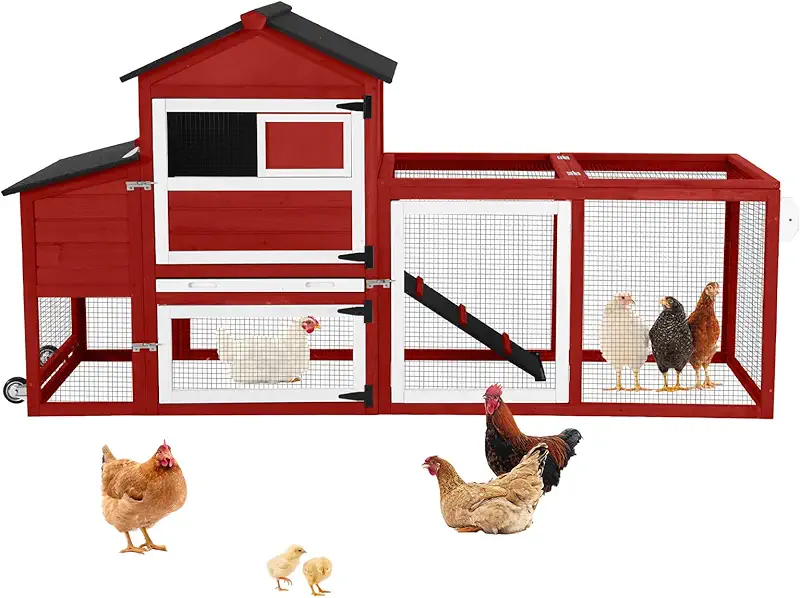
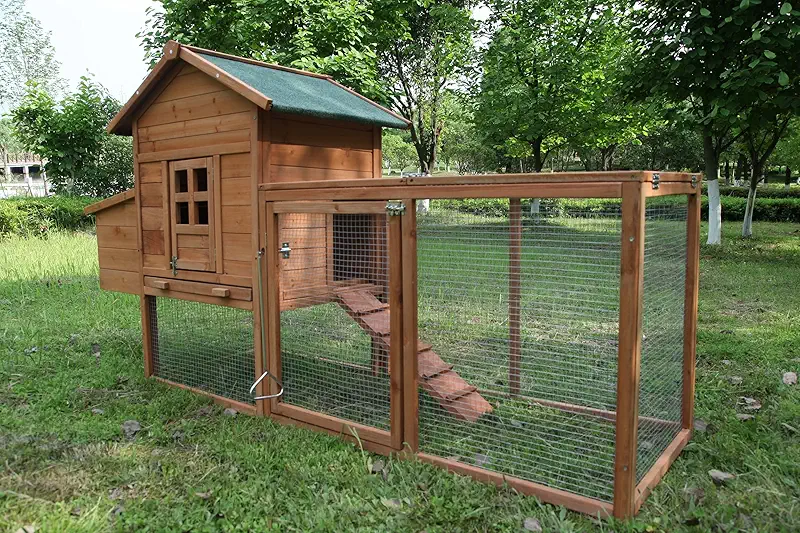
My daily routine inside a wooden coop for 10 chickens
Let me walk you through a regular morning and evening in my own flock. I think this is the best way to feel if a coop design will really work for you.
Morning: fresh air and quick check
I step into the run with a metal bucket in one hand and a mug of warm tea in the other. Ten faces greet me at the coop pop door, some braver than others. I open the main people door wide. This is where good design matters. If the door is narrow or too low, I will hate it every day.
I check three things:
- Are the perches dry and clean enough for another night?
- Any signs of moisture along the walls or ceiling?
- Is the smell gentle or strong? Strong smell means more ventilation or cleaning is needed.
In a well-built wooden chicken coop for 10 chickens, this takes just a minute. I toss in a handful of fresh bedding under the roost, pick up yesterday’s poop board scrapings if I use them, and make sure their water is fresh.
Evening: calm, light and safety
In the evening I return before dark. The hens walk up the ramp one by one. Inside, I like to have a small, soft light if possible, even just for a few minutes. It helps me check their legs, feathers and general mood.
Before I close the coop, I always:
- Count the hens. Ten should feel like a familiar number in your head.
- Run my hand near the perch to check for moisture or drafts.
- Close and lock every door with a firm click.
A good wooden coop makes this ritual simple and pleasant. Doors close without fighting them. Latches are easy for my cold fingers, but not for raccoon paws.
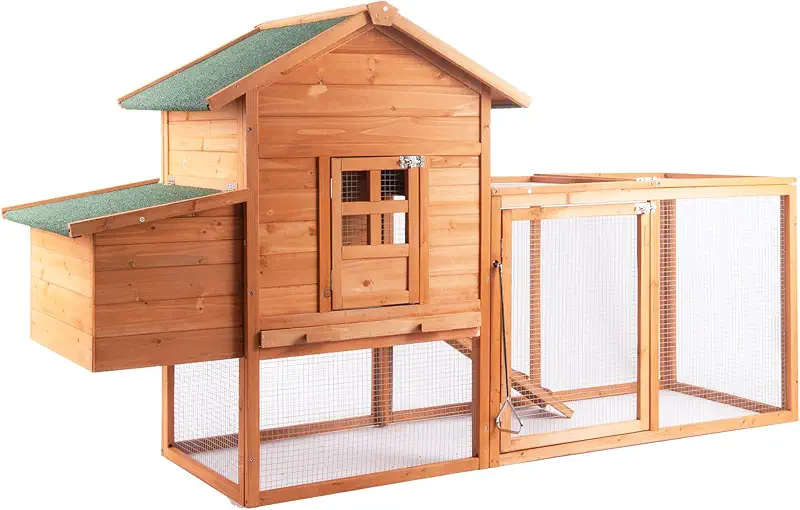
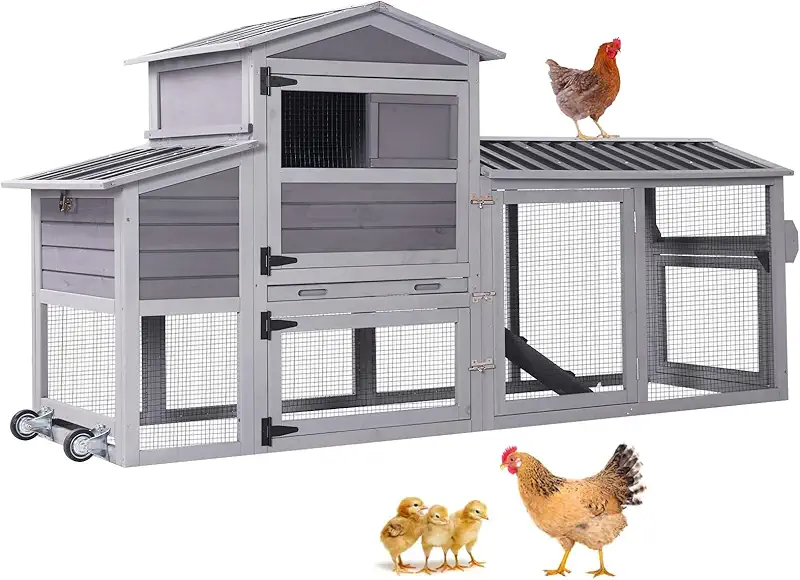
Simple upgrades that turn a basic coop into a long‑lasting home
Many people worry that a ready-made wooden coop will not last. It is true that some cheap models can feel light. But with a few careful upgrades, even a simple coop can become a strong, long-lived home for your ten hens. I have done this several times, especially for friends on a tight budget.
1. Protect the wood
When a new coop arrives, I lay the parts out on a dry day. Before assembling, I brush a safe wood preservative or exterior paint on all surfaces, especially edges and feet. This adds years of life. Hens do not mind the smell once it is dry, and the coop looks warmer and richer in color.
2. Strengthen the floor and legs
If the coop has thin legs, I sometimes place them on solid concrete blocks or bricks. This keeps the wood from sitting directly on wet ground. Inside, if the floor feels light, I add a sheet of strong plywood or a rubber mat. It makes shoveling litter out much easier.
3. Upgrade the wire
Many coops with attached runs use thin wire that is fine for keeping hens in, but not always for keeping predators out. I like to add a layer of hardware cloth over the lower part of the run and bury it a few inches into the soil to stop digging.
4. Adjust perches and nest boxes
Hens are very clear about what they like. Perches that are too round or too narrow are ignored. I aim for sturdy, flat-topped perches about 2–3 inches wide. I place them higher than the nest boxes, otherwise the hens will sleep where the eggs should be laid.
With these small changes, a simple wooden chicken coop for 10 chickens can stay strong and welcoming for many seasons.
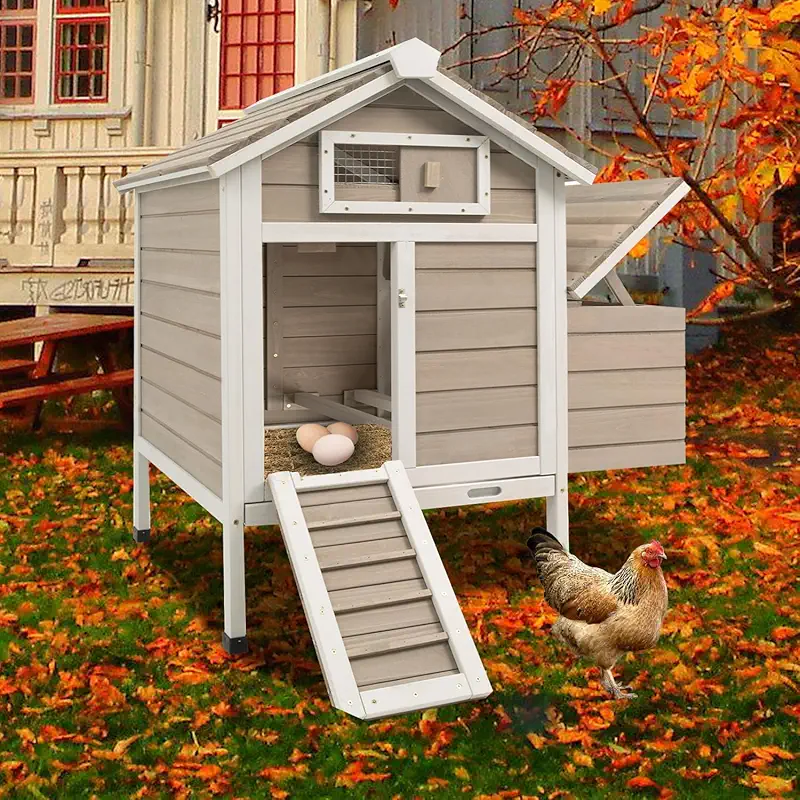
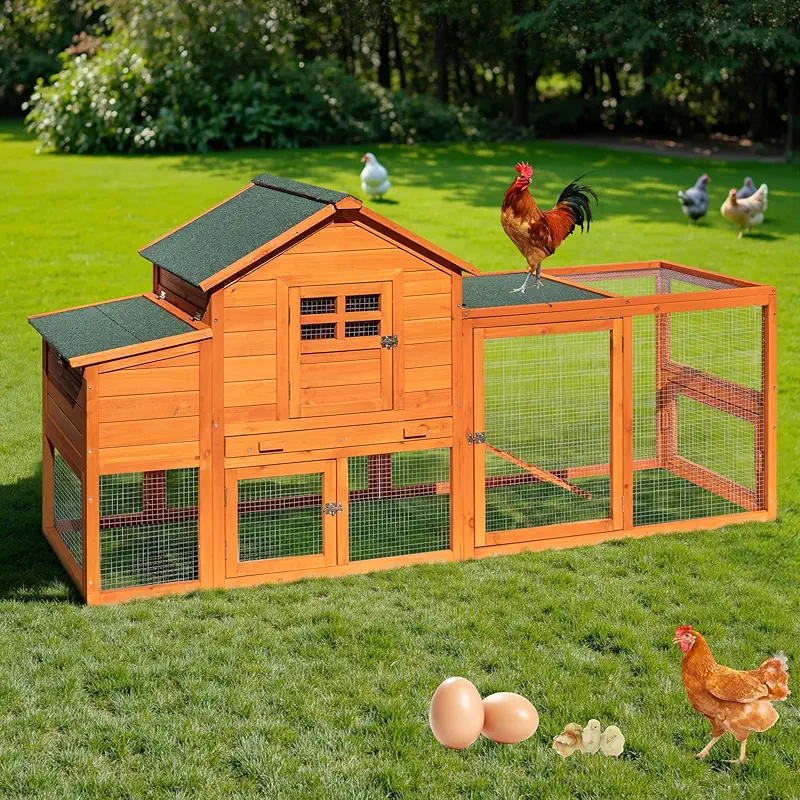
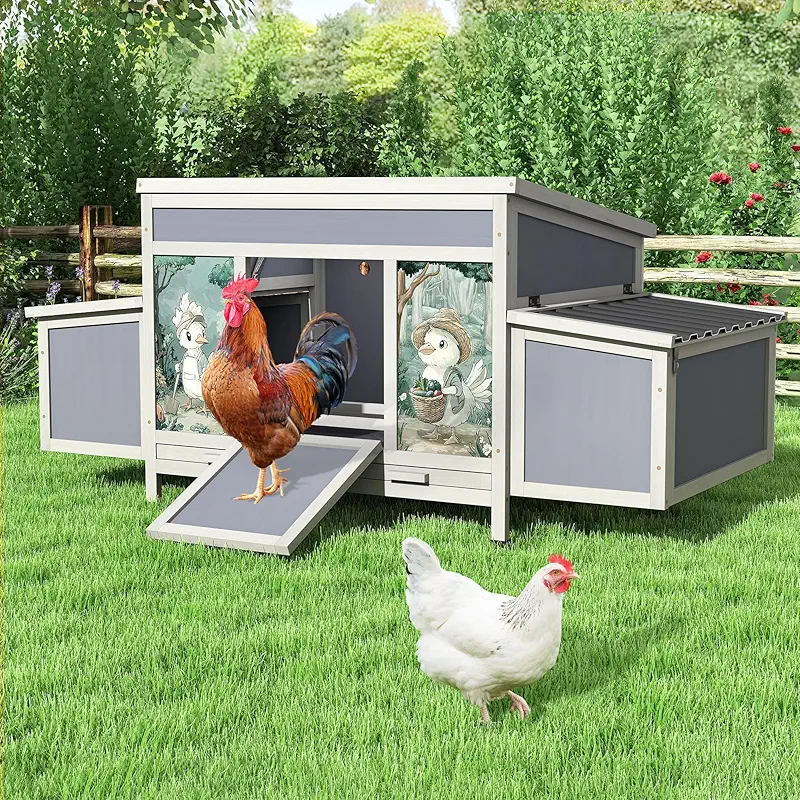
Every yard is different. Some need a taller coop you can walk into. Others need a compact design that tucks along a fence. When I browse wooden coops online, I picture my own path with the feed bucket and where the sun falls in winter.
Take a calm look at different wooden coops that can house around ten hens and imagine them in your own space.
I want to exploreFAQ about a wooden chicken coop for 10 chickens
Is a “10 chicken” wooden coop really big enough for ten hens?
It depends on how the maker counts. Some brands use very tight numbers. I always look at the real floor size, not just the label. For ten hens, I prefer a coop that many sellers would call 12–15 bird size. If your hens have a large run or free-range time every day, a smaller indoor area can work, but more room is almost always better. When you check coops through the link on this page, compare the measurements with the space guidelines we talked about earlier.
Can a wooden coop for 10 chickens handle winter?
Yes, if you give it a little help. Wood keeps warmth better than metal, and hens create heat themselves. What they hate most is damp air and drafts. In winter I close the lower vents and keep the upper ones open for fresh air. I add a bit more bedding, make sure there are no leaks, and sometimes hang an old blanket on the outside of the most exposed wall. It is simple, and the flock stays comfortable.
How often do I need to clean a coop for ten hens?
With ten hens, I like to do a quick tidy every few days and a deeper clean every month or so. Droppings under the perch build up fastest. If the coop has a pull-out tray, cleaning is very fast. Once or twice a year I remove almost all bedding, brush the walls, check the corners for mites, and let everything dry in the air before putting fresh litter back.
Is wood safe from predators like foxes and raccoons?
Wood itself is fine. The weak points are usually doors, locks and thin wire. When my coops arrive, I always test every door and latch as if I were a raccoon: I pull, twist and push. If something feels loose, I add a stronger lock or extra screws. I also prefer hardware cloth over chicken wire for the lower parts of the run. These small steps do much more for safety than thick walls alone.
Should I build my own coop or use a ready-made wooden coop?
Both can work well. Building your own gives full control, but it takes time, tools and a calm head for measuring. Ready-made wooden coops are easier for most families. You get a design that fits together, and with a few simple upgrades it can become very solid. If you are just starting with chickens, a good ready-made coop for around ten hens is often the gentlest way to begin. You can see many examples through this link: I’ll quietly compare coops.