
Wooden chicken coop fence
Wooden chicken coop fence: calm hens, quiet nights, and fewer worries.
I have raised hens for many years, and one thing has never changed: when the fence feels solid, the whole flock settles. A good wooden chicken coop fence is more than boards and wire. It is the line between your birds and the outside world, where foxes, dogs, and stress live. Here I want to share what has worked in my own yard, with mud on my boots and feathers stuck to my sleeves.
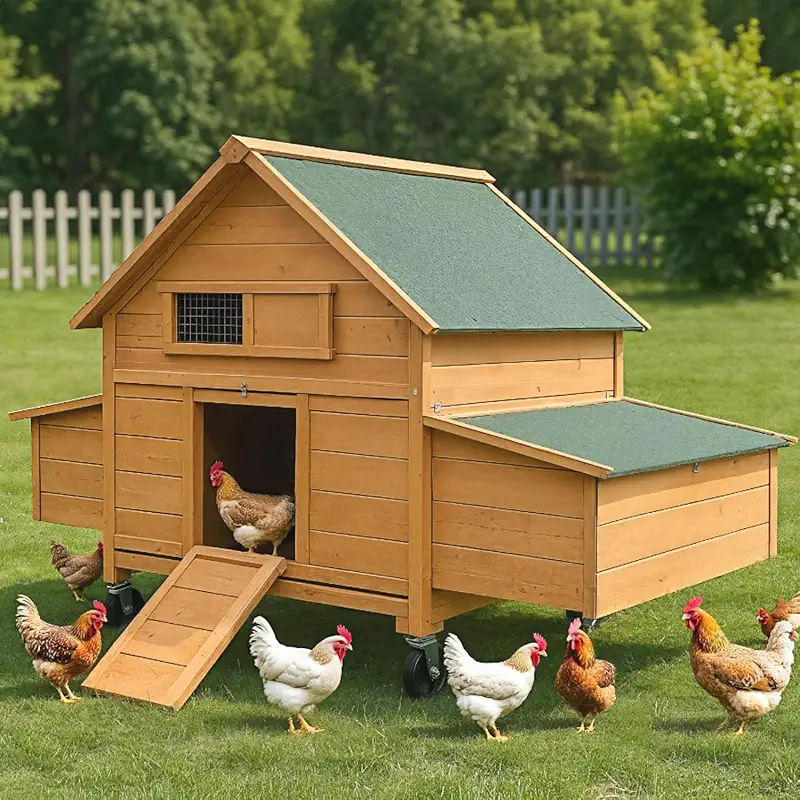
Why a wooden chicken coop fence feels so different
Over the years I tried many things: loose plastic netting, old pallets, flimsy wire stuck into the soil. The day I finished my first proper wooden chicken coop fence, the run became a new place. The hens walked along the boards, tapped them with their beaks, and then started dust bathing right next to the fence, as if they finally trusted the border.
Wood has a calm presence. It blocks strong wind better than bare wire. It hides sudden movement from dogs and cars outside. At night it muffles noise. All this helps the flock rest. A relaxed hen eats well, lays well, and lives longer. That is why I like a strong wooden frame, with wire where needed, around the coop and run.
When I switched from a mixed, patched-up fence to a continuous wooden frame, egg production went up within a week. Maybe it was just timing, but the girls certainly started singing more at sunrise.
What a good wooden chicken coop fence should do
When I plan a fence, I do not think first about looks. I think about the worst night I have had with my hens: scratching at the door at 2 a.m., feathers on the ground, and a fox staring back at me from the hedge. A fence has one big job: delay and discourage trouble. If it does that well, most predators will move on.
All this is possible with a simple wooden chicken coop fence if the posts are solid, the panels are well fixed, and the wire is chosen with care.
Wooden chicken coop fence ideas that have worked for my hens
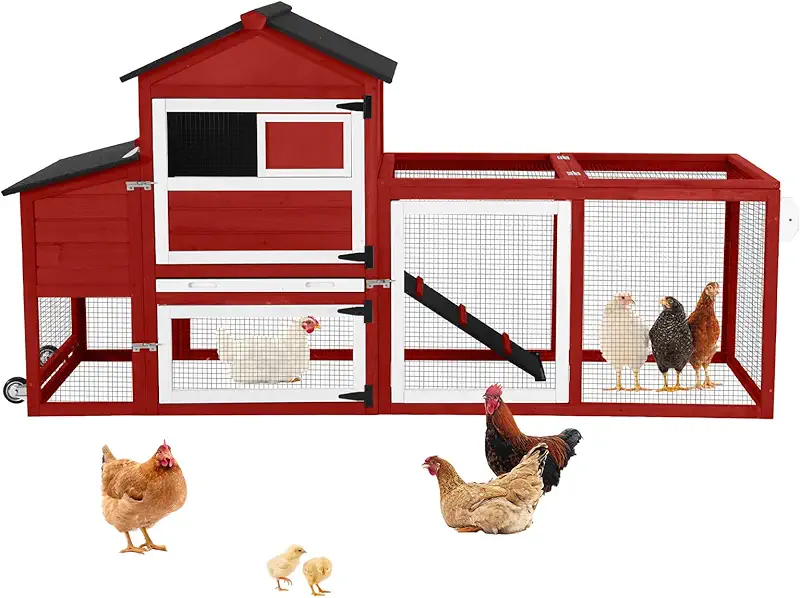
When people ask me how to start, I usually point them toward ready-made wooden runs and fence panels. They save time, and they are easier to adjust later if the flock grows. Many of the solid wooden runs I like share the same features: thick posts, tight mesh, doors at human height, and a decent roof or partial cover.
These sturdy wooden fence runs usually cost less than fixing a mess after a fox visit. That is how I look at the price.
I prefer models with:
- Firm wooden frames that do not wobble when you lean on them
- Galvanized mesh small enough to stop young predators and rodents
- Doors wide enough for a wheelbarrow and a feed sack
- Sections you can extend later if you add more hens
If you are like me, you probably stand there, coffee in hand, just watching your hens scratch around. A good run and fence make those quiet moments easier, because you are not scanning the tree line all the time. That peace is what I value most.
Planning your wooden chicken coop fence layout
Before I drive the first post into the ground, I walk around the coop with a stick and trace the future line. I imagine myself pushing a barrow, carrying water in winter, and collecting eggs in the rain. A wooden chicken coop fence is not only for the hens; it is also for the keeper, so daily chores feel simple.
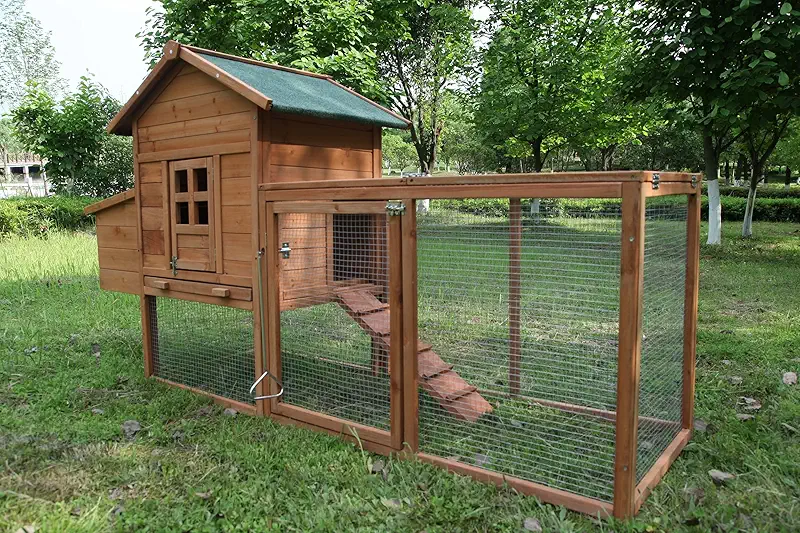
Leave space for you, not just for them
One mistake I made long ago was building the fence too close to the coop. Cleaning under the ramp was a nightmare. I had to twist my shoulders between the wall and the fence post. Now I always leave a narrow path around at least two sides of the coop. That way I can:
- Check boards and wire without stepping in the run
- Reach any corner where a hen might hide a clutch of eggs
- Brush snow away from doors in winter
- Trim grass and nettles before they touch the wood
Height and digging depth that actually work
People often ask me, "How high should a wooden chicken coop fence be?" In my yard, anything under 5 feet is an invitation to adventure. Light breeds like Leghorns will simply fly over if they see a prize on the other side. So I aim for about 5 to 6 feet, with a wooden top rail that feels firm.
What you do below ground matters as much as the height. Foxes can dig faster than most people think. I either bury the wire at least 30 cm (about 12 inches), or I lay it flat in an L shape outwards, just under the soil. Grass grows through it, and diggers hit a surprise floor instead of a tunnel.
Do not rush the layout. I once moved a brand-new gate after only two weeks because the morning sun hit me right in the eyes every time I opened it. Small details like this decide if the fence helps your day or gets in your way.
Choosing the right wood and wire for a calm, safe fence
I love the look of warm, natural boards around the coop, but I also think of beaks, claws, and years of rain. For a wooden chicken coop fence, I pick treated wood that is meant for outdoor posts, and I seal cut ends with extra care. Chickens will peck at anything, and I want the fence to stay solid without sharp splinters.
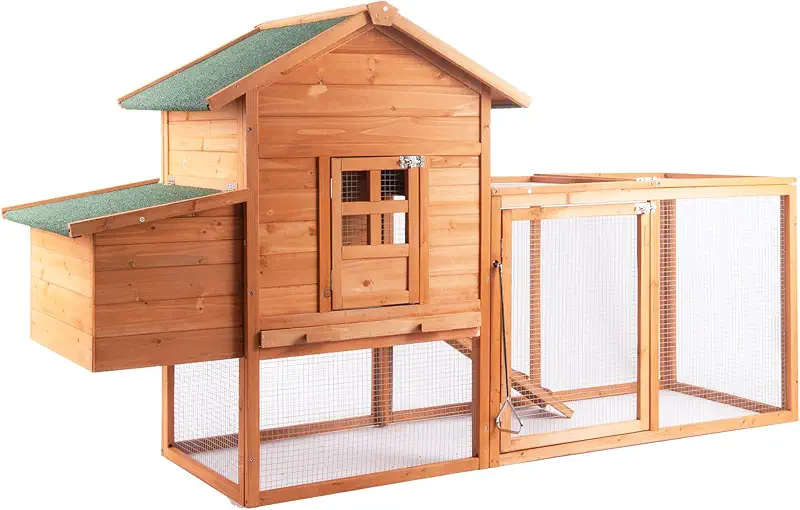
Wood choices that last
In my climate, posts sit in damp soil for months. I choose thick posts, at least 3x3 inches, and I do not skimp on depth. A wobbly post is the start of a wobbly fence. For rails and framing, strong 2x4 boards are my usual friends. They are heavy enough to feel solid but light enough that I can handle them alone on a quiet evening.
I also think about how the fence feels to the hens. Smooth edges where they might roost, no nails sticking out, and no spots where combs can get scraped when birds squeeze through. I sand rough corners if needed. It takes an extra half hour and saves many tiny injuries.
Wire that keeps stress away
The word “fence” makes us think of wood, but the wire is what does most of the real work. I always tell new keepers: do not trust thin chicken wire alone against serious predators. It is good for keeping hens in, but it is not very good at keeping hungry animals out.
For my wooden chicken coop fence I like a mix:
- Strong welded wire or hardware cloth on the lower part, where foxes and dogs test the fence
- Smaller mesh around 1/2 inch to keep young rats and weasels away from the coop area
- Lighter wire or boards higher up, where only hens can reach
I fasten the wire with heavy-duty staples, driven deep into the wood, and I run my hand along the whole length to feel for spots that move. If I can push it in and see a gap, so can a predator.
Wooden chicken coop fence sets that make life easier
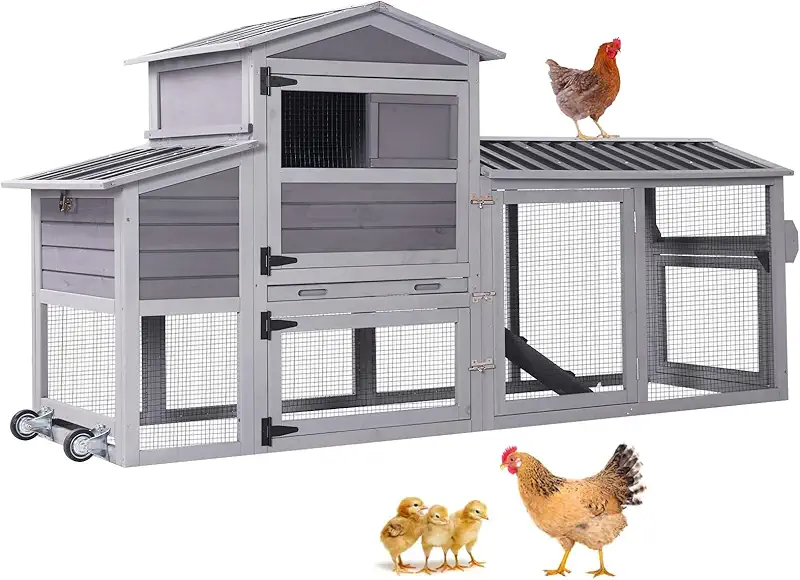
Many keepers I know prefer simple kits that include both the coop and a matched wooden fence run. They arrive as panels, go together with basic tools, and give the flock a safe space right away. Once the hens are settled, you can always expand with extra panels or a second run.
When I look at wooden sets like these, I ask myself a few quiet questions:
- Can I clean the inside without crawling?
- Is the fence tall enough that I do not worry?
- Are the doors and latches simple enough for a sleepy morning?
- Will this still feel strong in five winters?
If the answer feels like a calm yes, I know the set will probably work for another keeper too.
Daily life with a good wooden chicken coop fence
The real test of any fence is not the first week. It is the first winter storm, the first time a dog gets loose, or the first time your neighbor’s child leans against it to look at the birds. Over time, you start to notice small things that make your days smoother.
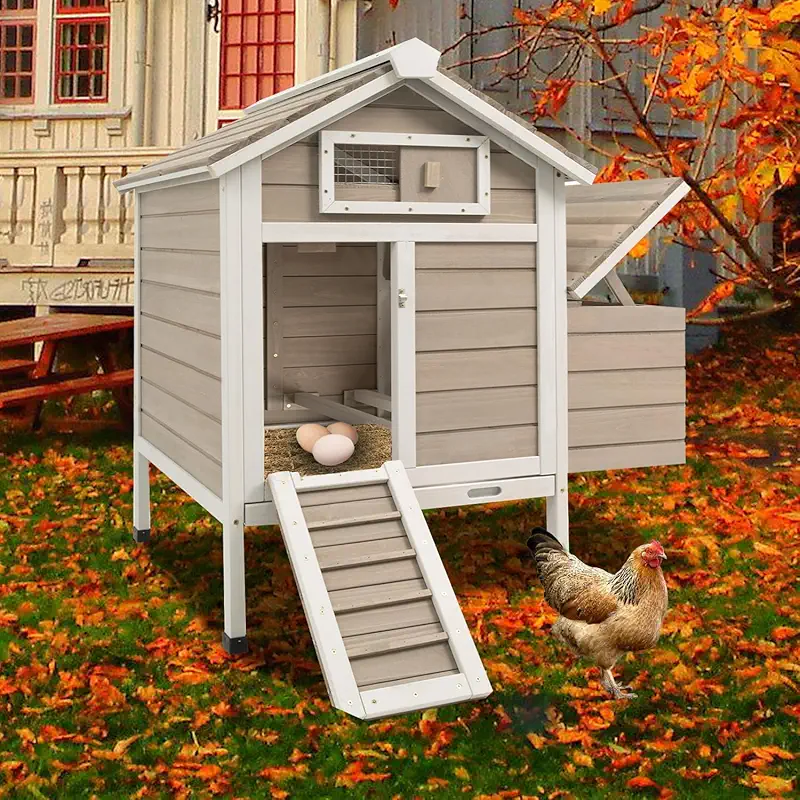
Easy access for cleaning and care
I once built a run with only one small gate. It looked neat, but every time a hen escaped my hands, she ran straight to the far corner and laughed at me from behind the wire. Now I always plan for at least one wide gate and sometimes a second smaller door. It makes:
- Catching a hen for health checks much calmer
- Bringing in fresh bedding quick and simple
- Raking manure and old straw less of a chore
- Letting the flock out to free range feel safe and controlled
Ventilation, shade and shelter
A wooden chicken coop fence can also help with air and shade. Solid boards on the windy side cut drafts, while wire sides let breeze move through. In summer I throw light shade cloth over part of the run and fix it to the top rail. On very hot days the hens crowd under that spot, stretched out on the cool soil.
In winter, I sometimes screw up temporary clear panels on the wind side of the fence. The hens still see the world, but they are protected from icy gusts. Little tricks like these turn the fence into much more than a simple border.
Every evening, after I close the coop door, I walk the fence line with a small flashlight. I check corners, look for pushed wire, and listen. It takes two minutes and has saved my flock more than once.
Adding more wooden chicken coop fence as your flock grows
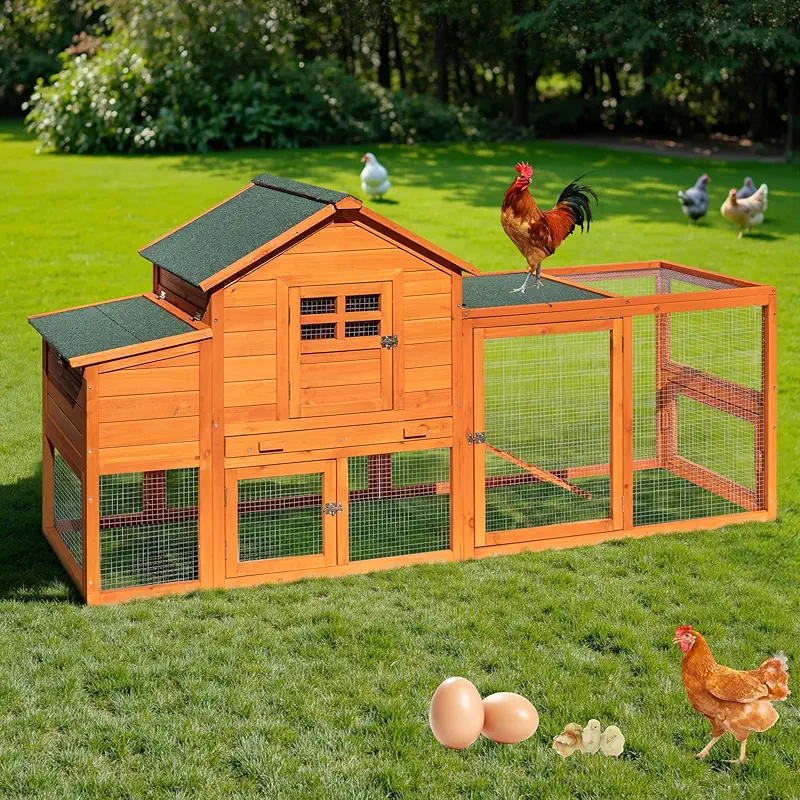
Flocks rarely stay the same size. A neighbor brings you two pullets, or a child falls in love with blue eggs, and suddenly you are planning an extension. This is where modular wooden fence panels shine. You can add a section, swing out the line, and give the birds a fresh corner of earth to explore.
I like to keep some spare posts and brackets on hand. When I see the grass inside the run turning bare and tired, I attach new panels and rotate the flock. The old ground can rest and regrow, and the hens enjoy new bugs and plants.
Keeping your wooden chicken coop fence in good health
A fence ages just like we do. Sun, rain, and frost leave their marks. I try to treat my wooden chicken coop fence a bit like one of my older hens: regular checks, small repairs before big problems. Once or twice a year I walk around with a notebook and a screwdriver.
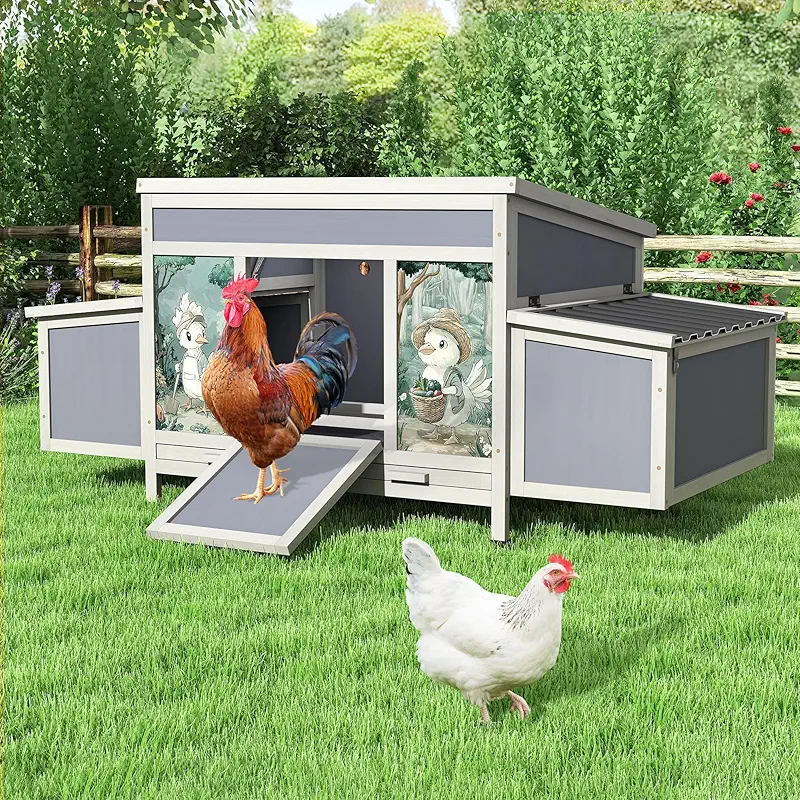
Simple maintenance routine
My routine is not fancy, but it works:
- Tighten loose screws and replace any rusted hinges
- Tap loose staples back in and add more where wire has sagged
- Brush mud away from the base of posts so they can dry out
- Look closely at gate latches and replace any that feel weak
Every few years I refresh the wood with a safe outdoor treatment, choosing finishes that are kind to animals. I do one section at a time so the hens always have somewhere dry to scratch while paint dries.
Listening to the fence also matters. A gate that starts to squeak, a board that bangs in the wind, or a post that moves in your hand are all gentle warnings. Fixing a small sound today is easier than fixing a big break after a storm.