Wooden chicken coop extension
Wooden chicken coop extension guide
Wooden chicken coop extension
How a few extra wooden panels can turn a cramped coop into a calm, happy home for your hens.
I still remember the evening I realised my flock had outgrown their coop. The girls were all lined up on the perch, pressed shoulder to shoulder, and old Ginger the hen gave me that look that said, “We love you, but this is getting tight.” That was the day I started planning a proper wooden chicken coop extension.
If you feel your hens need more room, or you are dreaming of adding a few more birds, a wooden chicken coop extension is one of the kindest gifts you can make to them, and to yourself. More space means calmer hens, cleaner bedding, and fewer little dramas at roosting time.
Let me see options
I’ll walk you through what really matters before you pick any extension.
Why a wooden chicken coop extension changes everything
Chickens do not ask for much. A dry roof, fresh air, enough space to stretch their wings, and a safe corner to sleep. When they do not have enough room, they cannot tell us with words, but they show it in other ways: constant clucking, pecking at weaker hens, dirty feathers, or eggs laid in strange places.
Over the years, I have noticed a simple pattern: when the coop feels small, the whole flock feels nervous. When the coop breathes, the hens breathe. A wooden chicken coop extension gives them that room to breathe again, without forcing you to replace your entire setup.
A good extension brings:
- More floor space for scratching and dust bathing on rainy days.
- Extra roosting area so everyone finds a comfortable spot at night.
- Better air circulation, which means drier bedding and fewer smells.
- Room for feeders and drinkers without blocking the walking paths.
When I added my first wooden chicken coop extension, nightly squabbles on the perch stopped almost from one day to the next. The same hens, the same personalities, but more room and more peace.
I like extensions that match the existing wood and roofline. The coop looks like one solid house, not a strange patchwork.
How to know your coop needs an extension
Many keepers ask me, “How do I know if my coop is really too small?” The labels on some ready-made coops can be optimistic. A box that says “for 6–8 chickens” often feels right for four hens in real life. Chickens can survive in tight spaces, but thriving is another story.
Here are the signs that tell me a wooden chicken coop extension is no longer just a nice idea, but a real need:
- Hens are pushing and climbing over each other to reach the roost at sunset.
- You often find droppings on the roost or eggs stepped on and broken.
- Feathers look scruffy or you see bald patches from pecking.
- The coop smells strong even when you clean it regularly.
- Some hens prefer to sleep outside if given the choice.
- You want to add new birds, but you feel guilty about the current space.
A few winters ago, I took in three young rescue hens. They were shy, and my existing flock of five was not excited about new roommates. For the first week, every night was a noisy debate on the perch. After installing a wooden chicken coop extension and adding a second, slightly lower roost bar inside it, the noise stopped. The new girls chose the lower bar. Everyone found their level, and peace came back to the coop.
Key things to look for in a wooden chicken coop extension
Not every wooden chicken coop extension is the same. Some are sturdy little rooms that will last for years; others are thin as fruit crates and wobble at the first strong wind. When I choose an extension, I think about my hens first, but also about my back, my time, and my wallet.
1. Size and layout that truly fit your flock
Start with how many hens you have now, and how many you might realistically keep in the next couple of years. I like to count at least:
- 3–4 square feet of indoor space per hen as a gentle minimum.
- More if they spend long winter days inside due to snow or heavy rain.
The shape matters too. Long, narrow extensions often work better than small square ones because:
- They give room for several roost bars at different heights.
- Hens can walk past each other without blocking the whole coop.
- You can move feeders and nest boxes around to test what flows best.
2. Solid wood, safe for hens
Chickens peck everything. They explore with their beaks the way children touch with their hands. For a wooden chicken coop extension, I always look for:
- Decent wood thickness: not paper-thin panels that flex when you push.
- Non-toxic treatments: I avoid strong chemical smells inside the coop.
- Smooth edges: fewer sharp corners for combs and wings to catch on.
Thin wood might be cheaper now, but it warps, leaks, and becomes drafty. A hen sitting on the nest on a windy night deserves better than that.
3. Roof, ventilation, and weather protection
Hens handle cold better than damp air. A good wooden chicken coop extension should help keep them dry and fresh at the same time. I look for:
- A roof that slopes away from the joint with the main coop.
- Ventilation gaps with strong mesh, high enough to avoid drafts.
- Roof covering that matches or improves on your current coop.
4. Easy access for you
It is gentle to think first of the hens, but you matter too. You are the one collecting eggs, scooping bedding, and checking feet and feathers. When I read descriptions of a wooden chicken coop extension, I always search for:
- Big doors or lift-up panels for cleaning.
- Removable trays where droppings collect under the roosts.
- Hardware that can be opened with cold or gloved hands.
If you make cleaning easy, you will do it more often, and your hens will live healthier lives because of it.
I always picture myself with a full bedding fork and dirty boots. If I cannot imagine turning comfortably in front of the door, the extension is too awkward.
Different styles of wooden chicken coop extension
Over time I have tried and helped friends install several styles of extensions. None is perfect for everyone, but each one shines in a certain situation. When you look through wooden chicken coop extension ideas, it helps to know what style suits your hens and your yard.
Run-style wooden chicken coop extension
Great when hens need more safe daytime space.
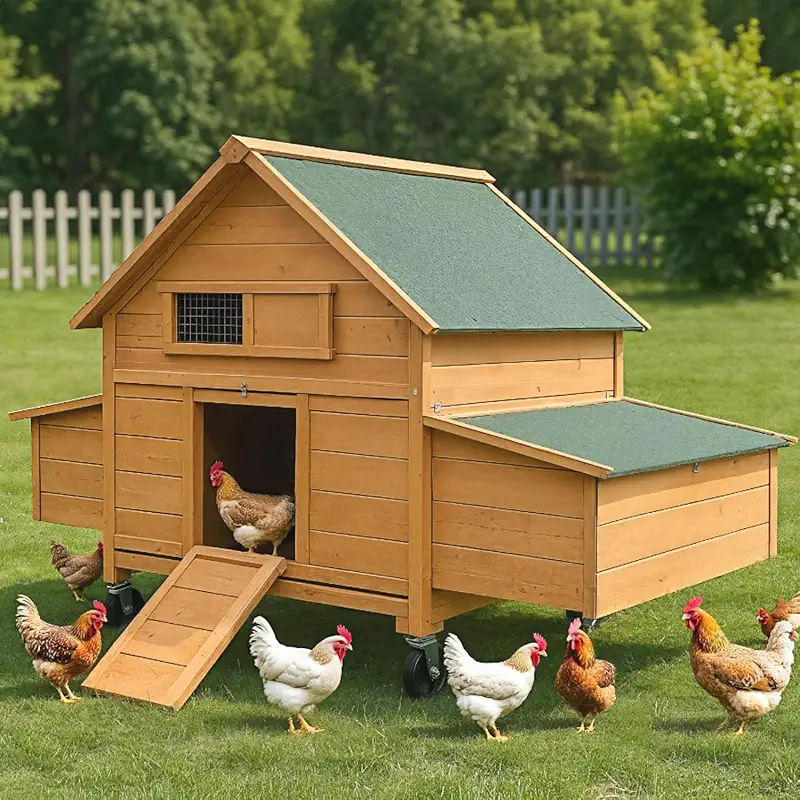
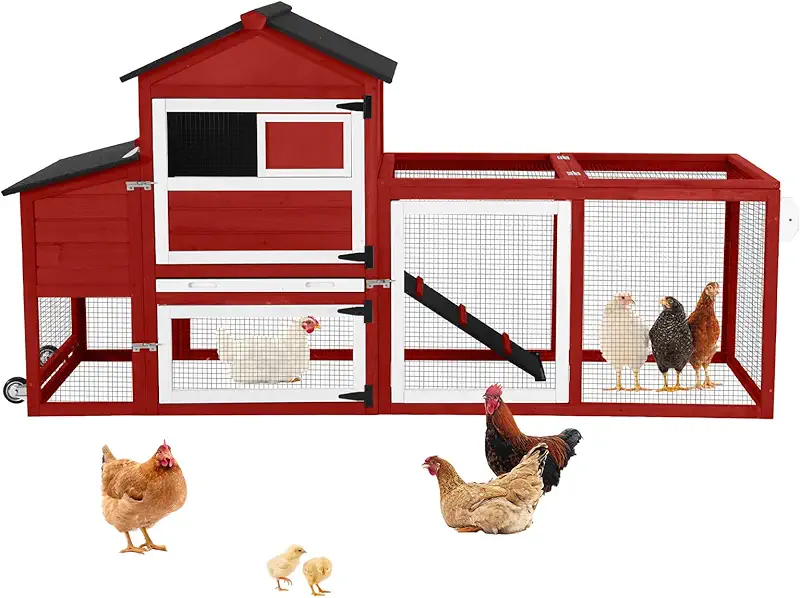
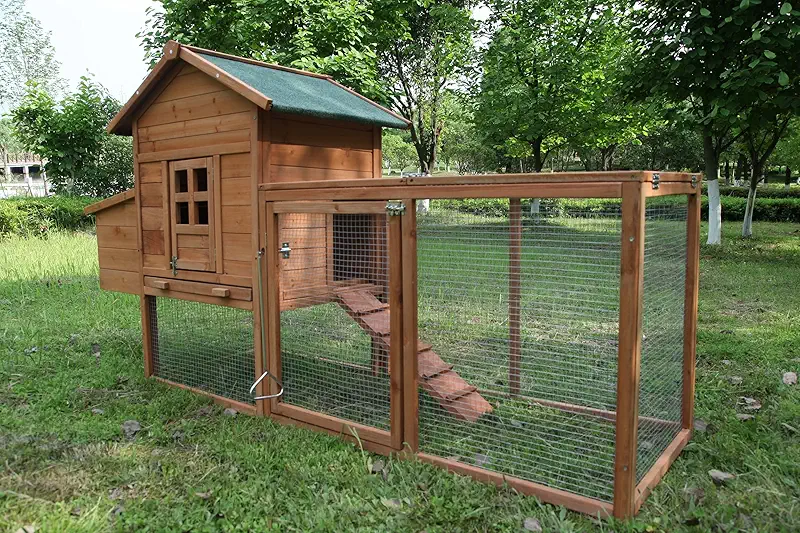
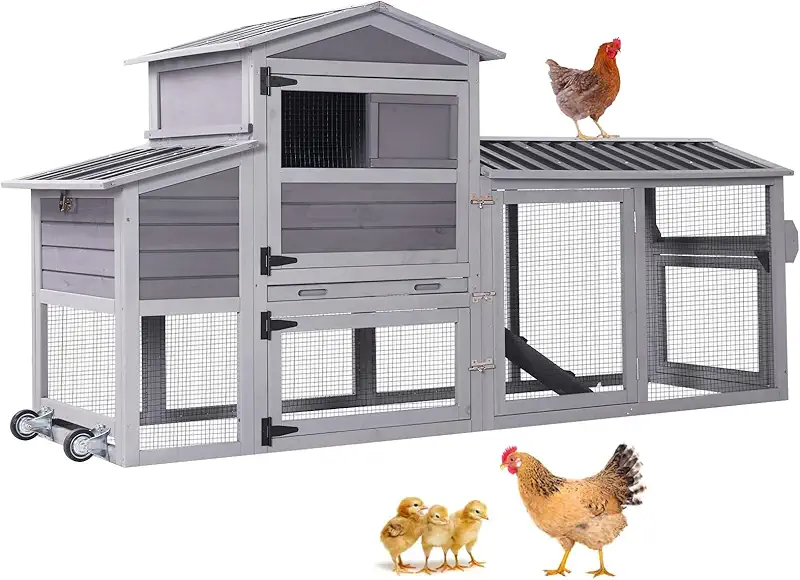
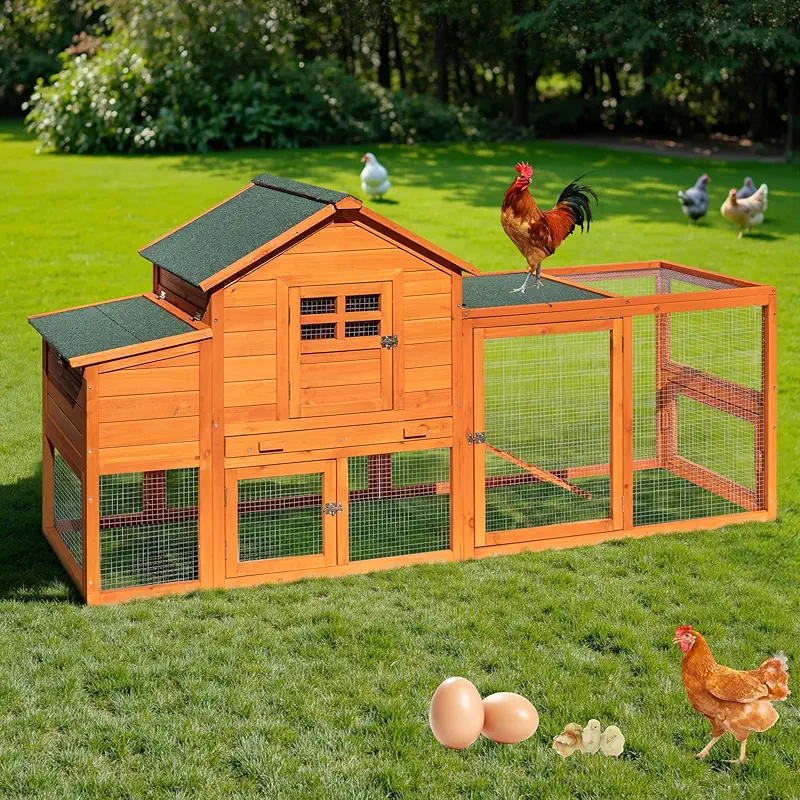
A run-style extension adds a covered walking and scratching area to your coop. It connects to the main pop-hole and gives hens space to move even when hawks are flying or fences are not perfect.
Often budget-friendly and simple.
Sleeping-space wooden extension
Extra roosting room without enlarging the run.
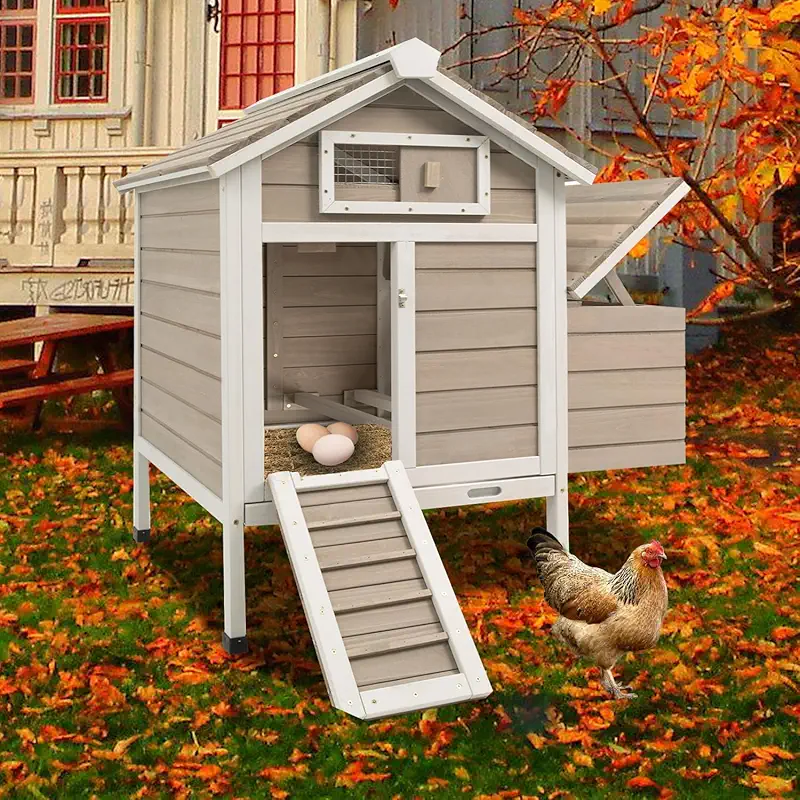
This style focuses on adding enclosed indoor space. It is perfect when your run is already generous, but nights feel crowded and hens argue over the perch.
Ideal for growing flocks.
All-in-one wooden coop extension
Adds indoor space, run, and sometimes nests.
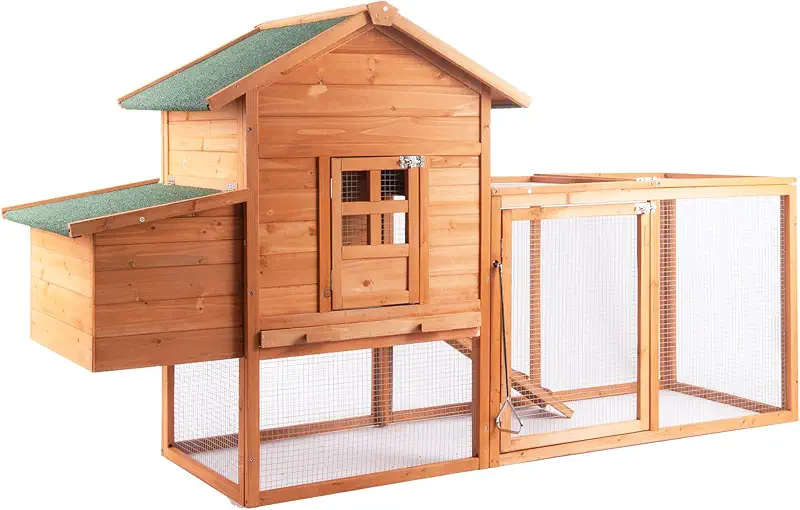
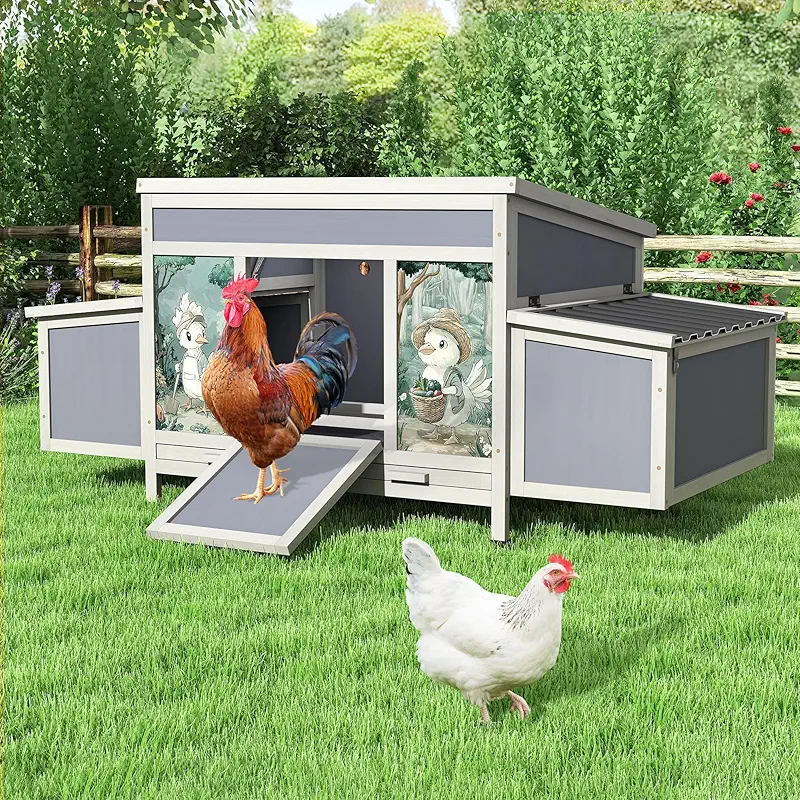
These modular sets can almost double your coop in one go. They often include extra nest boxes, a sheltered run, and new doors. They suit keepers who want a big, clear change with just one project.
More complex, but very complete.
How to match an extension to your existing coop
A wooden chicken coop extension fits best when it feels like it has always been part of the original coop. That not only looks nicer, it also keeps your hens safer from drafts, leaks, and predators. Before you pick any model, I suggest taking a notepad, a tape measure, and a slow walk around your coop.
Measure carefully (and twice)
Measure the side or back of the coop where you plan to attach the wooden chicken coop extension:
- Length of the wall.
- Height from ground to roof edge.
- Position and size of any doors or windows.
Then write down how high the floor of the coop sits above the ground. This is important so the entrance of the extension lines up nicely with the pop-hole or interior floor.
Think like a predator
Foxes, raccoons, rats, and dogs all love an easy gap in wood. When you connect a wooden chicken coop extension, imagine you are a fox nose trying to find a weakness. Plan to:
- Overlap wood where the two parts meet.
- Use strong screws instead of weak staples.
- Add hardware cloth under edges, buried in the soil if needed.
Keep your daily routine in mind
While planning, walk your normal path: from house to coop, from coop to garden, from run gate to compost. Ask yourself:
- Will the new extension block any gates or paths?
- Can I still reach the back for cleaning and repairs?
- Where will snow or rainwater flow after the extension is added?
When the layout supports your daily rhythm, chicken care feels gentle and easy, even on tired evenings.
I like to stand where I’ll collect eggs and picture myself doing it in the rain. If the extension would force me to lean or squeeze, I adjust the plan.
Practical tips for installing a wooden chicken coop extension
You do not need to be a master carpenter to fit a wooden chicken coop extension, but patience and a calm approach help a lot. I like to think of it as building a larger nest for the whole flock.
Choose the right day
Pick a dry, quiet day if you can. Work when the hens are busy in the run or garden, not at roosting time. Chickens do not enjoy sudden loud changes just before bedtime.
Prepare the ground
- Level the soil or lay a simple base (bricks, blocks, or treated wood).
- Consider adding a layer of sand or gravel under the extension for drainage.
- Check where water will run when it rains.
Test fit before final fixing
When your wooden chicken coop extension arrives, I like to:
- Assemble it loosely without fully tightening screws.
- Hold it against the coop to see how joints meet.
- Mark any lines where you need to cut a new opening.
The first time I attached an extension, I was impatient and fixed it tightly from the start. Only then I realised the old coop wall was not perfectly straight. I had to loosen and shift the whole thing. Now I always test fit first, and my hens get a snug, draft-free join.
Take your time to reassure the flock
After installing the wooden chicken coop extension, hens may be suspicious of the new space. For a few days:
- Scatter a little feed inside the extension.
- Place fresh bedding that smells clean and familiar.
- Guide a calm, confident hen inside first. Others usually follow her lead.
You will know they have accepted the change when you see them napping, dust bathing, or preening calmly in the new area.
If you are looking through different wooden chicken coop extension ideas and feel unsure, it is okay to pause. You and your flock will live with this change for years. Better to spend an extra evening thinking than to rush into a poor fit.
Looking through wooden chicken coop extension options
There are many designs, finishes, and sizes to choose from. When I browse wooden chicken coop extension products, I quietly ask myself two questions:
- “Will this make my hens feel safer and calmer?”
- “Will this make my daily care gentler and easier?”
If the answer is “yes” to both, I look closer at the details, photos, and measured drawings.
You can explore a wide range of wooden chicken coop extension ideas, from simple add-on runs to full modular systems, all in one place. Take your time, compare shapes and measurements, and imagine your own hens walking through each design.
When something catches your heart, read what other keepers say about how it behaves in real weather and real backyards. That often tells you more than any neat studio picture.
I’ll start browsing
I like to picture my oldest hen first. If I can see her moving comfortably in the new space, hopping up and down without rushing, I know I am on the right track.
FAQ about wooden chicken coop extensions
How much extra space should I add with a wooden chicken coop extension?
I like to add enough space so that my final indoor area gives at least 3–4 square feet per hen, more if winters are long and wet where you live. If your hens often stay inside due to predators or weather, aim higher. It is easier to add a slightly bigger wooden chicken coop extension once than to keep adding tiny pieces later.
Can I add a wooden chicken coop extension to a plastic or metal coop?
Yes, you can, but you need to think carefully about how the materials meet. Many keepers attach a wooden frame or adapter panel to the plastic or metal wall, then fix the extension to that frame. The wooden frame gives strong places for screws and helps seal gaps so no drafts or predators squeeze through.
Will a wooden chicken coop extension be warm enough in winter?
Chickens handle cool air better than damp, so focus on dry, draft-free shelter. A wooden chicken coop extension with good ventilation high above the birds, solid walls, and dry bedding is usually warm enough without heavy insulation. In very cold areas, you can add windbreak panels or thicker bedding rather than sealing everything tight.
How do I keep the extension easy to clean?
When you choose your wooden chicken coop extension, look for big doors, removable droppings trays, and floors you can scrape without bending too much. Inside, I like to use simple, flat roost bars that lift out in seconds. The easier it is to sweep and replace bedding, the more likely you are to keep it fresh, and your hens will thank you with bright eyes and clean feet.
Is it okay to add more hens right after installing a wooden chicken coop extension?
I prefer to let my original flock settle into the new space first. Give them a week or two to claim the wooden chicken coop extension as part of their home. Once they are relaxed and moving freely in it, you can start a slow, gentle introduction of new hens, using the extra room to separate them at first if needed. A calm flock and enough space make every introduction kinder.