
Wooden chicken coop door
I have been walking out to the coop at sunrise and sunset for many years now. The sound of hens shuffling on the roost and the soft clucks in the straw are part of my life. One small detail has made those moments calmer and safer: a solid, reliable wooden chicken coop door.
A good wooden chicken coop door is more than just a piece of wood on hinges. It keeps foxes, raccoons and rats out, holds warmth on cold nights, and lets fresh air in on warm evenings. When it works well, you feel at peace when you turn off the yard light and leave the flock to sleep.
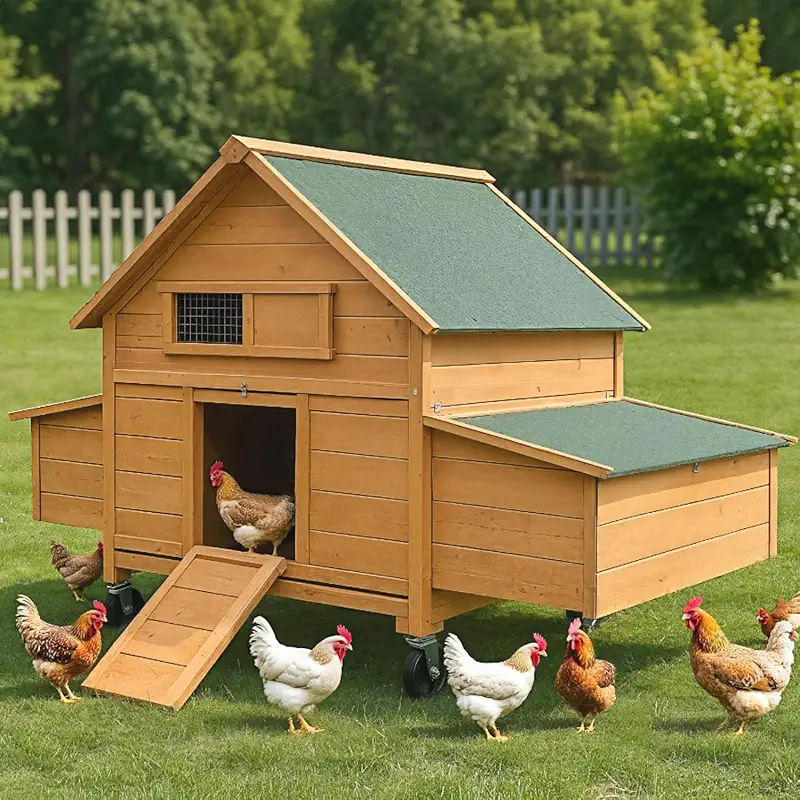
Why your wooden chicken coop door really matters
I still remember the first time a fox tested my coop. I found deep scratches around the door frame the next morning, but the hens were all safe. The only reason was a heavy wooden coop door that closed tight and did not give in.
When you choose a wooden chicken coop door with care, you protect your birds, your sleep, and all the time and love you invest in your flock. Below I will share how I choose doors now, what has failed for me in the past, and a few simple habits that keep hens safe for years.
Different styles of wooden chicken coop door I have used
Over the seasons I have tried sliding doors, hinged doors, heavy framed doors and light plywood doors. Each type of wooden chicken coop door has its own character. Some are easy to build, some are easier for children to handle, and some stand up better to rough weather and curious predators.
Here are three door styles that have worked well for me and my hens, and that you will often find when you look for a new wooden chicken coop door.
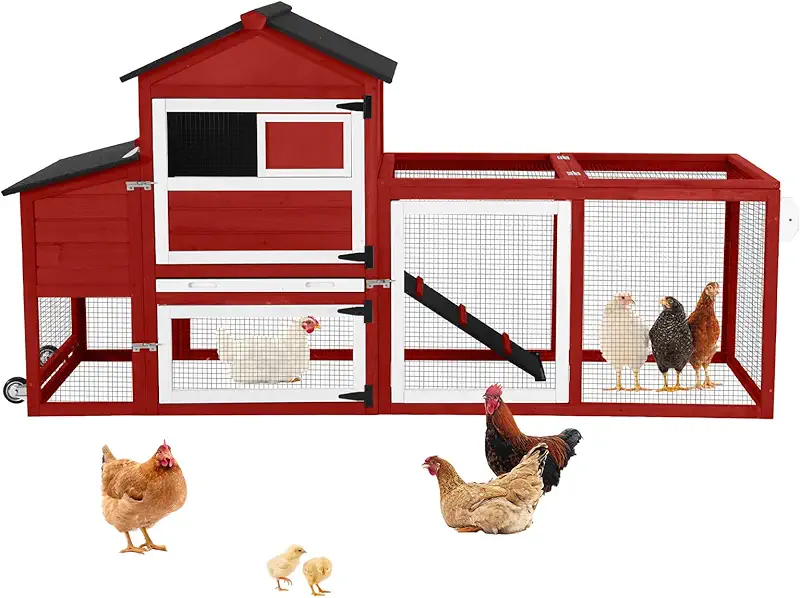
Sliding wooden chicken coop door
Calm morning routineA vertical sliding wooden chicken coop door glides up and down in rails. I like this style when I want to open the coop from outside the run, especially on rainy mornings when I stay in my boots on the path.
- Less space needed in front of the coop
- Can be paired with simple rope or auto closer
- Harder for predators to pry from the bottom
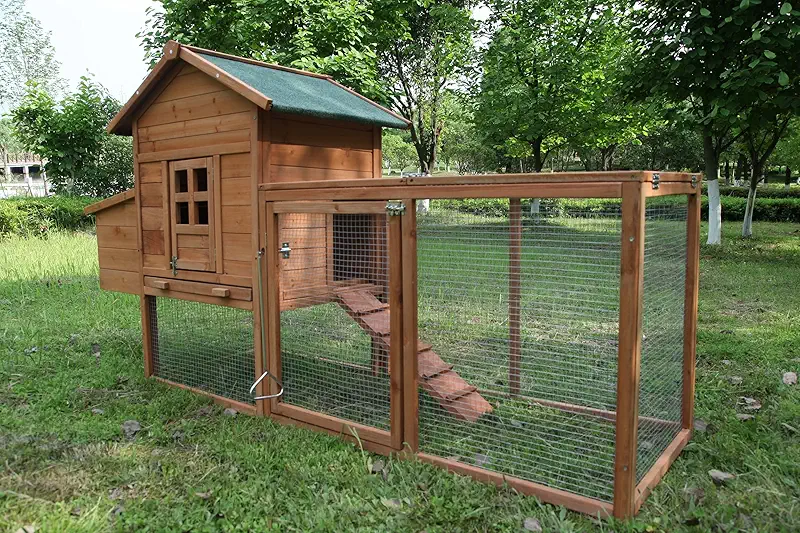
Classic hinged wooden coop door
Simple and sturdyA side hinged wooden chicken coop door feels very natural. You swing it open, greet the hens, and swing it closed at night. It is easy to build and easy to repair, which matters when you live a bit far from town like I do.
- Familiar and easy to understand for everyone
- Good for wide openings and older hens
- Simple hardware, easy to replace if rusty
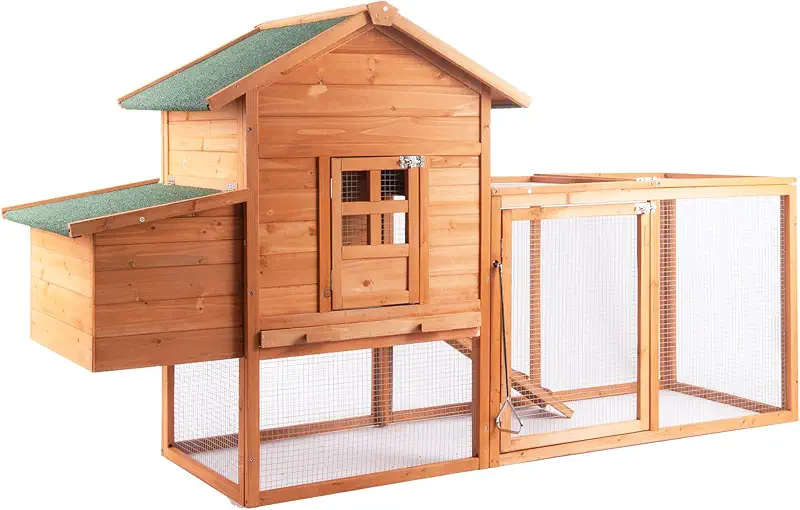
Insulated wooden chicken coop door
For harsh wintersWhen winters turned colder than I expected, I added an insulated wooden chicken coop door. A simple layer of rigid insulation sandwiched between boards made the coop warmer and kept frost from creeping in around the entrance.
- Helps reduce drafts around roosts
- Gentler on combs and wattles in deep cold
- Feels solid and reassuring when you shut it
What I look for in a safe wooden chicken coop door
When I help neighbors set up a new coop, we always kneel down in front of the opening and talk through the door together. It is not the most glamorous part of the coop, but it is the one spot a predator will test first.
Here are the simple, down-to-earth things I check before I trust a wooden chicken coop door with my own flock.
- Solid wood, not flimsy sheet: I like doors made from strong boards or thick plywood, not something that bends when I press with my hand.
- No gap bigger than a finger: I run my fingers all around the frame. If I can fit more than a finger in a gap, a rat can probably work on it.
- Real latch, not just a hook: Raccoons have clever little hands. I use latches that need two motions, or carabiners that small animals cannot open.
- Smooth floor line: Hens do not like to trip. A step that is too high can bother older birds and heavy breeds.
- Easy enough for a child: If a visiting child can close the wooden chicken coop door properly, then I know it is simple enough for our tired evening selves too.
When you choose a wooden chicken coop door online, look closely at the pictures. I always pay attention to the thickness of the wood, the type of latch, and how the door meets the frame. I imagine a fox pushing with its nose and a raccoon trying to pry the bottom corner. If they would have a hard time, it is a good sign.
How a good wooden chicken coop door changed my evenings
For years I used a very light door on my first coop. It warped in the rain and started leaving a small triangle gap at the top. One night a rat slipped in and stole more than feed. It scared my hens badly. The next day I decided my flock deserved better.
I replaced that door with a heavier wooden chicken coop door and a proper frame. The first night I shut it, I remember resting my hand on the wood for a moment. The coop felt quiet and safe inside. From that night on, my bedtime check of the flock has felt calmer, almost like tucking children in.
If you are at the same stage I was, feeling that your current door is “probably fine”, listen to that small worry. A stronger wooden chicken coop door is not only about fear of predators. It is also about being able to walk back to the house with an easy mind.
Setting up your new wooden chicken coop door step by step
Installing a wooden chicken coop door does not need fancy tools. Most of mine have been fitted with just a drill, a hand saw, and a patient afternoon. Here is the simple routine I follow whenever I fit a new door.
- 1. Measure the smallest hen first. I watch how my smallest hen steps through the opening and make sure the bottom is not too high for her short legs.
- 2. Mark the frame on a dry day. Wood behaves better when it is dry. I trace the outline of the door and pre-drill screw holes so the frame does not split.
- 3. Attach hinges with care. I always use at least two sturdy hinges for a small door, three for a larger one, and I double-check that the door swings freely.
- 4. Test the latch in the dark. Before I settle, I step outside at night with a small torch and shut the wooden chicken coop door. If I can close and latch it easily with cold hands, it passes.
- 5. Watch the hens use it. For the first few mornings I stand back and watch. If a bird hesitates or bumps herself, I adjust the step or smooth any rough edge.
A well-fitted wooden chicken coop door feels natural in your hands. It closes with a soft, certain sound. Your flock notices that sense of order and calm too; they settle faster when the coop feels secure.
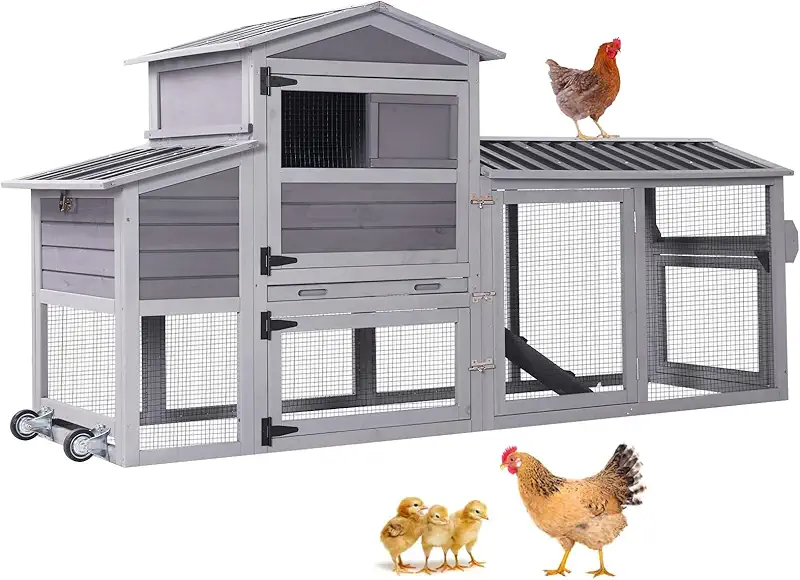
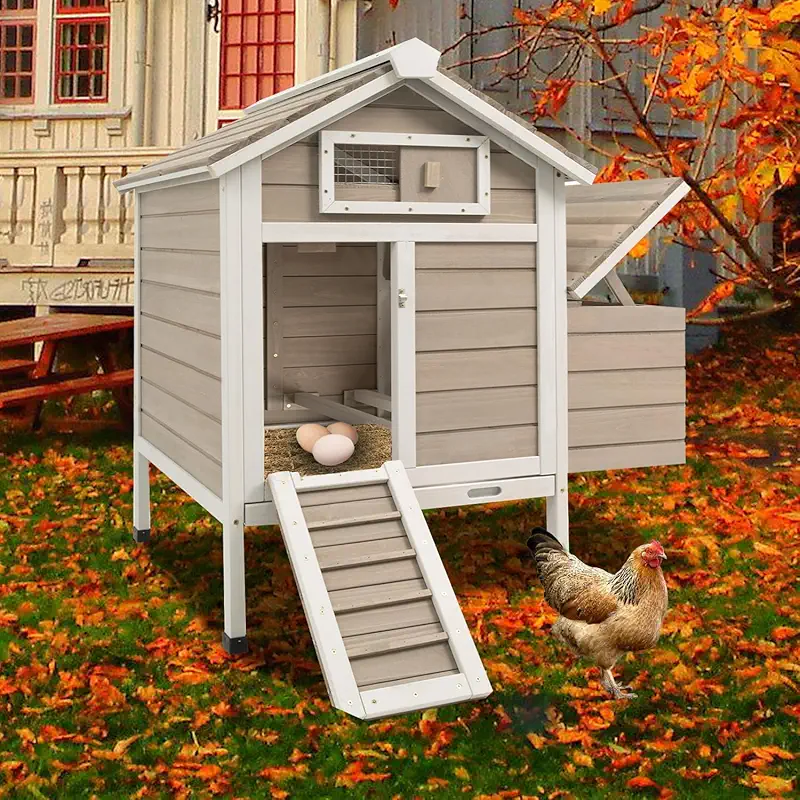
Wooden chicken coop door and predator protection
My hens have outsmarted me many times, but predators are patient too. Most trouble around here comes from foxes, raccoons, stray dogs, and rats. They all see your wooden chicken coop door as the easiest point to test.
Over time I have learned to think like them. I run my hands where they would run their noses and paws. I push and pull on the wooden chicken coop door once a month, just to make sure it still feels solid.
- Foxes push low and jump high. I make sure the bottom edge has no rot and the top can not be bent down.
- Raccoons work latches. I use clips or carabiners that need a twist, not just a straight pull.
- Dogs ram with their shoulders. I use long screws into solid framing, not small nails that can work loose.
- Rats look for tiny gaps. I seal cracks with strips of wood or metal and avoid chewable foam at the door edges.
A sturdy wooden chicken coop door, checked now and then with your own hands, is your strongest ally. Paired with good wire and a clean run, it makes predators move on in search of easier meals.
Caring for your wooden chicken coop door through the seasons
Wood is alive in its own quiet way. It swells in the rain and dries in hot wind. If you care gently for your wooden chicken coop door, it will return the favor and keep working for many years.
Here is my simple care routine, usually done while the kettle boils or the hens scratch around my boots.
- Spring: I check for swelling after heavy rains. If the wooden chicken coop door sticks, I sand the edge lightly rather than forcing it.
- Summer: I look for cracks from strong sun. A quick coat of safe outdoor wood treatment helps it last longer.
- Autumn: I tighten loose screws and look for starter signs of rot near the bottom edge.
- Winter: I brush snow away from the sill and make sure ice does not freeze the wooden chicken coop door shut.
None of these jobs take long, but together they keep the door smooth, straight, and easy to close. When caring for your birds becomes part of your daily rhythm, tending the wooden chicken coop door becomes a small, satisfying ritual rather than a chore.
Balancing light, air and safety at the coop door
Chickens love light and gentle air, but they hate drafts on their backs at night. Your wooden chicken coop door is one of the main tools you have to balance comfort and safety.
On hot evenings I sometimes leave the wooden chicken coop door open a little longer, but only because I have strong wire mesh behind it. On very cold nights, I close it early so the coop warms from the hens’ own heat before the frost settles.
If I could give only one piece of advice about comfort, it would be this: stand inside the coop at door level on a windy evening. Feel with your own cheeks and hands where the air comes in. If it blows straight across where your hens sleep, tighten the fit of the wooden chicken coop door or add a small windbreak inside.
When it is time to replace your wooden chicken coop door
I tend to keep things until they truly reach the end of their life. Wood can last a long time, but there are clear signs that a wooden chicken coop door has done its service and deserves retirement.
- The wood stays soft even after a few dry days in the sun.
- The door twists enough that only one corner closes firmly.
- You see fresh chew marks or new gaps after each rain.
- The latch never quite lines up and you “make do” with a loose close.
When I see more than one of those signs together, I stop patching and start planning a replacement. My birds give me eggs, company, and quiet moments of joy. Offering them a strong new wooden chicken coop door is the least I can do in return.
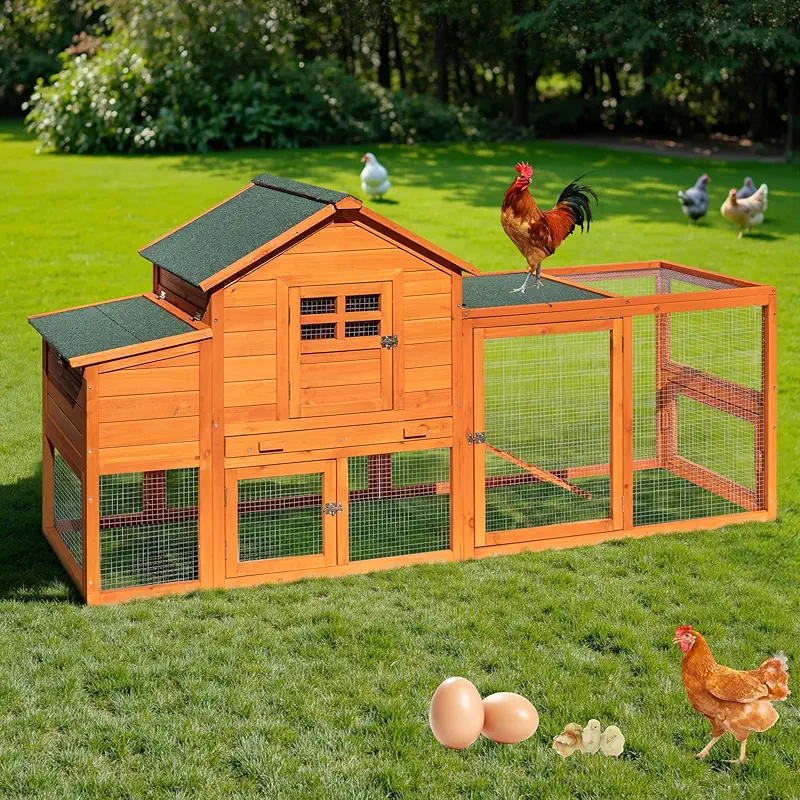
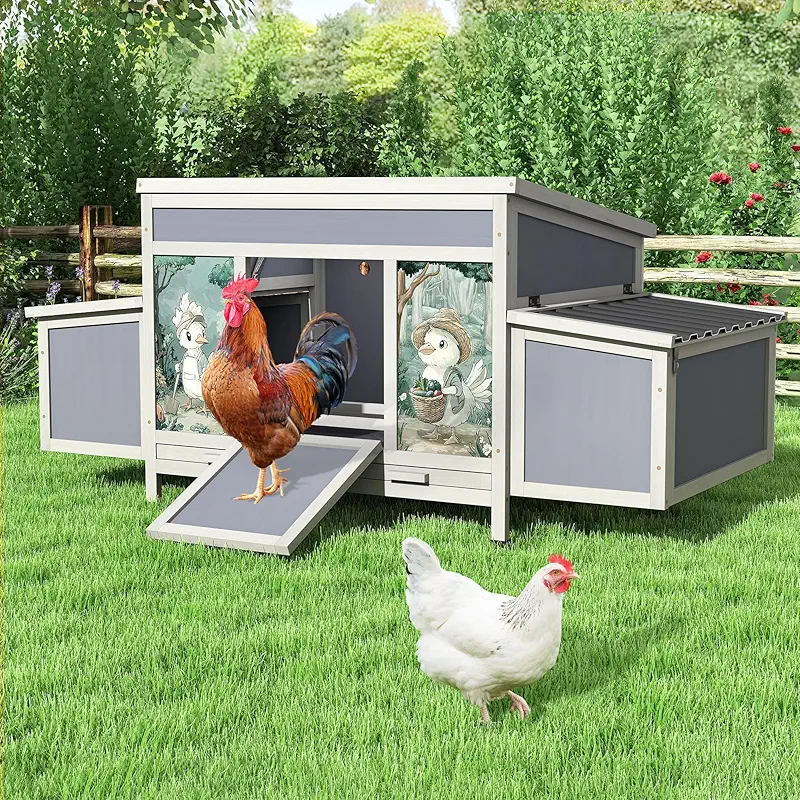
If you look at your own coop and recognize these signs, you might feel a small knot of worry. I have felt it too. Choosing a new wooden chicken coop door that is solid and well built can untie that knot and bring back a feeling of quiet confidence.
Let me see optionsFAQ about wooden chicken coop doors
How thick should a wooden chicken coop door be?
I aim for at least 1.5 to 2 cm (about 5/8 to 3/4 inch) thick for small openings, and a little thicker for larger doors. Thinner wood can warp and flex too easily. A good wooden chicken coop door should feel firm under your hand and not bow when a fox pushes against it.
Do I need an automatic opener for my wooden chicken coop door?
You do not need one, but it can help if your schedule is very tight or you leave home early. For years I walked out morning and night, and I still enjoy that time. If you choose an automatic opener, look for one that works smoothly with your wooden chicken coop door and test it often until you fully trust it.
Should the wooden chicken coop door open inwards or outwards?
Most of my doors open outwards. That way bedding inside the coop does not pile up and block the door. It also makes it harder for predators to push the wooden chicken coop door inwards. The main thing is that it opens fully so hens do not bump their wings on the way out.
How big should the opening be for standard hens?
For average-sized layers, I like an opening around 30 cm wide by 35–40 cm high (roughly 12 by 14–16 inches). This gives enough room for two birds to pass without getting stuck. If you keep large breeds like Brahmas, I go a little bigger so they do not have to crouch too much under the wooden chicken coop door.
How often should I check the wooden chicken coop door?
I take a quick look every evening as I close it and a closer look once a month. I press on the corners, try the latch a few times, and look for fresh marks or gaps. It only takes a minute, but that small habit has saved my flock more than once. Your wooden chicken coop door is like the lock on your front door; it deserves regular, gentle attention.
Listening to your flock and trusting your hands
After many years among hens, I have learned that they speak most clearly with their bodies. When the coop feels safe, they walk in calmly at dusk, shuffle a little on the roost, and then fall quiet. When something is wrong with the door, they hesitate, pace, or try to sleep farther inside.
A well-chosen wooden chicken coop door will not only please you, it will show in your birds’ behavior. They will step in with confidence and come out with curiosity each new morning. That small wooden barrier between their soft bodies and the night outside carries a lot of responsibility.
If your heart is telling you that your current door is not quite enough, listen. Feel the wood, check the gaps, and do what feels right for the animals that trust you. A strong, thoughtful wooden chicken coop door is one of the kindest gifts you can quietly give them.
This might help us