
Wooden chicken coop and run
If you are dreaming of a calm backyard, happy hens, and fresh eggs, a good wooden chicken coop and run is your flock’s little world. Here I’ll share what I’ve learned over years of caring for my own girls, so you can keep your chickens safe, dry, and peaceful.
When people ask me why I always choose a wooden chicken coop and run, I smile and think of my first tiny flock. I started with four little hens and a very simple wooden coop at the edge of our garden. I still remember their soft clucking at dusk and the way they lined up on the perch, like children on a school bench. That first coop was not perfect, but it was warm, dry, and safe. Over the years, I learned what really matters in a coop, and what only looks nice in pictures.
Today my hens live in a sturdier wooden chicken coop and run, roomy enough for them to stretch their wings and scratch in the soil. Wood feels natural for them. It keeps the place cozy in winter, not too hot in summer, and it blends into the garden like a small wooden shed. Let me walk you through the details I watch every time I help someone choose their first coop.
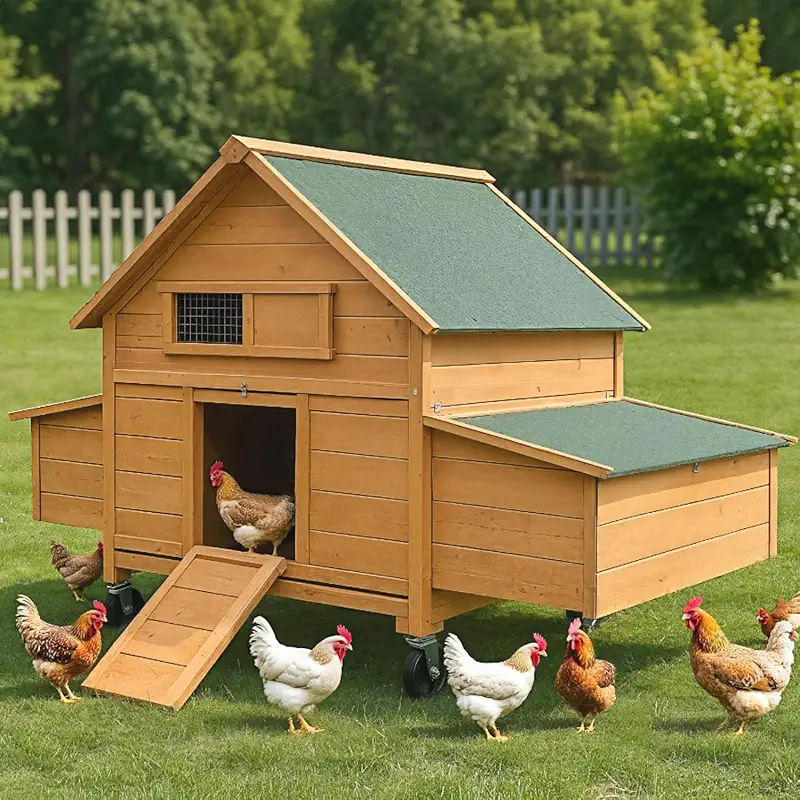
Why a wooden chicken coop and run feels like home for hens
Chickens are simple, gentle creatures. They do not ask for much: dry bedding, steady air, a quiet perch, and a safe place to hide from wind and foxes. A good wooden chicken coop and run gives them that in a way metal and plastic often do not. Wood breathes a little. It softens sound. It holds warmth. When I open my coop at dawn, I smell dry shavings and clean wood, and my hens step out calm and curious, never stressed.
Another reason I stick to wooden coops is that they are easy to repair and adjust. Over time I added an extra perch for an older hen with weak legs, a wider ramp for a heavy Orpington, and an extra panel to shield from a north wind. With wood, a small saw and a handful of screws change everything. Metal can be sharp, plastic can crack, but a wooden chicken coop and run adapts with your flock.
How to choose the right size for your wooden chicken coop and run
The first mistake I made, and I see many new keepers make it too, is thinking, “They are small birds, they do not need much room.” Then I watched my girls stretch, dust bathe, chase each other, and flap up to the perch with a silly burst of energy. They need space, not only to live, but to be themselves.
Inside the coop, I aim for at least 4 square feet per standard hen, or 2–3 square feet for bantams. In the outside run, I feel happier with 10 square feet per hen or more. When in doubt, I always go bigger. A slightly larger wooden chicken coop and run rarely causes problems. A cramped one causes stress, pecking, and illness.
I remember when I added two rescue hens to my flock. For a while they were unsure and stayed away from the older girls. Because the run was long and not just wide, they could keep a little distance and still enjoy fresh air and sun. Within a couple of weeks, I saw them scratching side by side with the others. Space quietly heals tension.
Signs your coop is big enough
- Hens can pass each other on the perch without pushing.
- All birds can lie down in the run at the same time.
- Nesting boxes are not used as a bedroom every night.
- The floor is not always damp or packed with droppings.
Warning signs of a cramped setup
- Feathers missing on backs or tails from pecking.
- Loud crying at bedtime when they try to roost.
- Strong smell of ammonia when you open the door.
- Hens sleeping in corners or on the floor.
Looking at wooden chicken coop and run ideas
When I help friends pick a wooden chicken coop and run, I tell them to look beyond pretty pictures. Think of your climate, your flock’s size, and your own back. You will be the one cleaning, bending, refilling feeders, and checking eggs in the rain. A good design respects your body as well as your hens.
These coops usually have a raised sleeping area with a ramp down into an attached run. I like them for beginners because everything stays together: nest boxes, roosts, and the run are all in one wooden frame. When I started, this style kept my flock safe while I was still learning about foxes and neighborhood dogs.
Once I moved to a walk‑in setup, my back thanked me. Being able to stand inside the run to rake bedding, refill water, or catch a shy hen changed everything. If you can, consider a wooden chicken coop and run tall enough to walk into. It makes daily care gentler, especially in winter when everything feels heavier.
Little design details that keep hens happy
Over time, I noticed that it is not only size that matters, but the tiny comforts built into a wooden chicken coop and run. Chickens will not tell you with words, but they speak with their bodies. They relax their wings, lower their heads, and make a deep, slow cluck when they feel safe. Here are the touches that always bring that sound.
Perches that feel like a branch
Hens sleep with their feet curled around a perch, like they would on a tree limb. I avoid thin round dowels, because they make toes cramp. Instead, I use flat wooden perches about 3–4 cm wide with the edges slightly rounded. In a good wooden coop, perches are a bit higher than the nest boxes but not so high that heavier birds struggle to jump up.
One winter I noticed an older hen, Hazel, choosing a lower perch every night. The higher one was just a bit too sharp for her arthritic toes. Once I replaced it with a flatter piece of wood, she joined the rest of the flock again, right in the middle, where she felt safest. Tiny details like that can change a hen’s whole night.
Dry, quiet nesting boxes
A calm egg comes from a calm hen. Nesting boxes in a wooden chicken coop and run should feel like a private corner, not a hallway. I like boxes that are just big enough for one hen, with a small front lip to keep shavings inside. They should sit lower than the perches so hens do not sleep in them, and away from strong drafts.
Good airflow without cold drafts
Many people fear their hens will be cold, so they close every vent. Sadly, this traps moisture and leads to frostbite on combs and respiratory issues. A well‑built wooden chicken coop and run uses vents high under the roof to let moist air out while keeping the hens out of the direct path of the wind. When I check my coop at night in winter, the air smells clean, not damp, even with the door closed.
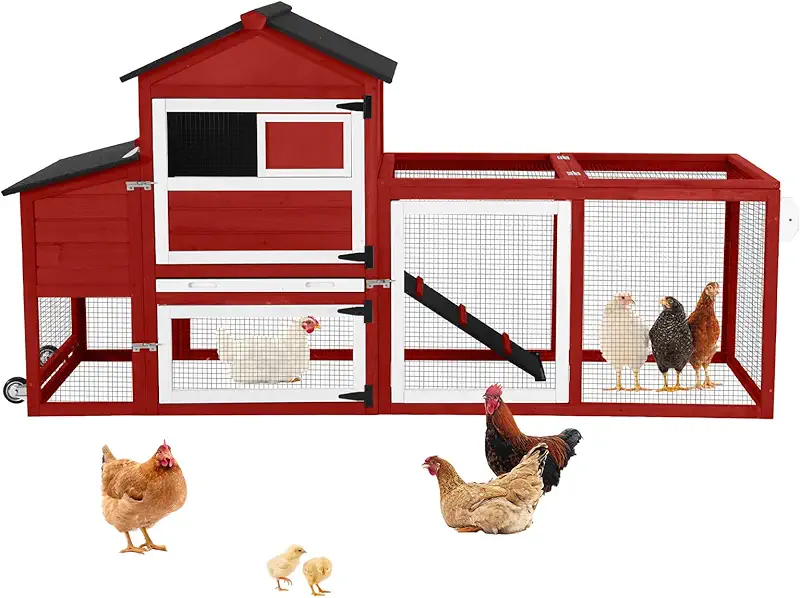
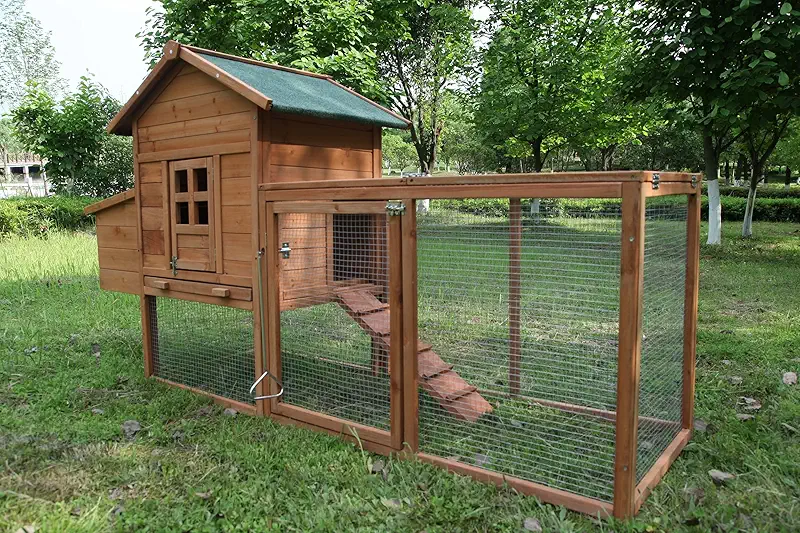
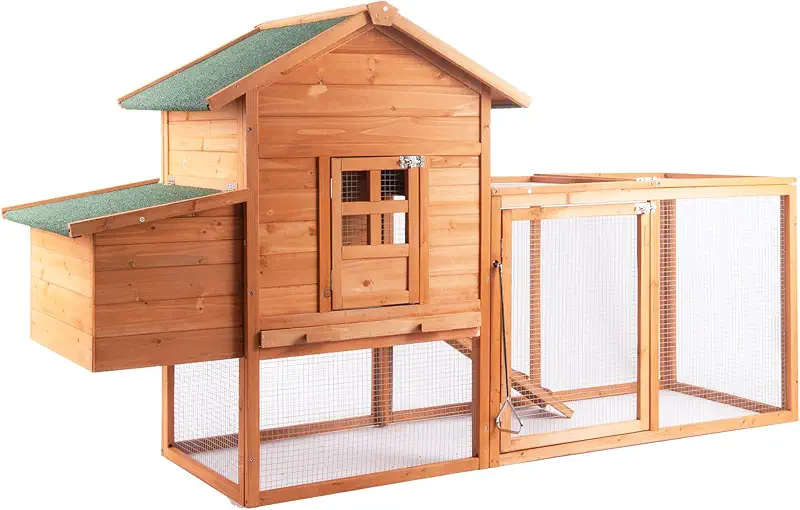
Keeping predators and bad weather away from your flock
Out here, we share our land with foxes, raccoons, rats, hawks, and neighborhood dogs that forget their manners. A wooden chicken coop and run must be more than pretty; it must be a small fortress every night. I learned this the hard way, many years ago, when a fox tested a loose latch and found its way into my first coop. I still remember the silence in the morning. Since then, I promise every new keeper: do not trust cute latches or thin wire.
For the run, I always recommend strong wire mesh, not thin chicken wire that can bend or break. Chicken wire keeps chickens in, but it does not keep predators out. Hardware cloth or sturdy welded mesh, firmly stapled to a wooden frame, stands up to sharp teeth and claws. Around the bottom of my run, I buried mesh about 30 cm deep to stop digging. It took a weekend, but I slept much better after that.
- All hens counted on the perch.
- Pop door closed and latched.
- Feed stored in metal or sealed bins.
- No gaps bigger than a finger around doors.
Weather is a quieter, but constant, threat. Wind pushes rain through tiny cracks. Snow collects on roofs. Summer sun turns closed spaces into ovens. A thoughtful wooden chicken coop and run uses a solid roof with enough overhang to protect the sides. In my own yard, I placed the run so that the solid side faces the worst winter wind, and I added a little shade cloth for the fiercest summer days. The hens tell me I got it right by choosing to dust bathe near the coop even on hot afternoons.
Cleaning a wooden chicken coop and run without burning out
I love my birds, but I am honest: if cleaning the coop is a nightmare, you will avoid it, and the hens will suffer. When I choose or recommend a wooden chicken coop and run, I always picture myself on a cold, wet Sunday morning, broom in hand, slightly tired. If I can still clean that coop in under half an hour, it passes my test.
Look for wide doors, removable trays, and flat surfaces that are easy to scrape. Raised coops with trays that slide out save your back and make weekly cleaning simple. I like to use a mix of pine shavings and a little chopped straw on the floor; it absorbs moisture and gives hens something to scratch. Once a year, on the first warm day of spring, I do a deep clean: everything out, walls scrubbed with a mild soapy solution, then dried in the sun. The wood seems to breathe again, and the coop smells like fresh boards.
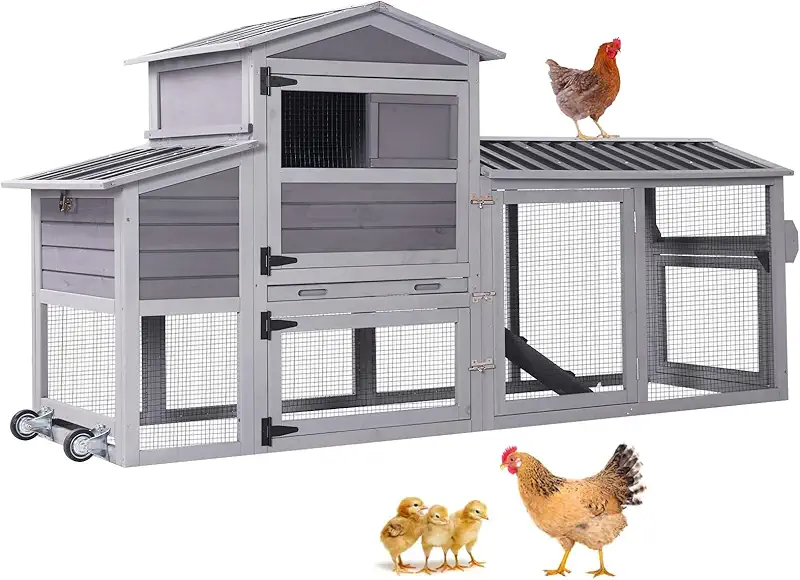
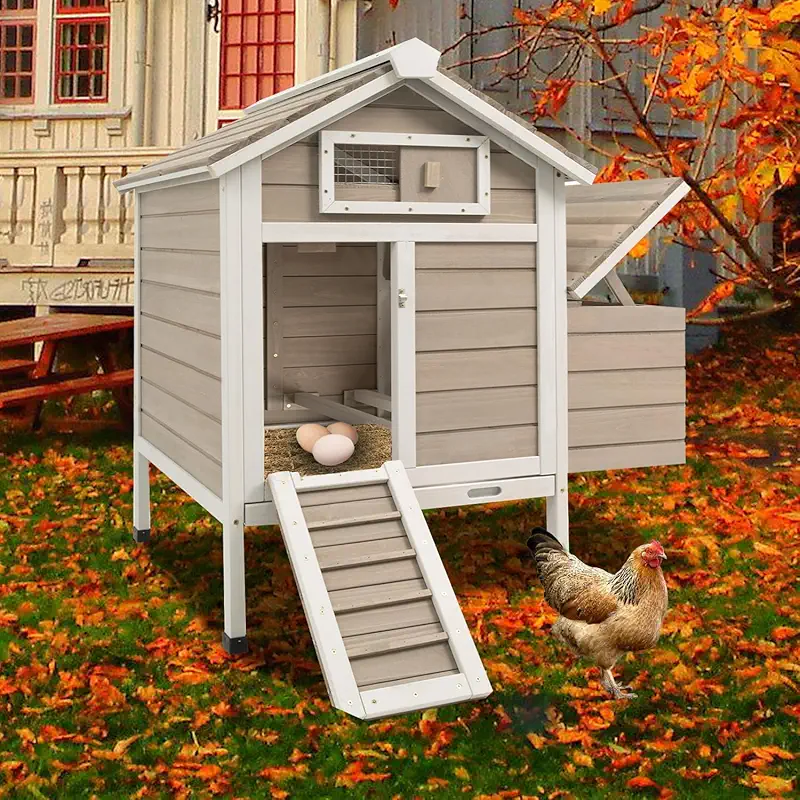
When you care for your coop that way, it rewards you. A well‑kept wooden chicken coop and run lasts many years. The wood ages, turns a softer color, and feels more and more like part of the garden. My current coop has seen storms, heat waves, a few clumsy repairs, and many broody hens. Each mark on the wood tells a little story.
Placing your wooden chicken coop and run in the garden
Where you set your coop matters almost as much as which one you choose. I like to think of it as placing a small village at the edge of your own. Your hens need light, but also shade, noise, but not too much, and they deserve a spot where you can reach them even in heavy rain or snow.
If you can, place the coop where morning sun reaches the run. This dries damp bedding after the night and gently wakes the hens. Avoid low spots where water collects; a wooden chicken coop and run does not enjoy standing in puddles. A little natural slope helps rain move away from the structure. Planting shrubs or tall plants nearby (but not right against the walls) gives shade and somewhere for your birds to feel hidden when hawks pass overhead.
I also keep my coop close enough to the house that I can hear if something is wrong at night. Once, very late, the flock began a sharp, urgent clucking. Because they were near, I heard them, grabbed a flashlight, and chased off a curious dog that had tried to dig at the run. Distance can be peaceful, but not so far that your hens’ voices cannot reach you.
Gently choosing your own wooden chicken coop and run
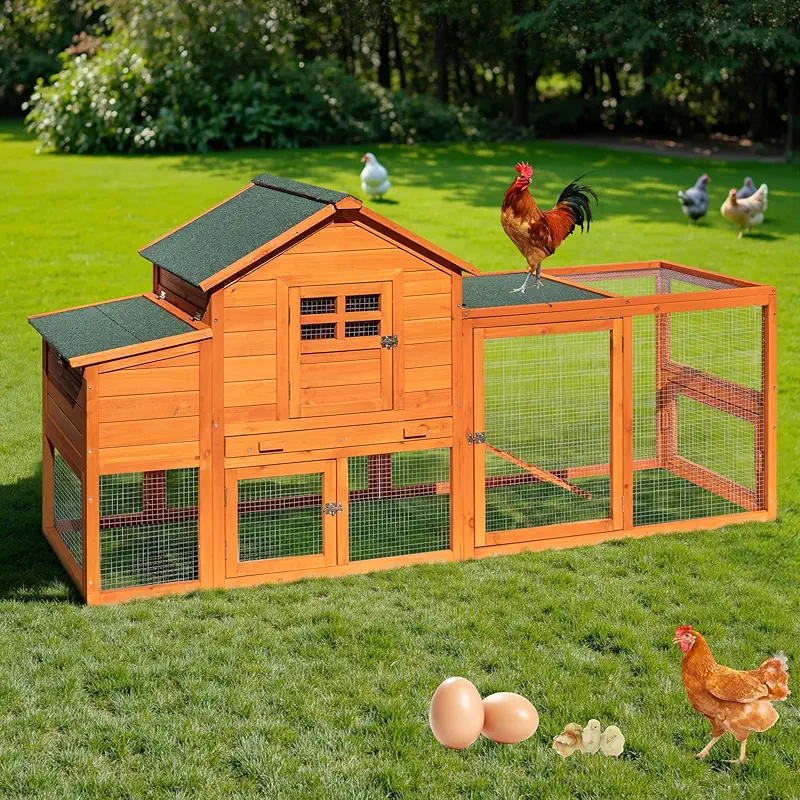
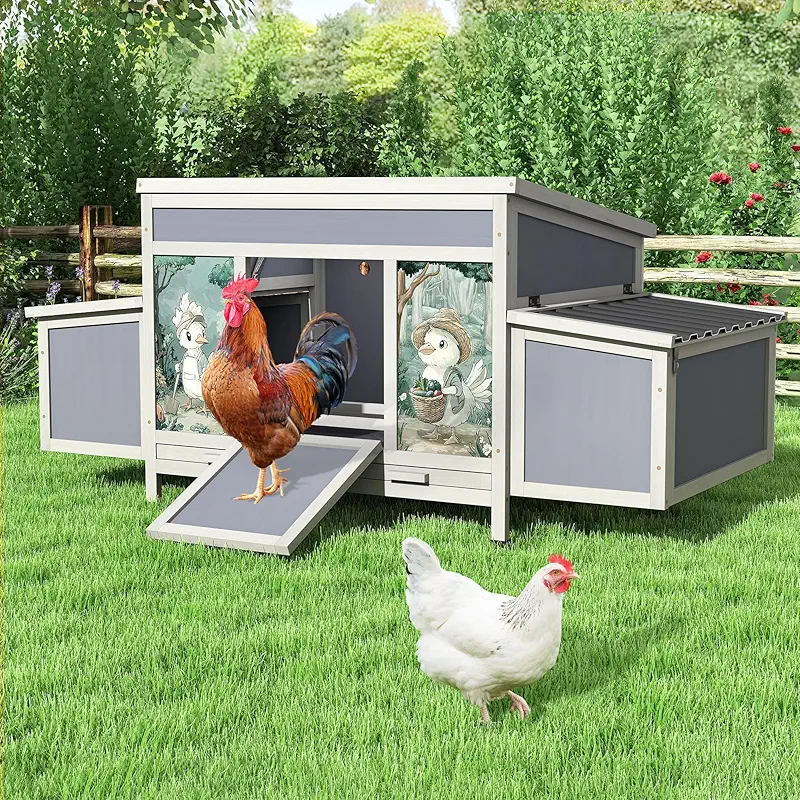
I know that looking at many models can feel confusing. When friends visit and ask, “Which one should I get?” I rarely point at a single choice. Instead, I ask about their hens, their winters, and their backs. Then we look together at a few different wooden coop and run designs and imagine daily life with each one.
My quiet advice is this: choose the coop that makes you picture a calm evening. You walk out, close the door, listen to soft clucks inside, and feel at peace. If a certain design gives you that feeling, and meets the simple needs we talked about—space, dryness, airflow, and safety—it is probably the right one for you and your flock.