Wood chicken coop clearance
Wood chicken coop clearance
Wood chicken coop clearance
When people hear the words “wood chicken coop clearance”, they often think only about low prices.
As a small backyard keeper who has shared mornings and evenings with hens for many years,
I see it a little differently. A good wooden coop on clearance can feel like finding a sturdy old barn at the edge of the field:
humble, solid, ready to keep your birds safe and calm.
I have walked through many seasons with my flock, from shy pullets to slow old ladies who hardly jump anymore.
Over time I learned that a wooden coop is not just a box with a roof.
It is where your birds breathe, sleep, argue, heal, and lay the eggs you proudly carry back to your kitchen.
Why wooden coops feel different for chickens
Over the years I have tried several types of coops: plastic, metal, and many kinds of wood.
My hens always seemed calmer and more settled in wooden houses.
On hot afternoons they rest against the wooden walls and breathe more slowly.
On cold nights they tuck their heads under their wings, and the coop holds the warmth a little better.
Wood is not perfect, of course. It needs care, and clearance models sometimes need an extra screw here or a bit of sealant there.
But wood feels more natural to birds. It softens sounds, keeps the light gentler, and even smells like a place that belongs in a yard.
When you look at “wood chicken coop clearance” options, you are not only looking at bargains.
You are choosing the mood and comfort of your flock.
I still remember one winter when the wind howled over the fields.
I had two coops: a small plastic one and a low wooden coop.
Nearly all the hens decided to sleep in the wooden one, squeezed together on the roosts.
I watched them through the little window: calm, quiet, with their feathers slightly puffed.
That evening taught me how much they trust a sturdy wooden shelter.
Reading wood chicken coop clearance listings with a wise eye
Clearance pages can be confusing. Big pictures, many promises, and sometimes small details that matter a lot for real birds.
I like to sit down with a cup of tea, move slowly through the listings, and imagine my hens actually living inside each coop.
Here are the main things I look for every time, especially when the price seems tempting.
Quick checklist before you fall in love
- Space per bird (aim for generous room, not minimums)
- Solid wood panels, not thin boards that flex
- Strong wire mesh, not soft netting
- Easy-to-clean floor and nest boxes
- Ventilation above roost level, without direct drafts
- Roof that keeps rain from sneaking into seams
1. Space: more peace, fewer arguments
When I first started, I made the classic mistake: I trusted the “X chickens” number in the description.
Then I watched my flock at bedtime. Tight space turned gentle hens into pushy hens.
They pecked more and jostled for the same spot on the roost.
For standard hens, I like at least 4 square feet of indoor coop space per bird, and more if possible.
If a clearance coop says it fits 6 hens, I mentally cut that number in half.
The fewer birds in a coop, the calmer the flock and the cleaner the floor.
Over years of keeping layers, I have never regretted giving them extra elbow room.
2. Wood quality and thickness
Many “wood chicken coop clearance” items use thinner wood panels to keep costs down.
Thin wood can still work, but it will need more gentle handling and sometimes a bit of extra support.
I always look closely at the pictures of the corners, doors, and roof edges.
If I can see daylight through gaps in the photos, I imagine what wind and rain will do there.
A simple trick: look for coops where the frame pieces look solid and the screws are not placed too close to the edge of the boards.
Good framing matters more than fancy trim. The prettiest little house means nothing if a door warps in the first wet season.
Walking through a wooden coop from a hen’s point of view
When I look at a coop on a screen, I imagine myself as my calm old hen, Rosa.
She is gentle and suspicious of change.
So I picture her stepping onto the ramp, finding her place on the roost, and looking around the inside.
Cozy starter size
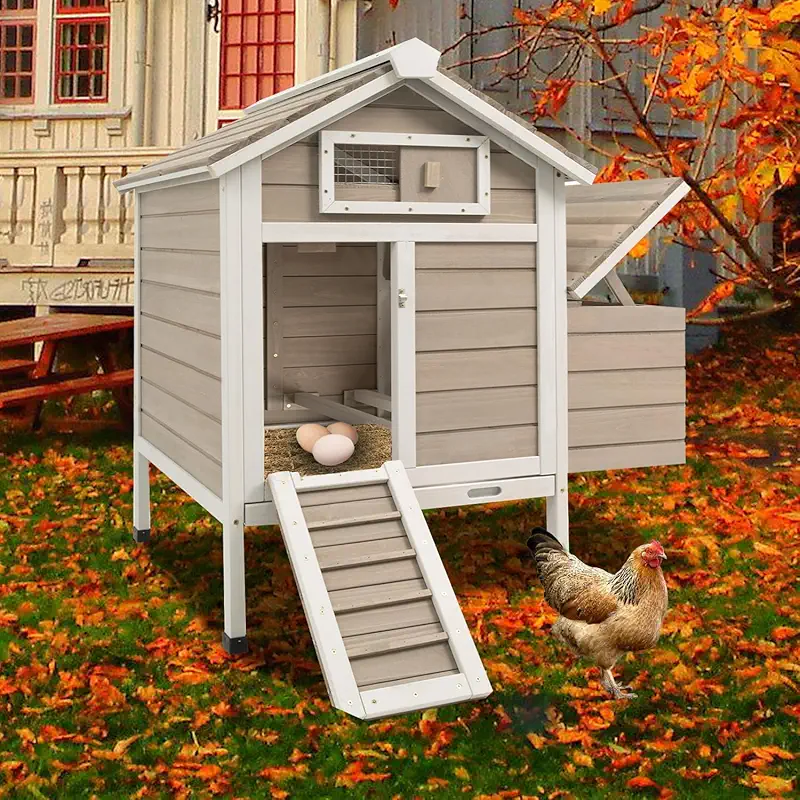
Small wooden coop for a calm trio
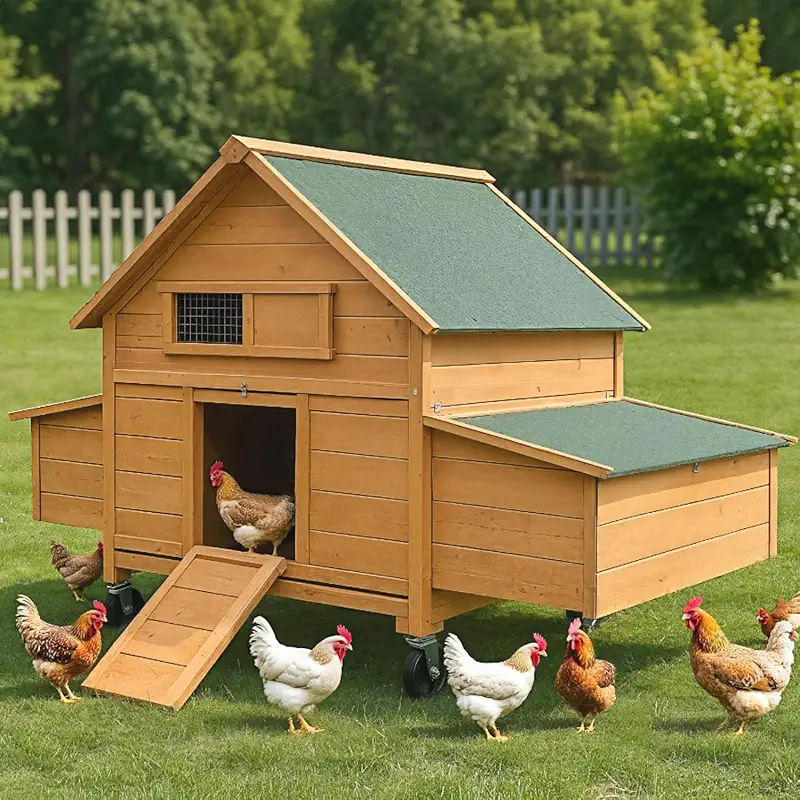
Picture a simple wooden house for 2–3 hens, with one or two nest boxes and a low roost.
This kind of coop, often seen on clearance pages, is perfect for someone just starting out or for a tiny flock of sweet backyard birds.
Often the gentlest prices live here.
I like small coops for older hens that do not jump high anymore.
Easy ramp, low doorway, simple daily cleaning.
This size feels right
Room for a flock
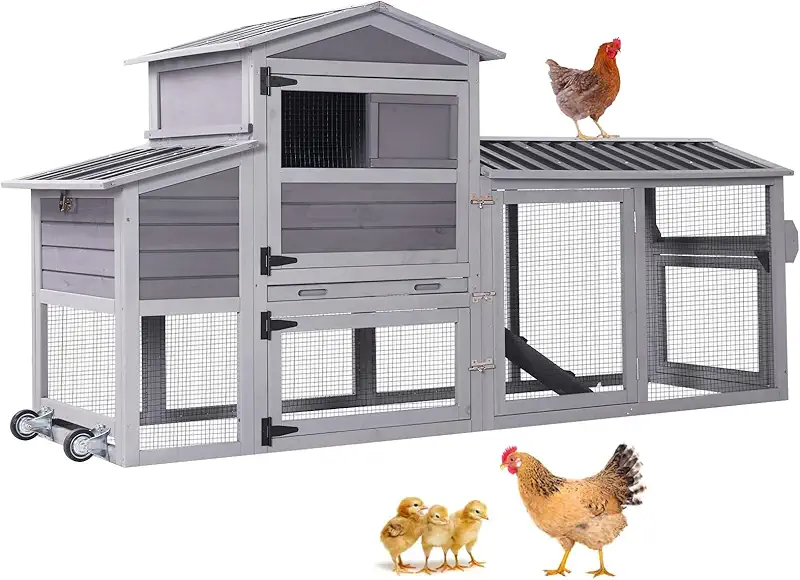
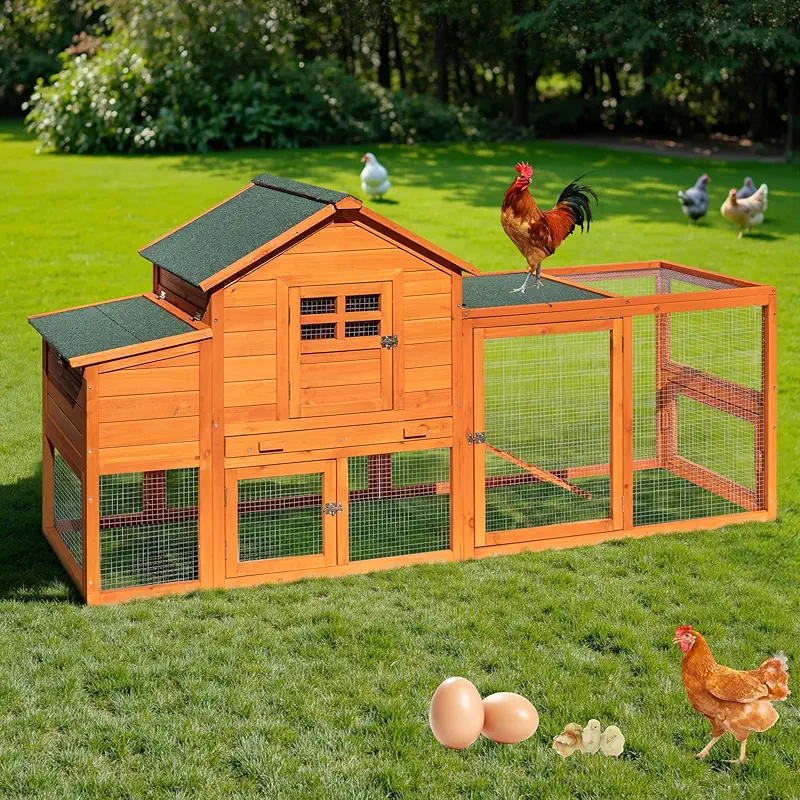
Medium coop with run attached
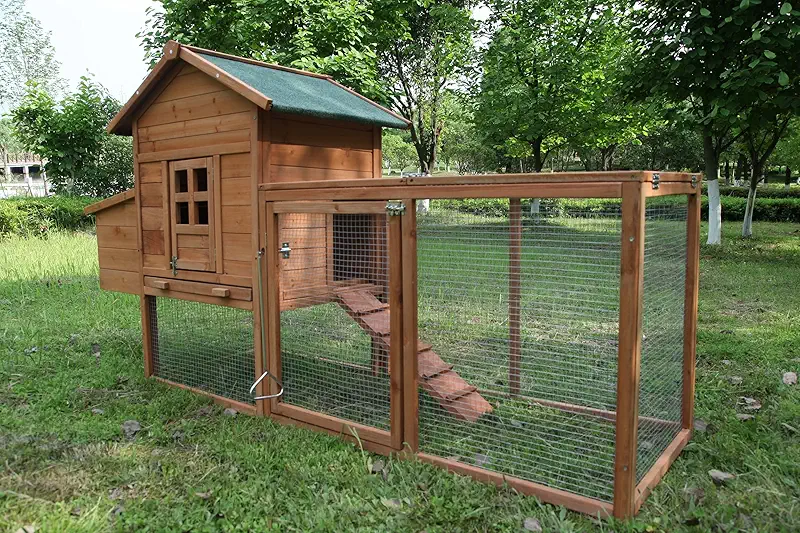
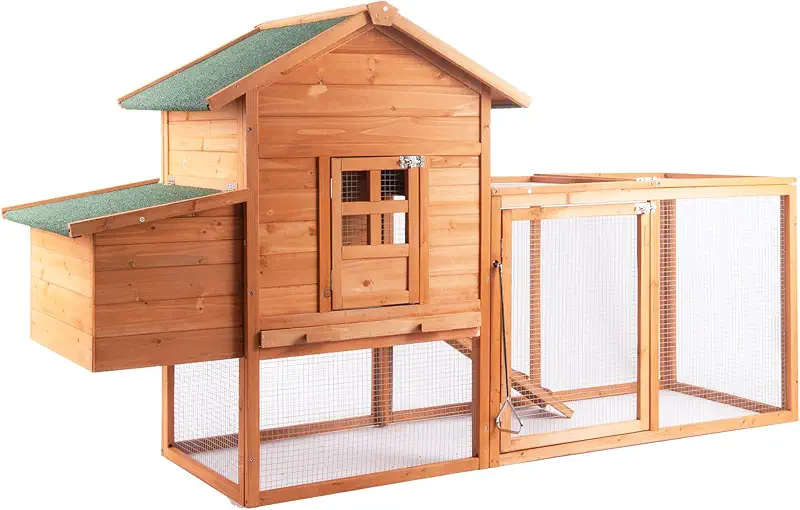
Many clearance listings show a wooden house with a wire run in front.
These work well when your birds spend part of the day outside the run and part inside.
I like long, low designs where hens can stretch their wings and dust bathe under cover.
Clearance can help you step up in size.
If the run height looks short in the pictures, I add extra perches or crates so the birds can hop around.
I can imagine my hens
For bigger dreams
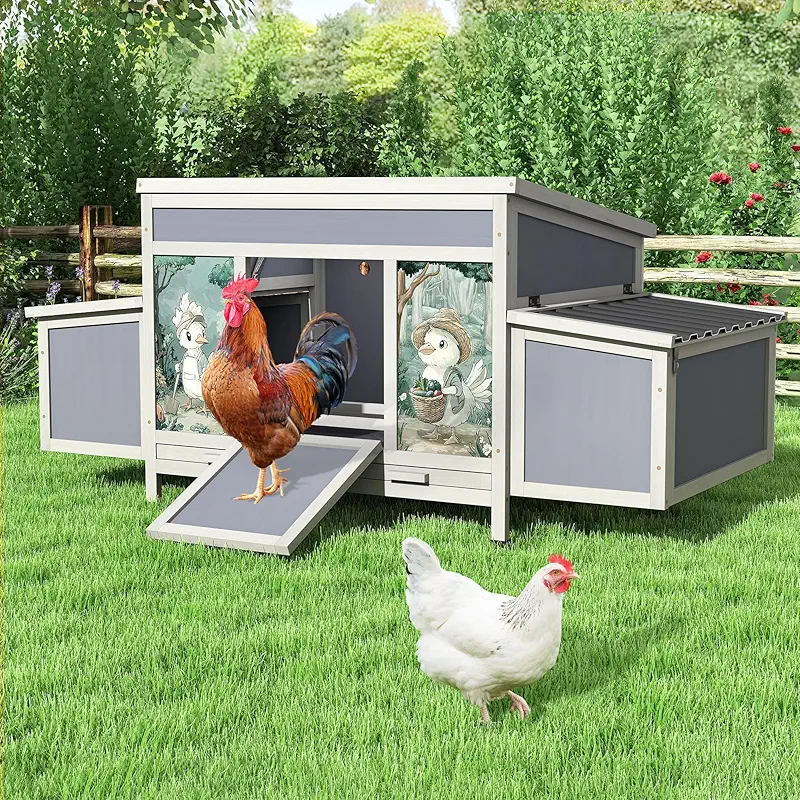
Large wooden coop with several sections
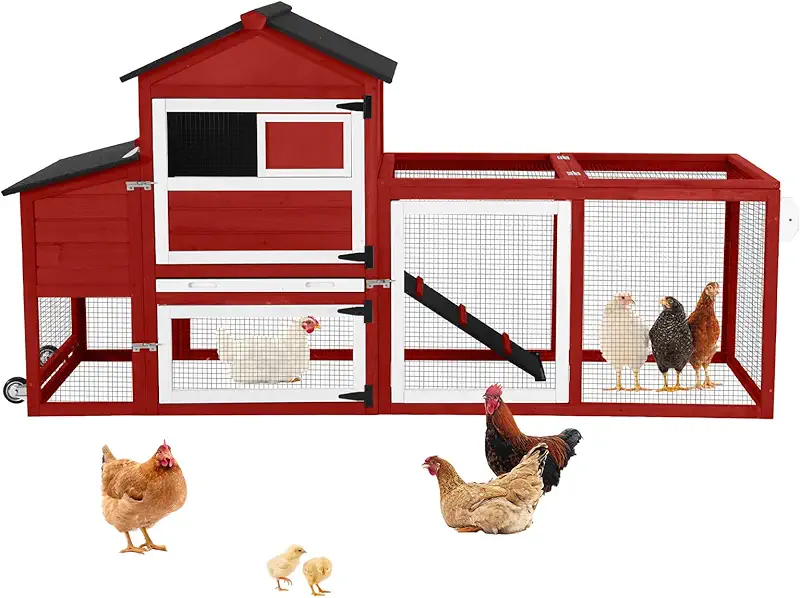
Some wooden coops on clearance come with multiple doors and sections.
I like these because I can separate young birds, broody hens, or a shy soul who needs a quiet corner.
Clearance makes this size feel reachable.
Just remember: bigger coops need more time for cleaning, so think about your daily rhythm before choosing.
Maybe this is us
How I gently prepare a new clearance coop
When a new wooden coop arrives at my place, I do not rush to put hens inside.
I treat it like bringing a new barn to life.
Clearance coops in particular sometimes need a bit of quiet care before they are truly ready.
Checking every corner with calm hands
I start by running my fingers along the edges and inside corners.
If I feel a rough spot, I sand it lightly.
If I see a small gap, I add a bit of sealant or an extra piece of wood.
My goal is simple: no sharp edges, no big drafts, and no spots where water can sneak in.
Then I check all the latches.
If a door does not close flat, I adjust the hinges or add a second latch.
Foxes, raccoons, and even clever neighborhood dogs love a weak latch.
My hens trust me to think like a predator for a moment, so they can sleep completely at peace.
Protecting the wood from weather
Many wood chicken coop clearance deals come with basic wood treatment, sometimes thin.
I like to add an extra layer of protection.
A gentle, animal-safe wood sealer helps the coop last through wet springs and cold winters.
I pay special attention to the bottom edges, roof line, and spots where the rain will hit first.
I learned this the hard way.
One of my early coops soaked up rain along the bottom boards.
In two years those boards began to soften and twist.
Since then, I always lift the coop a little off the ground with bricks or blocks and seal the lower edges carefully.
It is quiet work, but it adds years to the life of the coop.
Daily life in a wooden coop: what really matters
Lovely product photos cannot show you the smell of the coop after a rainy week,
or the way shavings slide out when you clean.
Those are things you feel only after living with birds every day.
When I guide friends through wood chicken coop clearance choices,
I try to share the little details that make daily life easier.
Ventilation that feels like soft breathing
Good wooden coops let moisture escape without chilling the birds.
I like vents high up, above roost level, with small openings covered by strong mesh.
In winter, I can close part of the vent if needed, but there is always some gentle airflow.
Roosts and nest boxes that feel natural
Chickens like to sleep higher than the nest boxes if they can.
In many clearance coops, the roosts are just simple wooden bars.
I check that they are not too narrow, so feet can rest flat.
If needed, I replace them with a wider piece of smooth wood.
For nests, I prefer quiet, dim corners.
If the coop window shines straight into the nest box, I sometimes hang a small curtain of cloth.
Hens like a private place to lay, and a calm nesting hen means fewer broken eggs and less stress for everyone.
Cleaning without a struggle
When I think about a potential coop, I imagine cleaning it on a cold, wet morning when I am tired.
Can I reach all the corners without crawling inside?
Do the trays or floors slide out easily?
Is there a door big enough to scoop bedding with a shovel?
Wood can hold smells if it stays damp,
so I keep a simple routine: dry bedding, regular airing, and quick checks after storms.
With this rhythm, even a modest clearance coop can stay sweet and fresh for years.
Clearance does not mean careless: keeping hens safe
Many people worry that a wood chicken coop clearance item must be weak or unsafe.
Sometimes clearance simply means last season’s design or a warehouse making room.
Your job is to bring wisdom and care to the choice.
Stronger protection
Look closely at the wire
I always zoom in on the mesh.
I prefer firm welded wire rather than thin, soft netting.
If I see wide openings that a small paw could reach through,
I plan to add hardware cloth over those areas.
I’ll inspect the mesh
Dry feet, dry hearts
Protecting from mud and puddles
Wooden coops should never sit right on wet ground.
If your yard holds water after rain,
pick a slight rise or add a simple base of blocks.
Hens hate cold, wet floors as much as we do.
I’ll plan the spot
Quiet nights
Doors that stay truly shut
On a dark night, one loose latch is all a predator needs.
I like coops where the main door closes against a frame,
with a latch that cannot be shaken open.
If the listing photos show thin hooks, I plan to add my own sturdy locks.
I’ll be extra sure
My gentle routine for happy hens in a wooden coop
No matter which “wood chicken coop clearance” choice you make,
what truly shapes your flock’s happiness is the quiet routine you build around it.
My own routine is simple, but it has carried many birds through many years.
In the morning, I open the coop door and listen.
A healthy flock greets the day with low, content sounds, not frantic noise.
I glance at the bedding, note any damp or messy corner, and remove it right away.
I check the nest boxes for eggs and broken shells.
In the evening, I count heads on the roost.
If a hen is on the floor or hiding in a corner, I gently lift her up and see if something is wrong.
Wood coops, with their soft walls and low ceilings, make these small checks feel easy and natural.
Once a week, I open all the doors, remove most of the bedding,
and let the empty coop breathe in the fresh air.
A simple wooden house, kept dry and aired, will serve your birds far longer than any bright feature in the product description.
Peaceful layout
Choosing a coop that fits your rhythm
When you browse clearance coops, think about your own days.
Do you have five quiet minutes in the morning and ten in the evening?
Pick a layout that matches that.
Doors you can reach without bending too much,
nest boxes you can check without a struggle,
and a roof that does not drip on you while you work.
This could suit my days
Frequently asked questions about wood chicken coop clearance
Are clearance wooden coops safe for my hens?
They can be, if you bring a careful eye.
Clearance usually means a price decision, not that the coop is broken.
Before using it, check all joints, tighten screws, add extra latches,
and cover any weak wire with stronger mesh.
With these simple steps, many clearance coops become safe and steady homes.
How many chickens should I put in a clearance wood coop?
I always aim for fewer birds than the listing suggests.
If a model says “6–8 hens,” I think “3–4 hens.”
This gives them room to move without stress,
helps keep the air dry,
and makes cleaning much easier.
A smaller, calm flock often lays better and lives longer.
Do wooden coops on clearance last long?
With gentle care, yes.
Even lighter wood can last for years if kept off wet ground,
sealed against the weather,
and checked from time to time.
I have a modest wooden coop that came from a discount page many years ago.
Because I lifted it on blocks and sealed the edges,
it still feels strong and smells clean.
Is a wooden coop hard to clean?
It depends more on the design than the material.
If the doors open wide and the floor is smooth,
cleaning is simple.
I line the floor with dry bedding,
scoop out the dirty spots often,
and do a deeper clean once a week.
Wood does not have to be a problem if it stays dry and gets a chance to air out.
How do I choose among many wood chicken coop clearance options?
Start with your birds and your life, not the pictures.
Ask yourself:
How many hens do I truly want?
How often can I clean?
What kind of weather do we have?
Then look for a coop that fits those answers first.
After that, compare the photos, read the details slowly,
and trust the quiet feeling you get when one design just seems to match your flock.