
Outdoor wooden chicken coop
Outdoor wooden chicken coop
A warm, safe little home for your hens is where all the calm mornings and fresh eggs begin.
I have been living with hens for many years now, and every season reminds me of the same truth: a good outdoor wooden chicken coop is more than a box with a door. It is a small world where your birds feel safe, dry and respected. When the coop is right, the flock settles, the pecking calms down and egg baskets get heavy.
In this page I will walk you through what I have learned, coop after coop, from leaky roofs to drafts that made my oldest hen, Daisy, shiver on winter nights. If you are looking at different wooden coops and wondering which one will really keep your birds happy, I will share the same simple tests I use before I trust any coop with my girls.
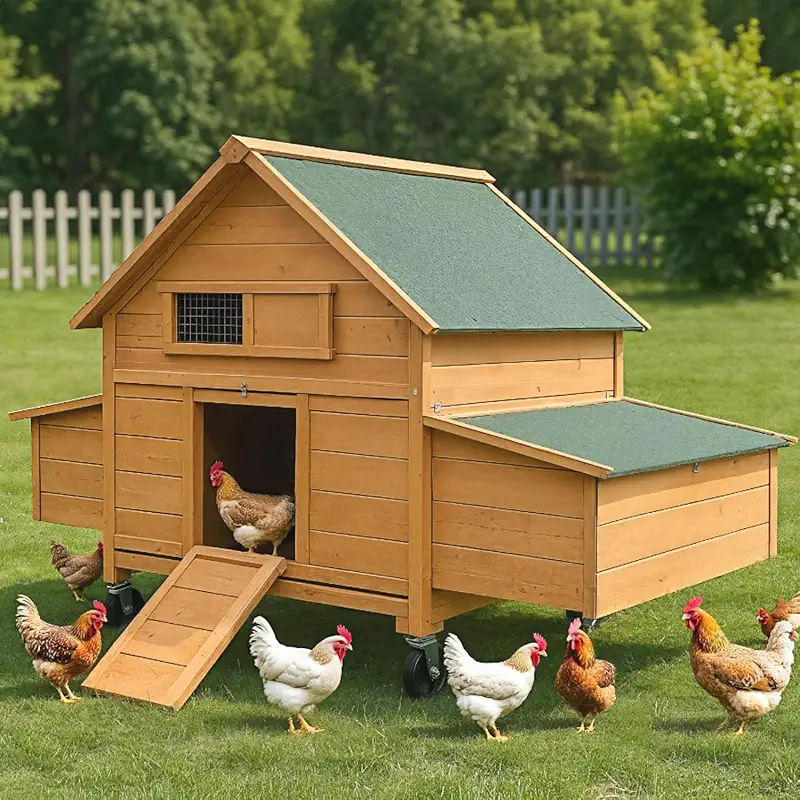
Take a slow look around before you decide
When I feel unsure about a new outdoor wooden chicken coop, I like to quietly look at a few models, imagine my birds in them, and listen to that little gut feeling that says “yes, they’ll be comfortable here”.
Let me browse calmlyWhy an outdoor wooden chicken coop feels like home to hens
Chickens are simple souls, but they are also very sensitive. They feel every draft, every shadow, every strange noise in the night. A solid outdoor wooden chicken coop wraps them in something that feels natural and steady. Wood does not echo the way metal does, and it does not trap heat like plastic. It breathes, just enough, and that makes a quiet, soft space inside.
When I first moved my flock from a flimsy wire run into a proper wooden coop, I noticed it the very first evening. Instead of pacing back and forth at dusk, they walked in, hopped on the roosts and settled in almost without a cluck. That was my sign: they trusted that new wooden house far more than the old one.
The good thing with an outdoor wooden chicken coop is that it suits the birds and it suits us humans too. It is easy to repair with simple tools, easy on the eyes in a garden, and it does not feel harsh when you lean your arm or your head against it while you check on a broody hen late at night.
Key things I always check before choosing a coop
Over the years, I have made my share of mistakes. I have bought pretty little coops that looked lovely in photos but turned out too cramped, too thin, or too hard to clean. Now, when I look at any outdoor wooden chicken coop, I always run through the same list in my head.
1. Space and comfort for every hen
Chickens do not like to feel trapped. When they are squeezed together, the gentle girls get picked on, and the bossy ones get even bossier. Inside the coop, I like to give at least:
- Enough floor room so the birds can move without stepping on each other.
- Roosting bars with space for each hen to sit side by side without pushing.
- Nest boxes that feel dark and quiet, away from the noisier part of the coop.
I once tried a smaller coop for four hens. It looked fine, but on hot nights they panted and stretched their wings trying to get air. I could feel their discomfort. Since then, I always lean toward a bit more room. Hens do not complain with words, but they speak clearly with their bodies.
2. Predator protection that lets you sleep at night
Nothing breaks my heart like the idea of something getting into the coop at night. Foxes, raccoons, dogs, even rats can test every weak spot. So with every outdoor wooden chicken coop I consider, I imagine a hungry animal pushing, digging and gnawing.
- Doors and latches must close firmly, with no wobbly parts.
- Wire should be sturdy, not thin and bendy like cheap mesh.
- The base should sit solid on the ground, not leaving gaps for paws or teeth.
My own rule is simple: if I can wiggle a panel or flex the wire with my hands, a determined predator can probably do the same. A strong coop gives me quiet nights and calm mornings.
3. Ventilation without harsh drafts
Many people fear cold more than damp air, but in my experience dampness is what harms hens most. A good outdoor wooden chicken coop lets fresh air in high above the birds’ heads, so moist air can escape while their bodies stay out of the draft.
When I walk inside a new coop for the first time, I do a simple test. I close the door, breathe slowly and see how the air feels after a minute. If it already feels stuffy to me, it will surely feel heavy to six or eight breathing chickens during the night.
Real-life lessons from my own outdoor wooden chicken coops
I have lived through storms that ripped tarps away, long heat waves and icy winters where water froze solid by mid-morning. My outdoor wooden chicken coops have been tested by all of it. Let me share a few lessons that might save you and your hens some trouble.
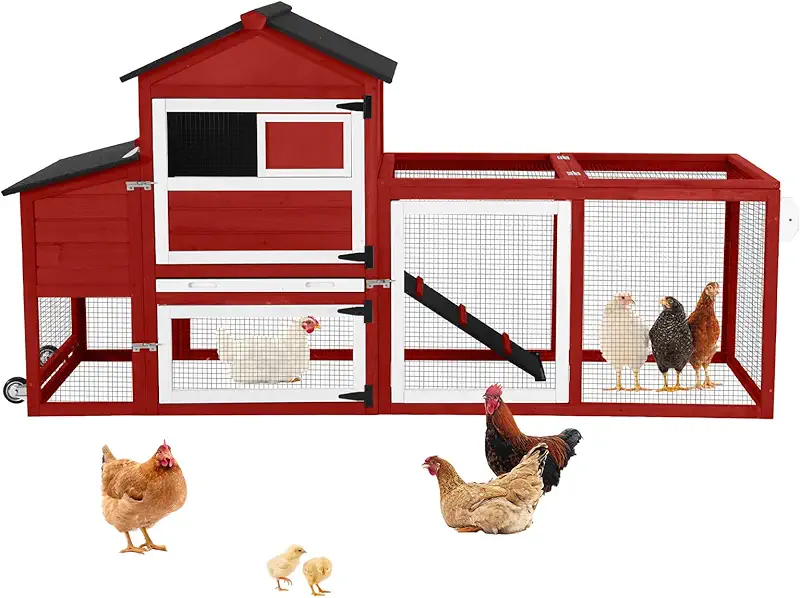
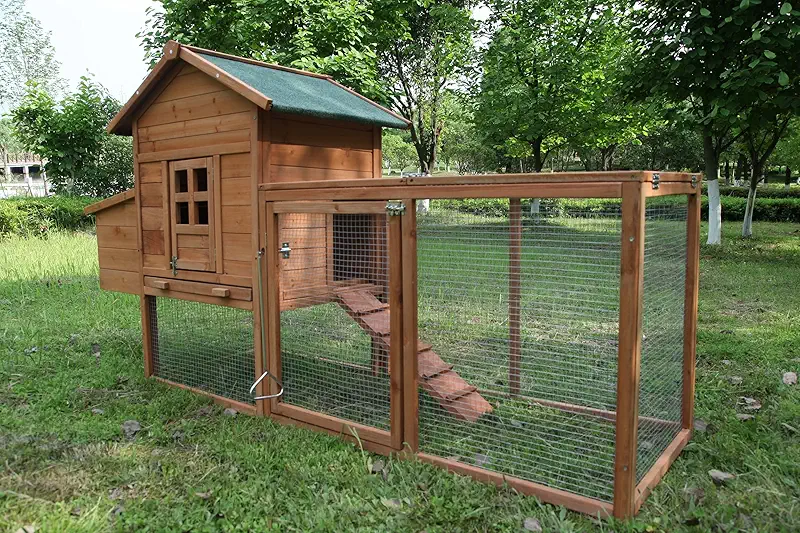
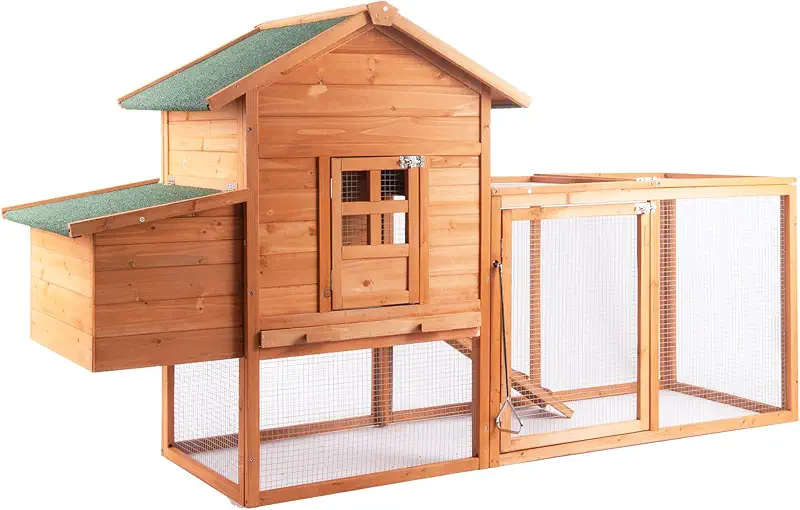
Different outdoor wooden chicken coop layouts can change how your hens move, rest and nest.
The rainy spring that taught me about roofs
One wet spring, the rain just did not stop. My older coop, a simple sloped-roof wooden house, began to show its limits. Water started to creep under a poorly sealed edge and drip down the inside wall. I noticed because one evening the shavings under the roost were damp and cold. My hens did not complain, but their feet told another story.
Since then, I always pay careful attention to the roof on any outdoor wooden chicken coop:
- Good overhangs help keep rain from soaking the entrance and the nest boxes.
- A gentle slope or pitched roof lets water slide off instead of sitting and seeping in.
- Decent roofing material (felt, shingles or metal over the wood) gives long-term protection.
A dry coop smells like clean wood and straw. A damp one smells sour. I trust my nose more than any product picture or description.
The hot summer that showed me the power of shade
Another year, a brutal heat wave rolled in. My main outdoor wooden chicken coop sat in full afternoon sun. Inside, the temperature climbed fast, and I saw my hens standing with wings slightly lifted, trying to cool themselves. I felt guilty. Their home should never have turned into an oven.
Now, when I plan where to place a wooden coop outside, I think:
- Morning sun, afternoon shade is ideal, if trees or a building allow it.
- Light-colored roofs reflect more heat than dark ones.
- Side vents with secure wire help hot air escape while keeping predators out.
No coop can fix a bad spot in full harsh sun, but the right placement can make even a simple wooden house feel fresh enough for the birds.
The quiet joy of a well-placed nesting box
Nest boxes may look like just small crates, but to a hen they are her safe little cave. I still remember how my shy hen, Clover, refused to lay in the bright, noisy nest just beside the door. She only started to lay calmly when I moved her preferred box to a darker corner of the outdoor wooden chicken coop, away from the bustle.
Now, I always look for:
- Nest boxes slightly lower than the roosts, so hens do not sleep in them.
- Easy access from outside with a lid, so I can collect eggs without disturbing the whole flock.
- Enough nests (about one box for every three or four hens).
When nest boxes are right, the morning egg round feels peaceful, not like a treasure hunt under grumpy feathers.
Choosing an outdoor wooden chicken coop step by step
If you feel a little overwhelmed by all the choices out there, that is perfectly normal. Let us take it slowly and walk through the main steps together, just as I would with a neighbor standing in my yard, pointing toward the flock.
Step 1 – Think about your flock today and tomorrow
Before looking at any specific outdoor wooden chicken coop, I sit with a cup of tea and ask myself:
- How many hens do I have now, and how many might I gently add later?
- Are they heavy, calm breeds or light, active ones that like to move a lot?
- Do I plan to keep a rooster, who will need a bit of extra space and height?
Planning for the future avoids the sad moment when you realize the coop you loved last year is now too tight. Hens are addictive; many of us quietly add “just two more” once we fall in love with them.
Step 2 – Match the coop to your climate
An outdoor wooden chicken coop in a mild area can be simple and airy, while in very cold or very hot climates we have to be more careful.
In colder regions, I look for:
- Sturdier, thicker walls that hold warmth better.
- Smaller, higher vents that can be partly closed on stormy nights.
- A raised floor to keep feet dry and away from snow puddles.
In hotter places, I care more about:
- Good cross-ventilation with secure wire openings.
- Shade options and possibly a lighter-colored roof.
- Extra covered space where hens can rest out of direct sun.
I do not chase perfection. I simply look for a coop that gives me a gentle starting point, one I can improve with small tweaks like extra shade cloth or windbreak panels.
Step 3 – Make cleaning easy on your back and your patience
If cleaning the outdoor wooden chicken coop feels like a fight every week, we naturally start putting it off, and the hens end up living in a mess they do not deserve. So I choose coops that are kind to my back and my time.
- Big doors that open wide so I can reach every corner.
- Removable trays or floors where I can quickly scrape droppings.
- Roosts I can lift out for a deep clean when needed.
I like to step inside, look around and imagine myself doing a quick weekly clean. If it feels like a simple, five-minute job, I know I will stick with it, and my hens will enjoy a fresh, dry home.
Give yourself time to compare
When I mull over different outdoor wooden chicken coop designs, I often flip back and forth between them, imagining where the feeder would hang, where the water would go, and how my shyest hen would move inside.
I want to picture thisSimple setup tips for your new outdoor wooden chicken coop
Bringing a new coop into your yard is a special moment. I still remember the smell of fresh wood, the sound of hinges opening for the first time, and the way my hens eyed the new structure with that curious little tilt of the head. A bit of gentle preparation makes this transition calm and easy for everyone.
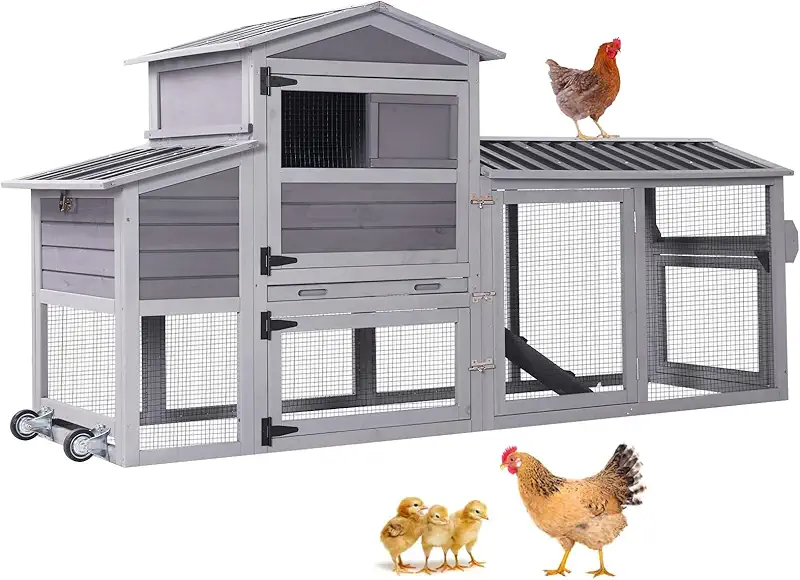
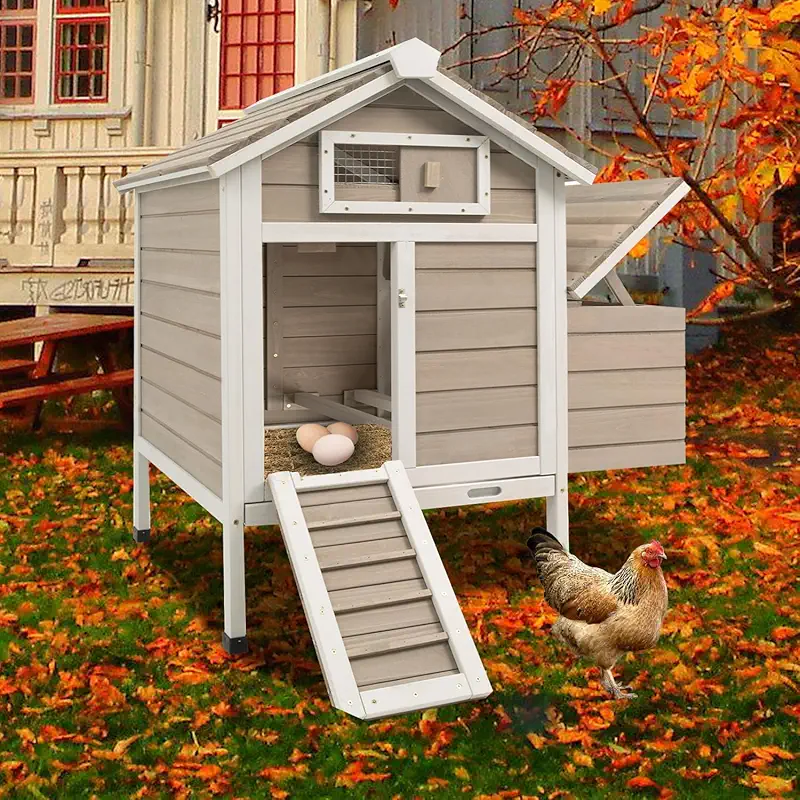
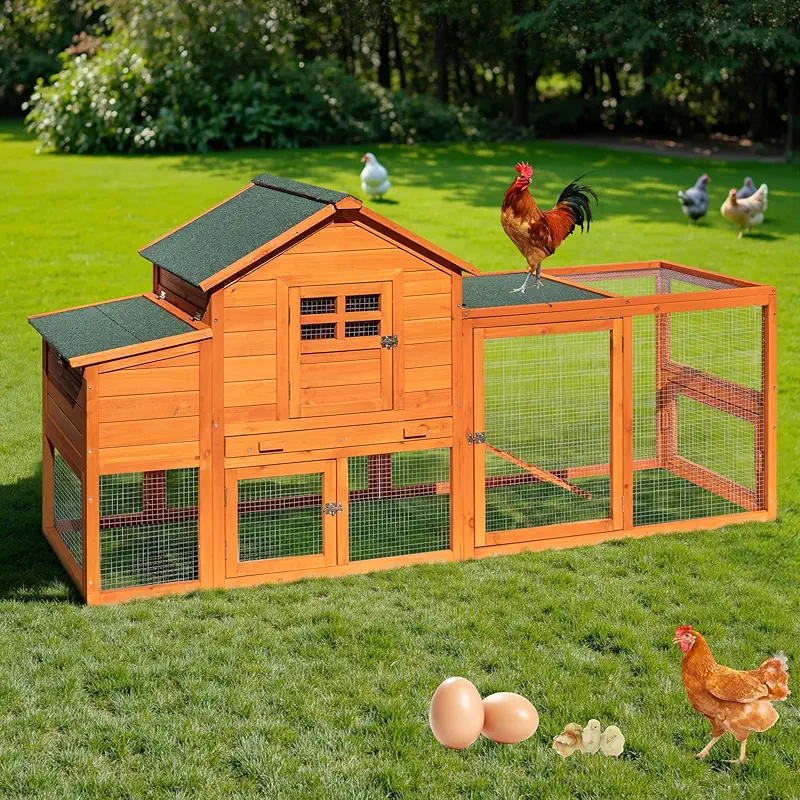
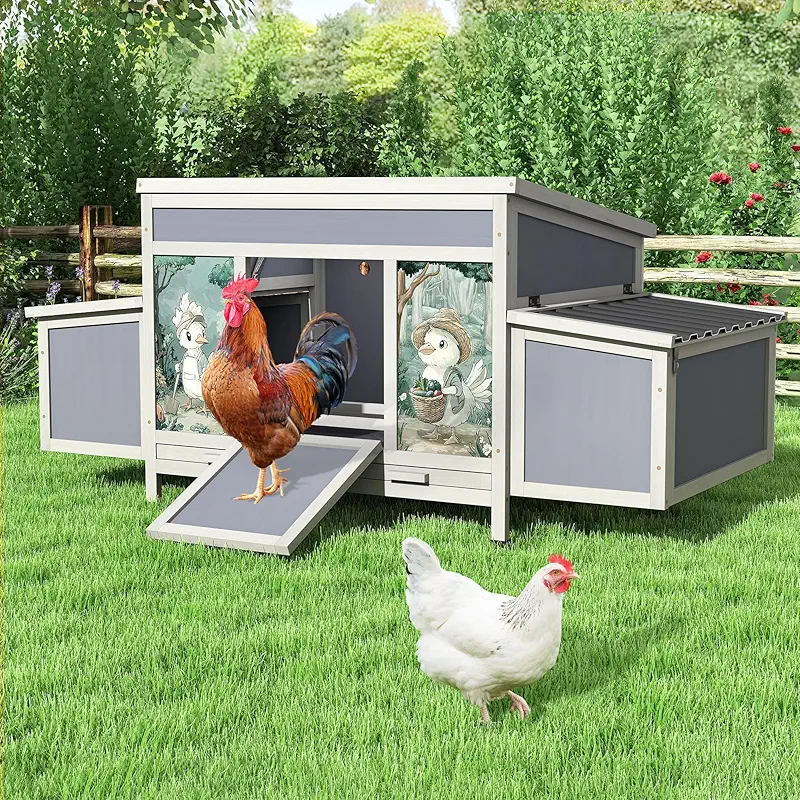
A well-arranged outdoor wooden chicken coop turns daily care into a calm, simple routine.
Pick the right spot in your yard
The best coop in the wrong place can still make life hard for your hens. When I walk around my garden with a new outdoor wooden chicken coop in mind, I look for:
- Ground that drains well and does not stay muddy after rain.
- A place where I can easily reach the doors in any weather.
- A bit of natural shade from trees or buildings, if possible.
I also think about where the noise and smell will travel. Hens at dawn can be joyful but loud. Placing the coop where it bothers no one keeps peace with neighbors and family.
Arrange the inside like a quiet little village
Inside the outdoor wooden chicken coop, I like to imagine a tiny village. Each area has its own purpose: sleeping, eating, laying. When these spaces are clear and well separated, the flock seems more settled.
- Roosts higher than the nest boxes so hens sleep there, not in their own eggs.
- Nest boxes in a dimmer, quieter area, with soft bedding.
- Feed and water slightly away from the nests, so spills do not wet the bedding.
I watch how my hens use the space during the first week and adjust things if needed. They are very good at telling us, with their behavior, what feels natural and what does not.
Make night-time closing easy and gentle
Closing the outdoor wooden chicken coop at dusk is one of my favorite moments of the day. The light is soft, the birds are already sleepy, and the garden feels quiet. To keep this routine easy, I make sure:
- The main door opens and closes smoothly, with a latch I can manage even with gloves.
- The ramp has good grip so the hens can walk up without slipping in wet weather.
- I can see well inside at night with a simple flashlight check.
When the last hen hops up the ramp and settles, I feel that familiar little warmth in my chest. Their safety is in my hands, and the coop is the tool that lets me keep that promise.
Let your heart and your hens guide you
Every flock and every yard is a bit different. As you look through various outdoor wooden chicken coop options, notice which ones make you picture your hens calm, dry and curious, scratching just outside the door.
I want to see optionsOutdoor wooden chicken coop – Frequently asked questions
I like to think in terms of comfort rather than strict numbers, but having a guide helps. For the indoor part of the coop, giving around 3–4 square feet per hen for standard breeds is a gentle minimum. Light, active breeds may enjoy a bit more room, while small bantams can be content with slightly less.
I also look at roost space. I try to give each hen enough bar length so she can sit with wings relaxed, not squeezed between neighbors. If you look at a roost and imagine yourself trying to sleep shoulder to shoulder every night, your instincts will tell you if it is too tight.
A well-built outdoor wooden chicken coop can last many years, especially if we treat it kindly. Sun, rain and snow will slowly wear on any wood, but there are simple ways to help it age gracefully. I like to raise the coop slightly off the ground so the base stays dry, and I protect the roof well so water runs off.
A gentle wood seal or animal-safe paint on the outside can also help. I walk around my coops a few times a year, looking for any soft spots or cracks. Fixing small things early keeps the whole structure strong, and my hens never have to live in a drafty, leaky house.
In most climates, a solid outdoor wooden chicken coop with good ventilation but no strong drafts is warm enough for healthy adult hens. Chickens wear their own little feather coats. They huddle together on the roosts and share heat. The real enemy in winter is damp air, not the cold itself.
I focus on keeping the coop dry, blocking direct wind at bird level, and making sure the bedding under the roost stays clean. If my birds’ combs and feet are dry and the air inside smells fresh, I know they are coping well, even if the outside air bites at my cheeks.
I prefer many small, calm cleanings over rare, frantic ones. Once or twice a week, usually in the late morning after most eggs are laid, I gently scrape droppings from the area under the roosts and top up the bedding where needed. I talk softly to the birds while I work so they know it is just me.
Every few months, I plan a deeper clean on a dry day. I remove most of the bedding, check the corners for hidden dirt, and let the coop air out for a few hours. Fresh shavings, a handful of herbs if I have them, and everything feels new again. My hens often come back in to explore and scratch around as if they had received a new house.
I have tried both bare boards and covered floors in my coops. For me, the most important thing is that the floor stays dry and easy to clean. A raised wooden floor with a layer of dry bedding (like shavings or chopped straw) works very well. The bedding absorbs moisture and smells, and I can remove it easily.
I avoid any flooring that stays damp or is hard to scrape. When my boots stay dry while I do my morning rounds, and I can scoop out soiled bedding without too much bending or twisting, I know the floor is kind both to me and to the birds that live on it.