
Large wooden outdoor chicken coop
I have shared my yard with hens for many years now. A good large wooden outdoor chicken coop is the quiet heart of the flock. When their home feels safe, dry and calm, the whole yard breathes easier.
On this page I want to talk to you like I would to a neighbor over the fence. I will share what worked for my girls, what failed, and how a solid wooden coop outdoors can keep them warm, safe from predators and happy enough to lay those deep yellow eggs we dream about.
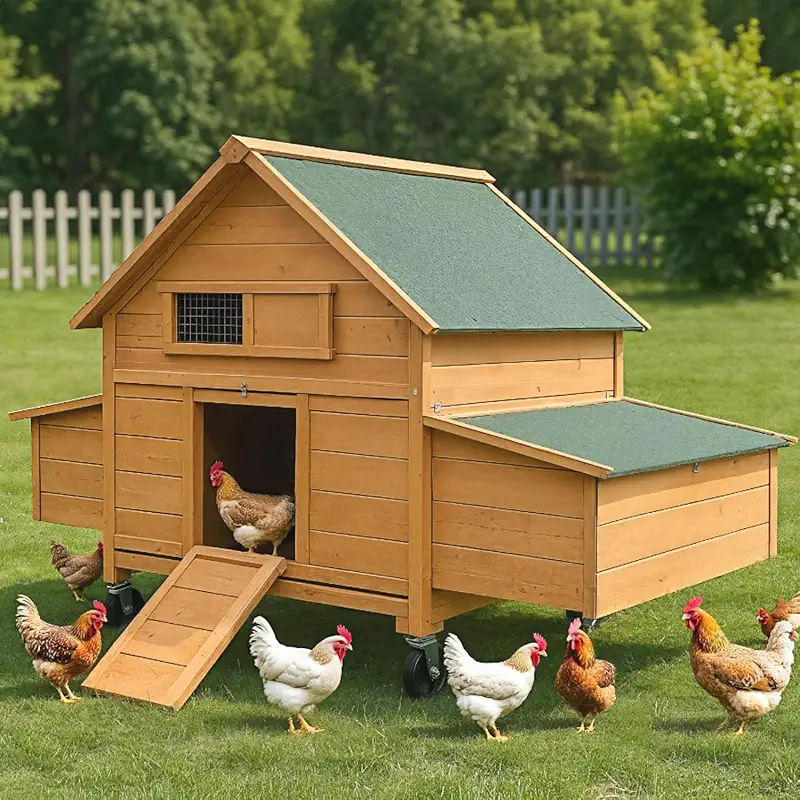
When I brought home my first small coop, I thought it would be enough. Within a year I had more hens, more eggs, and more problems. The coop was cramped, the bedding stayed damp, and the girls began to bicker. Only when I switched to a large wooden outdoor chicken coop did everything finally calm down.
Wood breathes in a way metal and plastic never do. On hot afternoons you can feel the difference with your hand on the wall. Inside, the air is softer, the sounds are quieter, and the birds settle faster at dusk. A coop with enough floor space, good height and a few quiet corners turns nervous birds into gentle ones.
As you look at different wooden coops, keep your own birds in mind. Are they heavy breeds that like to lumber around, or light and flighty? Do you have children who love to visit the nest boxes? The right coop is the one that lets all of you move slowly and calmly together.
Why a large wooden outdoor chicken coop changes everything
Chickens do not ask for much. They want safety, dry feathers, a bit of fresh air and room to do their little routines in peace. When the coop is too small or poorly made, they show it right away: fewer eggs, more noise, sudden fights, even feather pecking. I have seen all of that in the early years.
The first time my flock moved into a truly generous wooden coop, I remember the silence that came with the first evening. No one fought for a perch. The dominant hen did not chase the young ones off the roost. Each bird found her own spot, fluffed her feathers, and closed her eyes. That night I understood how much the coop itself can heal a flock.
- Space to behave naturally: enough room to scratch, stretch wings, and keep distance.
- Softer sound and light: wood absorbs noise and harsh light, which keeps the flock calmer.
- Stable climate: wood warms slowly and cools slowly, which helps in both winter and summer.
- Better air: with well‑placed vents, a large coop keeps ammonia and dampness away.
- Room for you: you can step inside, clean properly and check each bird without squeezing.
Over time I realized that investing in a good coop is really investing in calm mornings, reliable eggs, and fewer health scares. Many problems I once blamed on feed, age or “bad luck” were simply the result of an undersized or poorly planned house.
Before you settle on a model, check that it has enough space, real wood panels, safe locks and nest boxes you can reach without stress. Your future self will thank you every single morning.
When you follow these links, you support my little flock at no extra cost to you. It helps me keep sharing honest, simple chicken care advice.
How much space do hens truly need?
Numbers on paper are one thing. Real life with living birds is another. Many charts say four square feet per hen inside the coop, more for larger breeds. In my experience, those numbers are a bare minimum, a starting point for the calmest birds in the kindest weather.
I once kept eight hens in a coop that was “big enough” according to the books. Technically, they fit. But every rainy day when they had to stay inside, tensions rose. The younger pullets pressed themselves into the corners. The lead hen paced back and forth like a little feathery guard. Eggs dropped from the roost at night because some hens could not reach the nest boxes without being pushed.
When I upgraded to a large wooden outdoor chicken coop with both extra floor space and higher ceilings, the difference was clear even to visitors. Birds spread out, dust‑bathed in quiet corners, and lined up for the nest boxes instead of rushing them.
- Heavy breeds (Orpingtons, Brahmas): aim for 5–6 sq ft per hen inside.
- Lighter breeds (Leghorns, hybrids): at least 4–5 sq ft per hen.
- Roost bar: about 8–10 inches per bird, more if they do not cuddle.
- Nest boxes: 1 box for every 3–4 hens, plus one extra if space allows.
- Human space: at least one spot where you can stand or kneel safely.
If you are unsure, choose the bigger coop. I have never regretted extra space. I have often regretted trying to “make do” with less.
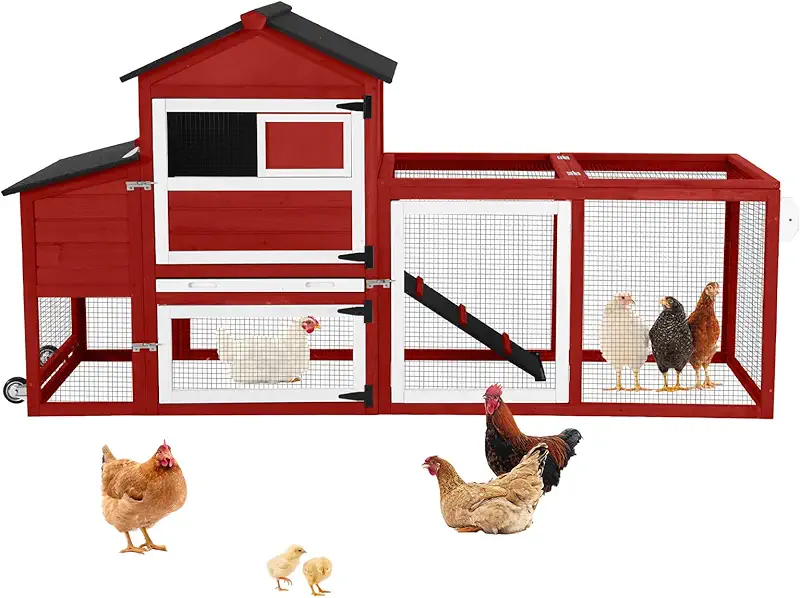
One of my favorite wooden coops has a tall section I can walk into and a lower sleeping area for the hens. The girls use the height to hop on low shelves and feel above ground, while I enjoy being able to step inside with a bucket and broom.
Key features to look for in a large wooden outdoor chicken coop
Over the years I have learned to scan a coop from top to bottom in a few minutes. I do not look first at color or cute trim. I picture a wet winter night, a summer heat wave, or a fox sneaking around, and I ask myself, “Will my girls be all right in here?”
- Solid wood panels: Avoid anything that feels thin or hollow when you knock on it. Thicker wood holds screws better, keeps shape through seasons, and feels warmer to the touch.
- Weather‑proof roof: A sloped or pitched roof with a good overhang keeps rain off the walls and out of the joins. I once had a flat roof that pooled water. In the first storm, it found every tiny gap.
- Real ventilation, not drafts: Look for vents high above roost level, ideally on opposite walls, covered with hardware cloth. Air should move gently without blowing on the birds.
- Strong mesh and locks: Predators are smarter and more patient than we think. Doors should close snugly, latches should not be opened with a quick nose or paw, and wire should be thicker than simple “chicken wire”.
- Easy‑to‑reach nest boxes: Exterior nest boxes with lids save your back, especially in winter when you do not want to crawl inside.
- Removable trays or wide doors for cleaning: The easier the cleaning, the more likely you will actually keep it spotless. Your birds will feel the difference.
A good large wooden outdoor chicken coop does not need to be fancy. It just needs to respect the birds and the person who cares for them. When you see both those needs met, you are close to the right choice.
My daily routine around the coop
To give you a clearer picture, let me walk you through a normal day with my hens and their wooden coop. These little rituals have kept my flock healthy and calm for years.
Morning: fresh air and first check
At sunrise I step out with a mug of warm tea. Before I even open the run door, I listen. A quiet coop means the birds slept well. Loud, sharp clucking often means a predator passed by or something inside bothered them.
I open the pop‑door slowly and watch the first hens step out. Their feathers should look smooth and dry, eyes bright, combs full of color. If anyone lingers or looks dull, I make a mental note to check her later.
After they rush to their feed, I open the big human door of the coop. I take a deep breath inside. The air should smell faintly earthy, of dry shavings and feathers, not of strong ammonia. A large coop with proper ventilation makes this simple sniff test very reassuring.
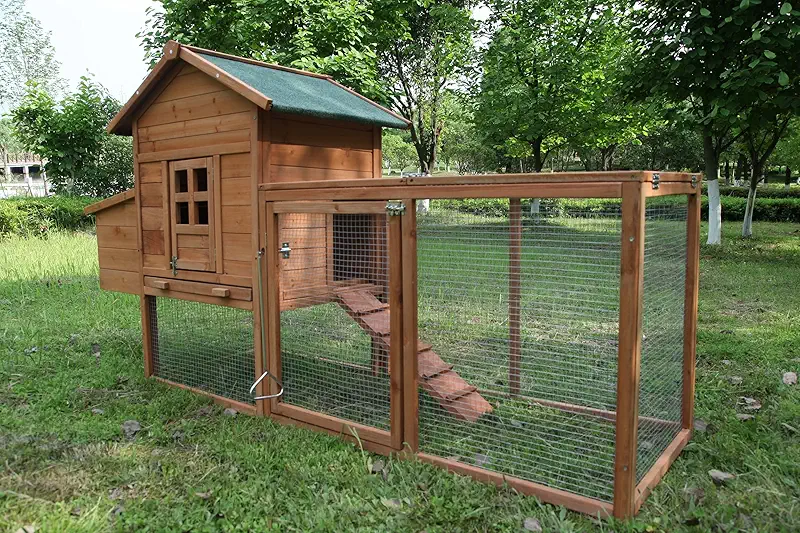
Midday: shade and gentle temperature
In summer, I check the coop again around midday. I place my hand flat against the inside wall. With decent wood and enough air flow, it should feel warm but not burning. The birds often step back inside to rest in the dim light during the hottest hours, so I want that space to be cooler than the bare yard.
When the coop is large enough, I scatter a little scratch grain on the floor or hang a cabbage just inside on very hot days. It gives them a reason to come in where it is cooler and keeps them busy without crowding.
Evening: roosting and night safety
At dusk I like to stand quietly near the coop and watch everyone go to bed. The way hens settle on the roost tells you if your coop is the right size. In a cramped house, there is pushing, wing slapping and grumbling. In a well‑sized wooden coop, birds hop up in small groups, shuffle a bit, then fall silent.
I always count them before closing the door, then I check each latch with my hand. Over the years I have upgraded locks after finding scratch marks or bent wire. I learned that a secure coop lets me sleep as well as the hens.
Setting up your large wooden outdoor chicken coop step by step
Once your coop arrives or you finish building it, take a little time to think like a chicken before moving the birds in. Where will they stand when they first enter? Can they see the roost, the nest boxes, the feeder? Is there a spot where a shy hen can wait her turn?
- Choose the right spot in the yard. Slightly raised ground is best, so rainwater runs away, not under the floor.
- Face the main door away from harsh weather. In many places, that means away from the prevailing wind.
- Lay a deep, dry bedding base. I like a mix of shavings and a little straw, at least a few inches deep, so droppings disappear between cleanings.
- Secure all panels and joints. Wiggle everything. If you can move it, a fox or raccoon can, too.
- Test doors and locks in the dark. You will use them at night; make sure they feel solid and simple then.
- Place feed and water wisely. Keep them away from the roost area so droppings do not fall into them.
The first night in a new coop, I often sit outside for a few minutes after closing up, just listening. If the birds shuffle and cluck for a bit and then fall quiet, I know they are already beginning to trust their new home.
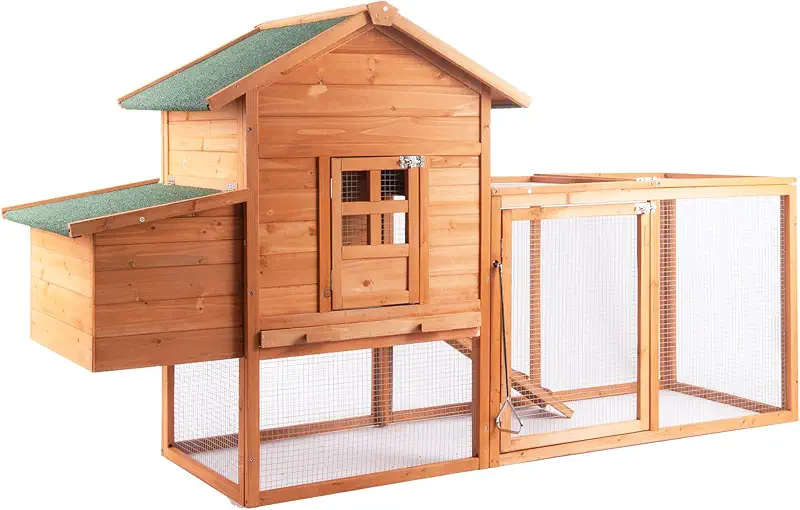
Common mistakes I made (so you do not have to)
My hens have been very patient teachers. They forgave my first clumsy choices and still greeted me each morning. Here are some of the errors I made with coops over the years, and how a better large wooden outdoor chicken coop solved them.
- Underestimating predator strength: I once trusted a simple hook latch. A raccoon opened it in one night. Since then, I use two‑step latches and check wire thickness carefully.
- Ignoring roof overhang: Rain soaked the walls and warped the door. Now I only choose coops with a decent roof lip and good drainage.
- Too little headroom: Low ceilings trapped heat and made cleaning miserable. A taller coop lets heat rise and allows me to step inside without crouching.
- Not planning for more hens: “I’ll only keep four,” I said at first. Then a neighbor needed to re‑home two more. Now I always leave some extra capacity.
- Forgetting winter access: Tiny access doors are fine on warm days, but on icy mornings, bending and twisting is painful. Larger doors with strong hinges make all seasons easier.
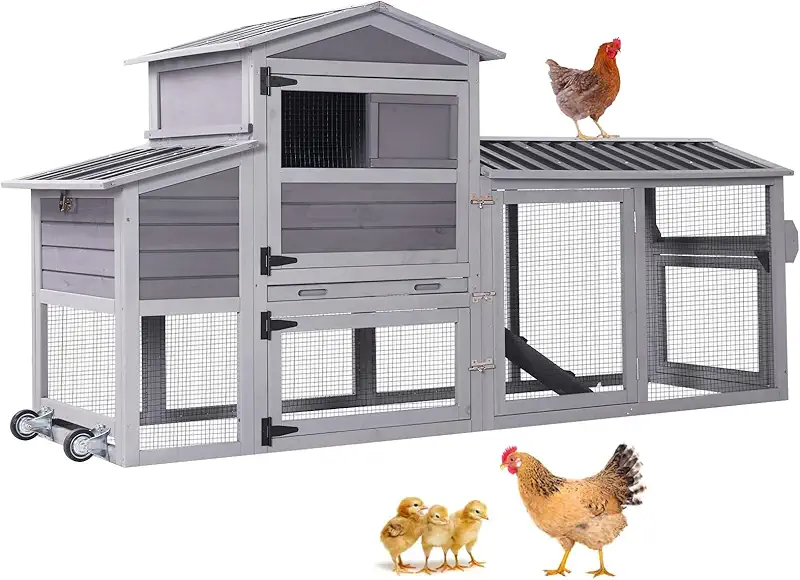
If any of these sound familiar to you, that is all right. Chickens are forgiving, and wood is flexible. A better coop and a few careful changes can turn things around quickly.
When I am unsure about a coop, I read the small details first: exact measurements, door sizes, where the nest boxes sit, how the tray pulls out. Those tiny things decide whether my chores feel heavy or light.
How a good coop supports health and eggs
People often ask me about special feeds or supplements to get better eggs. Those can help, but the most powerful “supplement” is still the coop itself. A dry, draft‑free, spacious wooden home prevents so many problems that you may never need to treat them.
In damp, cramped houses, I used to battle respiratory issues and scaly legs. Veterinarian visits became common. Once I switched to a larger, well‑ventilated wooden coop and kept the bedding deep and dry, those problems simply faded away.
Good housing is not exciting to talk about. It is quiet, steady, almost invisible when it works. But if you look at the brightest flocks, with shiny feathers and regular eggs, you will almost always find a solid coop behind them.
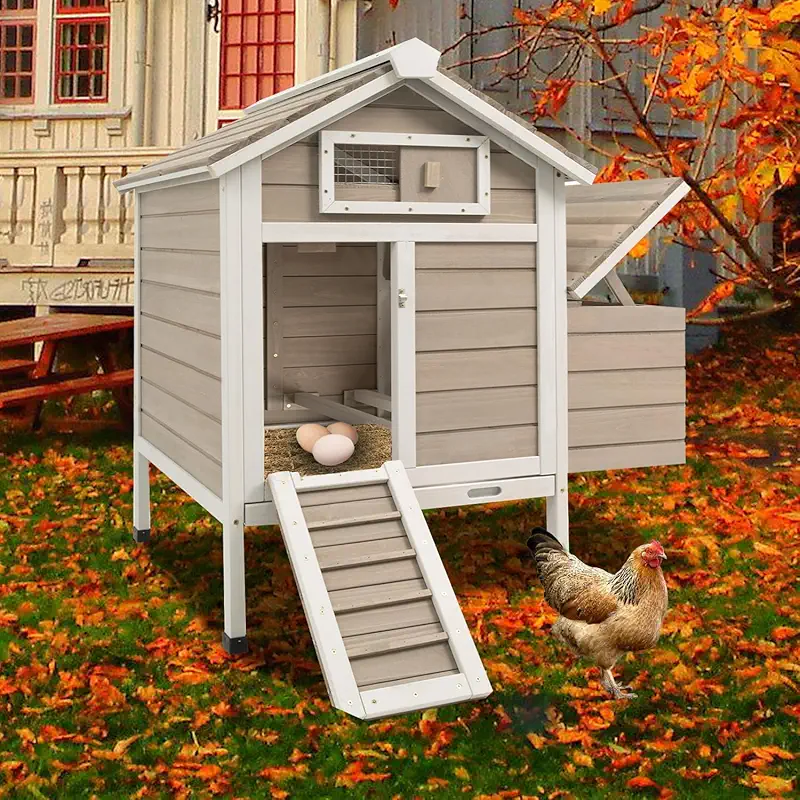
When I collect warm eggs from clean nest boxes in a tidy wooden coop, I feel a deep quiet pride. It means the birds slept safely, breathed well, and felt secure enough to lay. That is all most of us are really aiming for.
Wood care and long‑term maintenance
A large wooden outdoor chicken coop can last many years if you give the wood a bit of respect. Sun, rain and droppings all leave their mark, but small habits keep the structure strong.
Once a year, usually in late spring, I empty the coop completely. I scrape any stubborn spots, let the sun reach every corner, and check each board for softness, cracks or damage. If something feels spongy, I repair or replace it before it becomes a real problem.
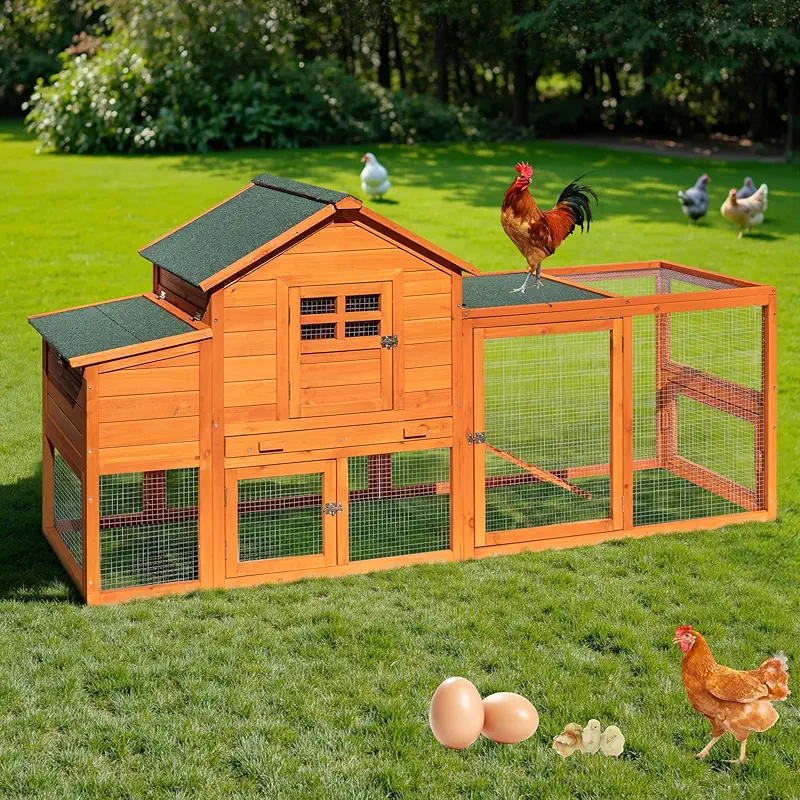
I also like to treat the outside of the wood with a safe, animal‑friendly finish every few years. It keeps the rain out and brings back that warm, rich color that looks so beautiful in the evening light.
Inside, the best maintenance is still good bedding and regular cleaning. A large coop lets you spread bedding in a deeper layer, which keeps moisture away from the wood. When I see the shavings begin to clump or darken, I add fresh on top and plan a full clean for the next dry day.
Letting your heart choose, too
We talk a lot about square footage and hardware, and those are important. But you are also choosing the home where you will share calm early mornings and quiet twilights with your birds. It is all right to let your heart have a small say, too.
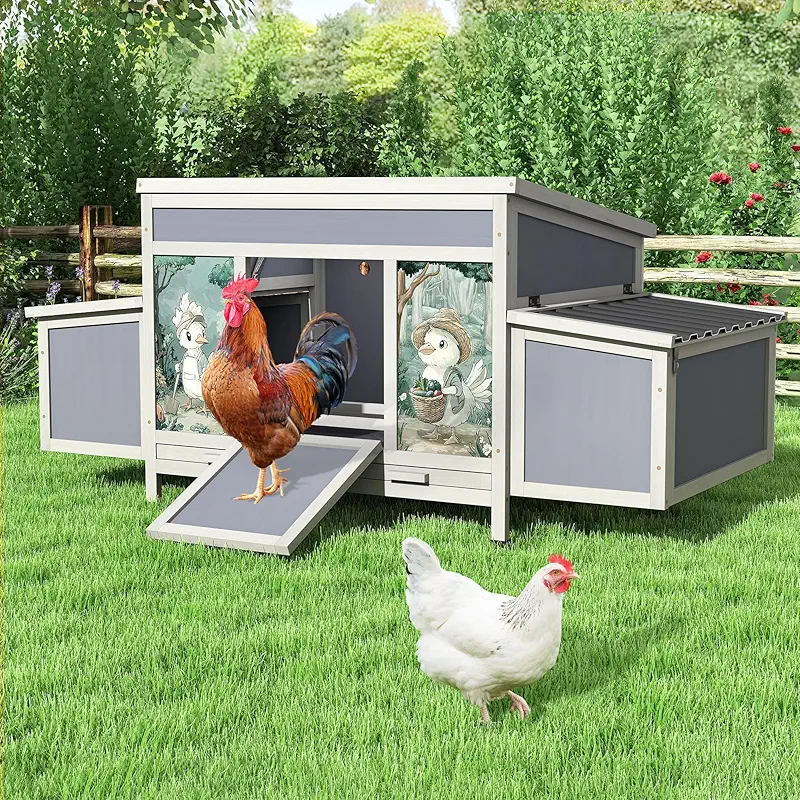
When you look at a large wooden outdoor chicken coop and you can already imagine your hens lining up at the pop‑door, your children or friends peeking in for eggs, and yourself closing the latch at night with a peaceful mind, pay attention to that feeling. It usually means the practical details are lining up as well.
Your hens may not care what the coop looks like from the road, but they will feel the thought you put into warmth, safety and space. In return, they will give you fresh eggs, soft clucks, and the quiet comfort of a flock that trusts you.
FAQ about choosing a large wooden outdoor chicken coop
How many hens can I keep in a large wooden outdoor chicken coop?
It depends on the exact size, but I always aim for more room than the charts suggest. For example, in a coop with 40 square feet of indoor space, I keep no more than seven or eight medium hens. That gives them enough floor space, roost space and some breathing room on bad‑weather days when they stay inside. If you are unsure, count the area, divide by five, and treat the result as a gentle upper limit, not a target.
Is a wooden coop warm enough for winter?
Yes, if it is built and placed correctly. Chickens handle cold better than damp drafts. A sturdy wooden coop with dry bedding, wind‑proof walls, good ventilation above their heads and no drafts at roost level keeps them comfortable even in frost. I do not heat my coop, but I make sure it is well sealed, with plenty of dry litter, and that water does not freeze too quickly.
How can I protect a wooden coop from predators?
Start with strong materials: hardware cloth instead of thin chicken wire, solid doors and firm frames. Add locks that require two movements to open, such as a latch with a carabiner. Bury mesh at least a few inches around the run to stop digging, and check for any gaps wider than a finger. Each evening, walk around the coop, looking for scratches, loose boards or bent wire. I treat that little circle as part of putting my birds to bed.
How often should I clean a large wooden outdoor chicken coop?
I like to do a light clean every week and a deeper clean every month or so, with a full emptying and scrub once or twice a year. In a larger coop, droppings spread out more and dry faster, so the house stays fresher between cleanings. I use the smell and the look of the bedding as my guide: if I see many wet clumps or smell ammonia at all, I clean right away, no matter what the calendar says.
Should I choose a coop with an attached run?
An attached run is very helpful if you cannot always free‑range your birds. It gives them safe outdoor time even when you are busy or away for the day. I prefer a large wooden outdoor chicken coop that connects to a secure run, with enough height that the birds can flap and hop a little. If you already have a fenced yard, you can still use a built‑in run as a “rainy day porch” for them, and open the gate to the bigger area when you are home.