Quiet hens, steady eggs
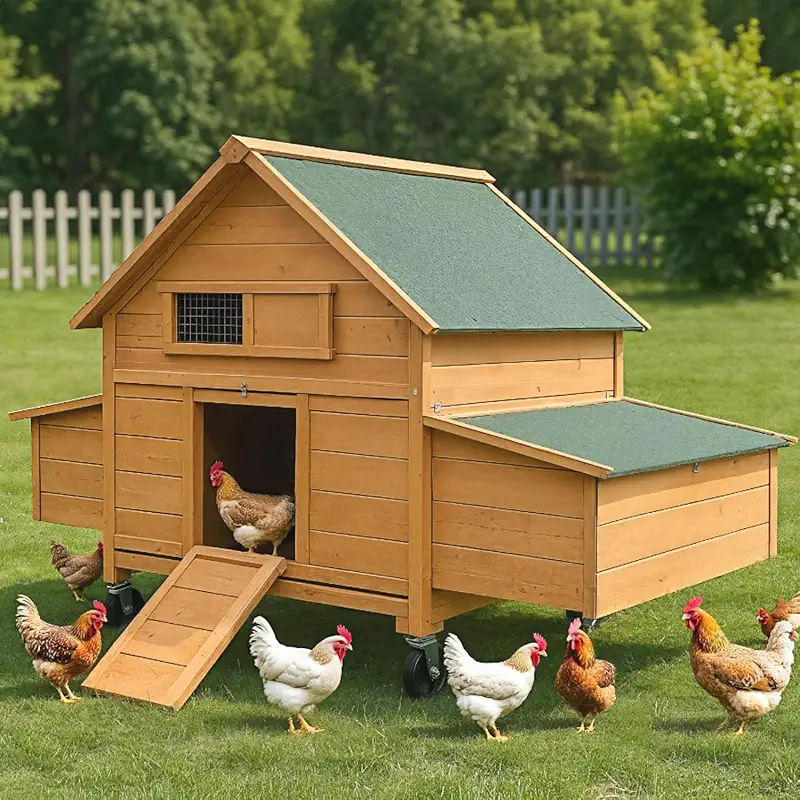
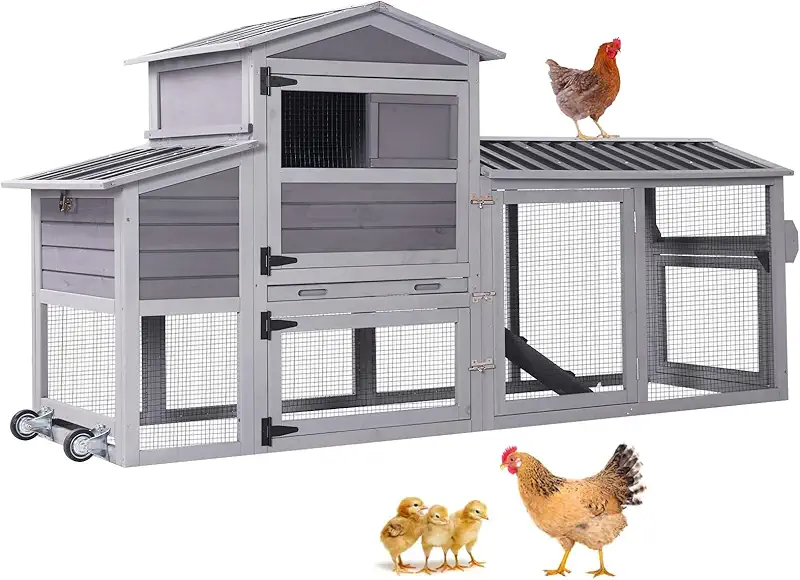
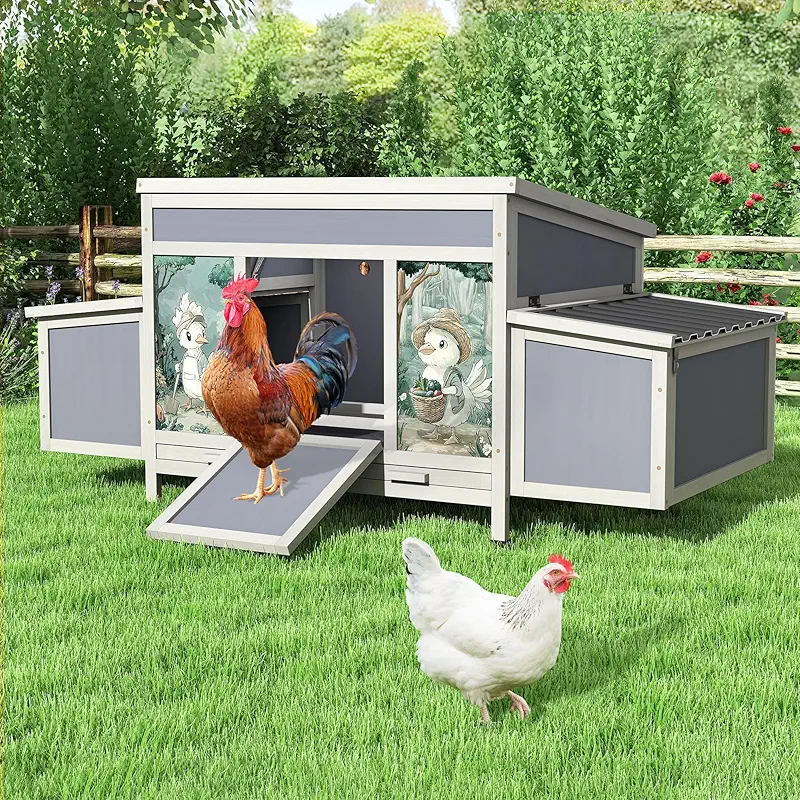
Large wooden chicken coop with run
Large wooden chicken coop with run – gentle notes from a small backyard farm, and what I learned while trying to keep twenty nosy hens safe, dry, and peaceful.
I have raised chickens for many years now. The biggest change in their health and in my peace of mind came the day I moved them into a proper large wooden coop with a safe run.
You will see several styles and sizes there; I always look for solid wood, dry floors and an easy door for cleaning.
Why a large wooden chicken coop with run changed my flock
When I started with chickens, I thought any small shed would do. I learned the hard way that cramped space and a muddy yard make hens nervous, loud and sick. One winter, my girls started pecking each other’s feathers. They were bored, crowded and stressed. Egg shells got thinner, and even my old, calm hen Lily began to sleep near the door, as if she was trying to escape the rest.
Things turned around when I moved them into a large wooden chicken coop with run. Suddenly there was room to stretch wings, separate from the bully hen, and dust bathe under a dry roof. The run let them wander safely while I was at work, and the wooden walls kept the wind off their backs at night. The whole flock became quieter. Egg production went back up. Most of all, they looked content, and that feeling is worth more than any number of eggs for me.
Since then, I have helped neighbors choose their own coops. When I look at options like the ones you will find here:
I always bring the same checklist with me: warmth, space, dry floors, safe doors and easy cleaning.
How big should a large wooden chicken coop with run be?
Space is not a luxury for chickens; it is a basic need. If they do not have enough room, they fight, pick feathers, and catch illnesses more easily. Over time I settled on a simple rule for a large wooden chicken coop with run:
- Inside coop: at least 4 square feet per hen
- Outside run: at least 10 square feet per hen
- More space if you keep heavy breeds or roosters
For example, when I kept ten hens, I aimed for about 40 square feet inside and 100 square feet in the run. When you look at ready-made coops, be careful with the “up to 8 chickens” labels. Those numbers are often for small birds packed tightly. Think of your hens walking past each other, stretching wings, turning around on the perch without bumping a friend. That picture is a better guide than the sales tag.
My quiet flock rule: if the hens can walk around each other without anyone being pushed off the perch, the coop is starting to be big enough.
If you know roughly how many hens you want, you can look through the different sizes here and picture your own birds inside each one:
Show me roomy coops
In my own yard I also learned that “large” is not only about floor space. Headroom matters too. I prefer a coop tall enough that I can at least bend into it to clean, and high enough inside that the hens can perch above the level of the nest boxes. When they sleep higher than the nests, they are less likely to dirty the nests at night, and I do not have to wash eggs as often.
Why I still choose wood over plastic and metal
Over the years I have tried old sheds, a plastic house, and even a converted dog kennel. I keep coming back to a large wooden chicken coop with run for several reasons.
Wood feels warmer and calmer
On cold nights, when I open the coop just before bed to say goodnight, the air inside a good wooden coop feels softer, not sharply cold like metal. Wood holds warmth better and does not sweat with condensation. My hens tuck their heads under their wings, and the whole coop smells of straw and quiet breathing. When I used a metal structure, the walls dripped on them in the morning and the sounds echoed loudly when it rained.
Easy to repair and adapt
Another reason I love wood is how easy it is to change things. When I notice a hen limping, I sometimes add an extra low perch. With wood, it is a few screws and a spare board. I have moved doors, added windows and built little broody corners for stubborn hens. A solid wooden coop becomes part of the farm, not just a product you cannot adjust.
Natural look in the yard
There is also the simple joy of looking at a wooden structure that blends with trees, grass and the garden. A large wooden coop with a run that matches the yard makes the chickens feel like part of home, not like machines in a cage. I sit nearby with a cup of tea and watch them scratch and gossip with each other.
Key features to look for in a large wooden chicken coop with run
When friends ask me to help choose a new coop, I do not look first at color or fancy trim. I start with the basics that keep chickens healthy for years. Here are the features I gently insist on when we scroll through options like those you can see here:
Let me quietly compare
My calm flock pick
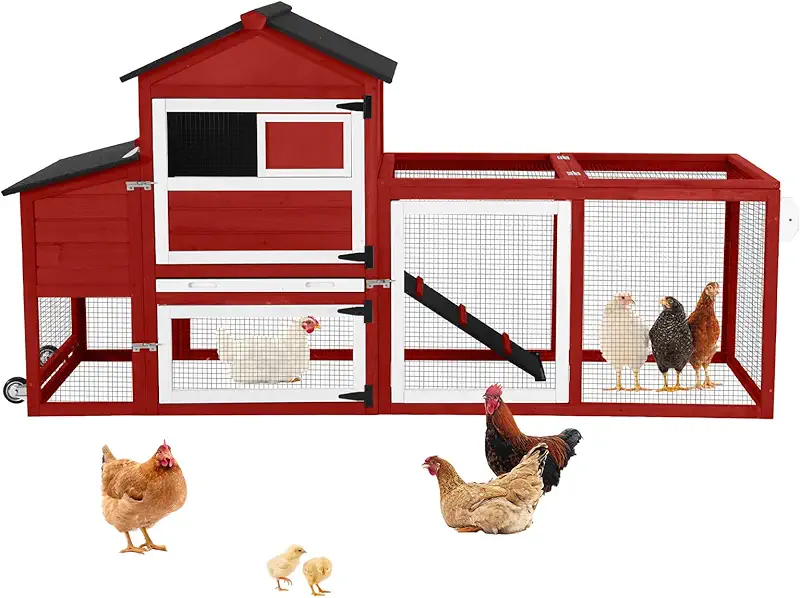
Spacious coop with sheltered run
I like coops where a part of the run is roofed. On rainy days my hens still scratch in dry sand under cover, instead of standing in mud. A tall door for humans helps so much: I can step in with a bucket, gather eggs and sweep out old bedding without crawling on my knees.
Best for: 6–10 hens, mixed flock, mild to cool climates.
Look for thick wood panels, solid latches and a run floor you can keep dry.
This layout feels right
Easy-care layout
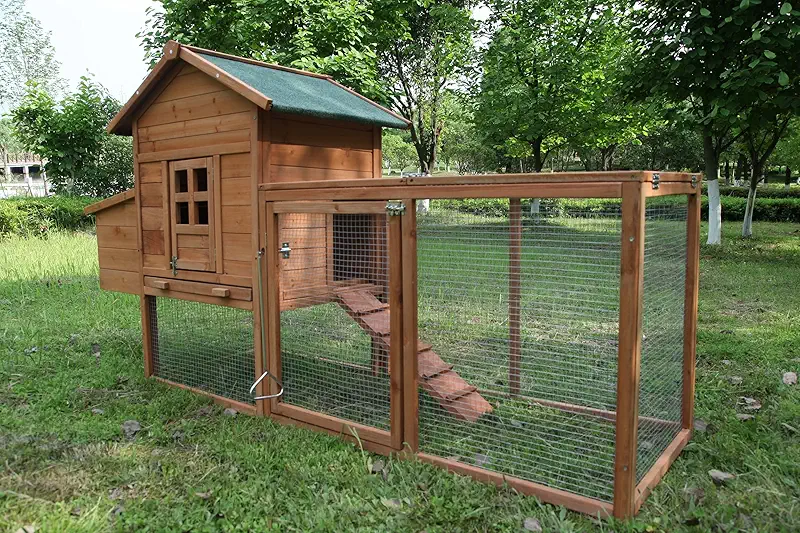
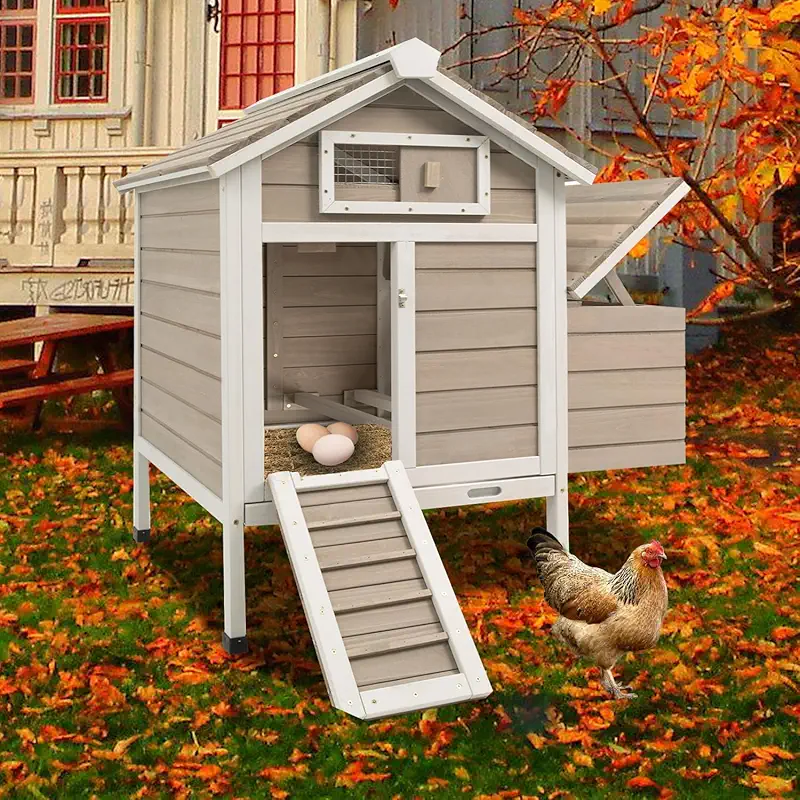
Side nest boxes and big clean-out door
For my back, an external nest box is a blessing. I can lift the lid, take warm eggs carefully with one hand and hold a cup of feed for the greedy hen with the other. A big clean-out door or sliding tray means weekend chores are faster and the coop smells fresher.
Best for: people with limited time who still want a sweet, clean coop.
Choose strong hinges on the egg box and smooth trays that do not snag bedding.
I need easy cleaning
Shaded run focus
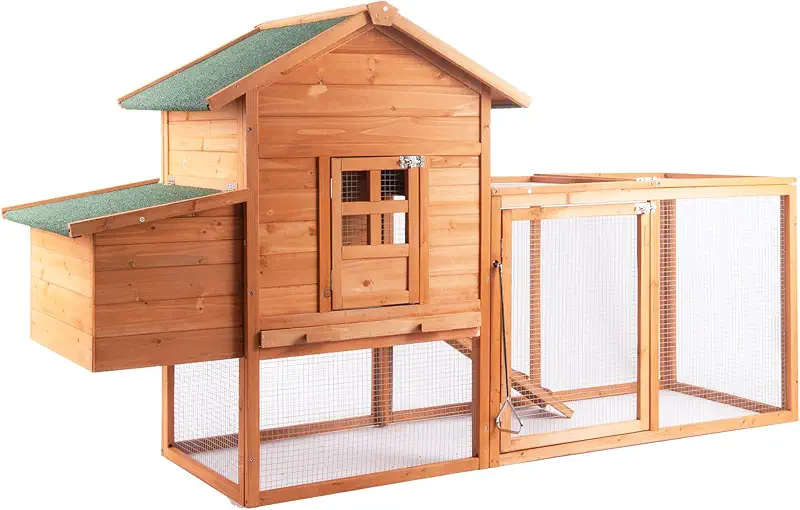
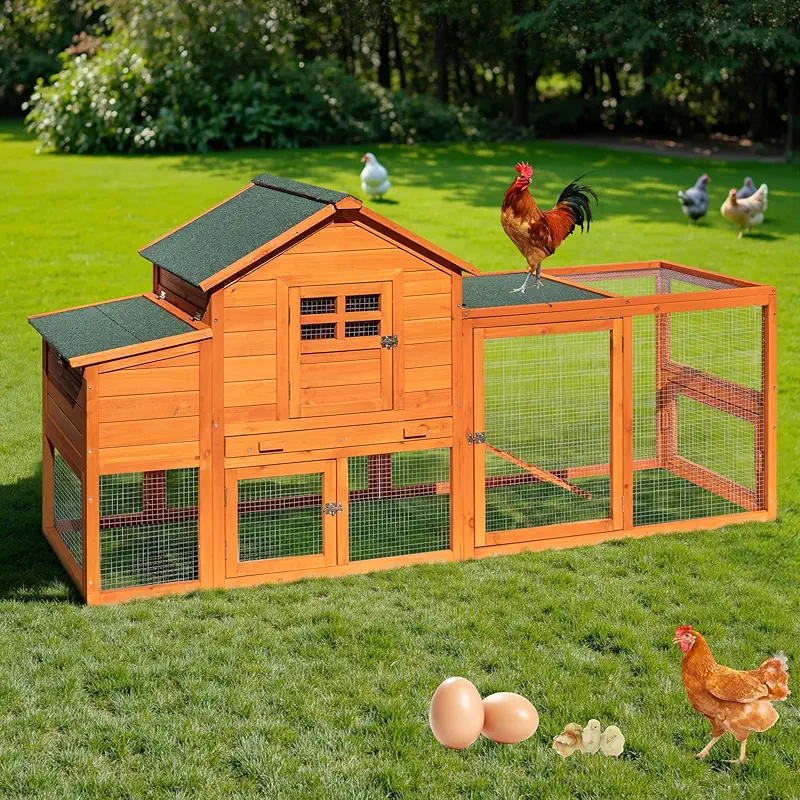
Long run for active hens
Active breeds like Leghorns and my chatty Amber hens need space to pace and explore. A long, roofed run gives them a safe little world. I hang cabbage, herbs and small treats from the run roof to keep them busy instead of pecking at each other.
Best for: light, energetic breeds and homes where free ranging is not always safe.
Look for strong mesh, buried or skirted at the bottom to slow down digging predators.
I picture my hens here
Predator safety in a large wooden chicken coop with run
The first time a fox visited my yard, I only knew because all the hens were pressed into one corner of the run, silent and wide-eyed. The fox could not get in, but hearing them that quiet still shakes me. Since then, I have become very stubborn about safety.
Mesh and gaps
When you choose a large wooden chicken coop with run, ignore any romantic pictures for a moment and zoom in on the wire mesh. I feel safer with hardware cloth rather than thin chicken wire, especially near the ground and around doors. I also check that there are no wide gaps where a raccoon hand could reach in. If I can fit two fingers through, it is too big.
Doors and latches
Raccoons are clever. They can open simple hook latches. On my own coop, I use two-step latches or carabiners. When you look at ready-made coops, imagine a curious raccoon or neighborhood dog testing every weak point. Good doors should close snugly, with no wobbly frames.
Digging and climbing
Foxes and dogs dig. To protect the run, I like either a wire skirt laid flat a little way out from the fence, or buried wire along the bottom. Some pre-built coops already include this. For climbing predators, solid roof panels or tight wire over the run are a great comfort during the night.
At dusk, I walk around the coop once with a small flashlight. If I see any place where light shines through a gap that should be solid, I fix it that weekend. That simple habit has kept my flock safe for years.
Ventilation, light and bedding: the quiet details that matter
A large wooden chicken coop with run is more than four walls. The inside air, light and bedding decide if the hens will stay healthy and if cleaning will be a dreadful chore or just another small ritual.
Fresh air without drafts
I like windows or vents placed high on the walls, above the perches. This way moisture and ammonia rise and escape, but the hens do not sit in a cold breeze. In winter I cover part of the vents with clear plastic or a simple baffle, leaving enough gap for stale air to slip out.
Gentle daylight
Chickens wake with the sun, and they need natural light to lay well and to stay in tune with the seasons. A window that brings in soft morning light is perfect. I avoid harsh overhead lights. If I use any extra light in deep winter, it is a small warm-colored bulb on a timer, and I never push them to lay at all costs. Their bodies deserve rest.
My bedding routine
Over the years, my favorite bedding in a wooden coop has been dry pine shavings over a base of chopped straw. It smells clean, absorbs moisture and is gentle on their feet. I sprinkle a little fine sand or sweet PDZ under the perches where droppings gather. Once a week I scrape that area, and once every month or two I do a deeper clean.
On the day of a big clean, I open every door, play soft music on my phone, and talk to the hens while I work. They wander in and out, murmuring to each other, and by the time I add fresh shavings the whole coop feels new. A well-designed large coop makes these days shorter and kinder to my back.
When I look through different coop designs, I always imagine where the droppings will land, how they will be scooped, and how the air will move around sleeping hens. It is not glamorous, but it is what decides whether you feel joy or dread each time you open the coop door.
Let me picture cleaning
Arranging the inside of your large wooden chicken coop with run
Many ready-made coops already include perches and nest boxes, but I rarely leave them exactly as they arrive. Chickens tell you what works by where they choose to sleep and lay. With a bit of patience, you can turn a simple structure into a cozy little village.
Perches
I like wide, smooth perches with rounded edges, roughly the width of my thumb. This lets the hens rest their whole foot on the wood, keeping toes warm in winter. Perches should be higher than nest boxes, or else the birds will sleep in the nests and you will find dirty eggs every morning.
Nest boxes
My hens all prefer one or two favorite nests, even if I give them more. Still, I aim for at least one nest box for every three or four hens. I place them in the darkest, quietest corner of the coop. A simple curtain of cloth across the front calms shy layers. Soft straw or wood shavings in each box keeps shells from cracking.
Feeders and waterers
In a large wooden chicken coop with run, I keep feed and water mostly in the run during the day, where there is more air and less mess. On freezing nights I hang a small waterer inside so they wake with a drink nearby. I keep the floor around water as dry as possible, because damp bedding invites cold and smell.
My rule of thumb: if I can walk into the coop in the dark, reach the perches and nests without stumbling, and clean without bending too low, then the layout is kind to both humans and hens.
Using the run as a safe playground
The run of a large wooden chicken coop with run is more than a holding pen. It can be a safe playground that keeps beaks and minds busy. When hens are engaged, they are gentler with each other and lay better.
In my own run, I like to add simple “toys”:
- A hanging cabbage or broccoli head they can peck at slowly
- Old logs or bricks where insects hide and hens can jump up and down
- A shallow box of dry sand or wood ash for dust bathing
- Branches at different heights for light breeds that like to perch and watch the world
On very hot days, I stretch shade cloth over parts of the run. Hens do not sweat; they cool themselves by panting and holding their wings slightly open. Shade over the run roof, and maybe a little water sprayed on the ground, makes a big difference. Some large wooden coops have runs with solid roofs or partial covers already built in. Those designs make heat management easier.
When you look at different coop options, imagine how your hens would use the run on a long rainy week when they cannot free range. Space, headroom and a bit of shelter turn those days from stressful to peaceful.
See runs like this
My simple checklist before choosing a large wooden chicken coop with run
To keep things clear in my own mind, I use a short, honest checklist before I say yes to any coop, no matter how pretty it looks. You can use the same list while looking through the different choices available:
- Enough floor space inside and in the run for the number of hens I truly plan to keep
- Thick, treated wood that will stand up to several winters
- High vents or windows for fresh air without cold drafts on their backs
- Strong mesh and latches that a raccoon or dog will struggle to break
- At least one human-sized door or a large panel for easy cleaning
- Perches higher than nest boxes, with room for every hen to roost
- Run roof or shade so the ground stays dry in at least one section
If a coop passes these points, then I start thinking about color, style and little extras. When it does not, I keep looking. The options you can quietly compare here cover many shapes and sizes, so take your time and imagine your own girls in each layout:
I’ll slowly check them
Real-life story: from crowded shed to peaceful large wooden coop with run
I want to share a short story from my neighbor, Anna. She started with six rescue hens in a cramped old garden shed. The birds slept in corners, there were no proper perches, and the only “run” was a rough bit of yard with open fencing. Dogs from the street often barked and lunged at the fence. The hens yelled back and rarely sat still.
One stormy night, the roof leaked and the bedding got soaked. We moved the hens into my spare pen for a few days, and Anna decided it was time to do better. We sat at her kitchen table and talked through what she truly wanted: calm birds, easy cleaning and a structure that looked like it belonged in her little orchard. Then we looked carefully through a range of large wooden chicken coop with run options like the ones you can see here:
Find something like Anna’s
We chose a tall wooden coop with a long, covered run and deep nest boxes on the side. It was not the cheapest choice, but it matched her yard and, more importantly, ticked every box on the safety and comfort list.
Today, when I visit Anna, her hens stroll calmly in the run, preening and dust bathing. She opens a big door at the back, scrapes the droppings into a wheelbarrow, and is done in minutes. She told me once, “I never realized how much my own stress came from worrying about them in that old shed. Now, when I shut the coop at night, I feel like tucking children into bed.”
FAQ about large wooden chicken coop with run
How many chickens can I keep in a large wooden chicken coop with run?
It depends on the true floor space, not just the label. I suggest at least 4 square feet per hen inside the coop and 10 square feet per hen in the run. If a product says “up to 8 chickens” but the measurements give less space than that, imagine it for 4 or 5 birds instead. It is kinder to the hens and usually leads to better egg laying and fewer behavior problems.
Is a wooden coop hard to maintain compared to plastic?
Wood needs some care, but it rewards you. I check the outside once or twice a year for peeling paint or weak spots, and I add a coat of safe wood preservative if needed. Inside, I keep bedding dry and scrape droppings often. With these simple habits, my wooden coops have lasted many years. I find them warmer, quieter and easier to repair than plastic when something does go wrong.
Will a large wooden chicken coop with run be warm enough in winter?
A well-built wooden coop with enough ventilation but no drafts directly on the hens is usually warm enough for most standard chicken breeds. Chickens handle cold better than damp, so your main task is to keep them dry and out of wind. I add extra straw, block strong drafts with removable panels, and make sure the perches are wide so feet stay warm. If winters in your area are extreme, you can choose a coop with thicker walls and add some windbreaks on the run.
Do I still need to let my hens free range if they have a large run?
A spacious run attached to a large wooden coop gives hens safety and daily exercise even when you cannot be there. Free ranging is a wonderful bonus when it is safe, but not always possible in every neighborhood. If the run is big, dry and interesting, with perches and dust baths, your hens can live healthy and content lives without constant free range time. I treat free ranging as a gift, not a requirement.
What should I look for first when comparing different large wooden coops with runs?
I suggest starting with three things: space, safety and cleaning. Check the real floor measurements, not just the advertised number of birds. Look closely at mesh, doors, latches and the base of the run for predator resistance. Then ask yourself, “How will I clean this on a wet, cold day?” If a coop passes those three tests, you can then enjoy choosing the style and layout that feel right to you. You can quietly compare many such options here:
I’ll compare with this in mind
A gentle closing thought
When I stand in the yard at dusk and listen to my hens settling into their large wooden chicken coop with run, I feel the day slow down. They murmur, shuffle on their perches and then fall silent, all facing the same way. A good coop does that: it gives them a safe, steady place to end each day.
If you are choosing a coop now, take your time. Picture your birds in each corner. Imagine cleaning, feeding, and collecting eggs on an early, frosty morning. If you would like a quiet place to start that journey, you can look through a range of wooden coops with attached runs here:
Let me wander through options
Whichever model you choose, I hope your hens bring you the same calm joy mine have brought me, one soft cluck and one warm egg at a time.