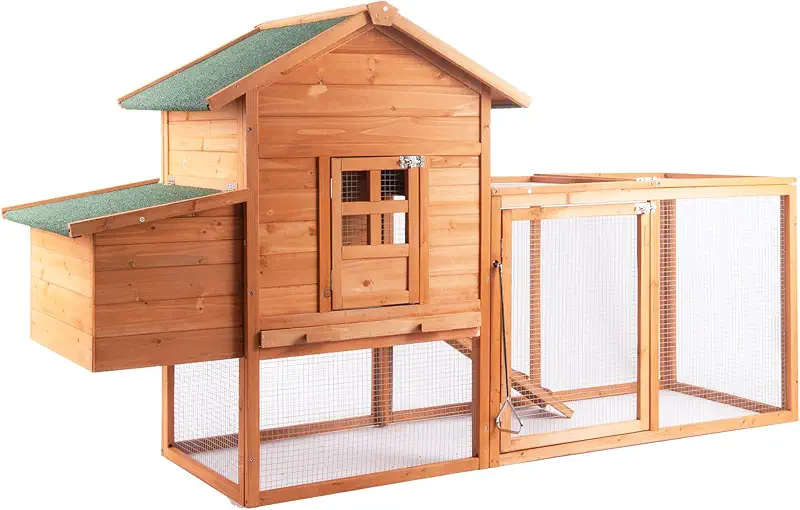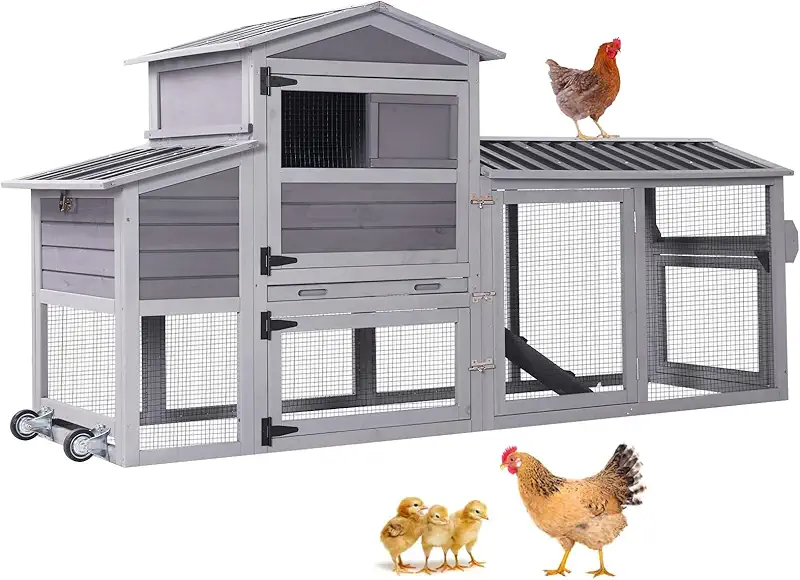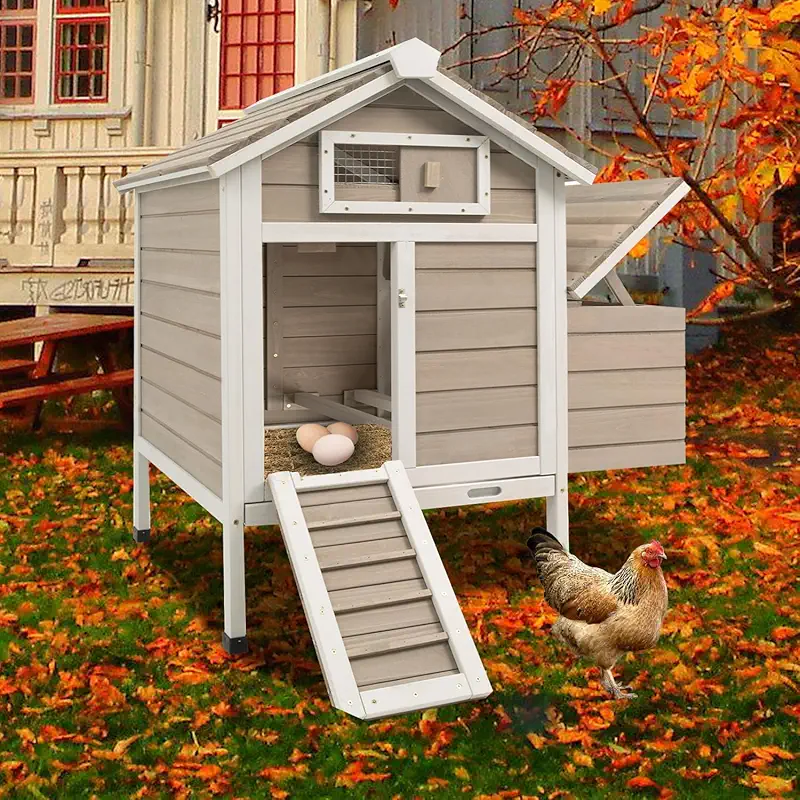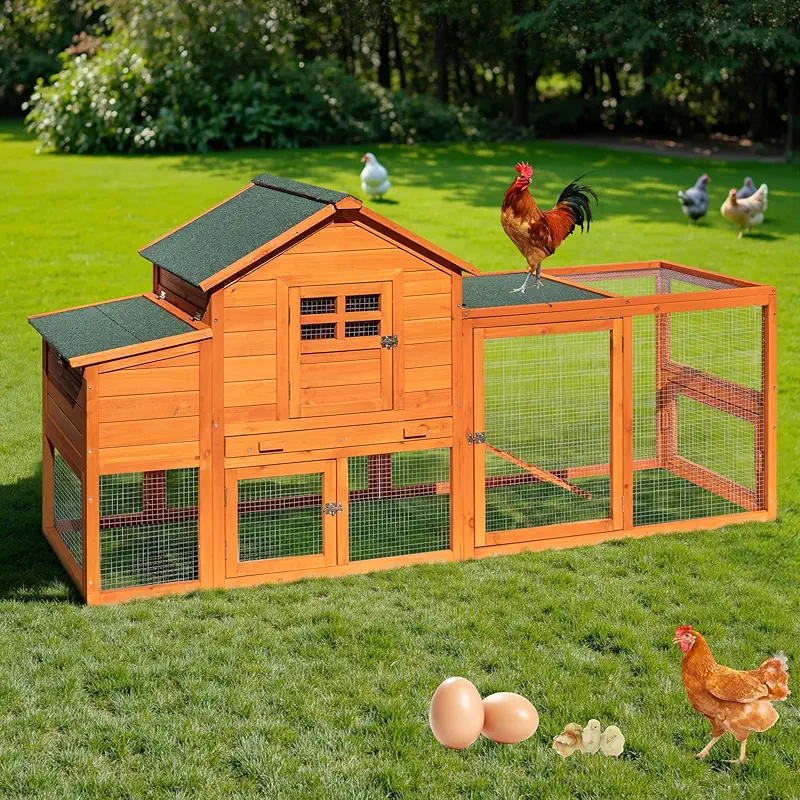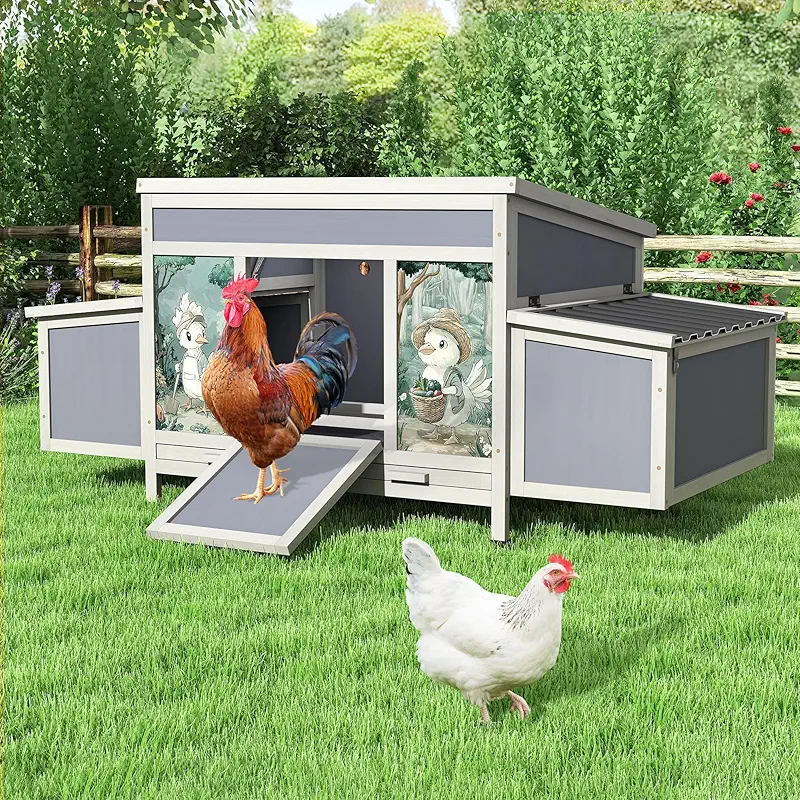
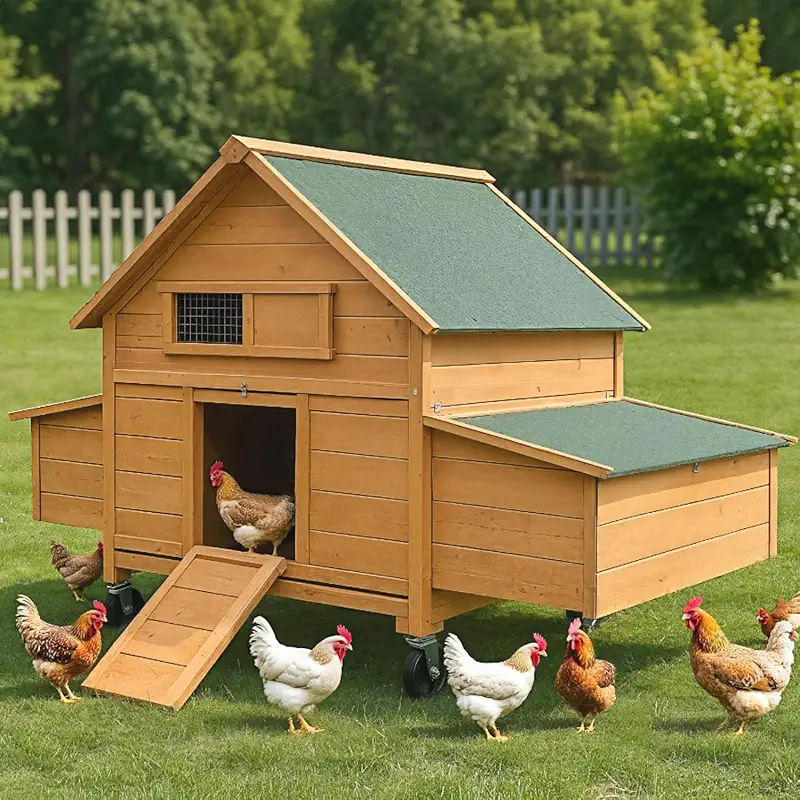
Why a big wooden coop changed my flock
I still remember the first winter when I moved my girls into an extra large wooden chicken coop. Before that, they were in a smaller shed that I had tried to adapt. It looked fine to me, but the hens told me a different story. They squabbled at bedtime, pecked more during the day, and two of my sweetest birds started avoiding the roost because the dominant hen guarded the best spots.
The day the larger coop arrived, I set it up, added deep clean bedding, and opened the door. At first they were shy, but within minutes they were walking around, stretching wings, and talking in that soft happy cluck every keeper loves. That evening, for the first time in weeks, they settled on the roosts without a single pecking match.
Chickens don’t use words, but they speak clearly with their behavior. When they have space, they breathe slowly, chatter softly, and you can feel the calm when you step into the coop.
What “extra large” really means for hens
When I talk about an extra large wooden chicken coop, I don’t only mean floor size on a box. I think in terms of chicken comfort:
- Enough room so every hen can move without bumping another bird on the roost.
- Multiple nest boxes so the shy girl can lay in peace.
- Headroom for natural air to move above them, not straight onto them.
- A dry, solid, wooden structure that feels like a safe shelter, not a rattling tin can.
Most catalogs talk in numbers of birds. I prefer to think in personalities. If you have mixed ages or breeds, or if your rooster is big and proud, a larger coop is not a luxury, it is kindness.
One of my older hens, Hazel, was always last on the roost. In the cramped coop she often ended up pushed to the coldest edge. After moving to the larger wooden coop, she chose a middle perch and stayed there, night after night. Her comb turned a deeper red again, and her laying picked up. Space gave her dignity back.
Why I keep coming back to wood
I have tried metal and plastic housing, and some of them have their place, especially in wet climates. But I always find myself returning to wooden coops for a few reasons:
- Gentle feel: Wood softens sound. When rain falls on a wooden roof, the coop stays quiet and cozy. Metal can be loud and upsetting for nervous birds.
- Stable temperature: A solid extra large wooden chicken coop does not swing as wildly between day and night temperatures.
- Easy to adjust: I can add hooks, shelves, extra roosts, or even small windows with basic tools and a calm Sunday afternoon.
- Natural smell: When fresh shavings meet dry wood, the coop smells clean and earthy, not chemical.
A good wooden coop, especially a bigger one, feels almost like a small barn. You step in, the birds look at you with calm eyes, and you know they sleep safely at night.