
Buy wooden chicken coop
I have shared my yard with chickens for many years. A good wooden coop has been the quiet heart of my little flock. Let me walk next to you while you choose a coop that keeps your hens safe, dry and calm, without wasting money or making painful mistakes.
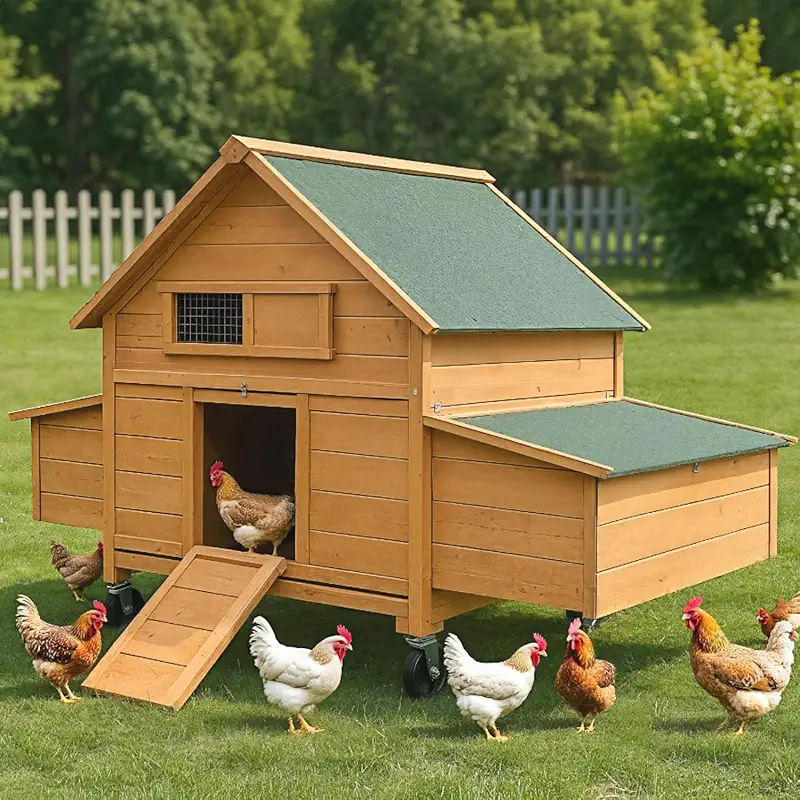
When you buy wooden chicken coop through this link, you support a small flock keeper who spends more time with birds than with screens.
When people ask me why I still prefer a wooden coop after all these years, I usually smile and point to the hens. Wood feels calm to them. It smells natural, it stays quiet in the wind, and it ages with the flock. I have tried metal and plastic, but every time I come back to wood.
If you are looking to buy wooden chicken coop for the first time, it can feel confusing. Photos look pretty, descriptions sound perfect, and yet the real hen life starts at 5 a.m. in the rain, not in a studio. In this guide I will share what has actually worked in my yard, with real mud, real foxes, and very real winters.
Why a wooden coop feels right for hens and humans
When you buy wooden chicken coop you are not just getting a box for birds. You are choosing the little house where they will sleep, lay, whisper, and sometimes recover from hard days. Over time that coop becomes a quiet friend. Wood makes that friendship easier.
In my own flock, I noticed that stressed rescue hens settled faster in wooden coops. The sound is softer when they hop on the perch, and the air feels less sharp than in thin metal. On hot days, the shade of wood protects them from burning sun, and in winter it keeps the warmth of their bodies a little longer.
Comfort the hens can feel
- Wood helps keep a steady temperature, instead of heating and cooling too fast.
- It absorbs some noise, so loud winds or small bumps do not scare shy birds as much.
- It is easy to adjust: you can add extra roosts, hooks, or wind protection with simple tools.
One winter I had an old hen named Daisy. She slept lower than the others because her legs were weak. I could easily lower a perch in the wooden coop for her and add a little step. That ten‑minute change gave her a whole extra year of peaceful nights.
Safety without turning the yard into a fortress
Predators are part of chicken keeping. I have met foxes, raccoons, martens, roaming dogs and even a very smart crow. A wooden coop can be strong and still look gentle in the garden.
Here is what I always check when I am close to buying:
- Thick enough frame and panels, not flimsy like a toy house.
- Strong locks on all doors, not simple sliding hooks.
- Wire mesh with small openings on windows and runs.
- No big gaps at corners where a paw can push inside.
One night, a young fox circled my coop for almost an hour. I could watch him from the kitchen window. He sniffed, pushed, and tried the door. My heart was beating fast, but the coop held. In the morning, the hens walked out as if nothing had happened.
I’ll check sturdy onesHow to choose the right wooden coop size
The first mistake many people make when they buy wooden chicken coop is choosing a model that is too small. Photos on screens always make coops look larger than they really are. Chickens can forgive many things, but too little space brings pecking, stress, and illness.
Simple rule of thumb
These are the gentle minimums that have worked with my own calm backyard flocks:
- Inside sleeping area: at least 4 square feet per standard hen, 3 for bantams.
- Outdoor run: at least 8–10 square feet per hen, more if you can give it.
- Roost space: about 8–10 inches of perch per hen, more for heavy breeds.
If a listing says “up to 6 chickens”, I read that as “3 or 4 happy chickens” for full‑size breeds. Brands like to be optimistic. Hens like to have elbow room.
Thinking about tomorrow’s flock
My very first coop could hold three hens. Within six months, I had six. Chicken math is real: a sickly rescue hen needs a home, a friend has two pullets to spare, you see a rare breed you always wanted.
When you buy wooden chicken coop, imagine your flock a year or two from now. If you think you might expand, choose one step bigger than you first planned. It is cheaper than buying a second coop later, and much kinder to the birds.
Height matters too
Chickens love to sleep up off the ground. Higher perches make them feel safe.
- Look for at least two levels inside tall coops, so timid birds can avoid bullies.
- Make sure there is headroom above the roost – I like at least 12–14 inches.
- Check that you can reach every corner without crawling on your knees.
I once struggled for a whole winter with a low, cute little coop. Cleaning it felt like doing yoga in a box. I learned my lesson: if I am comfortable working inside the coop, the hens will stay cleaner and healthier.
Inside the wooden coop: layout that keeps life easy
A coop is not just walls and a roof. It is also a small system: air comes in and out, droppings fall, eggs roll, and you move through it with a bucket in your hand. A few simple choices now will save many hours later.
Ventilation without drafts
Good air is the difference between a fresh coop and one that smells heavy and damp. Hens breathe out a lot of moisture, and their droppings add even more.
- Look for vents high on the walls, above roost level.
- Windows that can open in summer and close partly in winter are a big help.
- Air should move out gently, not rush across the birds at night.
In my current wooden coop I added a narrow vent strip under the roof. In winter I close it halfway with a simple slider I made from a scrap board. The air still moves, but my hens do not feel cold wind on their combs.
Nest boxes that hens really use
Many coops come with nests built in, but not all nests are hen‑approved. When you buy wooden chicken coop, pay attention to:
- Location: hens like nests a little darker and lower than the roosts.
- Size: about 12×12 inches for most breeds, smaller for bantams, bigger for giants.
- Access: you should be able to collect eggs from outside in rain without crawling.
Once I had a beautiful coop with bright, sunny nest boxes right by the door. The hens refused to use them and laid in a dark corner instead. I finally added a small curtain of feed sack over the nests and they moved in the same day.
Cleaning: your future self will thank you
I clean coops often, not because I enjoy it, but because clean air means fewer health problems. Two design details make the biggest difference:
- A big main door that opens wide enough to let you use a rake or brush.
- Removable droppings board under the roost, or at least a flat surface you can scrape.
When you buy wooden chicken coop online, imagine yourself on a wet November afternoon, tired from work, standing with a bucket. If you can still picture yourself opening that coop easily and cleaning it in ten minutes, you have likely found a good one.
Show me simple setupsLittle stories from my wooden coops
I do not raise champion birds. My hens are ordinary, slightly spoiled ladies who like warm mash and quiet evenings. Over the years, a few coops have taught me gentle lessons.
“The first year I kept chickens I bought the prettiest little cottage coop I could find. It looked lovely in photos. In real life, the roof leaked right over the roost, and the wood swelled at the door after the first storm. I spent that winter crawling with a flashlight, drying corners with an old towel. That is why I now talk so much about roof overhangs and good hinges.”
Another lesson came from an old rescue hen named Blue. She had frost‑bitten toes when she arrived. In the first cold snap I noticed she was standing still and puffed up at night. The coop was dry but a little drafty.
I added extra boards to blank the windward side and stacked straw bales along the outside wall. Because the coop was solid wood, it held that extra warmth well. Blue made it through the winter with no new damage.
“Wood is forgiving. You can patch it, insulate it, and heal it. That is why I tell friends to buy wooden chicken coop instead of something that cannot be changed.”
I share these small stories not to scare you, but to show that a coop is more than a product. It will be part of the rhythm of your days. A good one becomes a calm background to many cups of morning coffee while the hens murmur and scratch.
I want that quiet lifeUsing your wooden coop through the seasons
Once you buy wooden chicken coop, the real journey begins. Each season brings new small tasks. With a bit of rhythm, they become gentle habits.
Spring: airing out and small repairs
In early spring I open every door and window on the first mild day. The hens think it is a celebration. I scrape old droppings, check for loose screws, and run my fingers along the wood.
If I feel any soft spots where moisture has crept in, I fix them right away. A little sanding and a fresh coat of safe wood treatment can add years to a coop’s life.
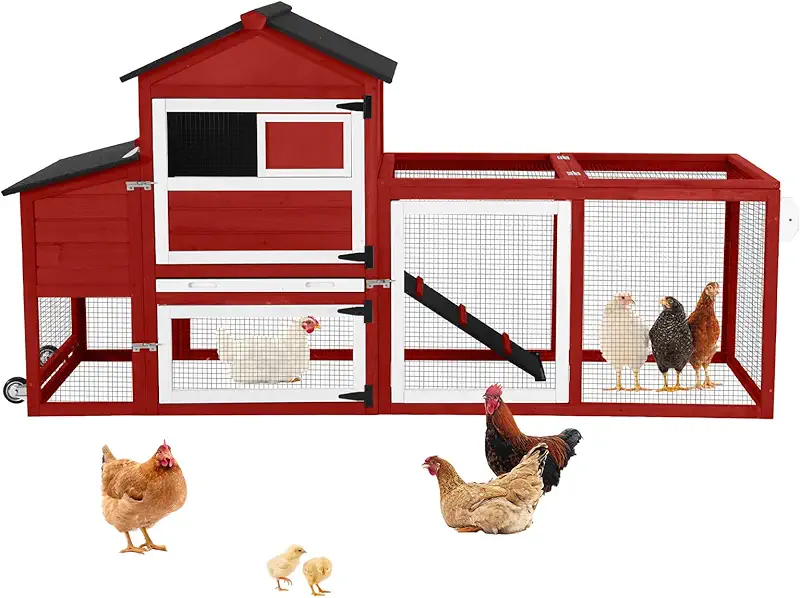
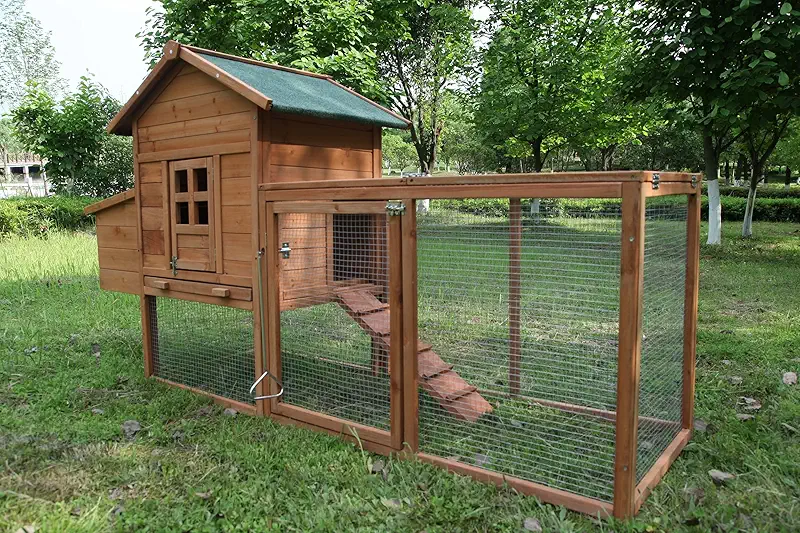
Summer: shade and fresh air
In hot months, the coop can turn into an oven if we are not careful. Wood helps, but I also:
- Open every safe vent and window I can.
- Add shade cloth or a simple tarp over the sunniest side of the run.
- Place water bowls in the shadow of the coop.
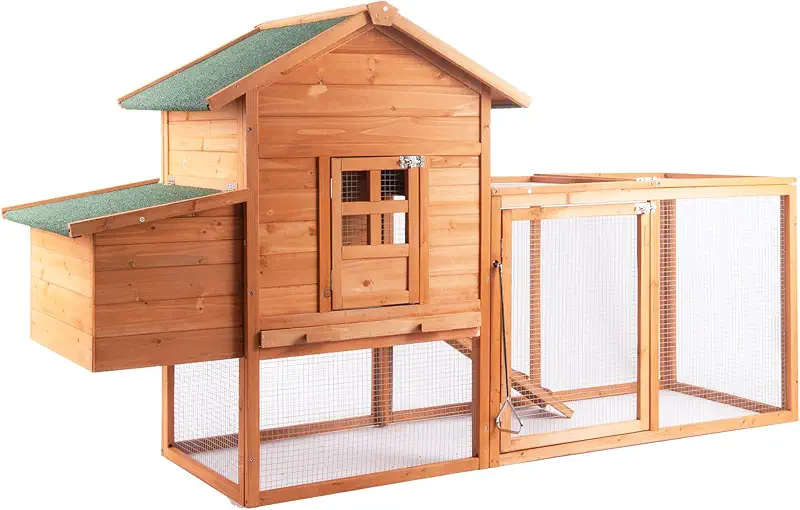
One year we had a harsh heat wave. My wooden coop stayed cooler than my metal shed. The hens spent the hottest hours dust‑bathing under the raised coop floor, where the earth was still moist and cool.
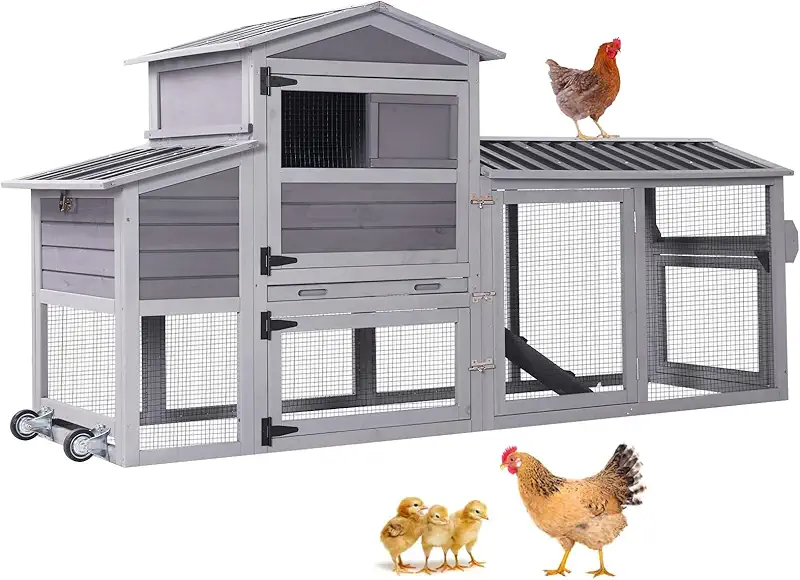
Autumn: preparing for long nights
As days shorten, I walk around the coop at dusk with a small notepad. I listen for rattling panels and watch where rain falls from the roof.
- Seal small gaps where wind can blow directly on roosting birds.
- Check locks and latches before predator activity rises.
- Make sure the inside floor will stay dry even in long storms.
Wooden walls hold a soft, steady warmth when the flock is inside together. If the coop is well sealed and ventilated, you do not need to make it hot, only dry and calm.
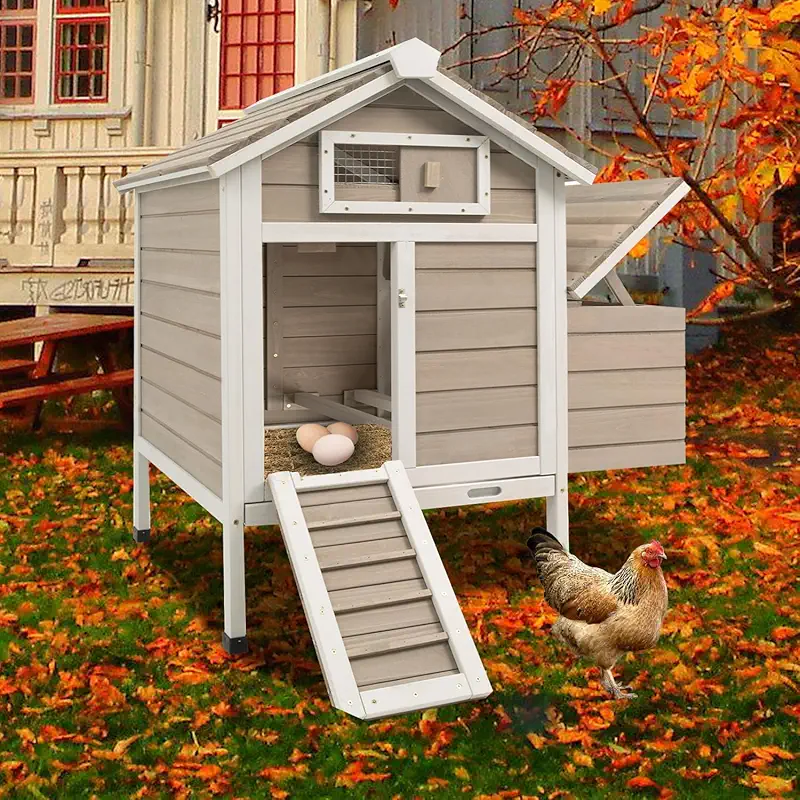
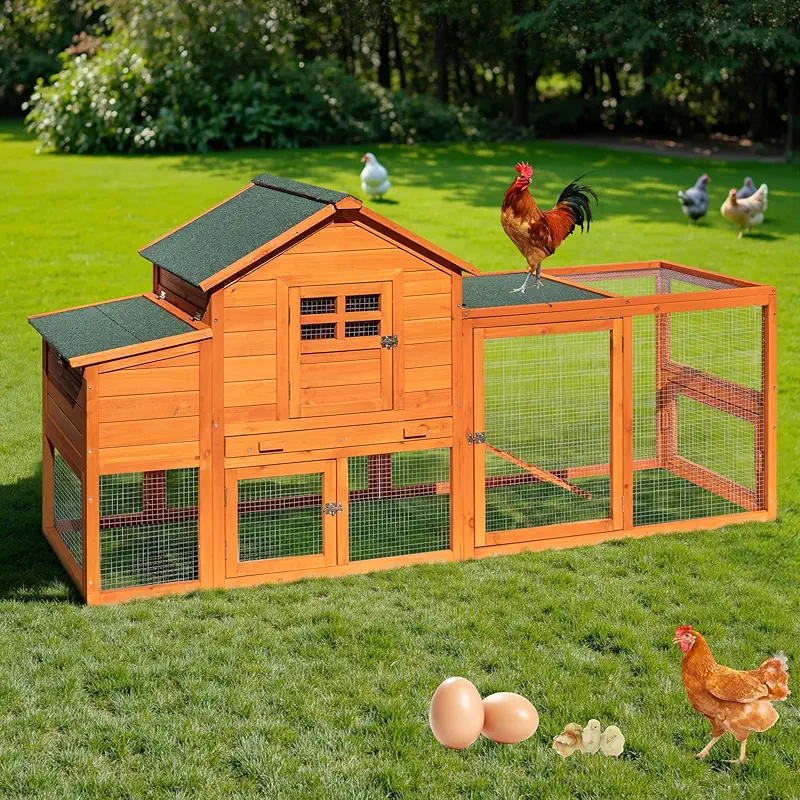
Winter: keeping things simple and dry
In winter, I try to make every step as easy as possible. Short days and cold fingers are not the time for complicated routines.
- Keep paths to the coop clear and not too slippery.
- Use deep bedding on the floor to hold warmth and absorb moisture.
- Open vents a little each morning to let steam and ammonia escape.
My favorite winter sound is the low murmur from the coop just after dark. When you buy wooden chicken coop and use it through a full winter cycle, you will come to know that sound too – the soft breathing of birds who feel safe.
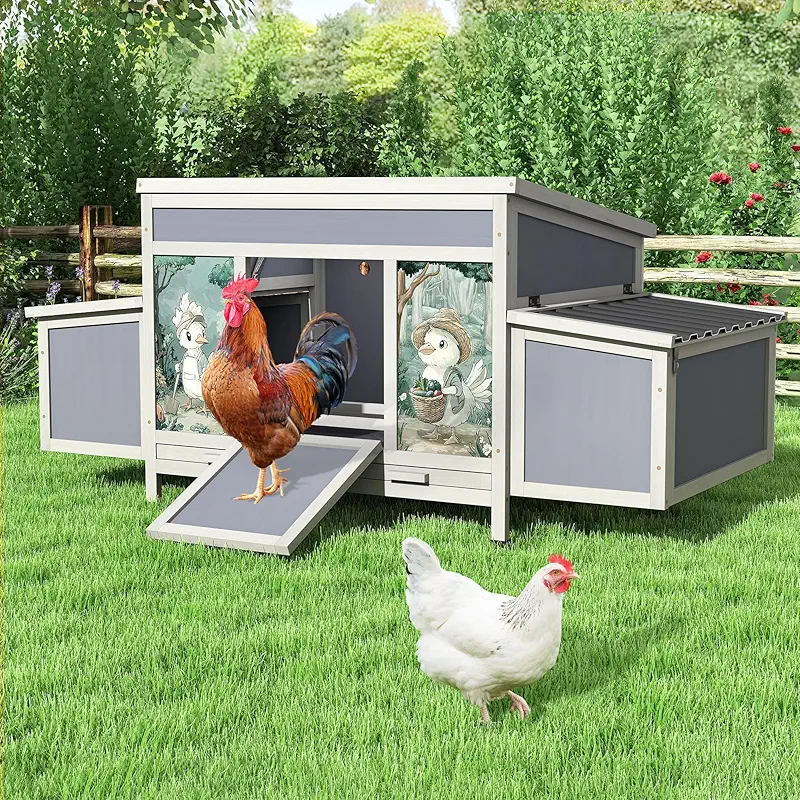
Frequently asked questions before you buy wooden chicken coop
How many chickens can I keep in a small wooden coop?
It depends on the exact size, but most “small” coops are honest homes for two or three full‑size hens, even if the label says more. Aim for at least 4 square feet of indoor space per hen and 8–10 square feet in the run. Your birds will be calmer, and you will see fewer feather‑picking problems.
Do I need to treat or paint the wood?
Most factory‑made coops come with some protection, but I still like to add a safe wood preservative or stain to the outside. Focus on roof edges, feet, and any end‑grain where rain can soak in. Avoid strong chemical treatments inside the coop where hens breathe and rest. Gentle, pet‑safe products and good ventilation are usually enough.
Is a wooden coop hard to clean compared to plastic?
Plastic is smoother, but the design matters more than the material. A well‑designed wooden coop with wide doors, simple flat surfaces, and a removable droppings board is easy to clean. I keep a dedicated scraper and brush in a bucket. With a simple routine, cleaning takes me about ten minutes twice a week.
Will a wooden coop attract mites or pests?
Chicken coops of all materials can get mites. Wood can give them more tiny hiding places, but you can stay ahead with regular checks and cleaning. I dust perches and cracks with safe poultry powder a few times a year, and I inspect under the roosts with a flashlight. A clean, dry wooden coop is much less inviting to pests than a damp, neglected one.
What should I look for when I first set up a new coop?
When you buy wooden chicken coop and it arrives, take your time putting it together. Check that all panels sit square and that doors close without forcing. Add extra screws where it feels helpful, and seal any hairline gaps where rain could creep in. Before moving the hens in, sit inside for a minute with the door closed. Feel for drafts on your face and look for light leaks where there should be solid wall.