
Best wooden chicken coop
I have raised hens for many years, through storms, foxes and cold winters. Again and again, a solid wooden coop has made the difference between stressed birds and calm, happy ladies. Here I share how I choose the best wooden chicken coop for real backyards, with mud, kids, and busy days.
- What really matters in a wooden coop for everyday care.
- Simple checks to avoid drafts, damp and red mites.
- How different coop sizes feel for your flock in real life.
I write this like I talk to my neighbors: honest, calm, and always putting the hens first.
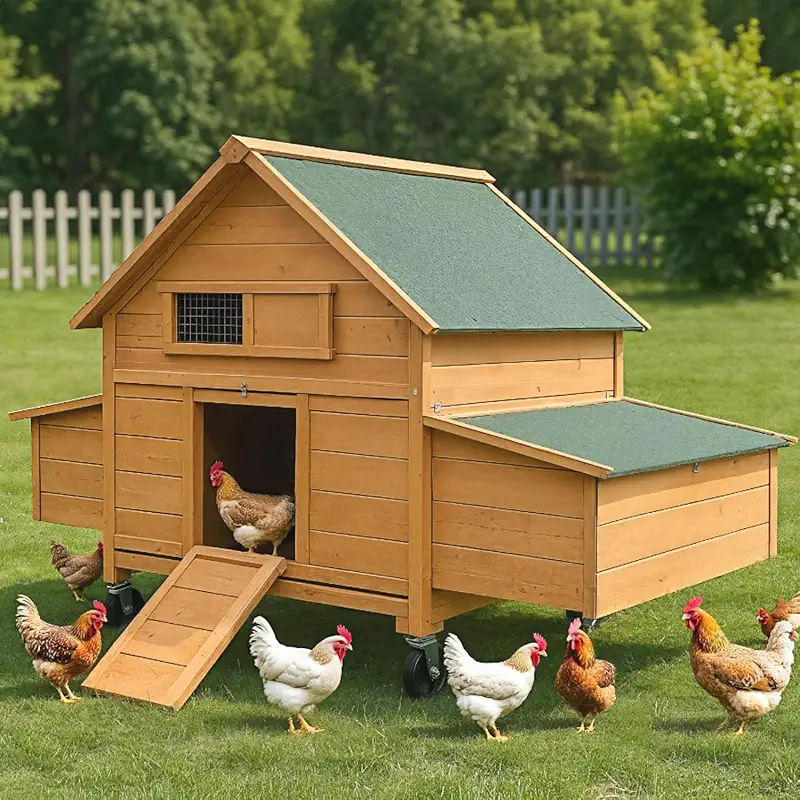
What “best wooden chicken coop” really means in daily life
When people ask me about the best wooden chicken coop, they usually expect a quick model name. But after years of listening to hens rustle on their perches at night, I have learned that “best” means something softer and more personal.
A good coop does three quiet things: it keeps your birds safe, it keeps them dry and calm, and it makes your own chores gentle and simple. If one of these is missing, you feel it every single morning when you open the door.
I still remember my first homemade coop. I was proud of it, but I forgot one small thing: the roof overhang. The first heavy rain came, and water ran straight down the wall and under the door. My hens looked at me with those round, patient eyes, standing in a small puddle. They forgave me, but I promised them I would pay more attention next time.
How your hens “see” the coop
When I choose the best wooden chicken coop for a new flock, I try to look at it the way a hen would. She does not care about pretty paint. She cares about where she will sleep, how she will escape from a bully, and whether cold wind can bite her comb at night.
- Perches that feel like branches. Wide, smooth wood where feet can rest flat.
- Nest boxes that feel like a quiet bush. Darker, cozy, and slightly lower than the perches.
- A ramp that feels safe. Not too steep, with good grip, especially for heavier hens.
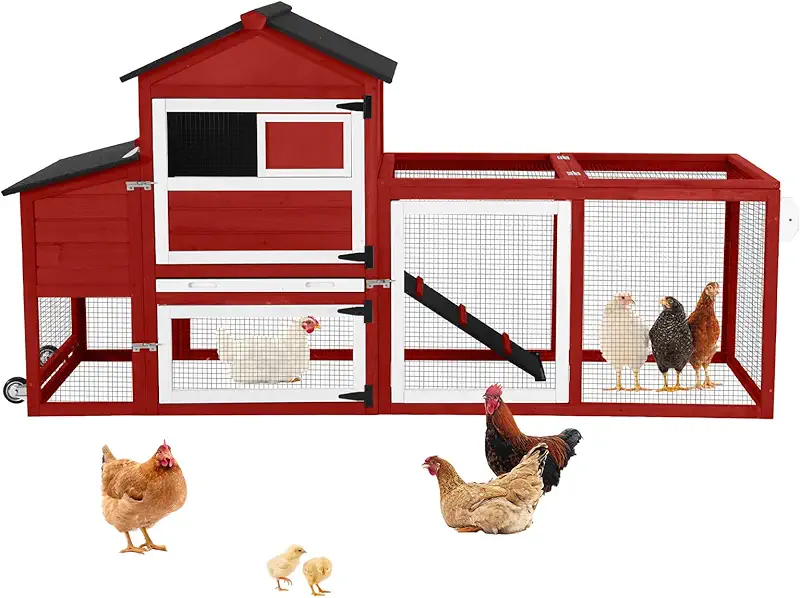
A simple, raised wooden coop gives hens a dry, safe place to sleep and a shaded spot underneath during hot days.
How to size the best wooden chicken coop for your flock
The first mistake most people make is choosing a coop that is too small. Photos can be tricky. A coop that looks roomy in a picture can feel crowded once six curious hens squeeze inside.
Over the years, I have settled on a simple rule that keeps my birds calm and friendly:
- At least 4 square feet (about 0.37 m²) of indoor floor space per standard hen.
- At least 8–10 square feet of outdoor run per bird if they cannot free-range daily.
- At least 8–10 inches of perch length per hen, more if they are heavy breeds.
If you look at a listing and see “for 6–8 chickens”, I gently cut that number in half in my head. So I see “6–8” and think “comfortable for 3–4.” That simple trick has saved me and my hens a lot of stress.
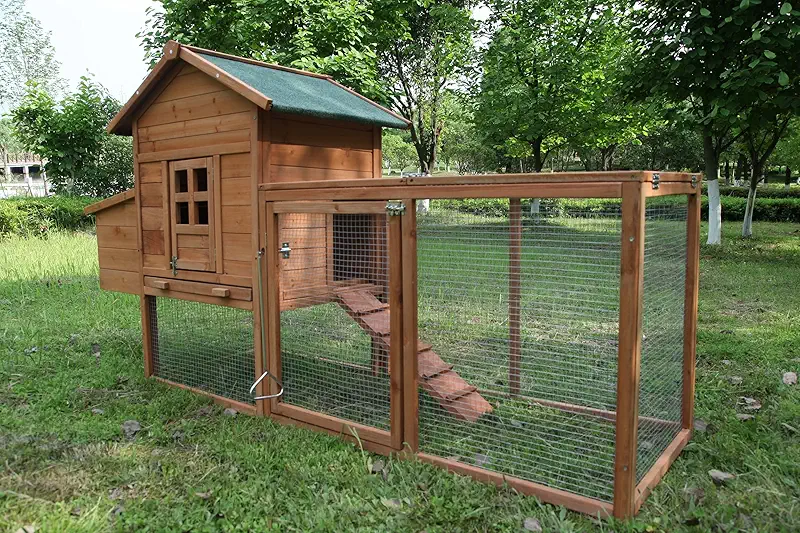
When each hen has room to move, peck, and rest, arguments almost disappear and egg laying stays steady.
Thinking ahead: future hens and growing flocks
I have never met a chicken keeper who said, “I wish I had bought a smaller coop.” But I have met many, myself included, who added “just two more hens” and suddenly realized the coop felt tight.
When you choose a coop, imagine yourself one year from now. Maybe you will rescue a couple of ex-battery hens. Maybe a neighbor will offer you two pretty pullets. If your heart is soft, like mine, you will say yes.
That is why I look at the best wooden chicken coop not just for the flock I have today, but for the flock I know I will probably welcome tomorrow.
Why I still trust wood over plastic for chicken coops
I have tried both plastic and wooden coops over the years. Plastic is easy to wash, and it has its place. But my heart, and my hens, keep returning to wood. There is a soft, natural feel to a wooden coop that seems to calm both birds and people.
Wood breathes a little. It holds warmth better in winter and stays less glaring in summer. When rain taps on a wooden roof, the sound is gentle, not sharp. I often sit by the coop in the evening, listening to that soft tapping and the quiet murmurs of my flock settling on their perches.
The hidden strengths of a good wooden coop
- Natural insulation. Thick timber helps smooth out temperature swings.
- Easy repairs. A loose board or latch can often be fixed with simple tools.
- Flexible layout. You can add extra roosts, hooks or shade panels with minimal fuss.
Of course, not all wooden coops are equal. Thin, soft wood can rot quickly if it is not protected. That is why I look very closely at the timber thickness and the roof material when I compare options.
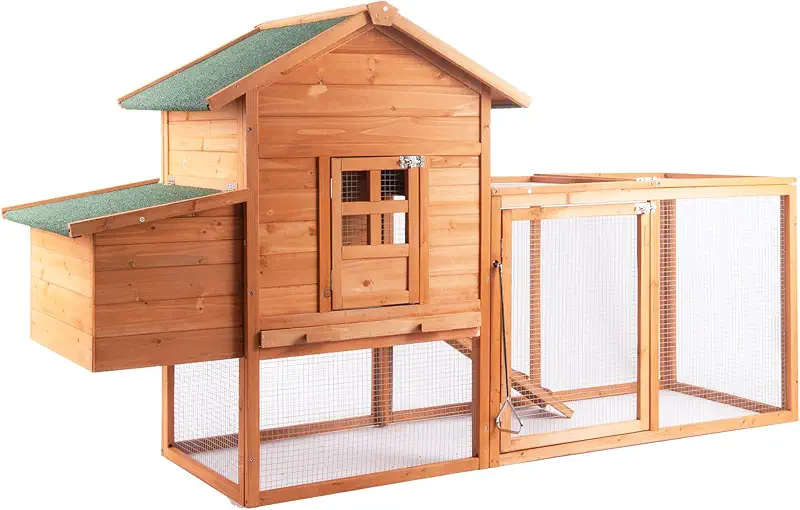
Solid timber and a sturdy roof turn a simple structure into a long‑lasting, safe home for years of flocks.
Features I always check before choosing the best wooden chicken coop
When I look at a new coop, either in person or on a screen, my mind quietly runs through a familiar checklist. It is the same list that has kept my birds safe from foxes, dry in storms, and healthy through damp springs.
1. Predator protection
Foxes, raccoons, dogs and even rats will test any coop you put in your yard. They are patient and clever. I have seen teeth marks on wood, claw scratches on doors, and once a fox trying to lift a whole run panel.
- Small, strong wire mesh (ideally hardware cloth) on the run, not thin decorative netting.
- Doors that close snugly with solid latches, not just tiny twist hooks.
- Raised sleeping area with a secure pop-hole door for the night.
2. Ventilation without drafts
Chickens breathe out a lot of moisture. If the air in the coop stands still, that damp air settles on combs and lungs. Good ventilation carries it away, but without blowing directly across the birds while they sleep.
I like coops with vents high on opposite walls, under the roof line. In winter I can partly cover one side, but I never fully close everything. Dry air keeps frostbite away far better than extra straw alone.
3. Cleaning made kind and easy
A coop that is hard to clean soon becomes a coop that is not cleaned often enough. I have learned this the hard way. When the roof is low or the door is narrow, you start to dread mucking out day, and your hens quietly suffer for it.
So when I choose the best wooden chicken coop, I look for:
- Wide access doors or roof panels that open safely.
- Removable droppings trays under the perches for quick morning cleanups.
- Simple, smooth interior lines with few deep cracks where mites can hide.
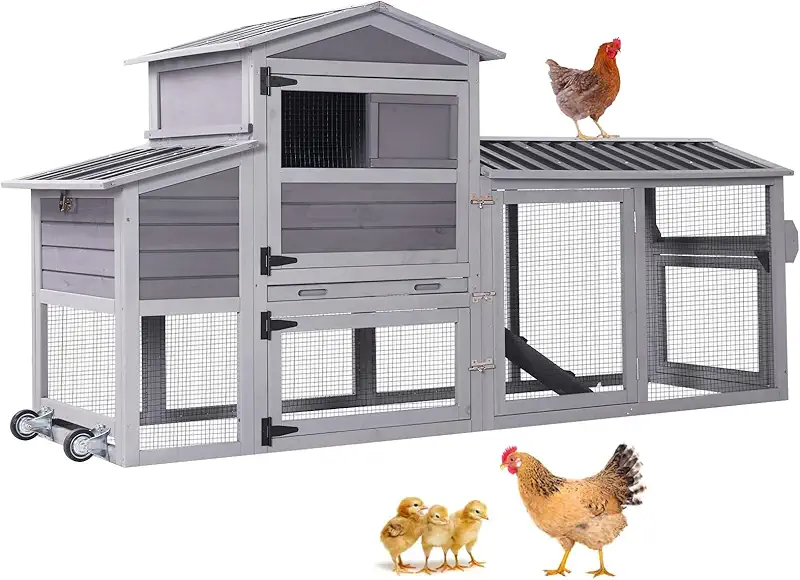
Good access doors and removable trays mean you can freshen the coop with just a few minutes each day.
4. A run that fits your yard
Not everyone has a big farm. Many of us keep hens in modest suburban yards, next to swings, garden beds and fences. The best wooden chicken coop, for me, is the one that fits naturally into this little world.
That is why I pay attention to:
- Overall footprint of the coop and run together.
- Height of the run (can you crouch or step in to catch a hen?).
- Possibility to add extension runs or open the door to a fenced garden area.
My daily routine with a good wooden coop
Maybe it helps if I walk you through a normal day with my hens, because this is where the value of a well-chosen wooden coop becomes very clear.
At dawn, I walk out with a mug of warm tea. The coop door is closed, the yard is quiet. I pull the pop-hole open, and the hens pour out in a little river of feathers, murmuring softly. Because the ramp has good grip and the door is wide, there is no pushing or panic.
While they eat, I open the big side door. I slide out the droppings tray, scrape it clean into a bucket, and sprinkle a little fresh bedding. It takes less than five minutes. The wood inside feels dry, not damp. No sharp smell of ammonia, just warm straw and a faint, earthy scent.
Later, when I collect eggs, the nest boxes are shaded and quiet. I can lean in without bumping my head. The hens barely notice me. This calm rhythm only exists because the coop is designed with both of us in mind: my back, and their nerves.
In the evening, when the light softens, the hens put themselves to bed. I walk over, do a quick head count through the window, then close the pop-hole. The thick wooden walls and solid roof give me peace as I walk back to the house. I know that even if a fox passes in the night, my birds are safe.
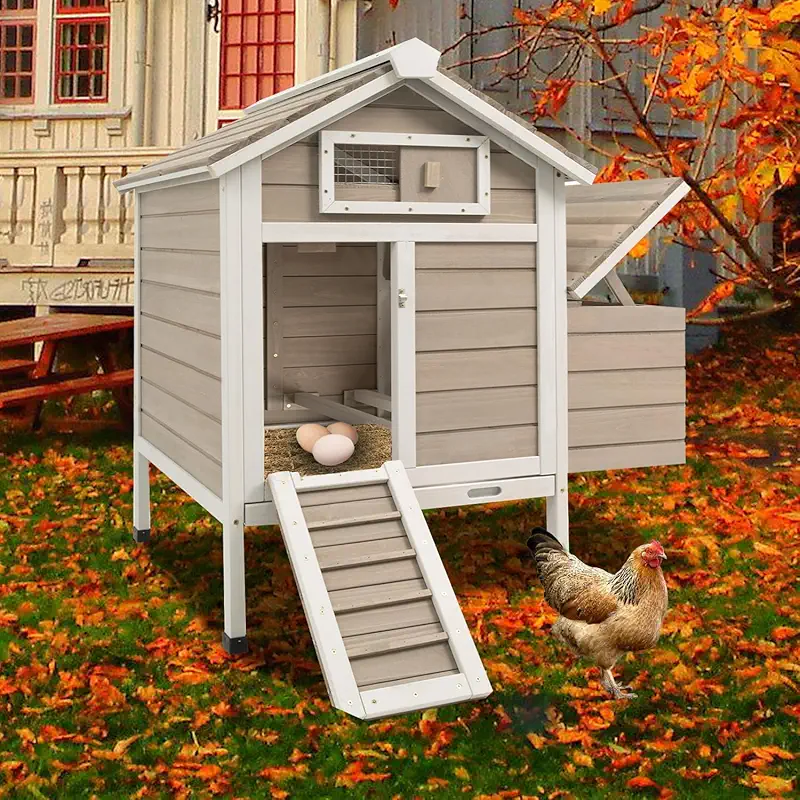
A calm evening routine is the sign of a coop that works well for both the keeper and the flock.
Small extras that make a wooden chicken coop truly “best”
After the basics are covered, a few small details turn a good coop into one you quietly love. These are not flashy features. They are gentle touches that make daily care kinder and more thoughtful.
- Overhanging roof edges that keep rain out of doors and vents.
- Lockable nest box lids so children or curious dogs cannot open them easily.
- A little porch or step at the pop-hole, where hens can pause and look around.
- Windows placed for light in winter mornings, but not turning the coop into an oven in July.
These little things often show me that the person who designed the coop had real hens, not just a drawing on a screen. When you look closely at photos, you can sometimes feel that care.
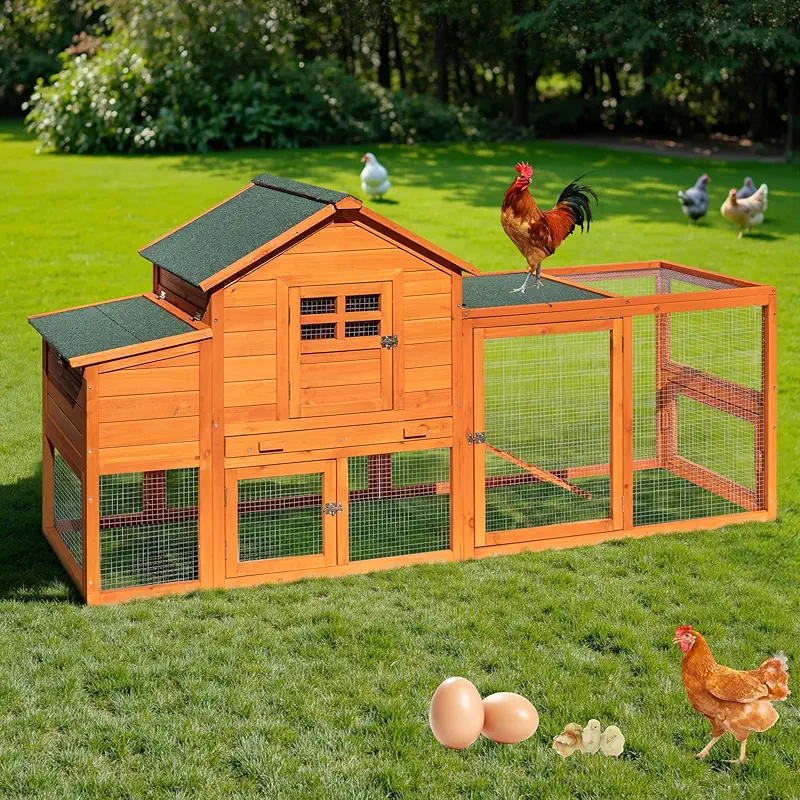
Thoughtful touches around doors, windows and nest boxes can make life easier for years to come.
Thinking about weather, from snow to heat
Where I live, seasons can be harsh. We get wet springs, hot, still summers and cold snaps in winter. A flimsy coop shows its weakness in these moments. Boards warp, roofs leak, and drafts sneak in.
So when I search for the best wooden chicken coop, I picture it standing there in heavy rain, under snow, and under hot noon sun. I look for:
- Roof pitch steep enough for water and snow to slide off.
- Timber that is treated or protected, but not soaked in harsh chemicals.
- Legs or skids that lift the floor off damp ground.
My honest thoughts before you pick your coop
I care more about your hens being safe and content than about any model name. Wooden coops can be wonderful, but they are not magic. They still need your eyes, your hands, and your steady routine.
When you choose a coop, you are really choosing the shape of your daily life with your flock. You are choosing how your back feels when you clean, how safe you feel at night, and how calm your birds feel in winter storms.
If you keep those gentle, everyday moments in mind, you will recognize the best wooden chicken coop when you see it. It will not just look pretty. It will feel right.
Take your time. Look at photos slowly. Imagine yourself opening each door, lifting each lid, checking each latch with cold fingers on a dark evening. Imagine the sound of rain on the roof, and the warm rustle of feathers inside.
If, in that picture in your mind, you feel peaceful, then you are close to the coop your hens deserve.
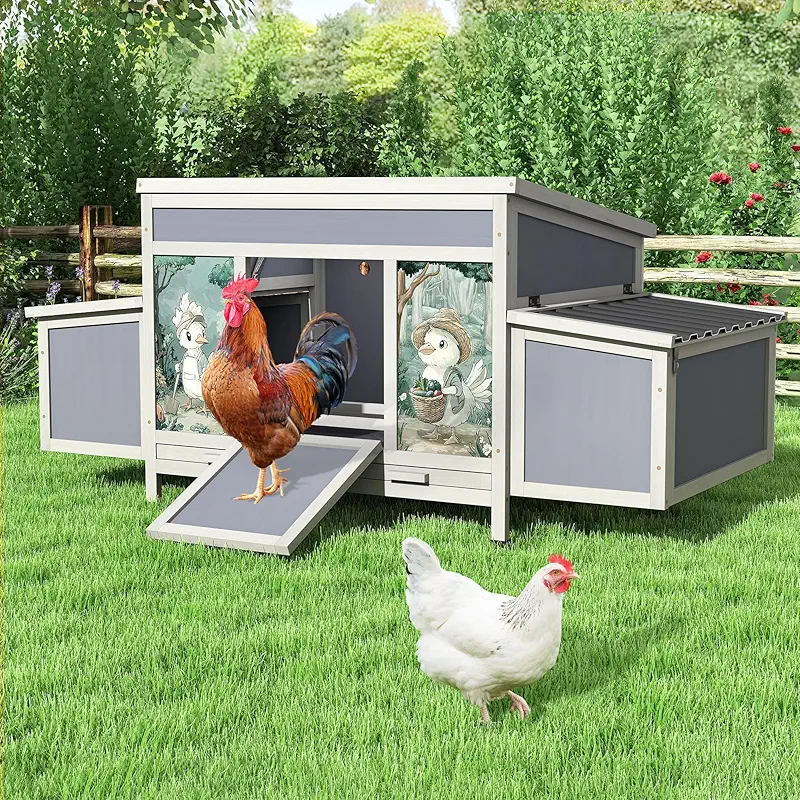
The right coop is not just a structure; it becomes part of the quiet rhythm you share with your flock.
FAQ about choosing the best wooden chicken coop
It depends on the coop size, but I always aim for more space than the label says. If a coop is listed “for 6 hens”, I think of it as comfortable for 3 or 4. Try to give at least 4 square feet of indoor space and 8–10 square feet of outdoor run per hen. Your birds will be calmer, cleaner and less likely to peck each other.
A well-built wooden coop can last many years, even with rain, snow and hot summers. The key is solid timber, a strong roof and keeping the coop slightly raised off the ground. I also brush on a gentle wood preservative every couple of years, avoiding the inside perches where hens grip with bare feet. Small bits of care stretch the life of the coop a lot.
They do not have to be. If you pick a design with big access doors, removable trays and simple interior lines, cleaning is quick and almost peaceful. My own routine takes just a few minutes most mornings because I can reach every corner without crawling. When you look at a coop, imagine yourself holding a shovel and a bucket: can you move freely?
Focus on strong wire mesh, not thin decorative fencing, and on tight doors with solid latches. Make sure the pop-hole closes properly at night, and check for any gaps bigger than a finger. If digging predators are common where you live, consider surrounding the run with buried wire or heavy paving slabs. A sturdy wooden coop gives you a very strong base for these protections.
Yes, as long as you choose a simple, well-designed model and keep your first flock small. Wood feels natural and forgiving, and it is easy to adjust perches or add a hook where you need it. For a beginner, I like coops with clear access doors, visible nest boxes and a straightforward run. That way your first months with hens are gentle and you can learn their rhythms without wrestling with awkward hardware.